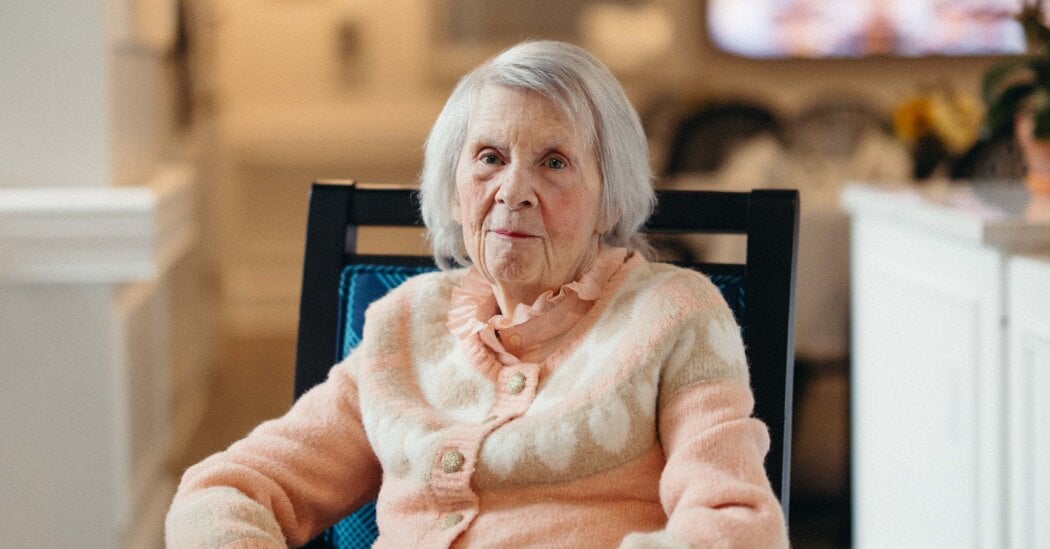
Advanced AI-powered fall detection systems in senior homes monitor residents' movements to predict and prevent falls, significantly improving safety and reducing injuries, as exemplified by Kathy Doyle's experience at The Bristal assisted-living facility.
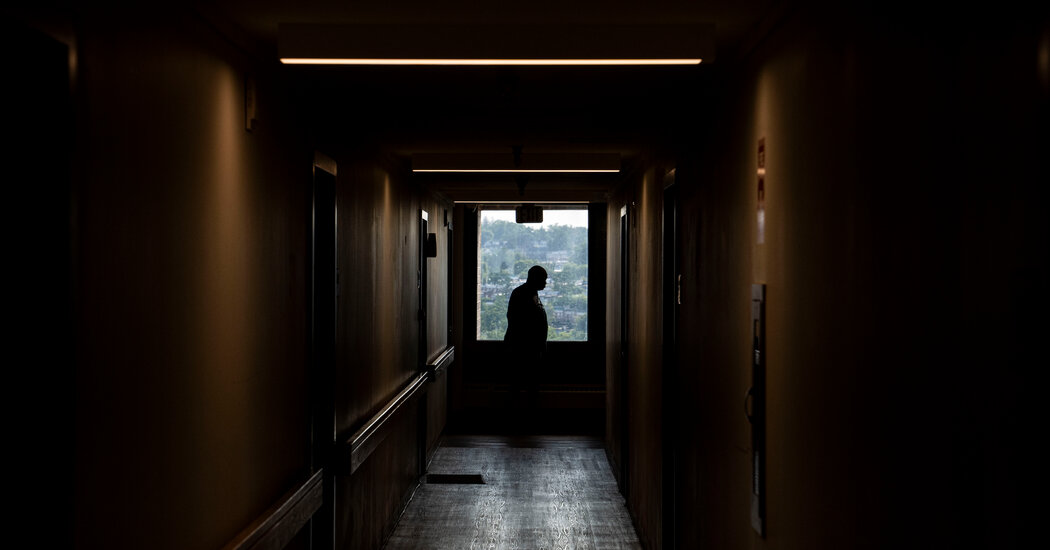
In Baltimore, drug overdoses, particularly from fentanyl, are devastating Black men aged 50 to 70 in subsidized senior housing. This demographic, left behind by the city's changing economy, accounts for nearly 30% of drug fatalities despite being only 7% of the population.
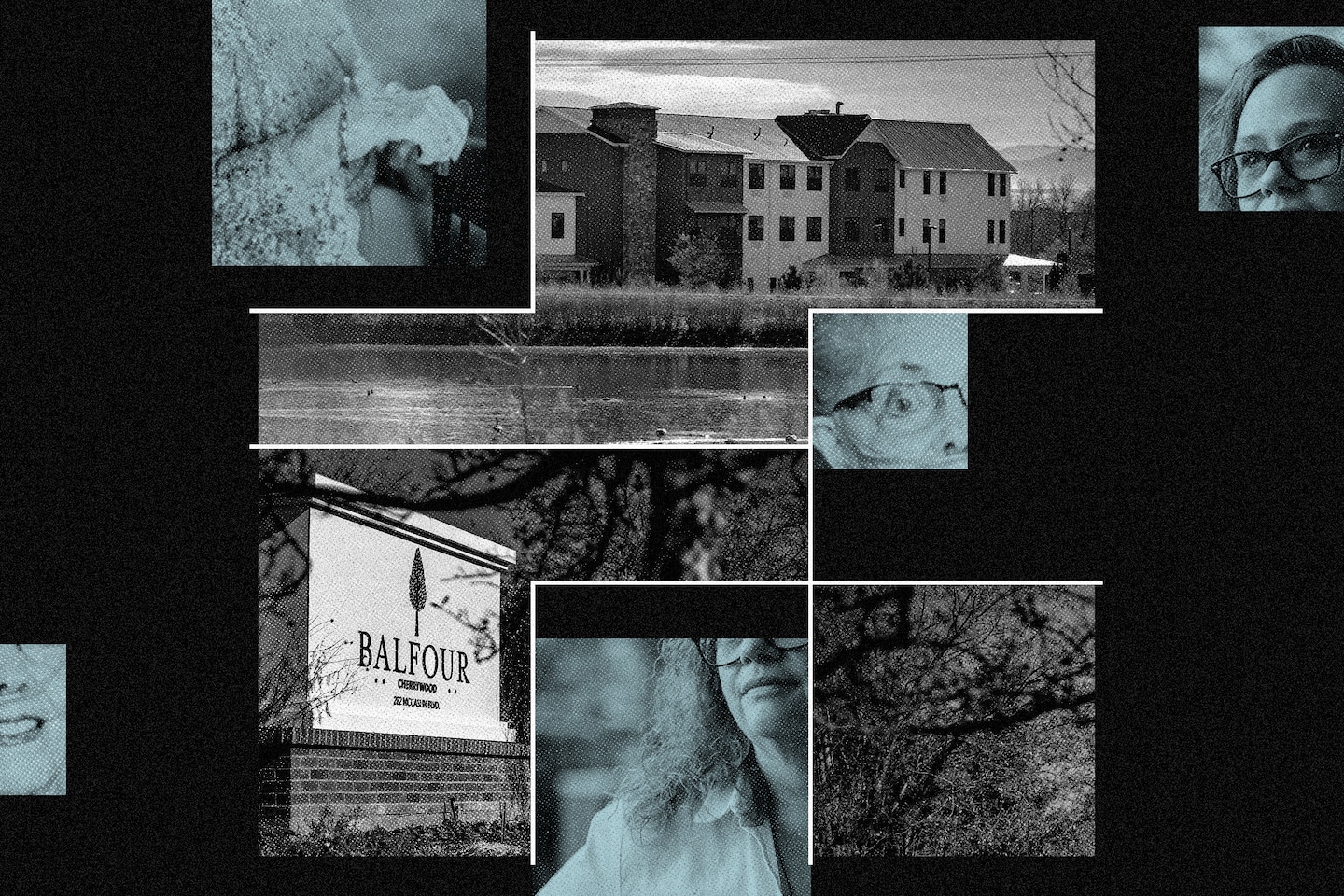
The booming assisted-living industry, valued at $34 billion, is facing deep-rooted problems as senior homes are left dangerously understaffed due to cost-cutting measures by corporate investors. Welltower, a $40 billion investment firm that owns senior homes, prioritizes profitability over resident safety, according to documents and interviews. The lack of adequate staffing and low wages in the industry has resulted in incidents of neglect, missing residents, and avoidable deaths. The problem extends beyond Balfour Senior Living, with a review of state inspection reports revealing a chaotic environment in many assisted-living facilities, where medication errors, falls, abuse, and resident wandering go unnoticed. The industry's focus on profits and a nationwide labor shortage exacerbate the issue, leaving workers exhausted and compromising the quality of care provided to vulnerable seniors.