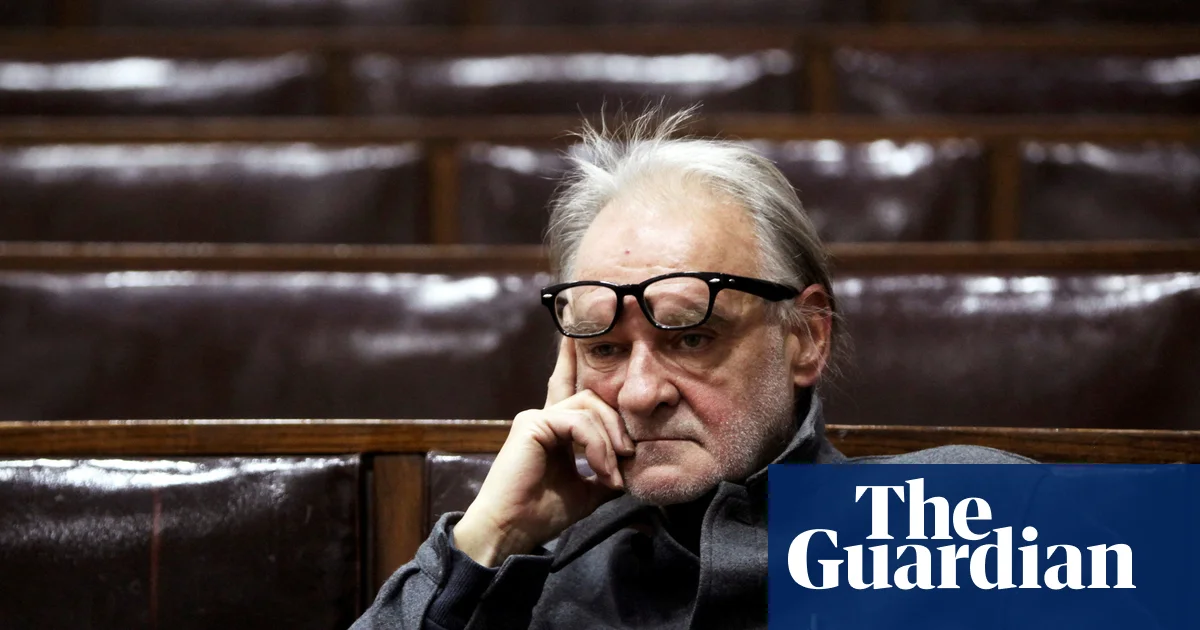
Béla Tarr, renowned Hungarian filmmaker known for his slow, poetic, black-and-white films like Sátántangó and The Turin Horse, has died at 70. His work, characterized by long takes and a focus on everyday life and existential themes, earned critical acclaim but limited mainstream success. Tarr was also a vocal critic of Hungarian politics and a dedicated mentor in the film community. He retired from directing but continued to influence and produce in the film industry.
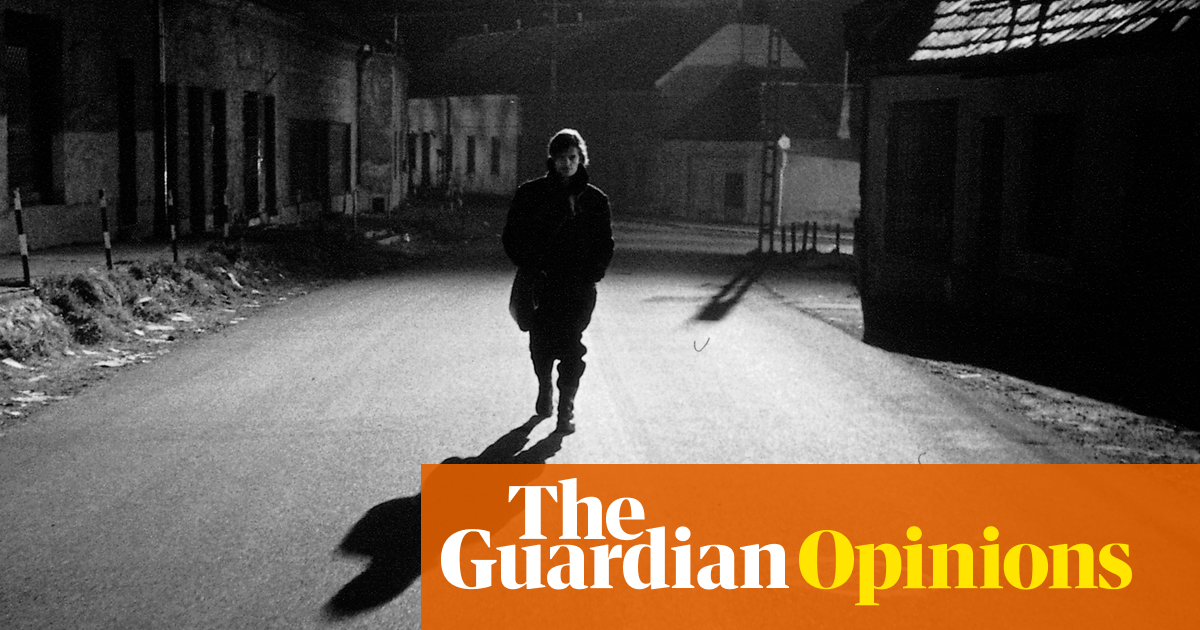
Béla Tarr was a master of slow cinema, known for his intensely slow, monochrome films like Sátántangó and Werckmeister Harmonies that explore themes of spiritual desolation, groupthink, and societal decay, often infused with dark comedy and philosophical depth. His work, characterized by extreme pacing and bleak imagery, has left a profound impact on cinema, reflecting a unique blend of despair and wit.
Béla Tarr, a renowned Hungarian director known for his influential contributions to slow cinema and acclaimed films like 'Damnation' and 'Sátántangó,' has died at age 70 after a long illness. He was celebrated for his dark, minimalist style and political voice, leaving a lasting legacy in world cinema.
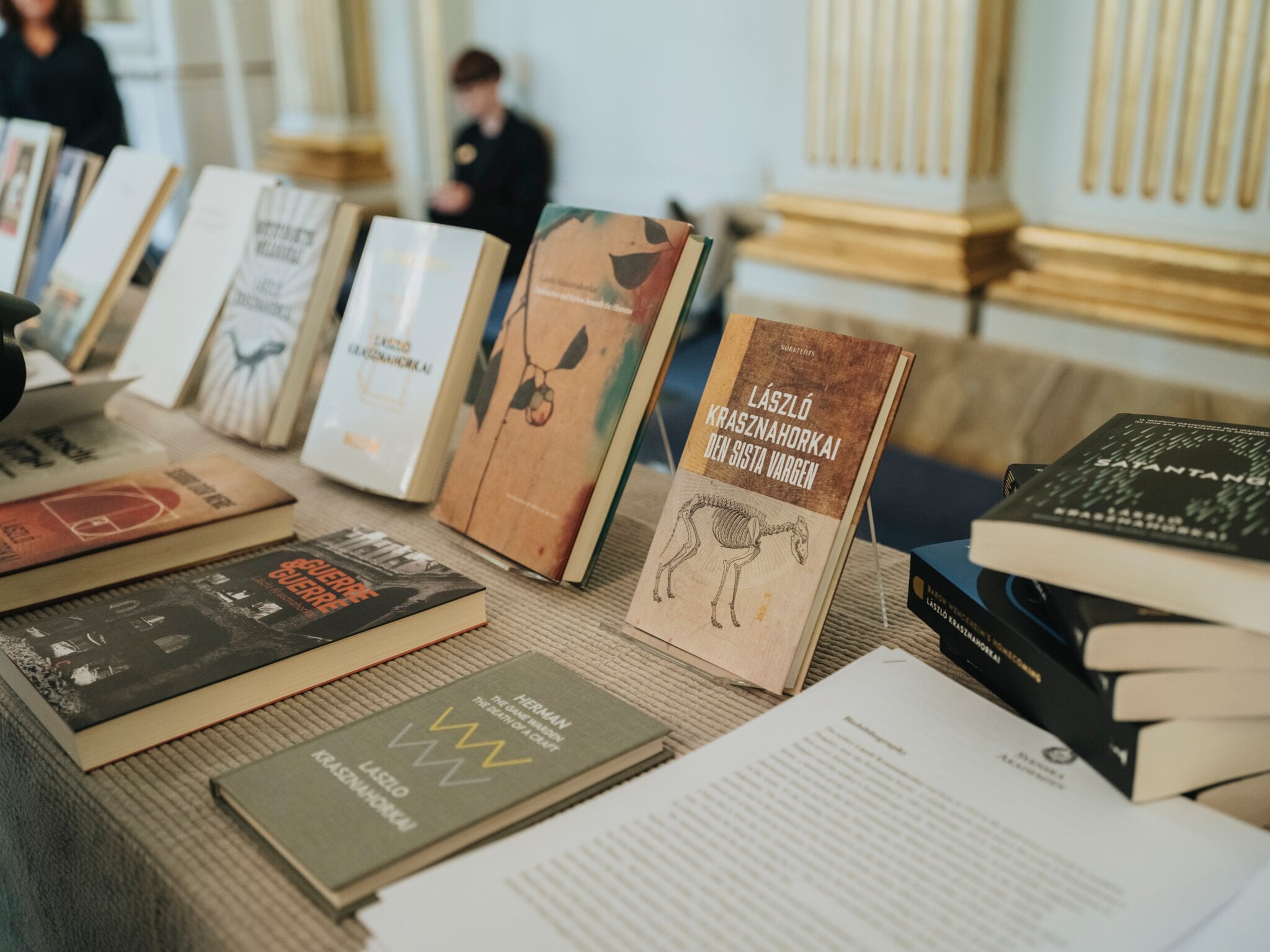
The article provides recommendations from the Swedish Academy on which books by László Krasznahorkai to read first, highlighting his notable works such as 'Satantango', 'The melancholy of resistance', 'Seiobo there below', and 'Herscht 07769', each showcasing his unique style of dense, dark, and surreal storytelling that explores themes of resistance, art, and human existence.
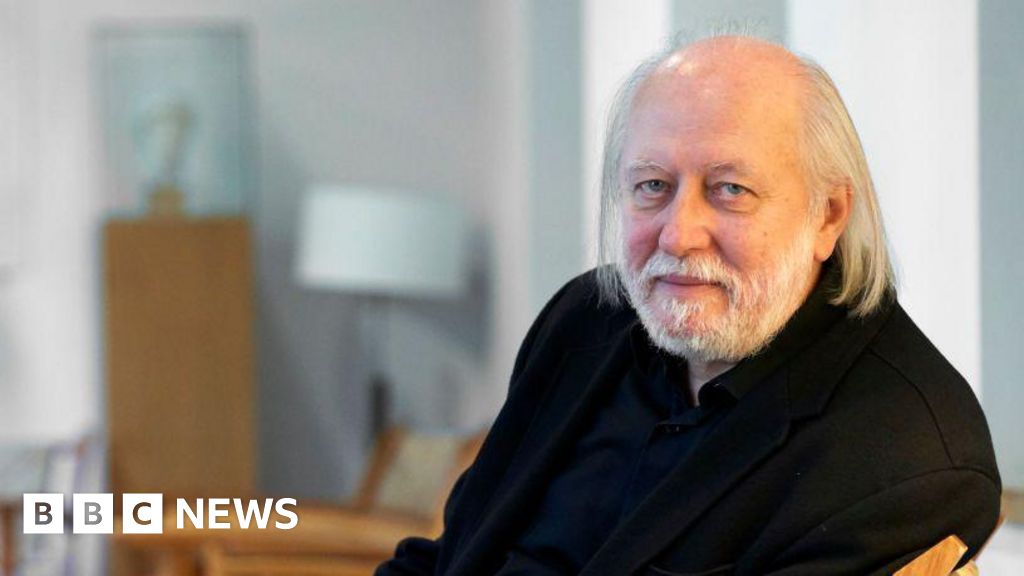
László Krasznahorkai, a Hungarian author known for his visionary and compelling works like Satantango, has won the Nobel Prize in Literature for his epic storytelling that explores themes of apocalyptic terror and the power of art, making him the second Hungarian to receive this honor.