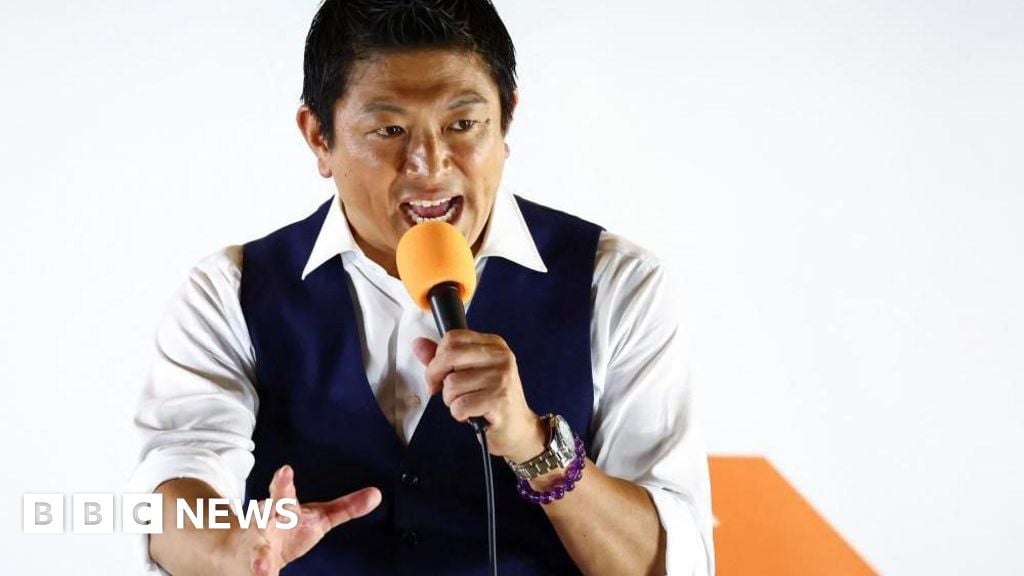
Japan's political landscape is experiencing upheaval as the far-right party Sanseito gains prominence, influenced by global populist trends, economic frustrations, and anti-immigration sentiments, with parallels drawn to Trump's America, challenging Japan's traditionally stable democracy.
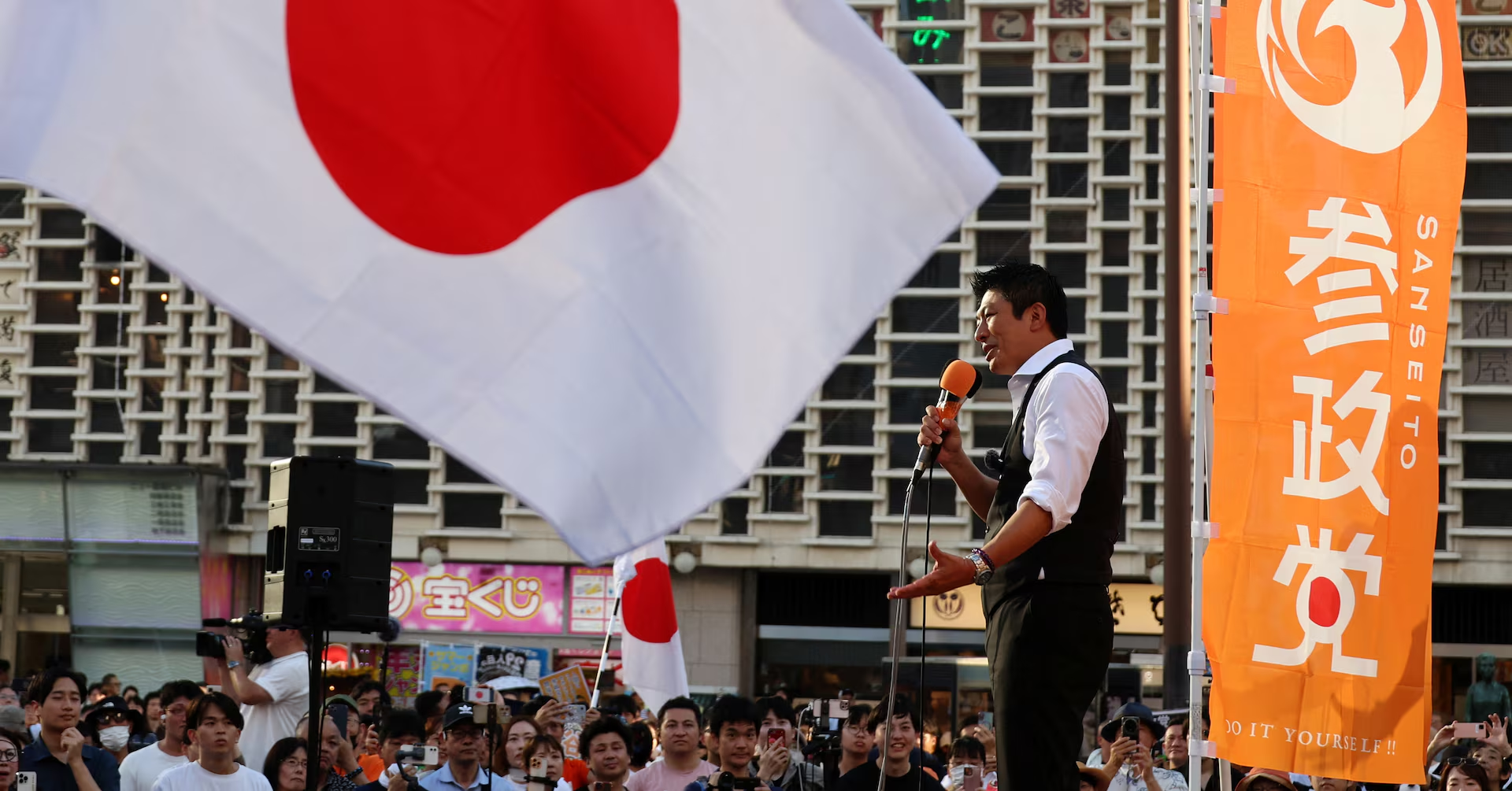
Japan's Sanseito party, leveraging social media platforms like YouTube, has gained popularity among young voters with its nationalist and anti-foreigner stance, winning 14 seats in the recent upper house election and reflecting a broader trend of right-wing politics gaining ground in democracies worldwide.
The far-right 'Japanese First' party Sanseito has gained significant ground in Japan's recent elections, winning 14 seats and reflecting growing nationalist and anti-immigration sentiments amid economic and social frustrations, challenging traditional political dynamics and signaling a potential shift to the right in Japanese politics.
Japanese Prime Minister Shigeru Ishiba announced he will remain in office despite his coalition's defeat in upper house elections, as he prioritizes handling US tariff talks and economic issues amid political challenges and rising populist support for the far-right Sanseito party, which capitalized on voter frustration over inflation and economic stagnation.