
Tag

Salkinstitute

All articles tagged with #salkinstitute

health-and-medicine2 years ago

"Groundbreaking Brain Pathway Discovery Paves Way for Preventing Panic Attacks"

Researchers at the Salk Institute have identified a brain circuit outside of the amygdala that is linked to panic attacks, which could lead to new treatments. This circuit involves neurons that produce a stress-regulating peptide called PACAP. By inhibiting PACAP signaling, they were able to reduce panic-like symptoms in mice. This discovery challenges the previous belief that the amygdala was the main area responsible for panic attacks and opens up potential for novel therapies targeting this newly discovered pathway.


health-and-medicine2 years ago

"New Brain Pathway Discovery Paves Way for Potential Panic Attack Cure"

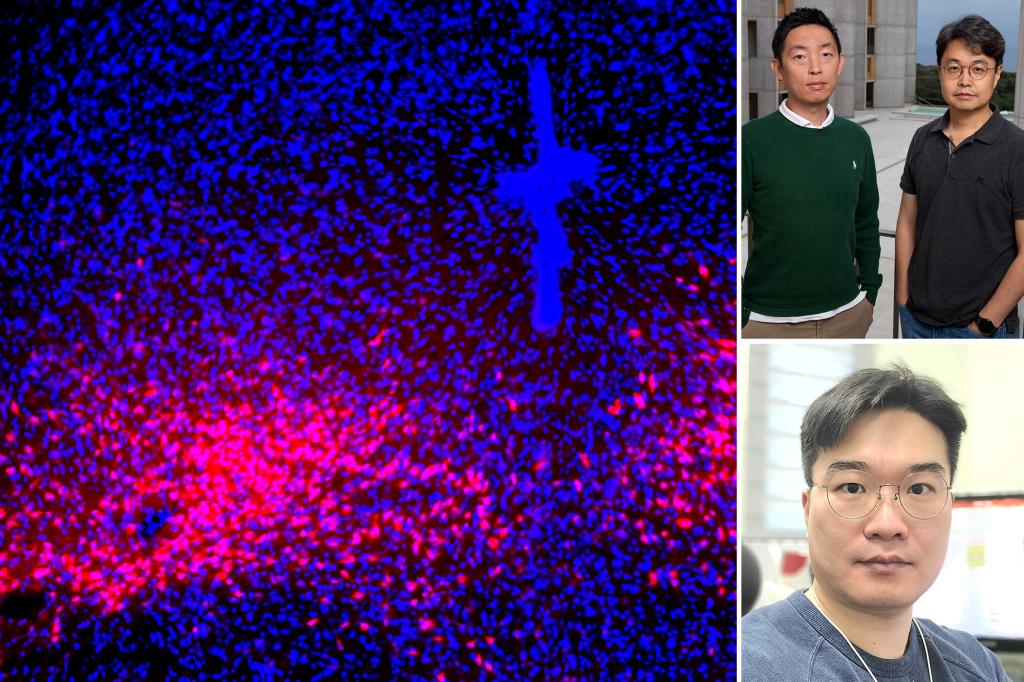
Researchers at the Salk Institute have identified a brain circuit involving PACAP-expressing neurons in the lateral parabrachial nucleus that plays a key role in initiating panic attacks. By inhibiting PACAP signaling in mice, they were able to reduce panic symptoms, paving the way for new treatments for panic disorder. This discovery differentiates panic disorder from other anxiety disorders and could lead to targeted medications. The study, published in Nature Neuroscience, marks a significant step in understanding and potentially treating panic disorder.

health-and-medicine2 years ago

"Brain Pathway Discovery Paves Way for Potential Panic Disorder Cure"

Salk Institute researchers have identified a brain circuit outside of the amygdala that is involved in panic disorder. This circuit involves neurons that produce and respond to the neuropeptide PACAP, which is a key regulator of stress responses. By studying mice, they found that activation of PACAP-expressing neurons in the brain's parabrachial nucleus leads to panic-like symptoms. Inhibiting PACAP signaling reduced these symptoms, suggesting new potential targets for panic disorder therapeutics. The findings, which differentiate panic disorder from other anxiety disorders, could lead to more effective treatments specifically tailored to panic disorder.