Families of victims and survivors of the 2023 Lewiston mass shooting are suing the U.S. government, alleging that the Army ignored warning signs about reservist Robert Card's dangers, contributing to the tragedy.
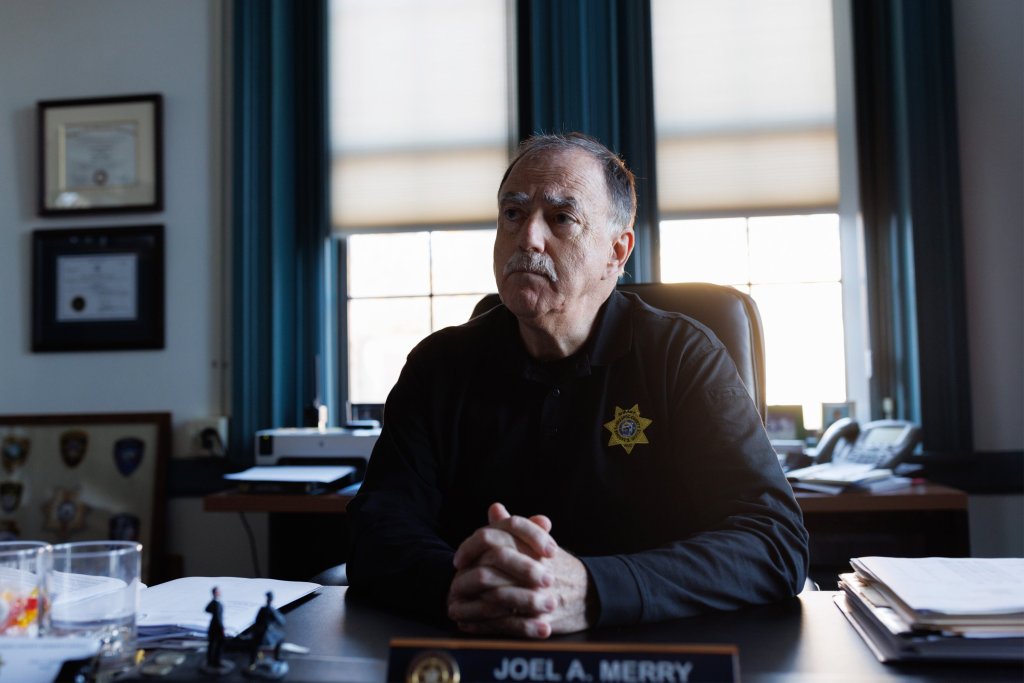
An independent review of the Sagadahoc County Sheriff's Office response to mental health concerns about mass shooter Robert Card has concluded that deputies acted reasonably under the circumstances. The review found that the deputies followed the law and their training based on the information available at the time. The review also examined questions about Maine's yellow-flag law, voluntary psychiatric evaluations, emergency involuntary commitment, protective custody, and firearm confiscation. The report made three recommendations for the sheriff's office to enhance its handling of future situations involving individuals with mental health issues.
The brain of Robert Card, the gunman responsible for the mass shooting in Lewiston, Maine, is being sent to Boston's CTE Center to determine if he suffered any brain injury or trauma while serving in the Army Reserve. Card, who died of a self-inflicted gunshot wound, had exhibited erratic behavior and had been committed to a mental health facility prior to the shooting. The analysis of Card's brain is expected to shed light on the impact of repeated blasts experienced during his military training. Results from the examination may take six to eight months.
Testing is being conducted on the brain of Lewiston shooter Robert Card at Boston University's UNITE Brain Bank, a renowned research facility for traumatic brain injuries and chronic traumatic encephalopathy. The New York Times has raised questions about whether Card's exposure to blasts during his time in the Army Reserve contributed to his mental state during the shooting. Results from the testing may take 6 to 8 months to be available. The Maine State Medical Examiner's Office believes that conducting this testing is necessary to provide answers in such cases. Governor Janet Mills has formed an independent commission to investigate the circumstances surrounding the shooting, but the commission's initial public meeting has been postponed.
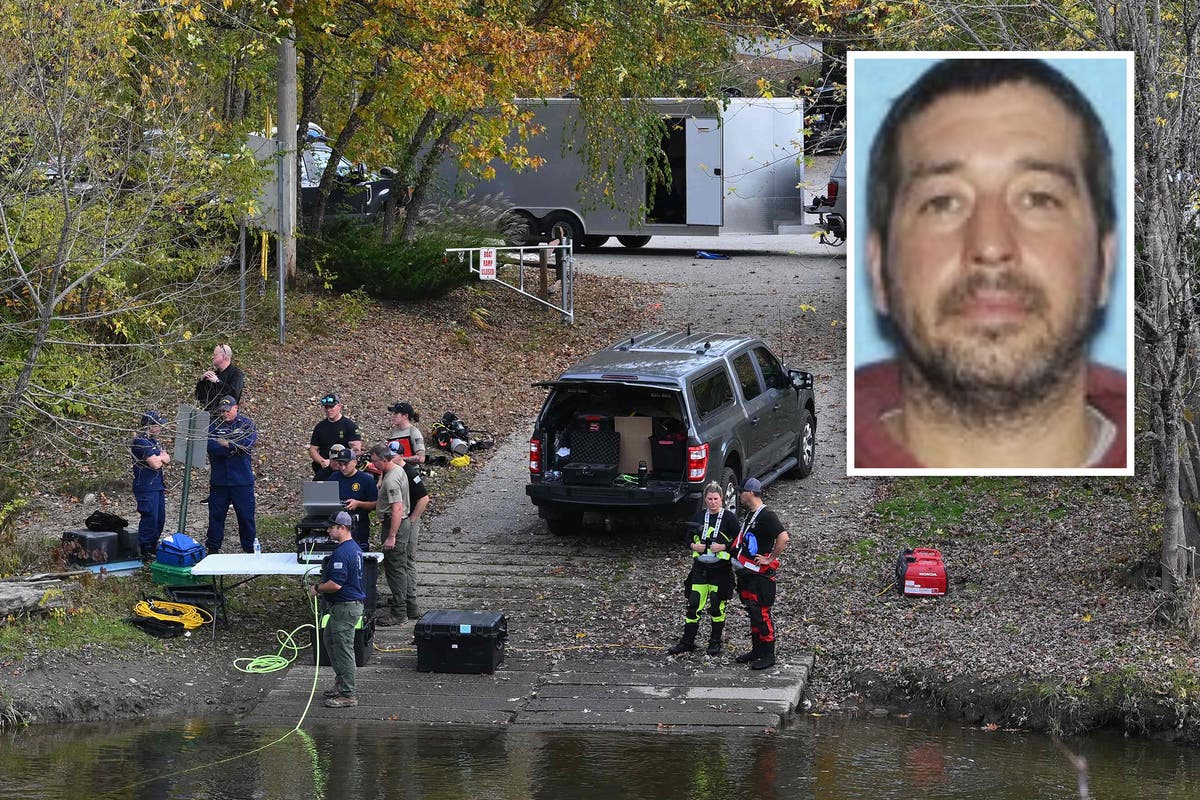
The autopsy of Robert Card, the Army reservist responsible for a mass shooting in Maine, suggests that he was alive and potentially on the run for a significant portion of the two-day search that followed the incident. Card died from a self-inflicted gunshot, which likely occurred eight to 12 hours before his body was discovered. The time of death analysis raises questions about law enforcement's failure to locate him earlier. Concerns about Card's mental state had been raised prior to the shooting, but no action was taken to remove his access to guns.
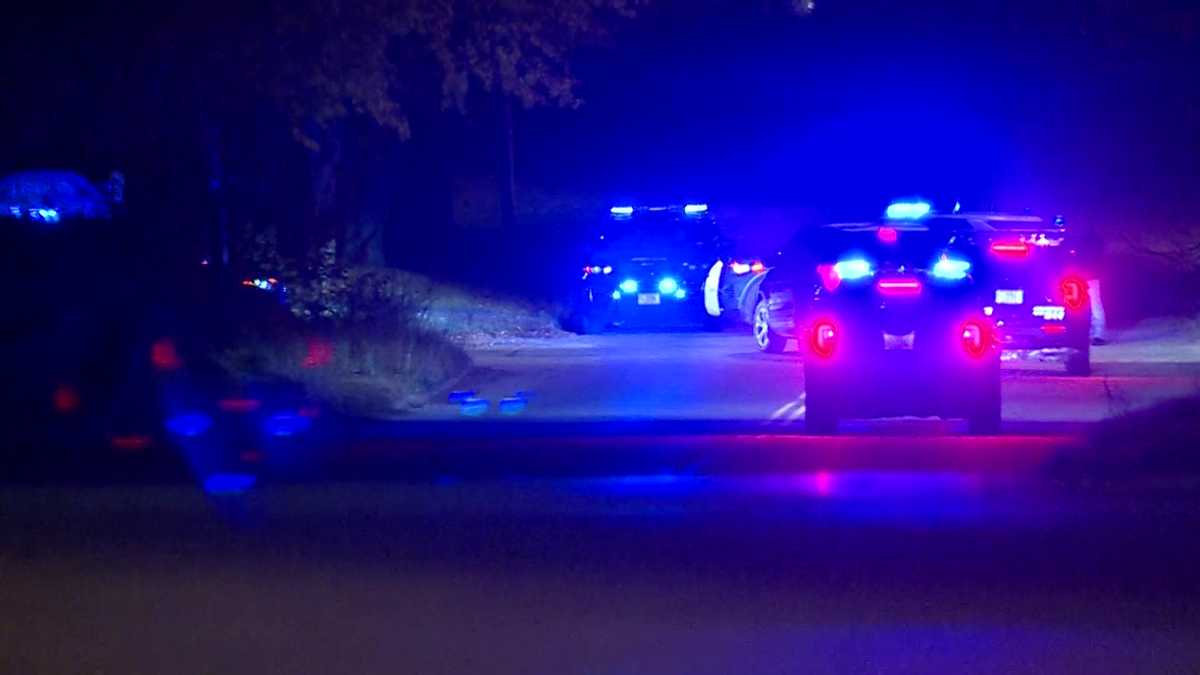
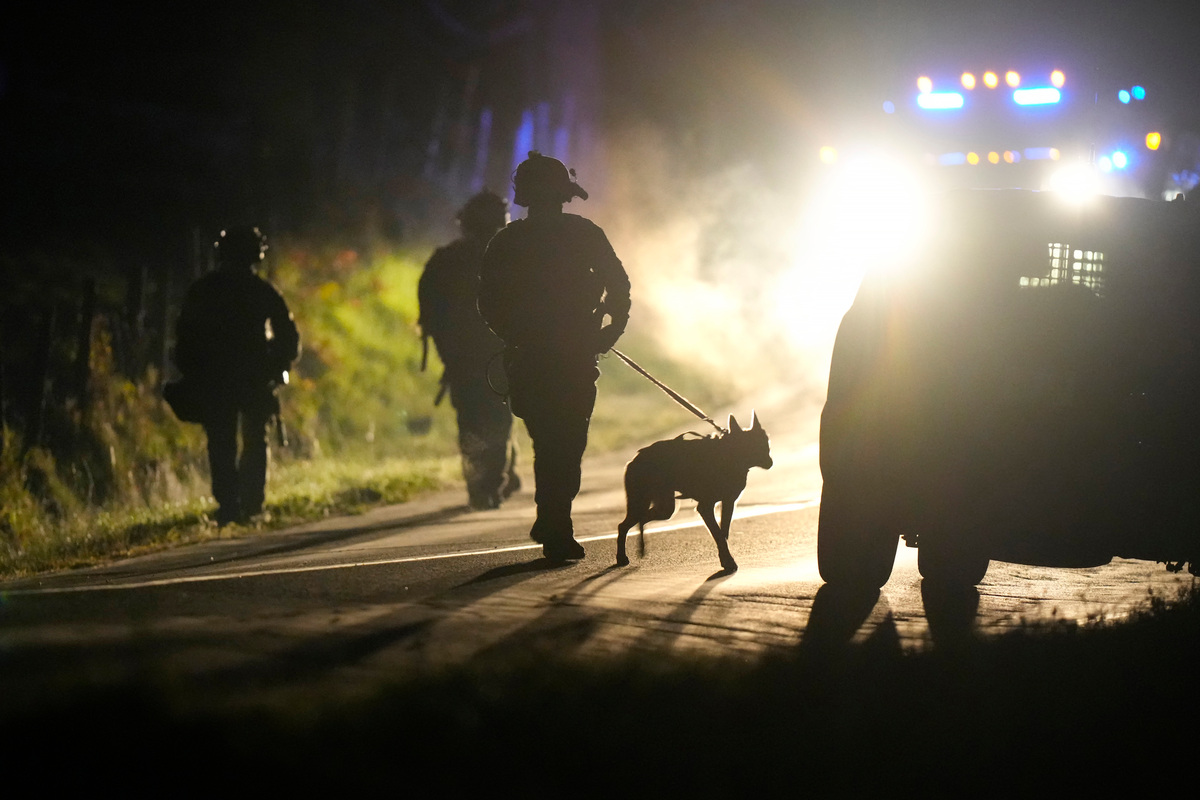
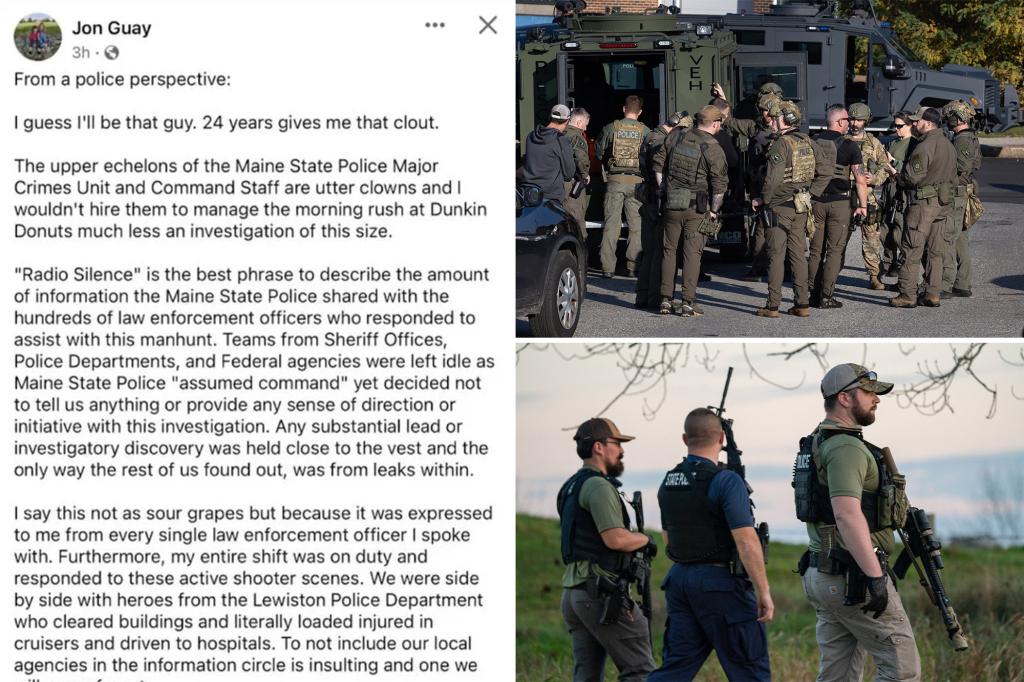
A veteran Maine cop criticized the Maine State Police for their lack of communication and information sharing during the search for mass shooter Robert Card, who killed 18 people. The cop accused state police of shutting out local officers and leaving federal agencies idle during the 48-hour manhunt. The officer expressed frustration at being kept out of the loop and called the state police "utter clowns." The Maine State Police have not provided details on how the manhunt was led or who was in charge.
An Ellsworth police officer, who served as the superior of the Lewiston mass shooter, Robert Card, in a military training unit, was notified of Card's threats of violence on September 15. The officer alerted Sagadahoc County law enforcement and requested a well-being check on Card. The officer had previously been involved in hospitalizing Card for mental health concerns. Despite these warnings, no further action was taken, and Card went on to kill 18 people and injure 13 others. This incident highlights missed signs regarding Card's mental state and the need for better intervention and support for individuals displaying concerning behaviors.
As residents of Lewiston mourn the victims of a mass shooting that left 18 people dead and 13 injured, new reports reveal that the shooter, Robert Card, was previously denied the purchase of a gun silencer and had been flagged to law enforcement weeks before the shooting. The Maine National Guard had raised concerns about Card potentially committing a mass shooting, and investigations into his history are underway. Meanwhile, survivors share their harrowing experiences, and the families of the victims are divided over Card's death. Maine Governor Janet Mills expressed relief that the gunman was found deceased and announced mental health resources for the public.
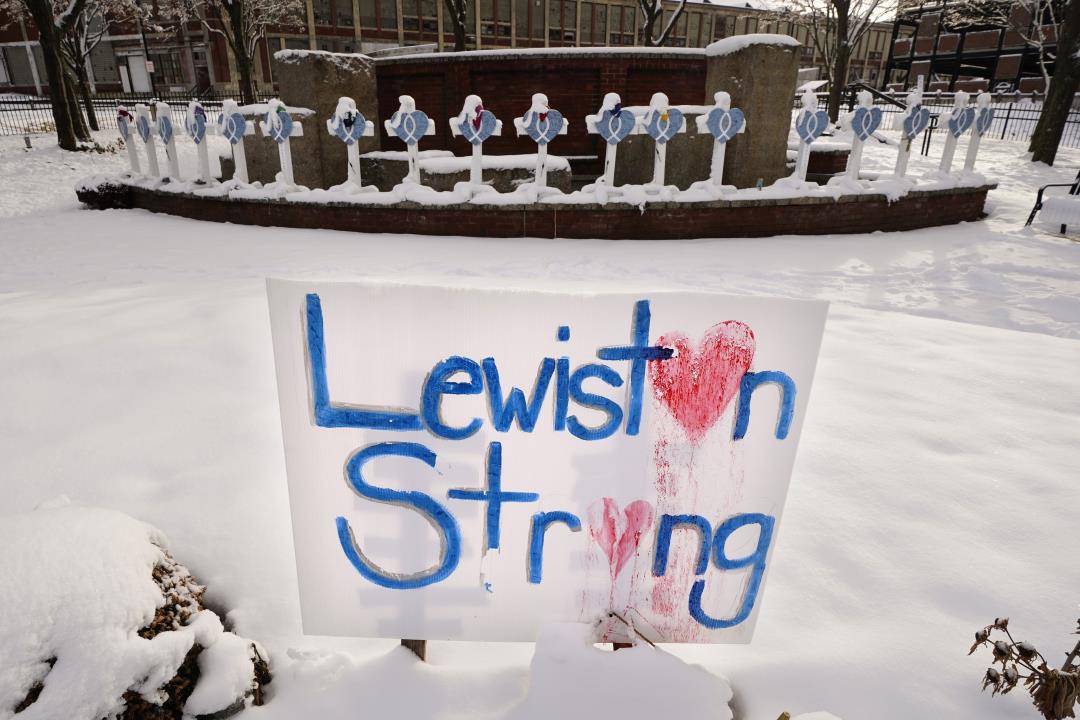
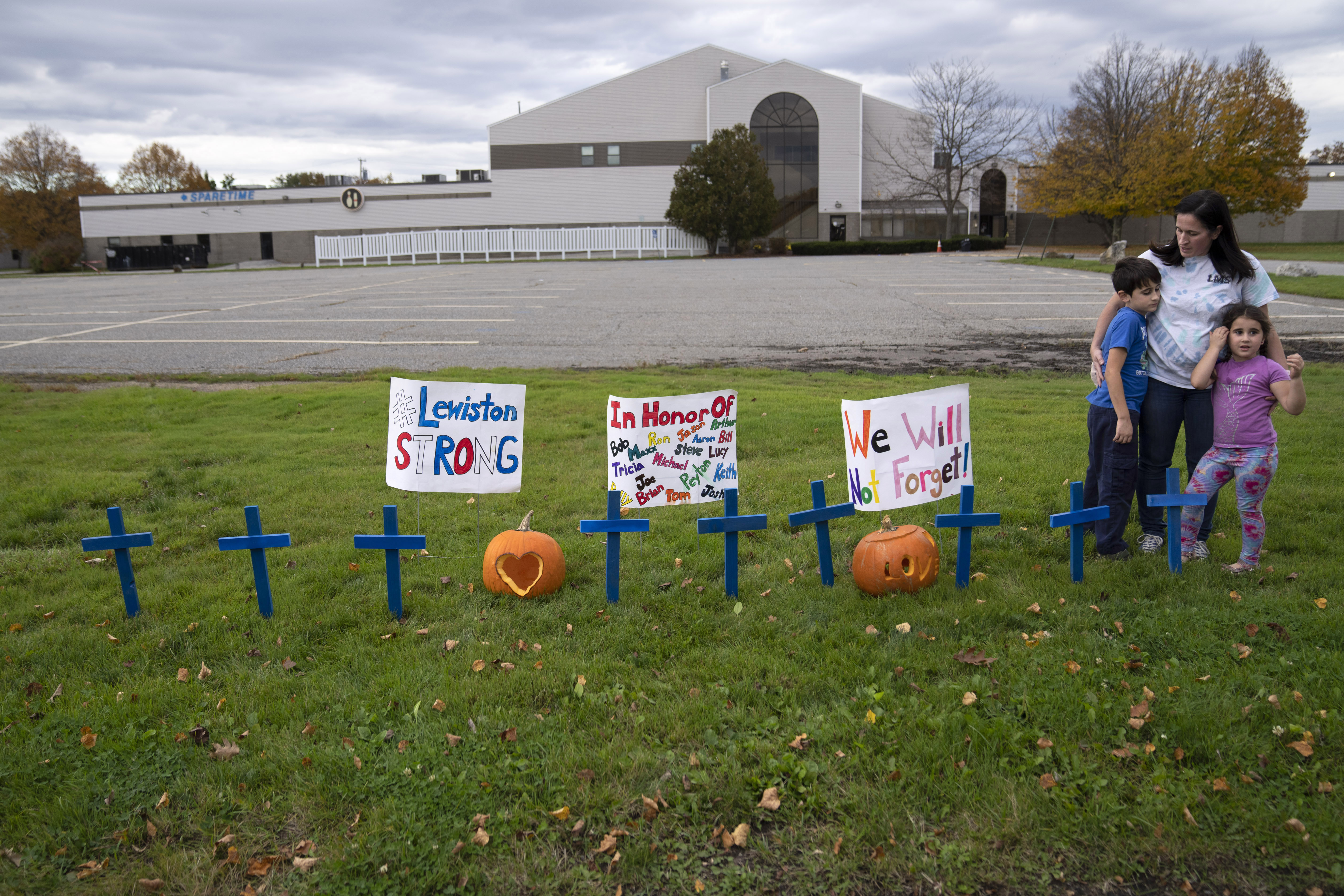
Community members in Lewiston, Maine, are mourning the victims of a mass shooting that left 18 people dead and 13 injured. The suspected gunman, Robert Card, was found dead, believed to have taken his own life. A note was discovered, but its contents have not been disclosed. The victims, ranging in age from 14 to 76, have been officially identified. Vigils are being held and signs are being placed around the city in their honor. President Biden called for action to end the gun violence epidemic. Questions are being raised about whether the shooting could have been prevented and the need for stricter gun laws in Maine.
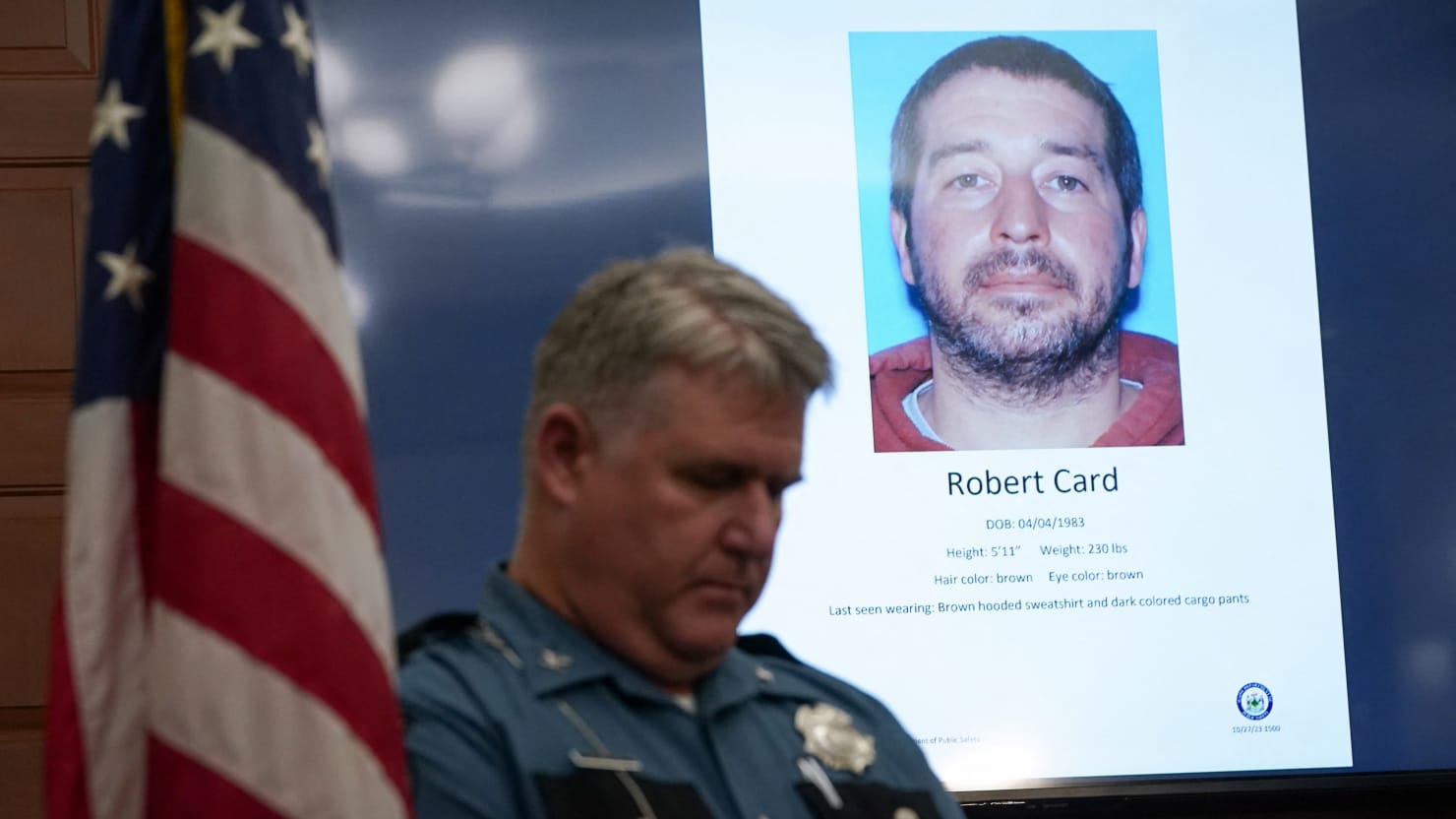
Maine police were alerted about "veiled threats" made by Robert Card, the U.S. Army reservist responsible for the worst mass shooting in the state's history, but failed to locate him or take further action. The threats were reported to law enforcement agencies in mid-September, but increased patrols and a visit to Card's home yielded no results. Card had a history of erratic behavior and had been committed to a mental health facility in July after making threats during a military training exercise. Despite these red flags, Card was not on the FBI's radar, and the instant background check system did not have any information to prohibit him from purchasing firearms. The case raises questions about the actions that could have been taken by the military, police, mental health professionals, and relatives to prevent the massacre.
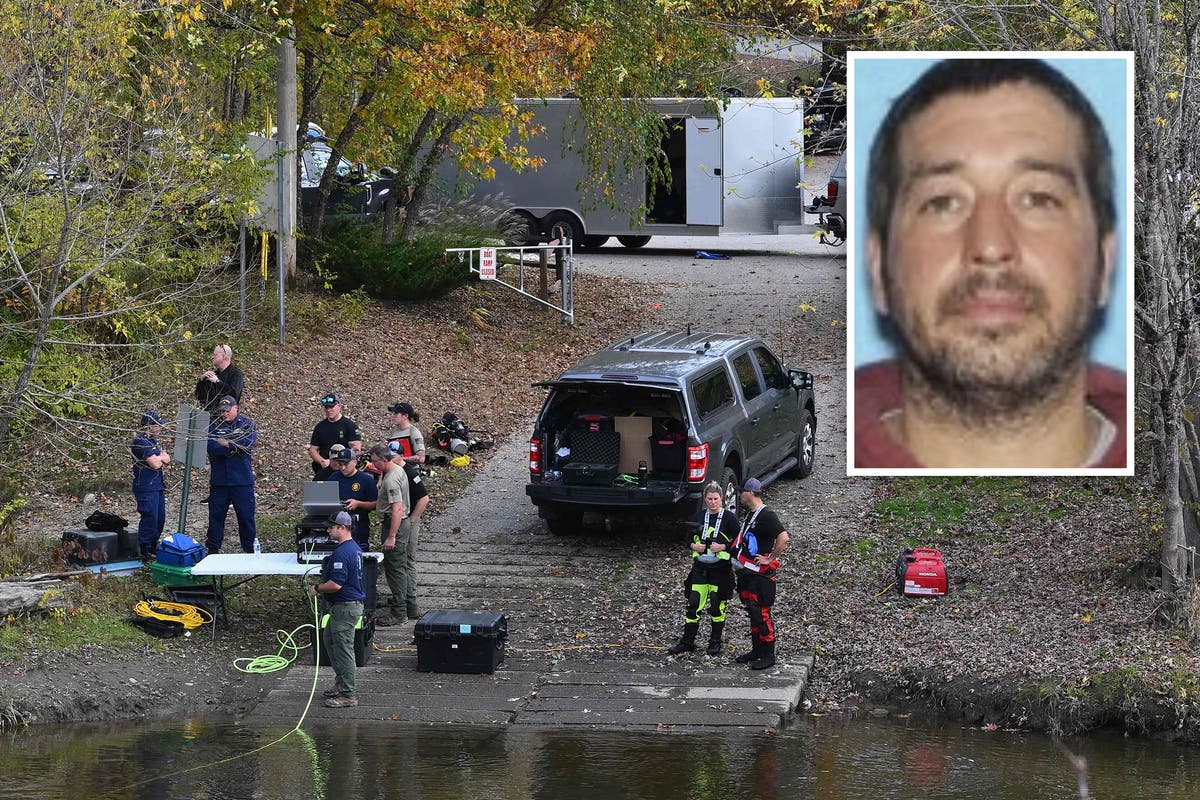
Robert Card, the suspect in the Lewiston Maine mass shooting that left 18 people dead and 13 injured, has been found dead in a wooded area near the crime scenes. It is believed that Card took his own life. The victims, ranging in age from 14 to 76, have been officially identified. Card had previously attempted to purchase a silencer but was denied due to his answers on the form. The incident has raised questions about Maine's gun laws and the need for action to address gun violence.
Maine police issued a statewide awareness alert last month after receiving threats from Robert Card, the U.S. Army reservist suspected of killing 18 people in two mass shootings. The alert urged officers to be on the lookout for Card, who had allegedly threatened to shoot up the National Guard Base where he had trained. Despite extra patrols and efforts to locate him, Card was not found until recently when he was discovered dead in a tractor-trailer, having died from a self-inflicted gunshot wound.
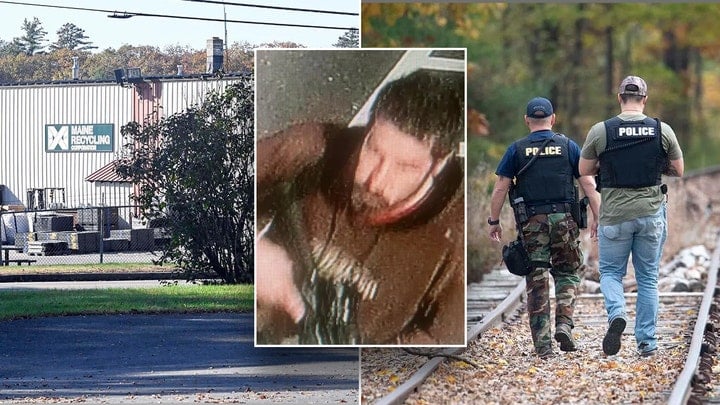
Robert Card, the mass murderer responsible for the shooting at a bowling alley and bar in Lewiston, Maine, left a note to a loved one with his phone's passcode and bank account before being found dead about a mile away from his abandoned car. The note, although not explicitly a suicide note, indicated that Card did not plan to be around. His body and two guns were discovered in an unlocked trailer in a recycling center's overflow parking lot. The location of his death is still under investigation. The shooting resulted in the deaths of 18 people and the injury of 13 others.
Law enforcement officials in Maine continue their investigation into the mass shooting rampage carried out by Robert Card, despite his death. Authorities are working to establish a timeline of events and determine if Card acted alone. The FBI is reviewing his social media presence for possible motives and additional attack plans. The ATF is examining a gun recovered from Card's abandoned vehicle to determine if it was used in the attacks. The wife of one of the victims expresses mixed emotions about Card's death, while the suspect's family has received threats despite their cooperation with law enforcement. The location where Card abandoned his vehicle and where his body was found are connected by a trail. Officials also reveal that Card does not appear to have been forcibly committed for mental health treatment. A note left by Card indicates that he did not expect to be found alive.
The suspect in the Lewiston Maine mass shooting, Robert Card, has been found dead in a wooded area near the crime scenes, with authorities believing he took his own life. The shooting left 18 people dead and 13 injured. A note addressed to a "loved one" was found but its contents have not been disclosed. Card had previously been held in a mental facility and had a history of mental health issues. Fundraisers have been started to support the victims' families, and there are calls for stricter gun laws in Maine.