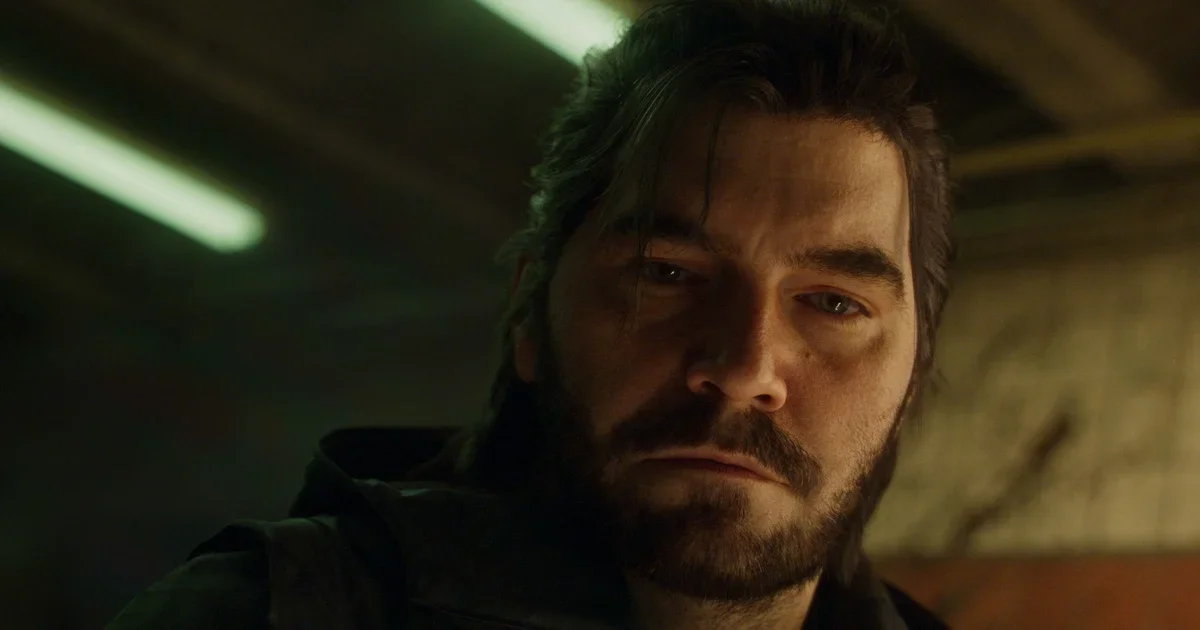
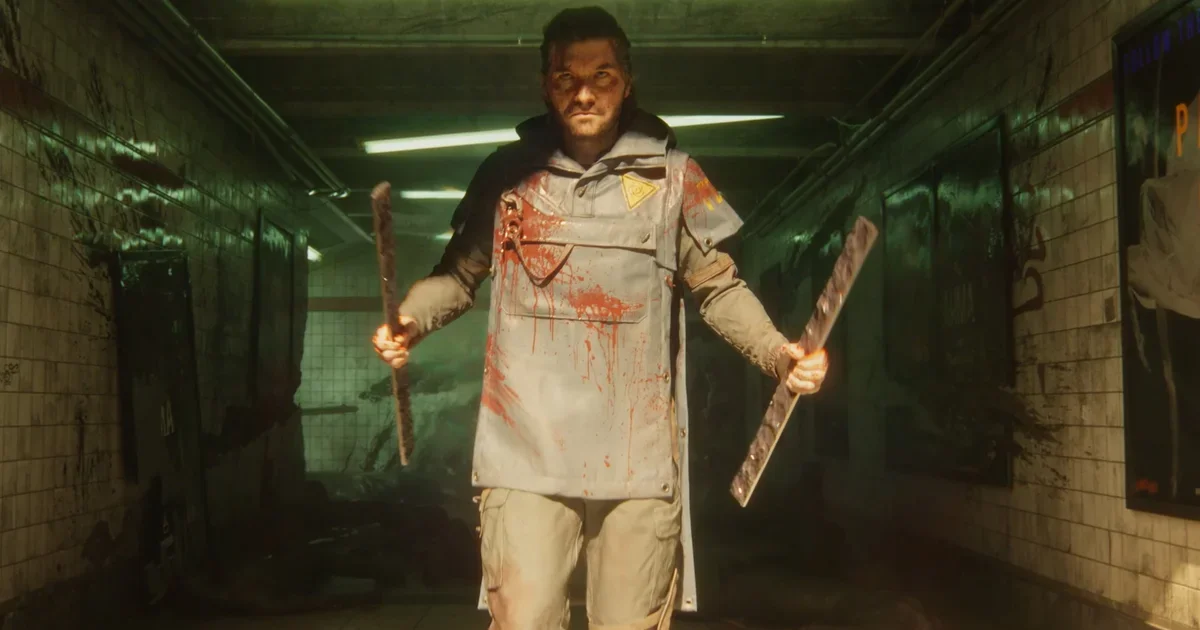
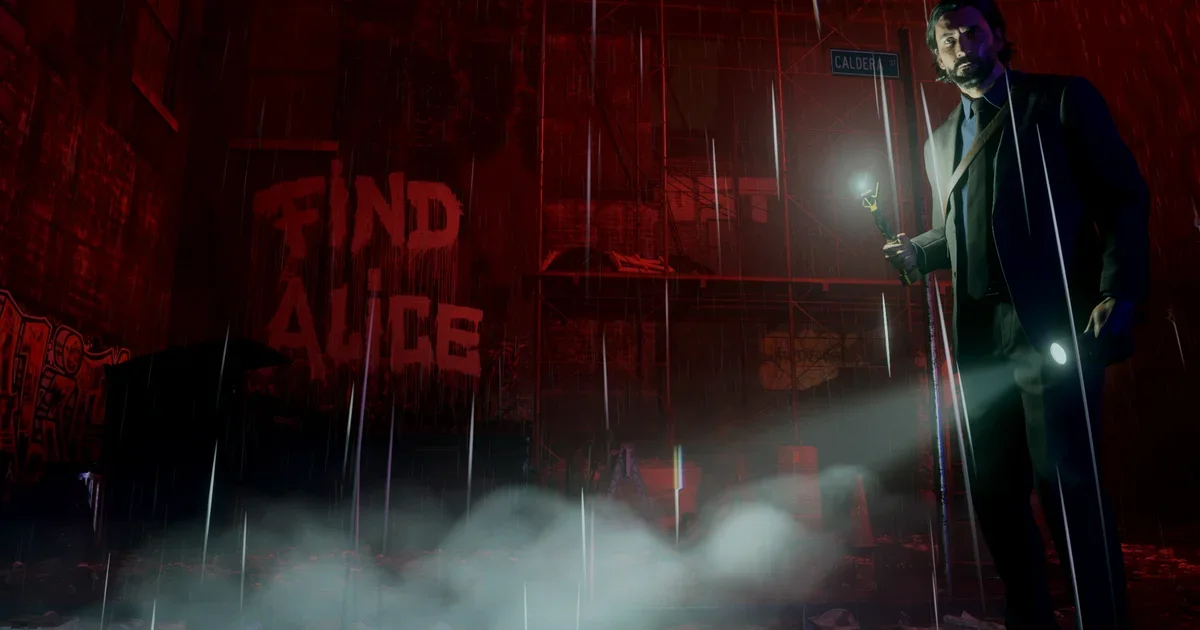
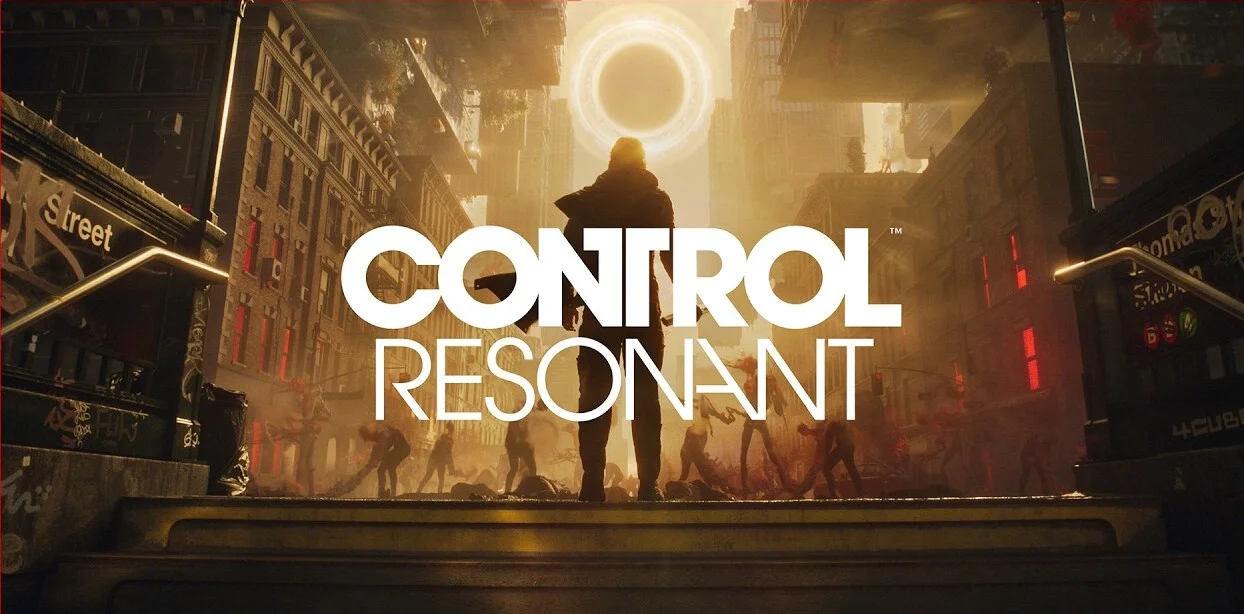
Remedy reveals that Control Resonant draws on X-Files, Twin Peaks, Roadside Picnic, and Neon Genesis Evangelion among others for its PS5 sequel, signaling a bold, media-rich direction due in 2026.
Remedy Entertainment has appointed Jean-Charles Gaudechon, a former EA executive and Sleeper founder, as its new CEO to drive profitable growth, push for self-publishing, and leverage his international experience to strengthen the studio’s pipeline after past profitability challenges.
Remedy Entertainment posted €59.5m in revenue for FY2025, up 17%, with Q4 revenue of €17m (up 46%) and a Q4 operating profit of €0.7m. However, the year ended with an €14.9m operating loss due to a €14.9m non-cash impairment linked to the underperforming FBC: Firebreak. Growth drivers include royalties from Alan Wake 2, continued Control sales, and development fees for Max Payne remakes and Control: Resonant (unveiled at The Game Awards) expected this year. A new CEO, Jean-Charles Gaudechon, will take the helm on March 1, 2026, replacing interim CEO Markus Mäki.
Remedy Entertainment has appointed Jean-Charles 'JC' Gaudechon, a veteran gaming executive with prior senior roles at EA and CCP Games, as its new CEO, effective March 1 to succeed interim CEO Markus Mäki. Gaudechon, who will relocate to Finland, pledges profitable growth and a stronger independence path through self-publishing while continuing to build Remedy’s creative identity and pipeline.
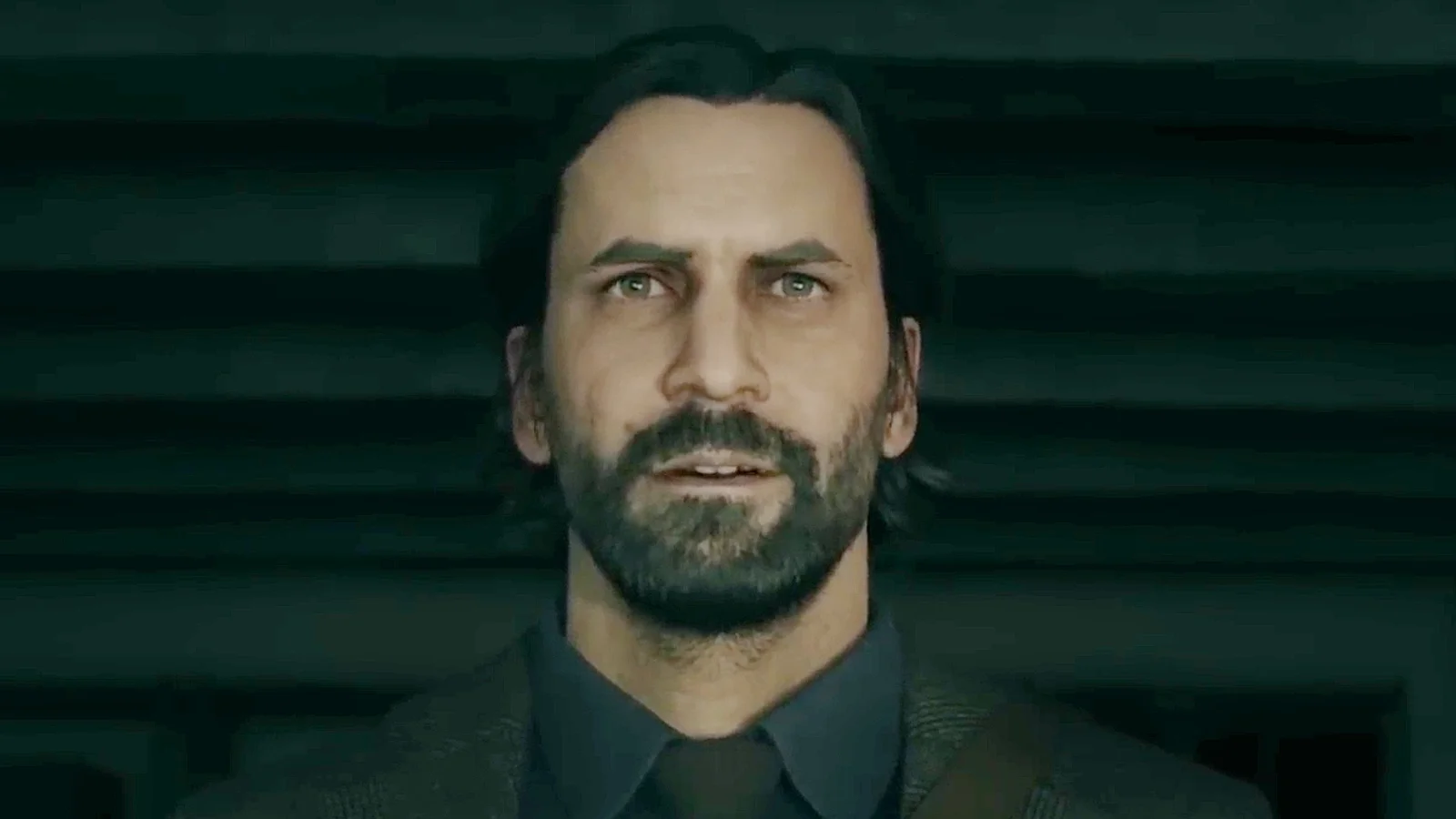
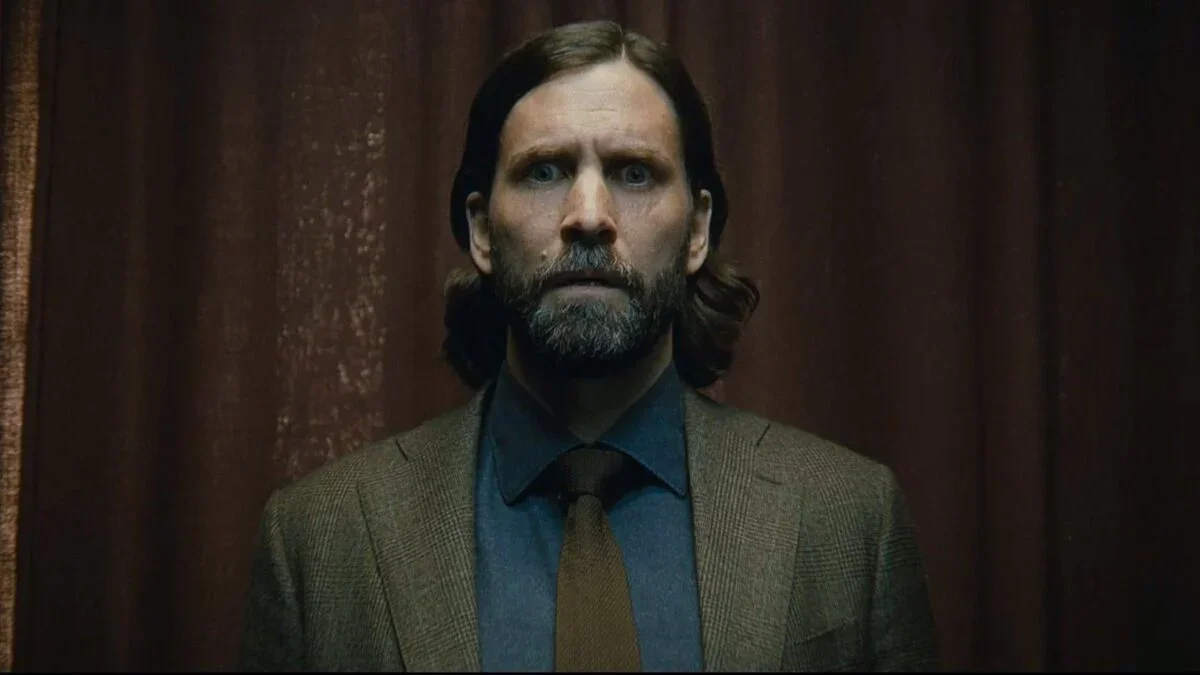
Remed y Entertainment’s CONTROL Resonant, a sequel to the 2019 hit, is planned for release in the second quarter of 2026 after end-2025 investor filings; the game, set in a paranatural Manhattan with Dylan Faden, represents a shift in revenue expectations as Annapurna’s sales share will flow through Remedy. Analysts forecast about 1.8 million copies sold in 2026 and 2.2 million in 2027, building on the original Control’s 5 million copies sold and 20 million players. Insider Gaming notes the release window move from H1 2027 to Q2 2026 and promises further updates as more details emerge, with Alan Wake’s universe still connected to the series.
Remedy pushed back on Larian’s claim that AW2’s finances suffered from missing Steam, saying the Epic publishing deal was fair and that Epic is an excellent partner; AW2 remains an Epic Games Store PC exclusive, and Remedy notes future titles like FBC Firebreak and Control Resonant will launch on both Steam and Epic, signaling a broader publishing strategy beyond AW2’s exclusivity.
Remedy defended its publishing deal with Epic Games for Alan Wake 2, calling the agreement fair after Larian’s Michael Douse criticized Epic’s deals; Remedy notes Epic funded development and that Alan Wake 2 recouped costs in 2025, with revenue split back to Remedy once recoupment finished. The game remains an Epic Games Store exclusive, and Remedy stresses there would be no Alan Wake 2 without Epic, with upcoming titles like Control Resonant and the Max Payne remakes in the works.
Tim Sweeney touted storefront competition as a win for developers and players, even as Remedy’s Alan Wake 2 remains exclusive to the Epic Games Store; Remedy says its Epic publishing deal was fair, though critics argue exclusivity can limit revenue, and speculation about a Steam release persists after a related Steam bundle was renamed.
Baldur's Gate 3’s publishing lead questions Tim Sweeney’s pro-developer stance in the Steam-vs-Epic debate, saying Remedy’s funding of Alan Wake 2 and its delayed profitability illustrate potential revenue losses when a game won’t tap Steam; the piece scrutinizes exclusivity, store viability, and whether the Epic Games Store can reliably deliver for developers and players.
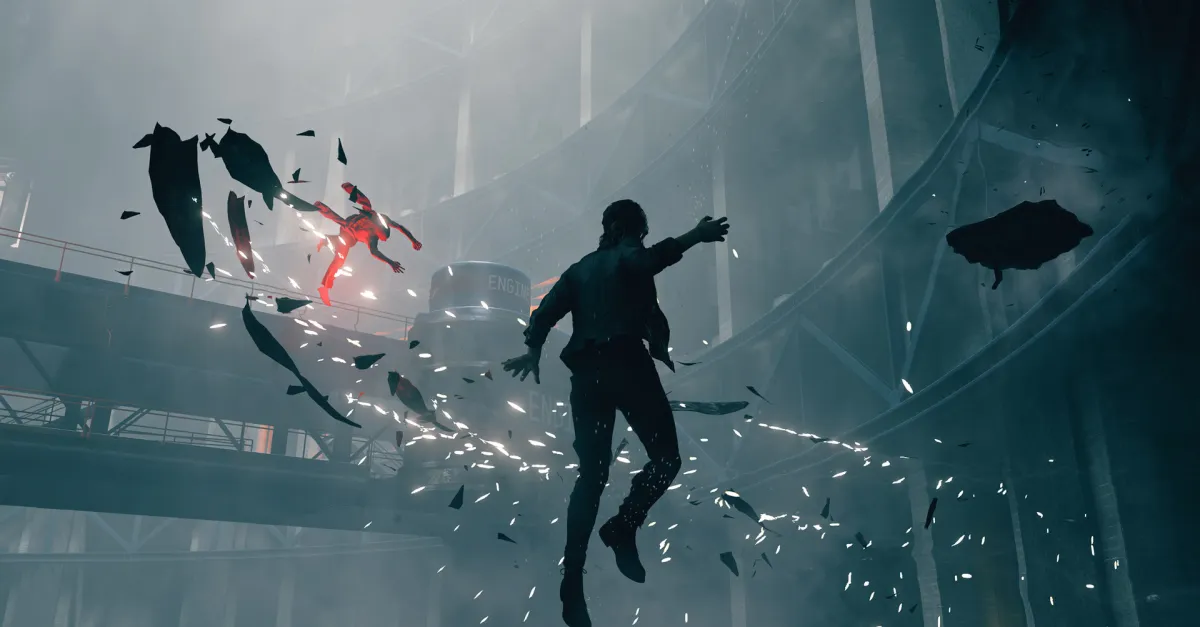
Remedy says Control Resonant will be the biggest, most ambitious game yet—a non-safe sequel moving the story beyond the Oldest House with Jesse Faden’s brother Dylan, expanding to the wider city and prioritizing melee combat, signaling a bold push after Alan Wake 2.
Remedy Entertainment's CEO Tero Virtala has resigned after underperforming sales of the Control spin-off FBC: Firebreak, with Markus Mäki stepping in as interim CEO. The company faces challenges with its live-service game, despite ongoing projects like Control 2 and the Max Payne remake, and Alan Wake 2 becoming profitable a year post-release.
Remedy Entertainment, a Finnish game studio known for surreal narrative titles like Control and Alan Wake, has evolved from a work-for-hire company into a self-reliant, multi-project studio with a focus on owning its creations and expanding into multiplayer and other media. Despite setbacks with some projects, Remedy's strategic shift towards ownership, efficiency, and diversification has positioned it well in the volatile gaming industry, with ongoing projects including a Control sequel, Max Payne remakes, and its first multiplayer game, Firebreak.
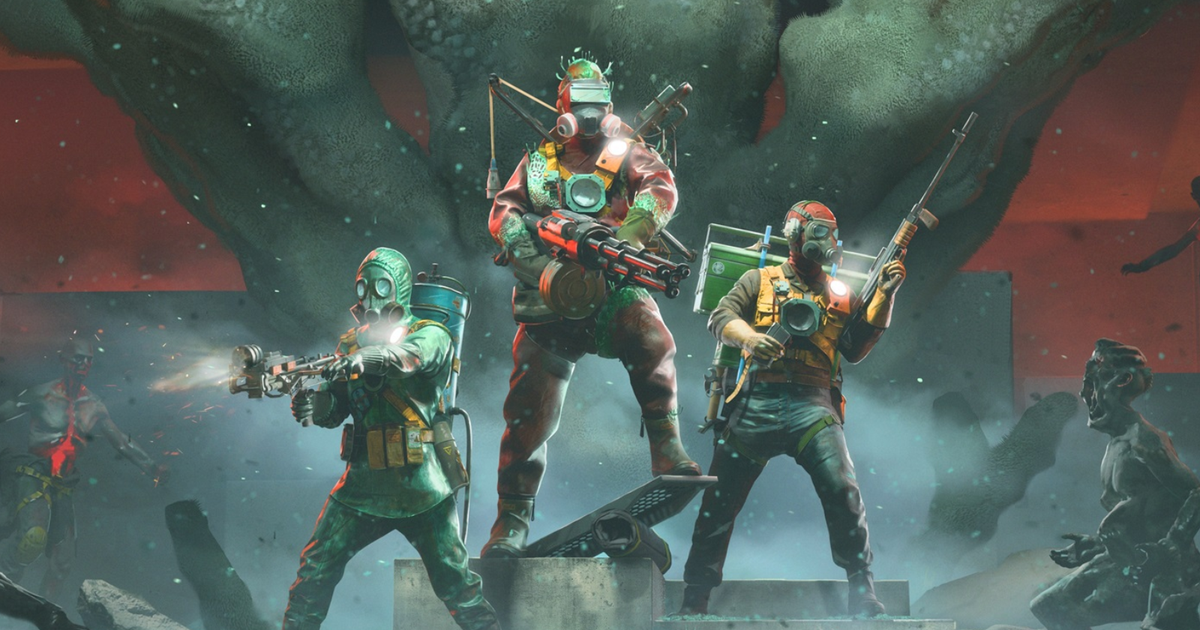
Remedy Entertainment's FBC: Firebreak, which had a rough launch, is set to receive improvements based on player feedback, including better onboarding, easier access to jobs and unlockables, and overall gameplay enhancements through recent patches, with more updates planned to improve the player experience.
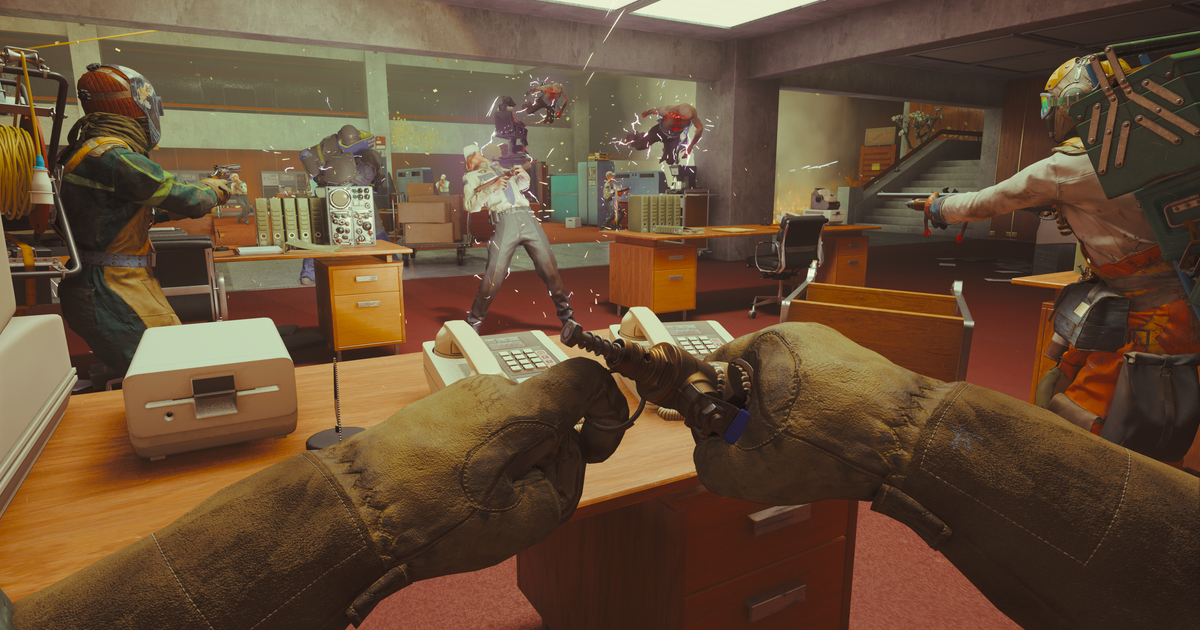
FBC: Firebreak, a co-op shooter set in the Control universe, fails to capture the charm and depth of Remedy's signature world, offering a repetitive, bare-bones experience that lacks the intrigue and progression of the original game, making it unappealing for both fans and new players.
The recent Xbox Game Pass addition, FBC Firebreak, has been a critical and commercial disappointment, with low review scores and minimal player engagement, marking a rare flop for Remedy Entertainment and raising concerns about the value of Xbox's day one offerings in June 2025.