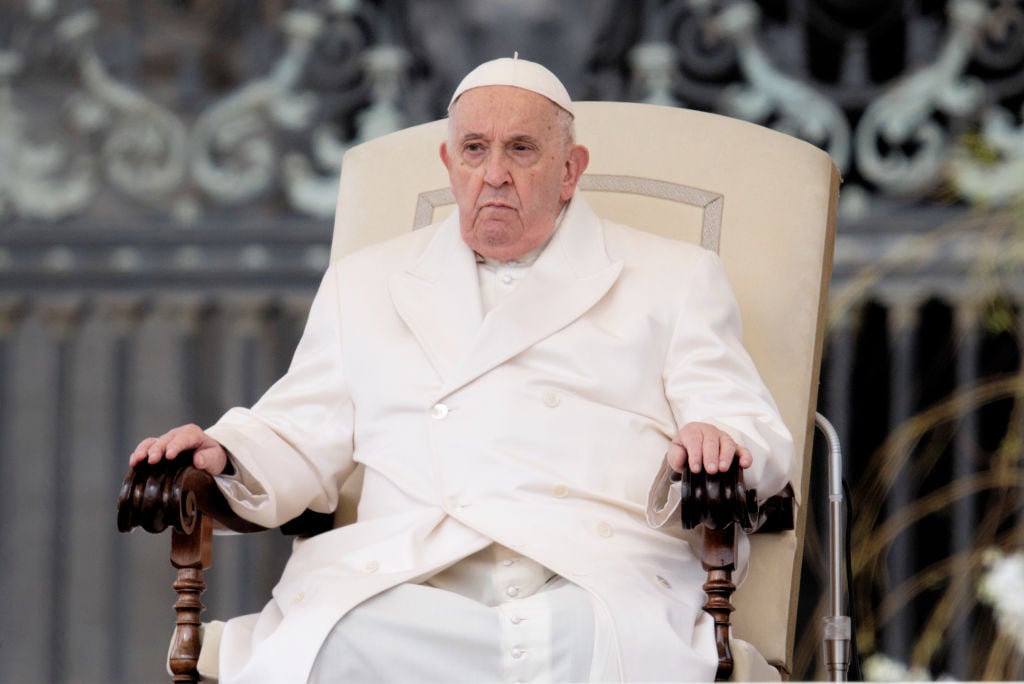
Pope Francis, often seen as a reformer, has been criticized by liberals for the Vatican's opposition to gender reassignment surgeries. Despite his left-leaning political views, he remains a theologically conservative Catholic, condemning abortion and upholding traditional Church doctrines. The combination of social conservatism and left-leaning economic and political views is not uncommon among observant Catholics, reflecting the Church's complex stance on contemporary issues.
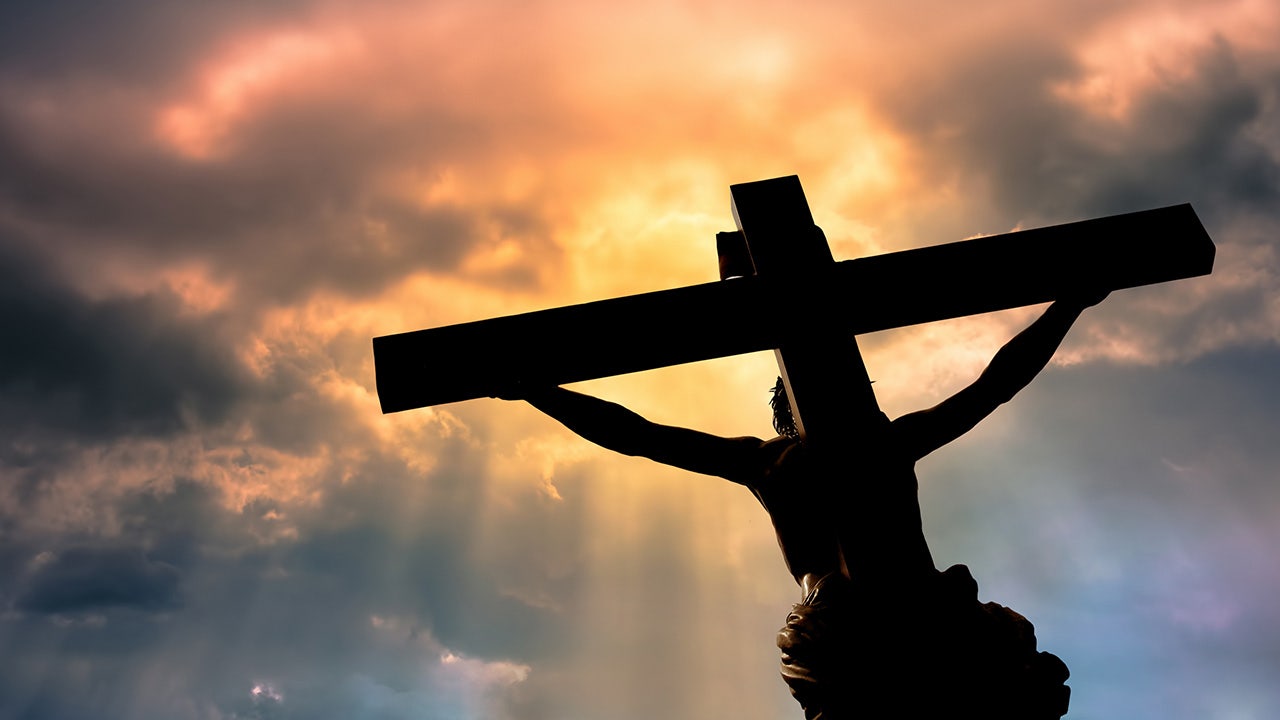
Historian Paula Fredriksen rebukes liberal figures for portraying Jesus as a Palestinian, arguing that it is historically false and inflammatory. She points out that Bethlehem has been under Palestinian rule since 1995 and that modern-day Gaza is hostile to Christians. Fredriksen criticizes the attempt to appropriate Jesus as a Palestinian to attack Israel, stating that it rips Jesus out of his Jewish context and perpetuates hate against Jews. She also refutes claims made by Rep. Alexandria Ocasio-Cortez and Catholic priest Father Edward Beck, emphasizing the importance of historical accuracy and context in discussions about Jesus and the Holy Land.
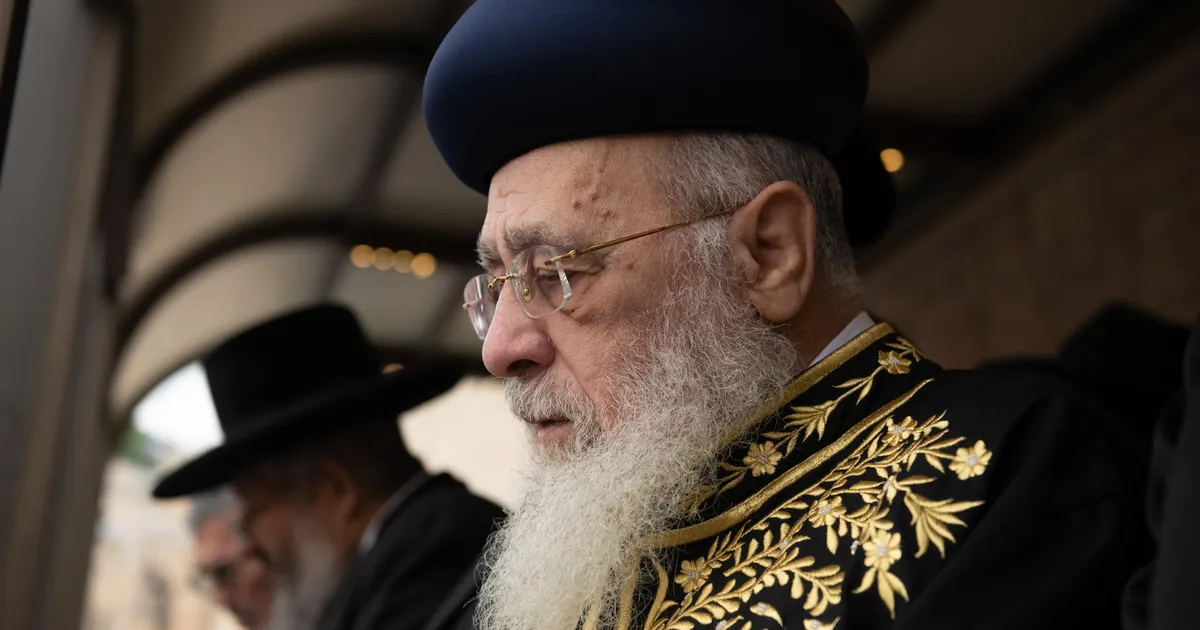
Israel's Ashkenazic Chief Rabbi David Lau indirectly criticized his Sephardic counterpart, Rabbi Yitzhak Yosef, for suggesting a potential mass departure of haredi Jews if forced to join the IDF. Lau expressed support for IDF soldiers at the funeral of Captain Daniel Peretz, emphasizing their dedication to protecting Israel, Torah, and the land. Yosef's controversial remarks on Torah study's critical role and potential exodus sparked widespread criticism, with religious and political figures condemning any statements encouraging avoidance of IDF service.
Sephardi Chief Rabbi Yitzhak Yosef's recent threat that yeshiva students would leave Israel rather than serve in the army reflects a new low in the Haredi community's attitude towards wartime Israel, highlighting his lack of impact on Israeli society during his 11-year tenure.
Chief Rabbi Yitzhak Yosef of Israel has threatened a mass exodus if Haredim are forced into military service, emphasizing the critical role of Torah study in Israel's success and survival. His remarks have sparked controversy and drawn responses from various religious and political figures, with some condemning the threat and emphasizing the importance of defending the nation through military service.
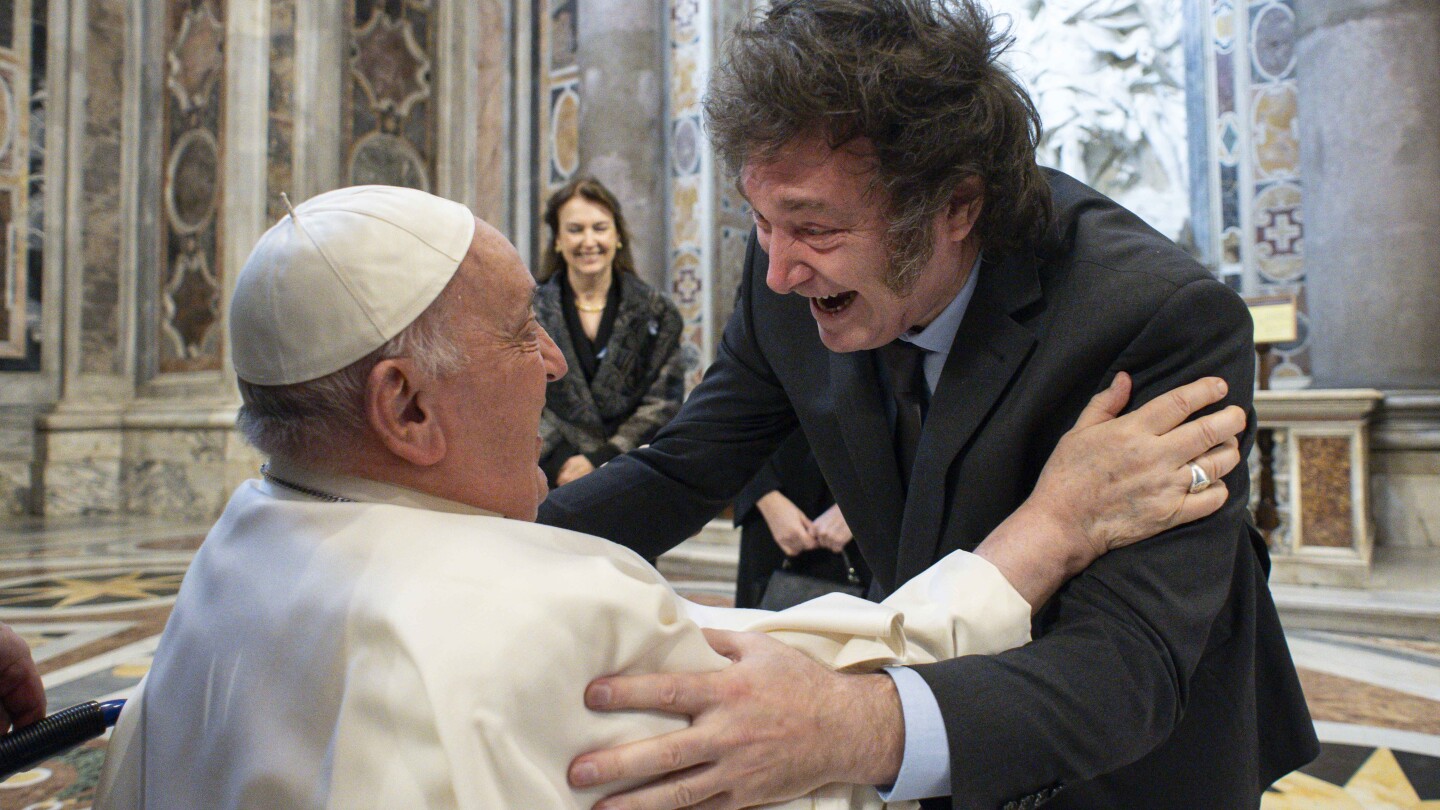
Pope Francis and Argentine President Javier Milei embraced during a Mass to canonize Argentina's first female saint, Mama Antula, marking the first meeting between the two. Milei, who once criticized Francis, waved to supporters and posed for selfies at the ceremony. In his homily, Francis praised Mama Antula as a model of charity and urged the faithful to help the poor. Milei is set to meet privately with Francis and Italy’s far-right Premier Giorgia Meloni. Mama Antula, an 18th century laywoman, is beloved in Argentina for spreading Ignatian spirituality.
Argentina's President Javier Milei and Pope Francis met for the first time at the canonisation of Argentina's first female saint, Mama Antula. The meeting comes amid political uncertainty and economic crisis in Argentina, with Milei advocating for drastic economic measures. The president, who had previously criticized the Pope, has softened his stance and is seeking to address the country's deep economic challenges.
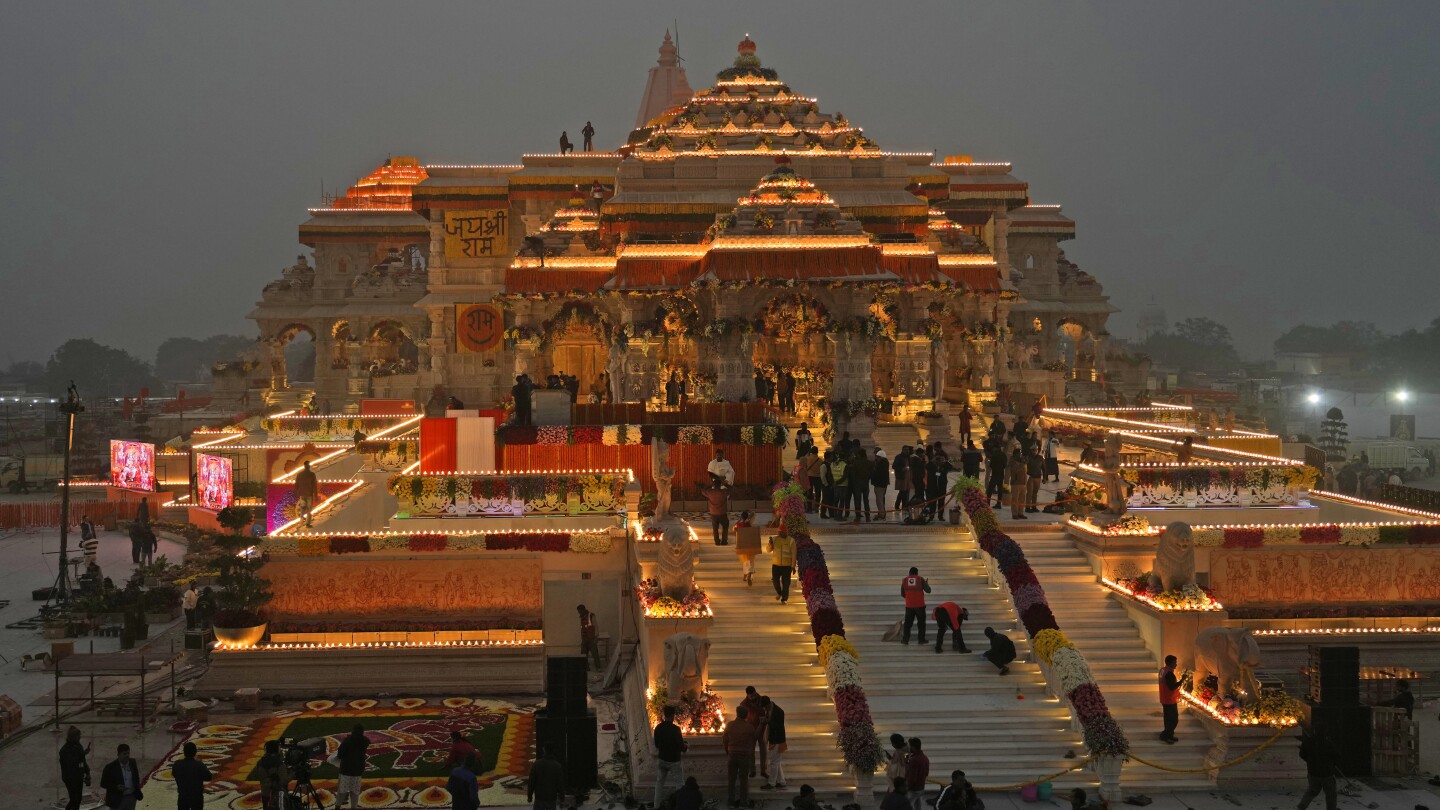
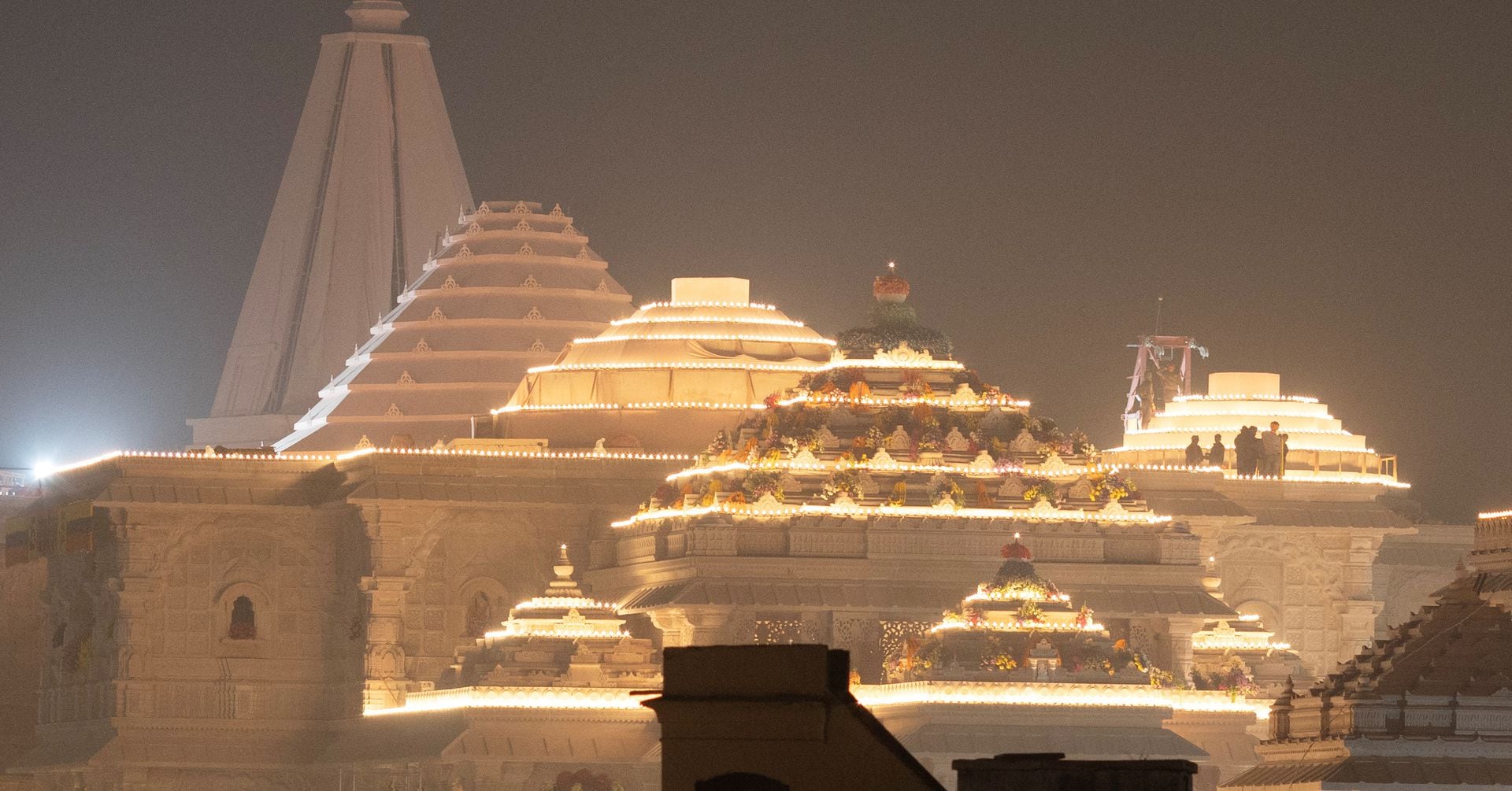
Ayodhya's grand temple for Lord Ram is set to partially open, with influential figures like Prime Minister Narendra Modi, industrialists Mukesh Ambani and Gautam Adani, and Bollywood superstar Amitabh Bachchan attending. The temple, built over a razed mosque, has sparked controversy and political opposition, with critics boycotting the opening as a move to appeal to Hindu voters ahead of the upcoming general election. The temple, costing $217 million, is adorned with intricate carvings and a 1.3-meter dark stone sculpture of Ram, and is expected to attract an estimated 100,000 daily visitors after the consecration ceremony.
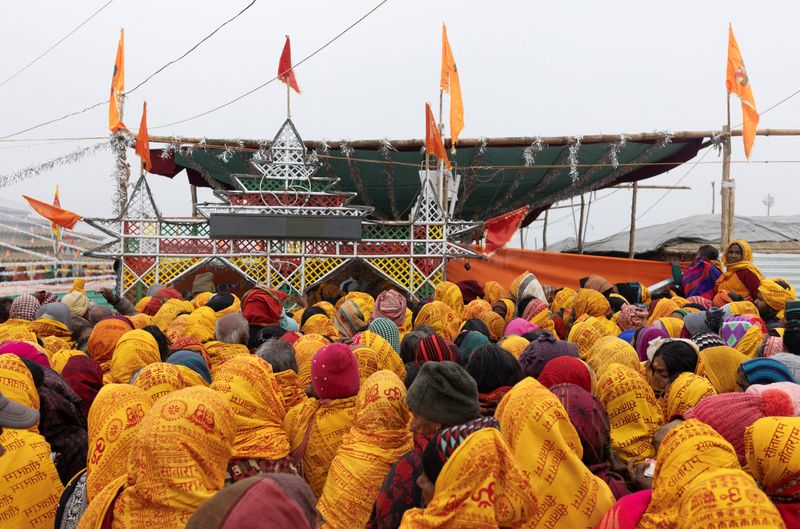
India's Prime Minister Narendra Modi is set to lead the inauguration of a grand temple to Hindu god Lord Ram in Ayodhya, a site believed to be his birthplace, in a religious spectacle ahead of upcoming elections. The construction of the temple fulfills a 35-year-old promise of Modi's Hindu nationalist Bharatiya Janata Party (BJP) and has been a contentious political issue. The event is seen as a peak of Hindu awakening and the launch of Modi's re-election campaign, drawing both religious fervor and political controversy.
Prime Minister Narendra Modi is set to lead the inauguration of a grand temple to Hindu god Lord Ram in Ayodhya, India, fulfilling a 35-year-old promise of his Hindu nationalist Bharatiya Janata Party. The event is seen as a religious spectacle and the launch of Modi's re-election campaign, sparking both religious fervor and political controversy. The temple's construction on a disputed site, contested by Hindus and Muslims, has been a contentious issue, with the Supreme Court ultimately ruling in favor of Hindus. The inauguration has drawn emotional outpouring among Hindus, while opposition parties have declined invitations, and Muslim groups have expressed acceptance of the court verdict.
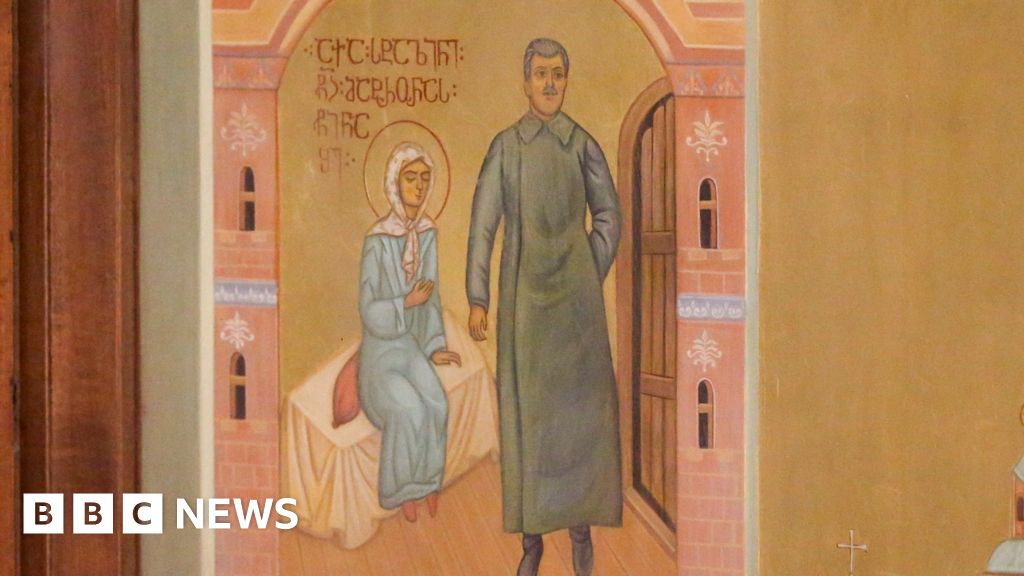
The Georgian Orthodox Church has called for changes to an icon in a Tbilisi cathedral depicting Soviet dictator Joseph Stalin being blessed by a Russian Orthodox saint, citing "insufficient evidence" of their meeting. The icon, gifted by a pro-Russian political party, has sparked controversy, with an activist recently spraying it with paint in protest. The Church emphasized that an icon can depict real stories related to the saint's life, but it does not mean glorifying or attributing dignity to the figures depicted. Stalin's complex legacy in Georgia reflects conflicting views, with some rejecting the Soviet legacy while others still view him with pride for his rise from humble origins.