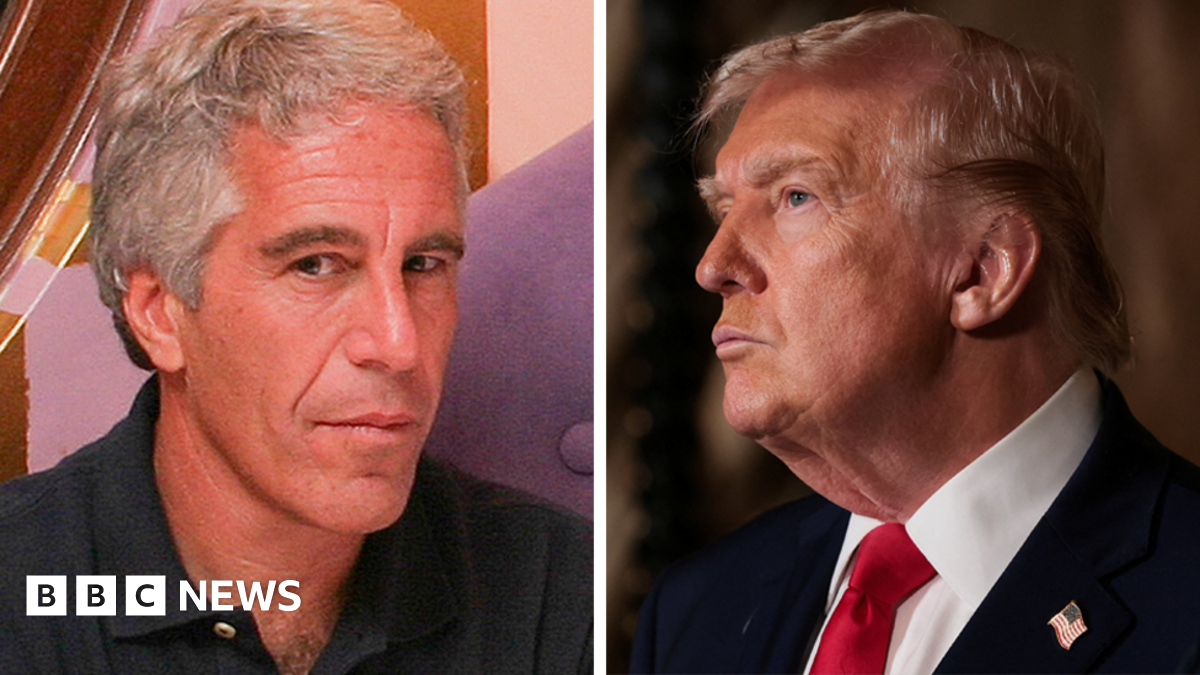
Late-night hosts mock Trump’s unusually long State of the Union, calling it a vehicle to attack dissent, while a New York Times report on redacted Epstein-era FBI interviews—some involving Trump—highlights fresh questions about transparency and investigations.
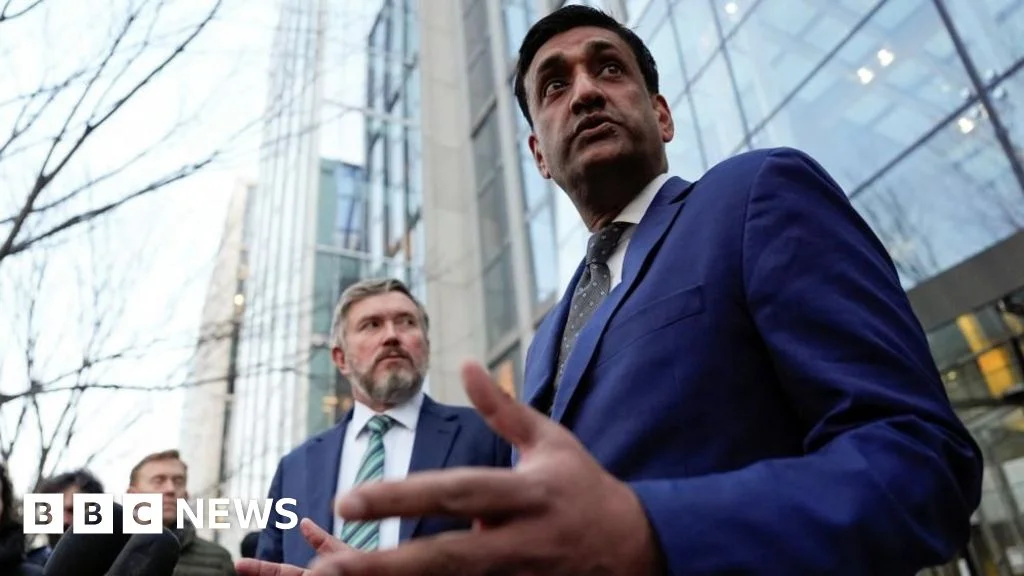
US Rep. Thomas Massie, after viewing an unredacted Epstein file, says six names are likely incriminated and hints he could publicly reveal them under congressional privilege if the DOJ keeps redacting. The episode underscores calls for fuller disclosure of Epstein connections, as lawmakers push for the Epstein Files Transparency Act, scrutinize ties like Howard Lutnick’s, and debate extending statutes of limitations on certain sexual offenses; Maxwell declined to testify.
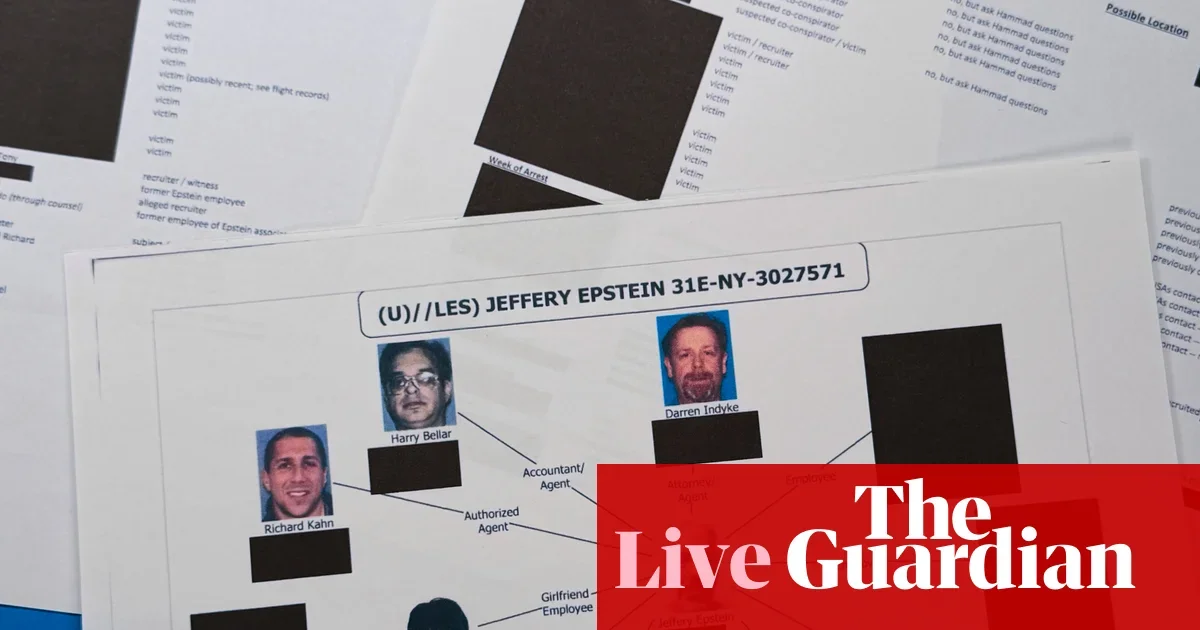
U.S. lawmakers reviewing Epstein-related materials released under the Epstein Files Transparency Act say the DOJ posted unredacted files with improper redactions, alleging the FBI scrubbed documents in March to hide names of potential co-conspirators and victims’ identities. The DOJ defends its edits, saying non‑victim names were unredacted and that it remains committed to transparency as lawmakers continue the review of roughly three million pages.
Survivors of Jeffrey Epstein star in a World Without Exploitation ad calling for the full release of remaining Epstein files. The DOJ has released some records but many are redacted or withheld, with about 3 million still unreleased under the Epstein Files Transparency Act signed in November 2025. The 40-second spot aired online during Super Bowl weekend due to cost, while Maxwell is set to testify before Congress; officials insist there is no hidden tranche of information despite questions about delays.
The Justice Department will let members of Congress access unredacted copies of the Epstein-related documents publicly released, including more than 3 million files. Access begins Feb. 9 in a DOJ reading room in Washington, from 9 a.m. to 6 p.m. weekdays. Members must submit at least 24 hours’ notice and cannot bring electronic devices, though notes are allowed. The move aims to demonstrate compliance with the Epstein Transparency Act amid concerns about redactions.
The Justice Department released about 3–3.5 million Epstein investigative pages under the Epstein Files Transparency Act but missed the December deadline, fueling renewed accusations that millions more records remain withheld and accountability is eluding victims and lawmakers. DoJ officials say they identified over 6 million potentially responsive pages, but many were deemed duplicates or non-responsive, with redactions and explanations published; critics—victims’ advocates, judges’ allies, and FOIA plaintiffs—call it a cover-up and are pressing for fuller disclosure, including details on immunity deals and the 2007 probe.
The DOJ published about 3.5 million Epstein-related documents, but critics say redactions and incomplete disclosures leave major questions unanswered about accomplices, the timing of investigations, and ties to powerful figures; lawmakers argue privacy rules were not properly applied and more records should be released, while officials say a Congressional report will justify redactions and outline further releases.
Deputy AG Todd Blanche says prosecutors’ review of the Epstein-Maxwell sex-trafficking case is over, stressing victims deserve redress but insisting prosecutors won’t manufacture evidence; Democrats say the DOJ’s release of Epstein files has been incomplete, with lawmakers urging full transparency and accountability as questions linger over redactions and who is named in the documents.
House Democrats urge an urgent, standards-based review of the unredacted Epstein investigative files to ensure redactions comply with the Epstein Files Transparency Act, arguing that millions of pages released still conceal material and may improperly shield victims or sensitive details; the push comes amid ongoing disclosures about Epstein’s discussions with prosecutors regarding potential cooperation before his 2019 death and related high-profile associations.
The DOJ has released more than three million Epstein-related pages—about 3.5 million after review—with 2,000 videos and 180,000 images, fulfilling a 2025 law on public disclosure. The dump, delivered after a Dec. 19 deadline passed, involved roughly 500 attorneys and included redactions for privacy and privileges; officials say the process was thorough and aimed at transparency. Democrats criticized the release as limited, and lawmakers may push for additional materials (e.g., FBI 302 statements, a draft indictment) that could surface later via court orders. No national security redactions were used, and the department says it has completed its statutory obligations, though further materials could still be released to Congress or through court action.
The DOJ released another tranche of Jeffrey Epstein files, drawing criticism from victims’ advocates who say redactions were insufficient and privacy was violated; the release includes Maxwell-related materials and 302 interview forms, with some items withheld due to ongoing investigations, while Congress can review unredacted versions.
The Department of Justice, led by Deputy Attorney General Todd Blanche, released over 3 million Epstein-related pages—including more than 2,000 videos and 180,000 images—with extensive redactions. About 6 million pages were identified as potentially responsive across Epstein, Maxwell, related investigations, and death inquiries over two decades. Roughly 200,000 pages were withheld for privileges, while the DOJ opened an inbox for victims to report redaction concerns and will allow Congress to view unredacted portions under confidentiality agreements.
The Southern District of New York’s premier prosecutors’ office is consumed by reviewing and redacting more than two million Jeffrey Epstein files, with about 125 SDNY lawyers and hundreds from the DOJ working on the effort—often on weekends—potentially delaying other high‑profile cases while officials stress the work is needed to protect victims and ensure proper disclosures.
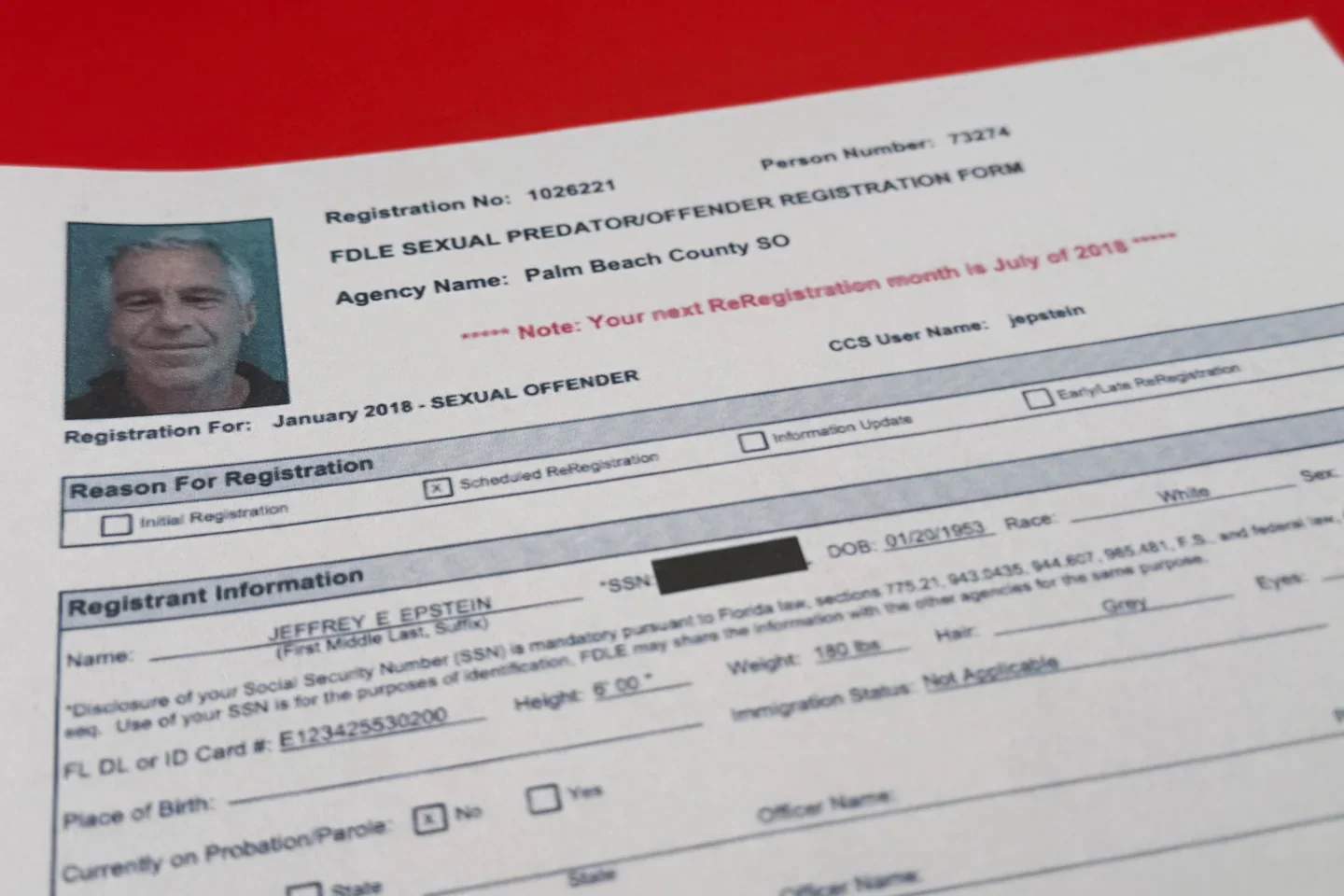
Recent US Department of Justice releases reveal Donald Trump as a passenger on eight flights on Jeffrey Epstein's private jet between 1993 and 1996, with some flights involving other notable figures. The files, heavily redacted to protect victims and ongoing investigations, include images of Epstein's passports and photos of various celebrities and political figures, but do not imply wrongdoing. Trump has denied any misconduct and stated the photos are from innocent social encounters. The release of these files continues to generate public and political interest.
Survivors and Clinton are demanding more transparency from the DOJ regarding Epstein files, which are heavily redacted and incomplete, obscuring the full scope of Epstein's crimes and connections to powerful individuals. The DOJ has released some files but continues to withhold others, citing ongoing investigations and protection of victims.