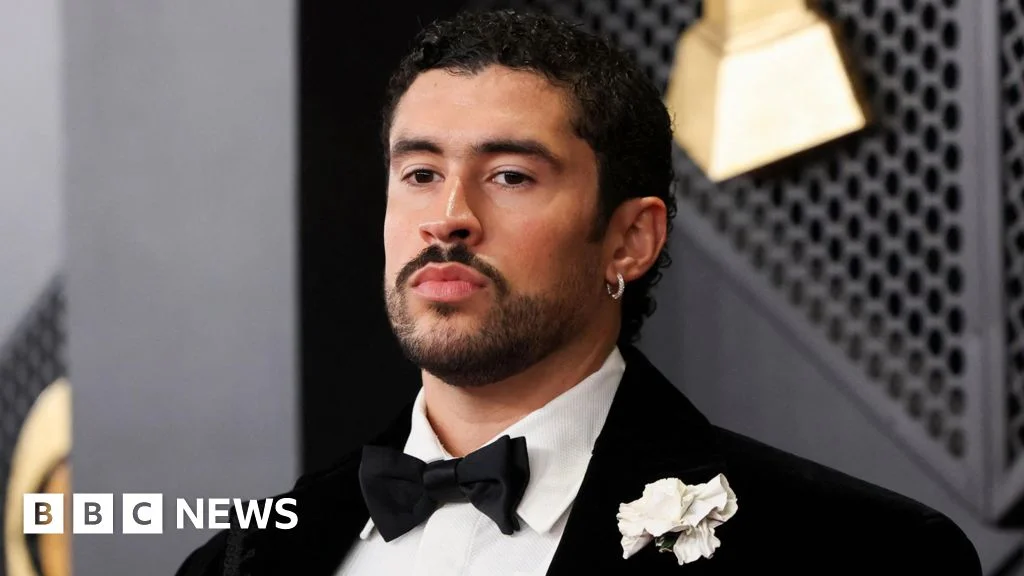
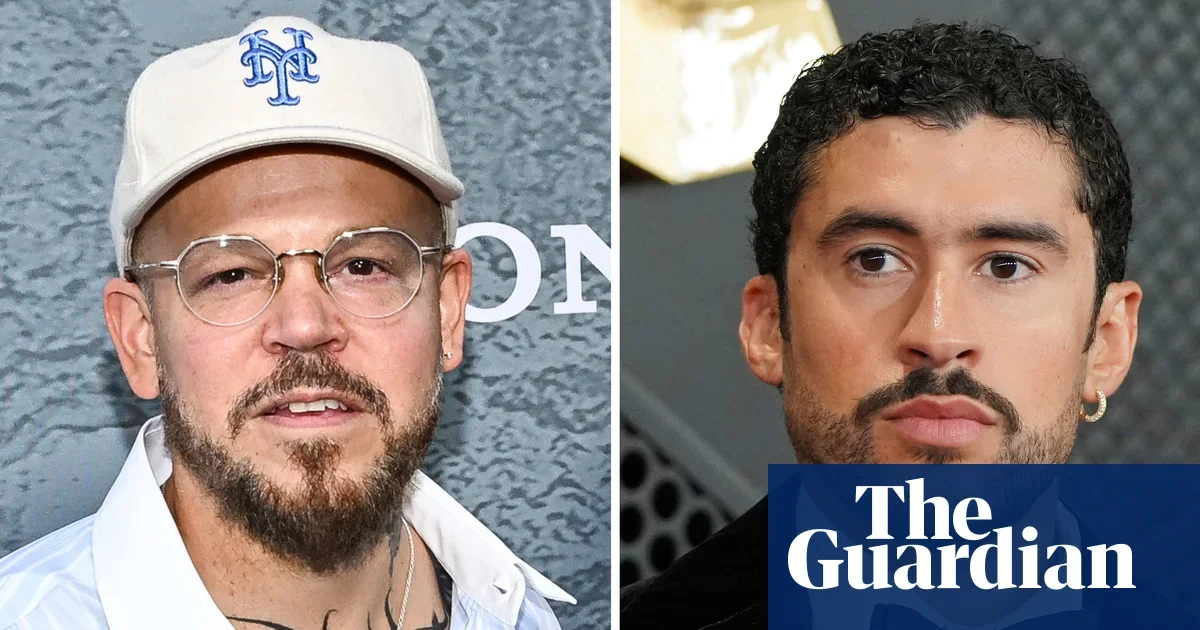
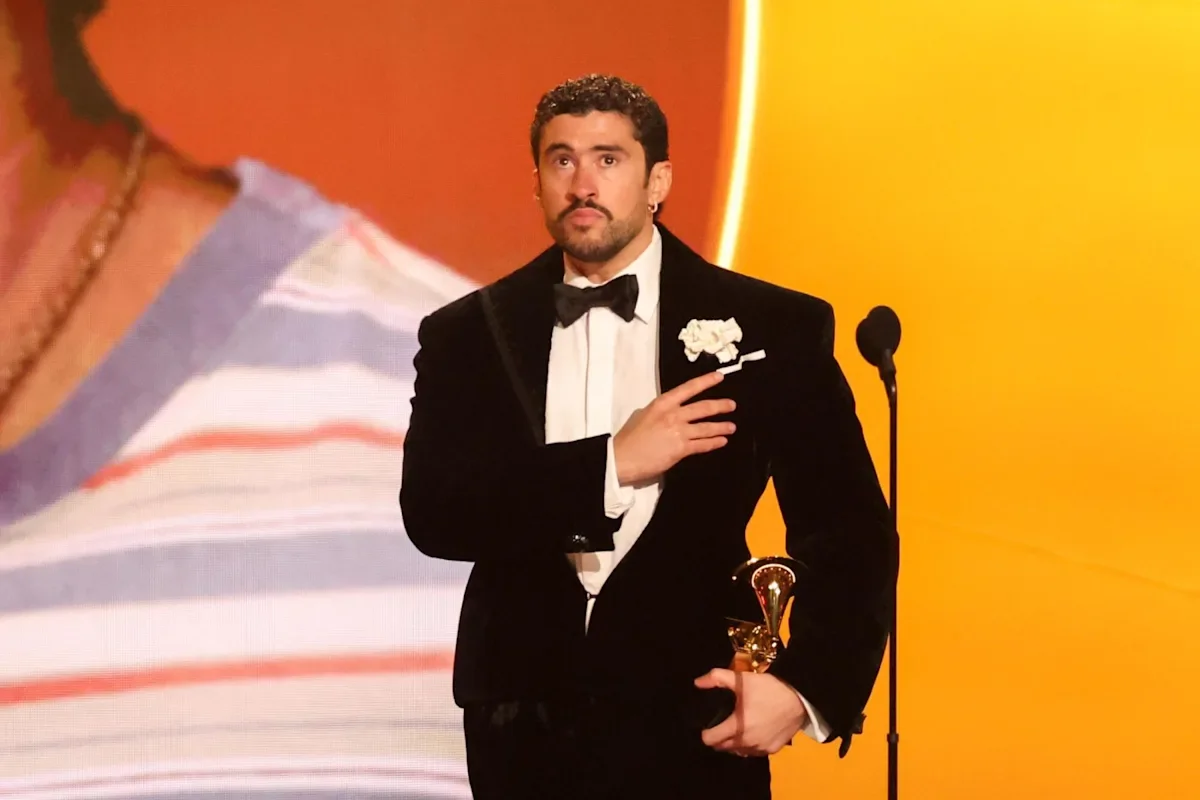
Bad Bunny will headline Porto Rico, his first lead role, in a Puerto Rico–themed drama inspired by revolutionary Águila Blanca (José Maldonado Román). The film is directed by Residente, co-stars Edward Norton and Javier Bardem, and is executive produced by Alejandro G. Iñárritu; development began in 2023.
Bad Bunny will star in Porto Rico, his first lead acting role, in a historical drama about José Maldonado Román (Águila Blanca) and the 1897 Yauco Uprising. Directed by Residente, the film also features Viggo Mortensen, Javier Bardem and Edward Norton, with Alejandro G. Iñárritu as executive producer. The project mixes historical scope with a visceral, lyrical approach and marks a major step in Bad Bunny’s acting career.
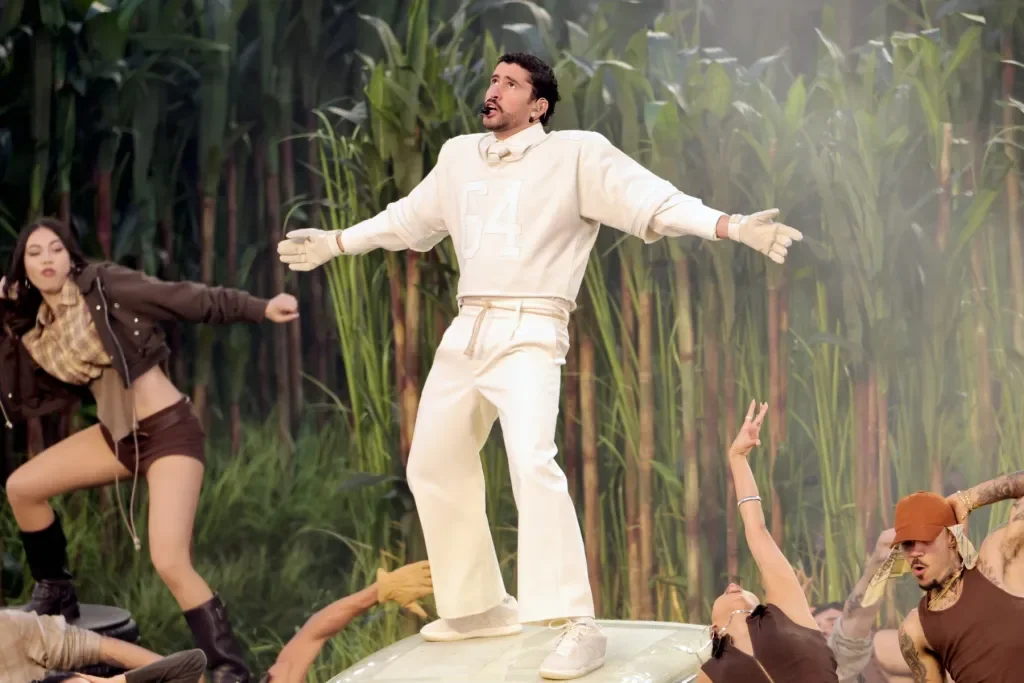
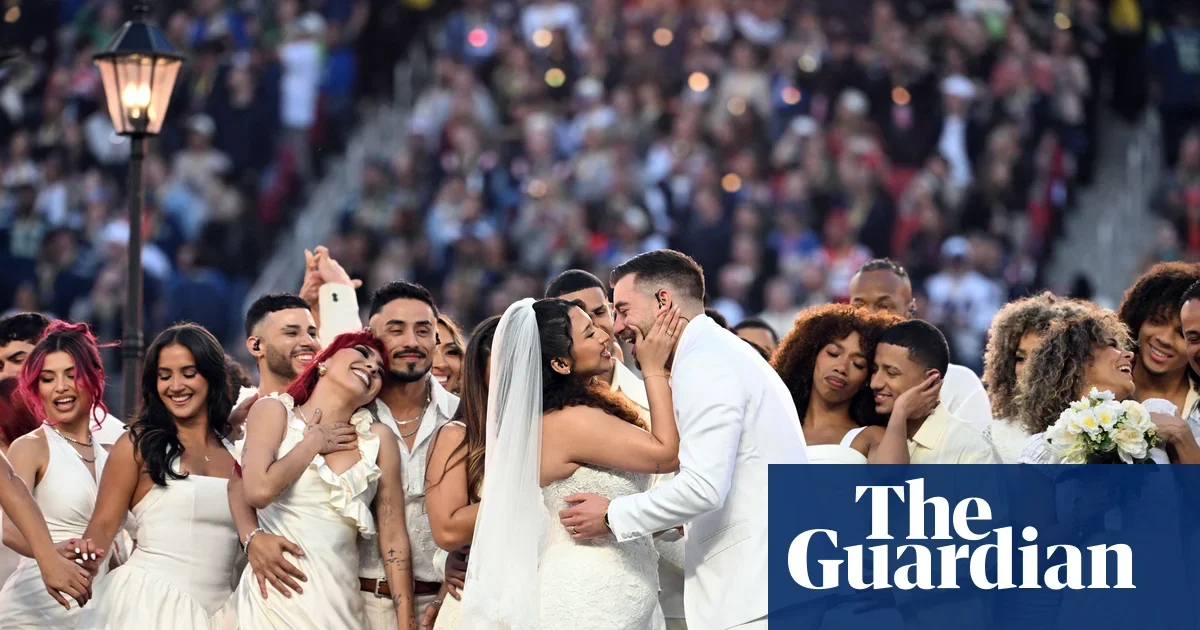
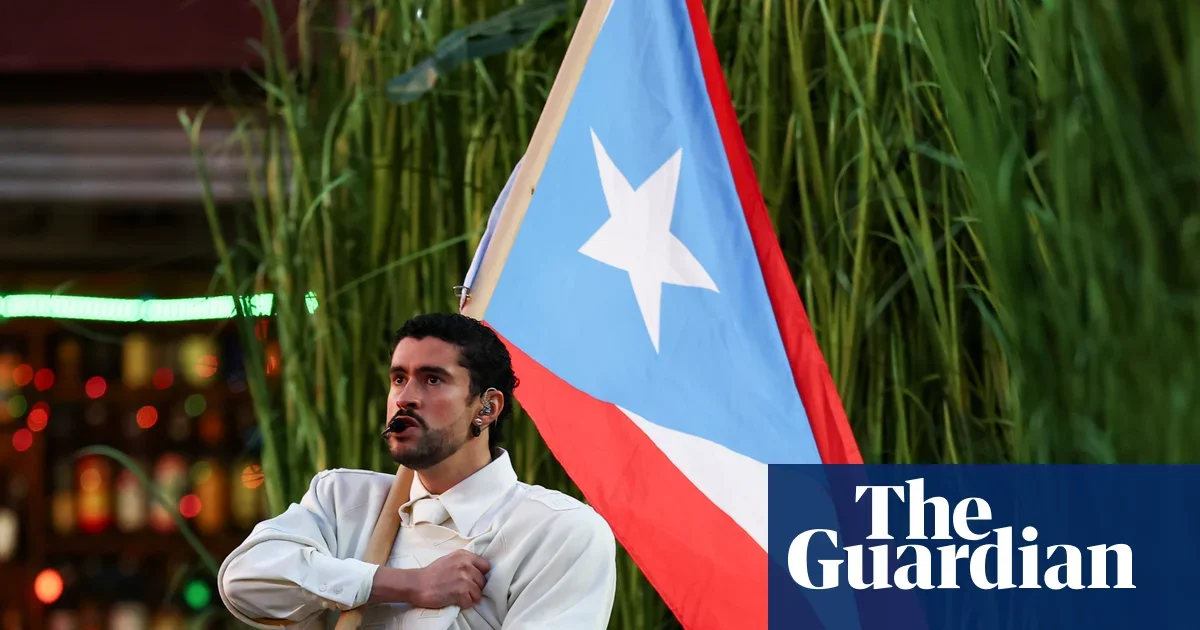
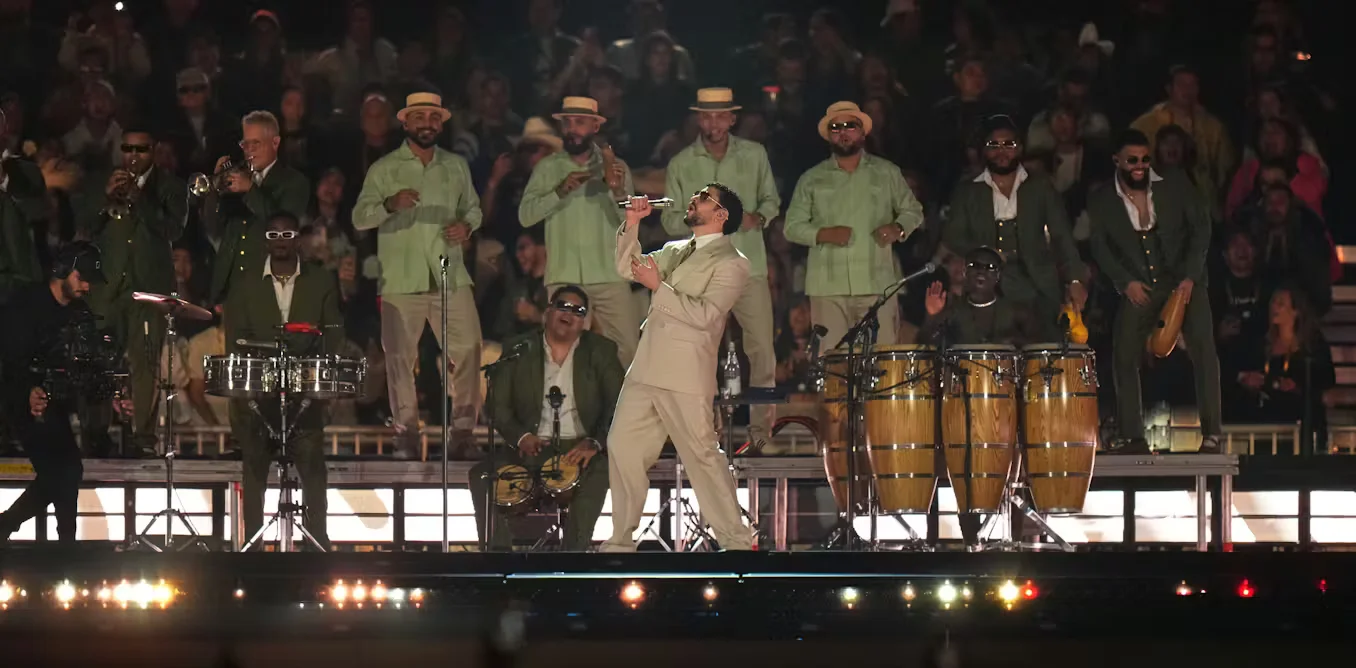
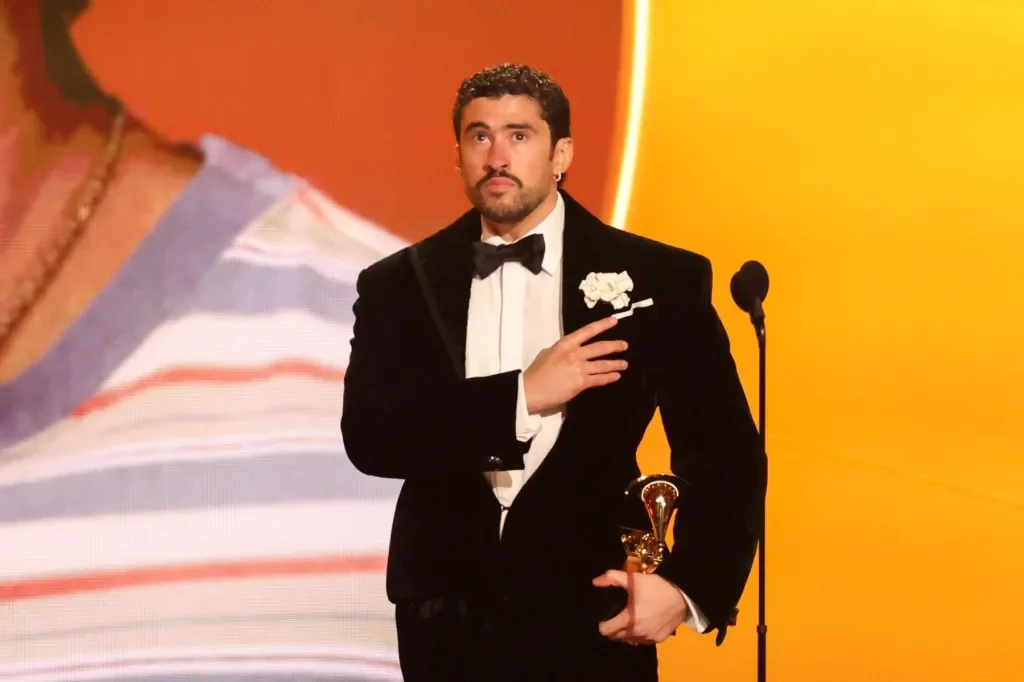
Billboard decodes Bad Bunny's Super Bowl LX halftime as a 13-minute celebration of identity and unity, weaving Puerto Rican history and culture—from sugar-cane fields and La Casita to El Apagón and Nuyorican life—into a star-studded performance that includes a wedding on stage, a Grammy tribute to a young fan, and a closing 'Together We Are America' message.
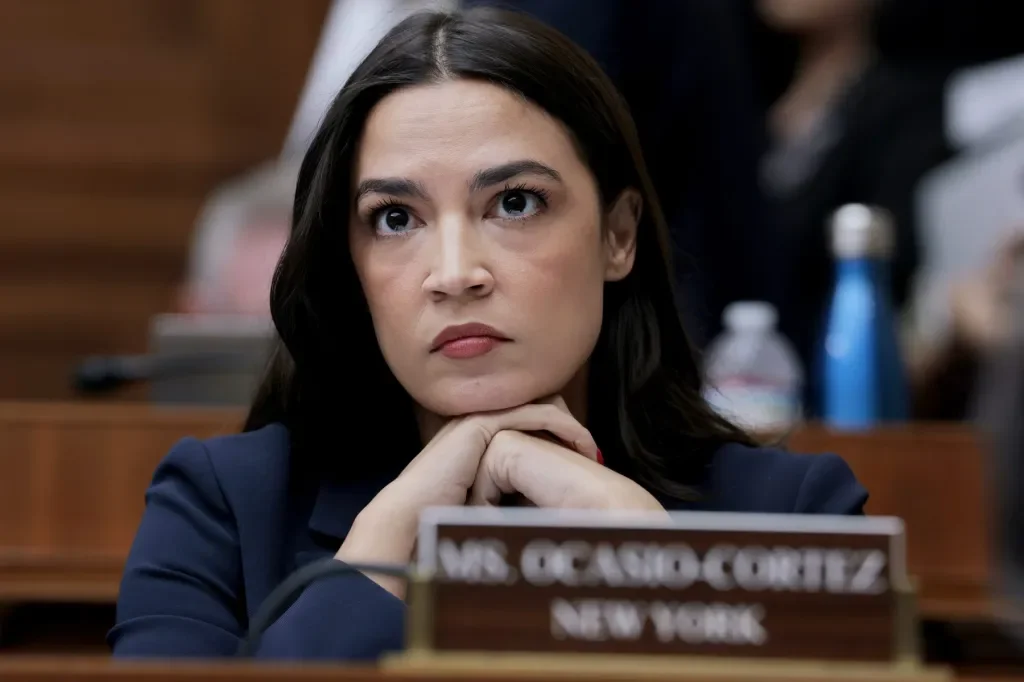
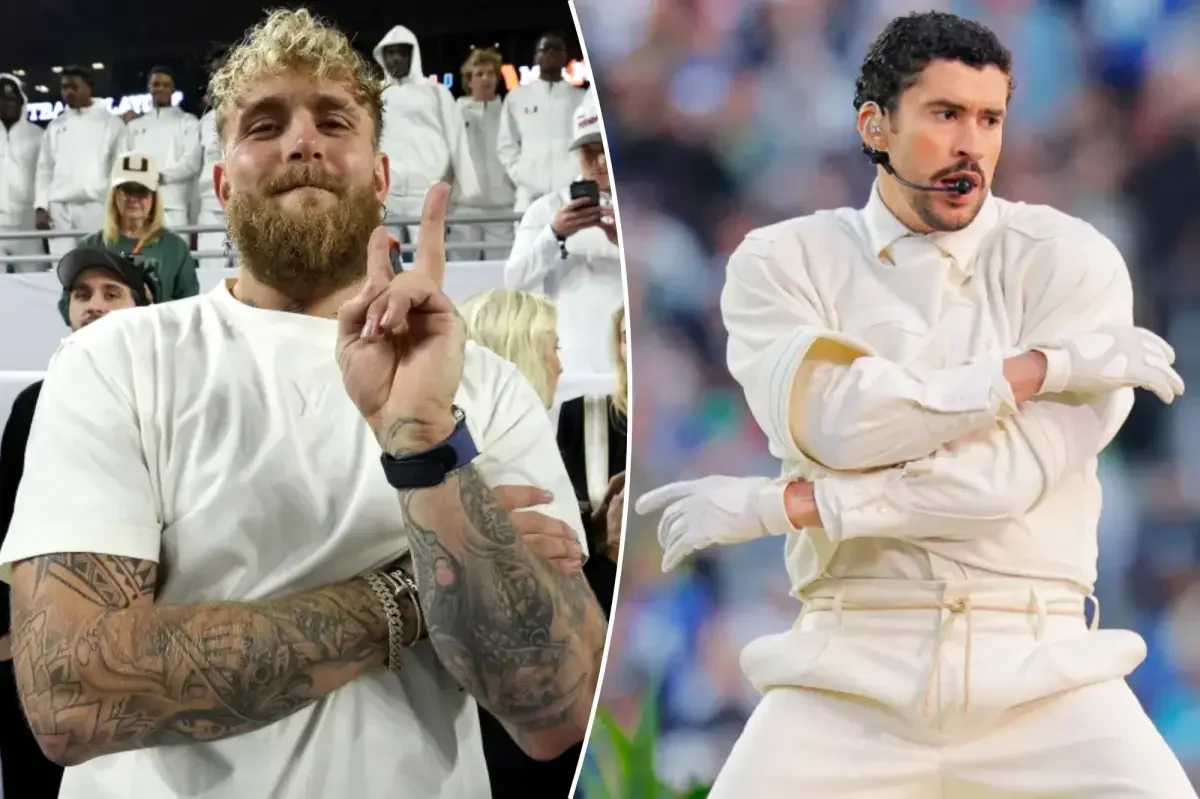
Rep. Alexandria Ocasio-Cortez slammed Jake Paul after he labeled Bad Bunny a “fake American citizen,” highlighting Bad Bunny’s citizenship and charitable work while noting Paul’s own backlash and clarification after the remark; the dispute followed the Super Bowl halftimeshow controversy and broader debates over national identity.
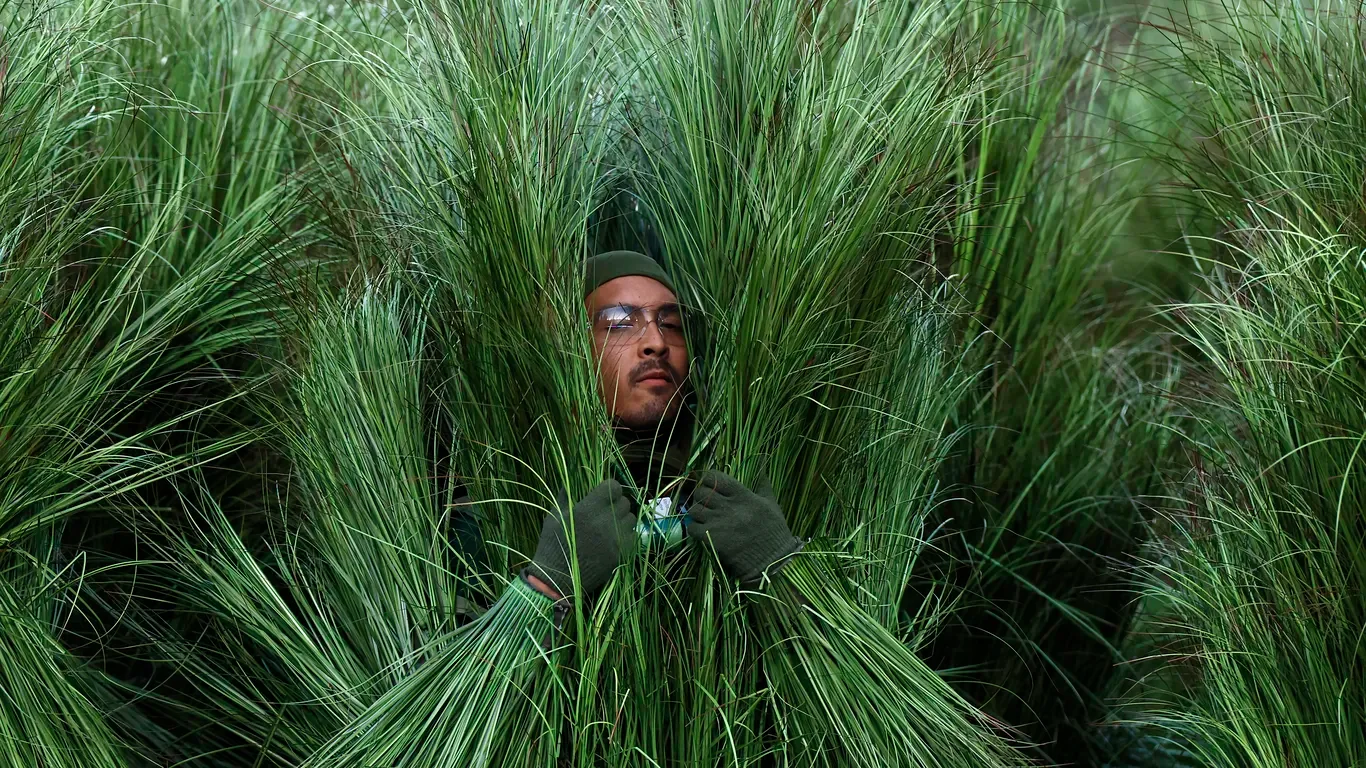
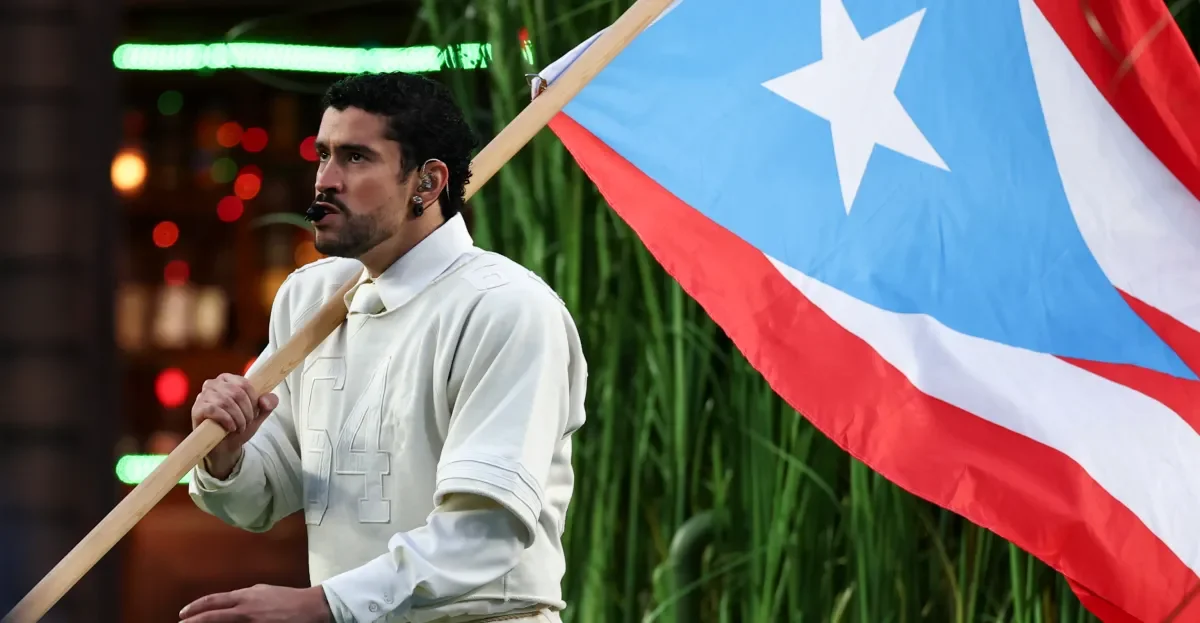
Over 350 performers in grass costumes flooded Levi's Stadium’s field at the end of the first half, turning Bad Bunny's halftime into a moving Puerto Rican village with sugarcane fields, farmers, and food carts for a memorable, visually lush moment.
During Bad Bunny’s 13-minute Super Bowl halftime show at Levi’s Stadium, the wedding shown on stage was real—the couple was actually married, Bad Bunny served as a witness and signed their marriage certificate, and there was a real cake as part of a Puerto Rico–themed celebration.
Trump-aligned MAGA critics blasted Bad Bunny’s mostly-Spanish Super Bowl LX halftime, arguing the performance did not represent America even as many fans praised it as a vibrant Puerto Rican celebration; Trump questioned why English wasn’t spoken, while MAGA allies and pundits attacked the singer and urged action or promoted an alternative Kid Rock halftime show, highlighting ongoing immigration and identity politics surrounding the event.
Bad Bunny’s 13-minute Super Bowl halftime show blended Puerto Rican culture with cinematic set pieces, drew about 135.4 million viewers, and sparked a mixed wave of praise from celebrities (including Lady Gaga, Ricky Martin, Cardi B) and political figures, while drawing criticism from Donald Trump and other conservatives.
Jake Paul says he didn’t call Bad Bunny a fake citizen; he lives in Puerto Rico and loves it, but argues Bunny’s criticism of the U.S. reflects ‘fake’ values, not citizenship, and reiterates support for Puerto Rico and America.
Vox’s Izzie Ramirez breaks down eight standout moments from Bad Bunny’s Super Bowl LX halftime show, the first to be performed entirely in Spanish, highlighting Puerto Rican history, diaspora pride, and political undercurrents. Highlights include the jersey’s 64 reference to Maria’s death toll, the casita as a symbol of housing and emigration struggles, a “Nuevayol” moment with Toñita representing New York’s Puerto Rican community, a child receiving a Grammy amid ICE rhetoric, jibaros on powerlines symbolizing post-hurricane changes and gentrification, Ricky Martin revisiting “Lo Que Paso a Hawaii” as cultural reclamation, the light-blue flag linked to independence movements, and a closing tribute to all the Americas with a unifying message of love over hate.
The piece argues that backlash to Bad Bunny’s Super Bowl halftime show illustrates how MAGA politics defines who belongs in America through borders that include race, language and gender—beyond citizenship—while tracing Latino history, Puerto Rico’s status, and ICE-era tensions to show belonging is policed; Bad Bunny’s advocacy for Puerto Rico and LGBTQ+ rights and his global success challenge these gatekeeping norms on a national stage.
The Office of the Director of National Intelligence collected and analyzed electronic voting hardware in Puerto Rico as part of a broader, Trump-backed push to investigate alleged election irregularities. ODNI described findings as “extremely concerning” about cybersecurity and deployment practices, but provided no public evidence. Federal agents facilitated the turnover of equipment for analysis. Experts say such hands-on testing is unusual and note standard safeguards (paper ballots and audits) that support election integrity. ODNI says it will share findings with agencies that can act to improve security; Reuters reported the probe occurred last spring and no additional public results have been released.
Ricky Martin published an open letter in El Nuevo Día praising Bad Bunny for his Grammys wins, including album of the year for Debí Tirar Más Fotos, and commending him for staying true to his Puerto Rican roots and language. He lauded Bad Bunny’s immigrant-identity speech and described the achievement as a cultural and human victory, noting it marks a historic all-Spanish Grammys triumph and highlighting the artist’s upcoming Super Bowl halftime performance.
Ricky Martin published an open letter in El Nuevo Día congratulating Bad Bunny on his Grammys haul, including album of the year for Debí Tirar Más Fotos, and praising his commitment to Spanish and Puerto Rican roots. Martin lauded Bad Bunny’s stance on immigration and authenticity, noting that his success shows you don’t have to soften language or erase identity to achieve global recognition, calling it a cultural and human victory for a generation that stays true to its roots.
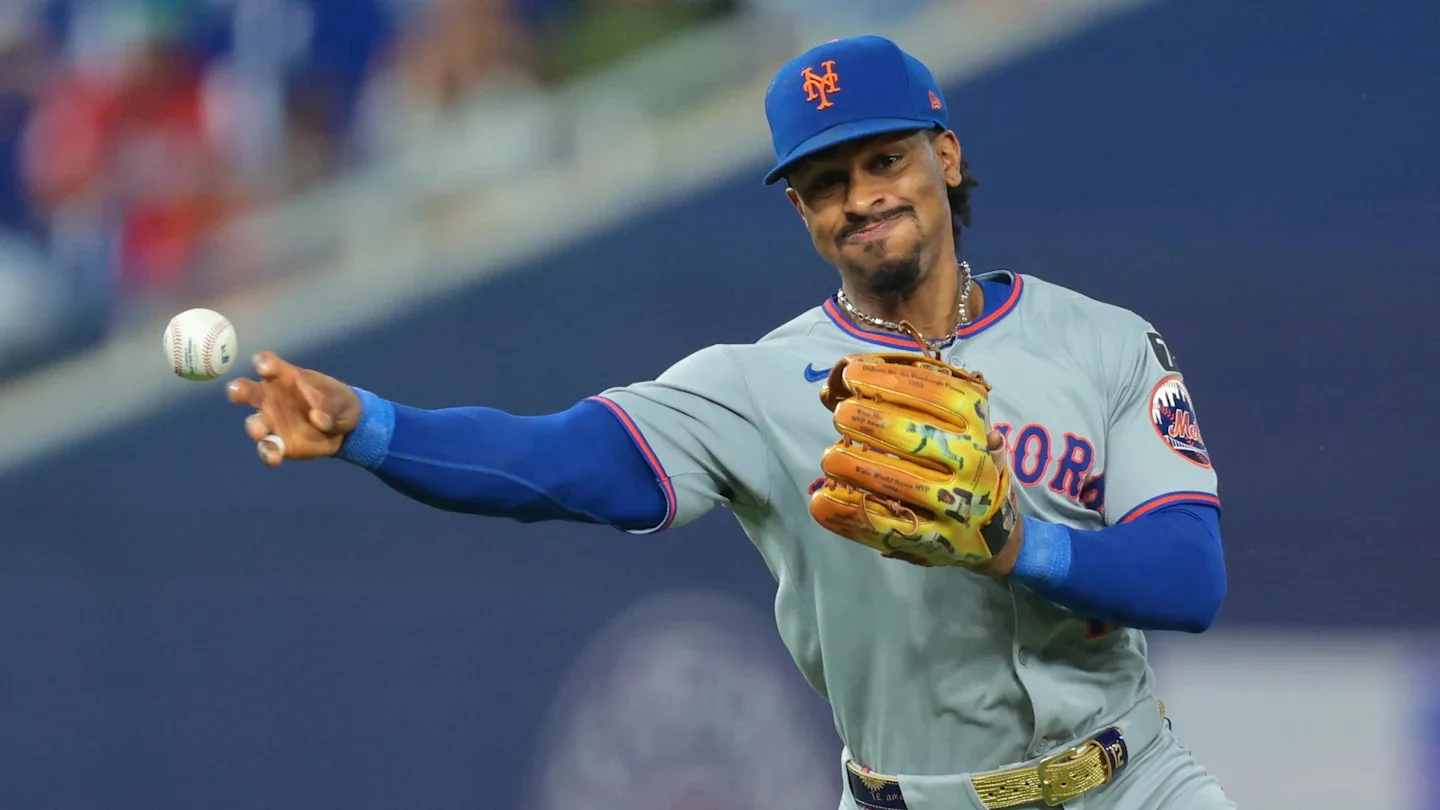
The World Baseball Classic faces a participation crisis as multiple stars, notably Puerto Rico captain Francisco Lindor, are denied insurance to play and risk withdrawing. MLB and the MLBPA are pressuring the insurer to reverse decisions, while players without coverage can still play at their own expense, risk salary loss, or skip the tournament. Denials frequently cite age or recent injuries, and the situation echoes past injuries that have raised the stakes. With rosters due soon and the March 5 start approaching, teams may need last-minute replacements.