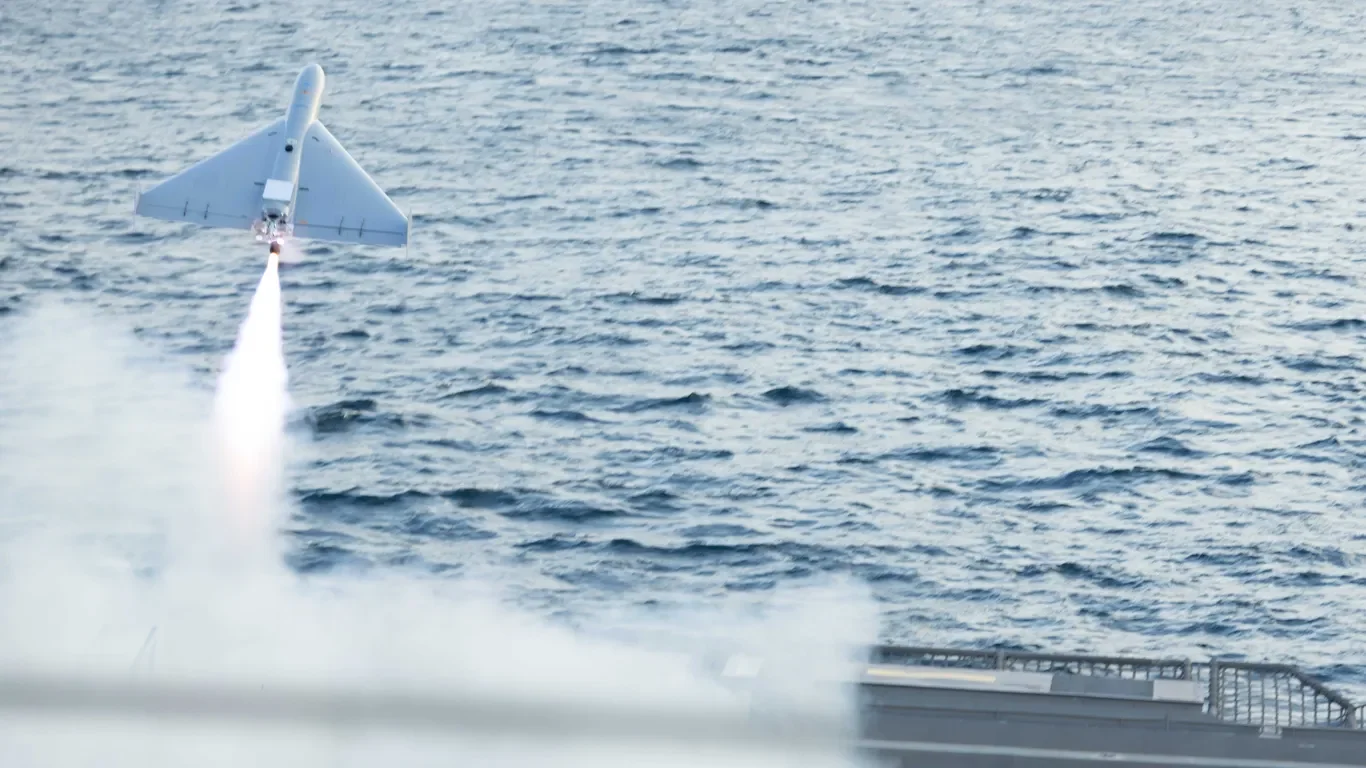
Amid the Iran conflict, the U.S. showcases AI-enabled weapons—PrSM missiles and LUCAS drones (with Anthropic's Claude AI)—alongside F-35 breakthroughs and a submarine torpedo strike that reportedly sank an Iranian warship, with officials praising innovation despite budget and development timelines.
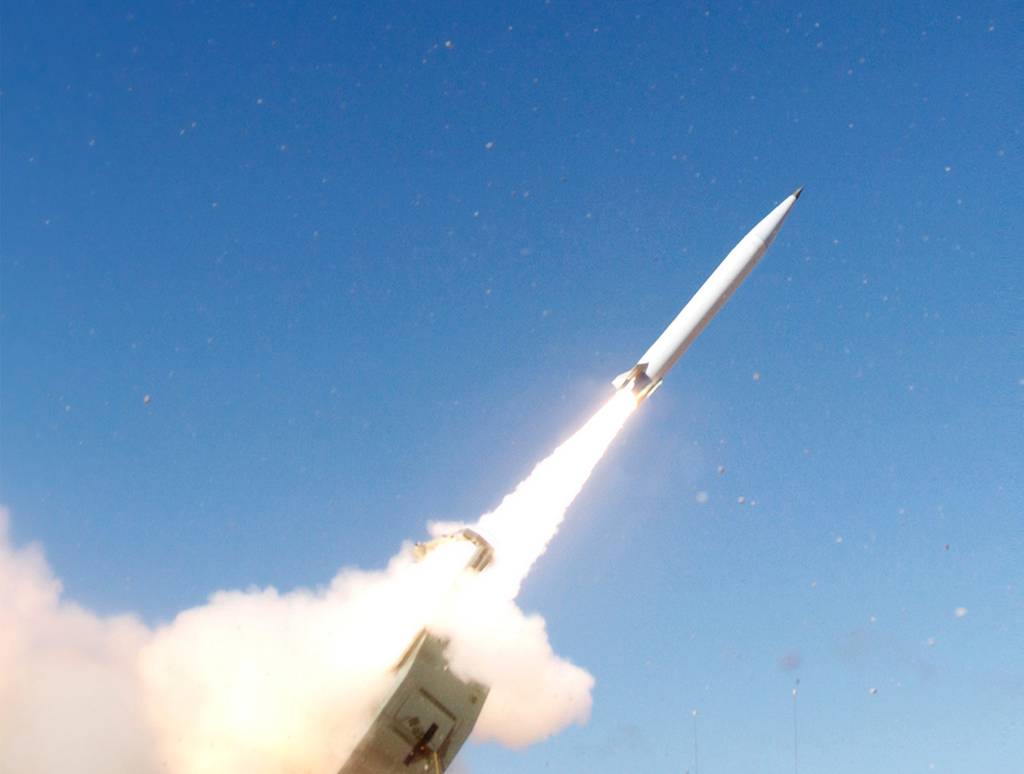
The U.S. Army has confirmed the receipt of its first operational Precision Strike Missiles (PrSMs), which provide an early operational capability ahead of a formal declaration of initial operational capability next year. The PrSMs are designed to engage static targets and can be fired from existing launchers. The Army plans to acquire at least 3,986 PrSMs and is also working on future variants with improved capabilities, including engaging moving targets and extending the maximum range. The introduction of PrSMs enhances the Army's long-range strike capabilities.
The U.S. Army has received its first delivery of Precision Strike Missiles (PrSM), marking a significant milestone in the program's efforts to replace the legacy Army Tactical Missile System. The PrSM, which can launch from both the M142 High Mobility Artillery Rocket System and the M270A2 Multiple Launch Rocket System, will provide Joint Force commanders with a 24/7, all-weather capability to counter enemy combat maneuver and air defense operations. The Army plans to enhance the PrSM with an extended range and increased lethality, with a focus on developing a maritime, ship-killing capability. The program originally began as a competition between Lockheed Martin and RTX, but RTX withdrew, leaving Lockheed as the sole developer.