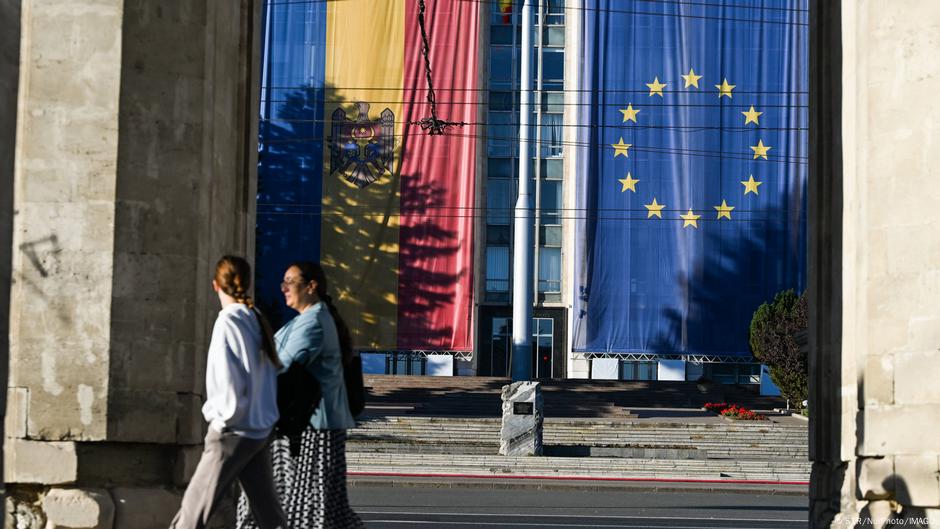
Moldova's pro-EU Party of Action and Solidarity won a clear majority in the parliamentary election, defeating pro-Russian groups amid concerns of Russian interference, and signaling a move towards EU integration despite geopolitical tensions.
Moldova's pro-Western Party of Action and Solidarity won a clear majority in the parliamentary election, defeating pro-Russian groups, amid concerns of Russian interference and a geopolitical choice between East and West, with the party aiming for EU integration.
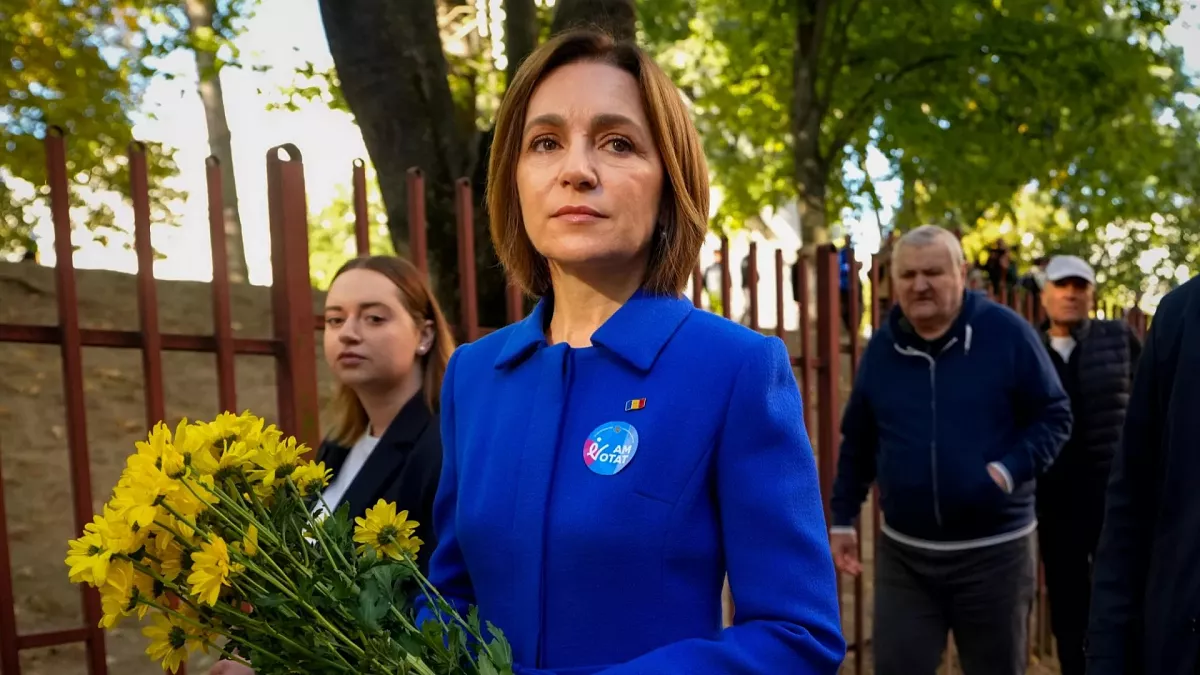
Moldova's pro-European party led by Maia Sandu claimed a clear victory in parliamentary elections, securing a majority that could steer the country towards EU integration amid tensions involving Russia interference and security threats, including bomb threats and alleged destabilization efforts.
Moldova's parliamentary election shows a lead for the pro-EU Party of Action and Solidarity, with ongoing vote counting amid geopolitical tensions involving Russia and pro-Russian parties, and concerns over foreign interference and disinformation.
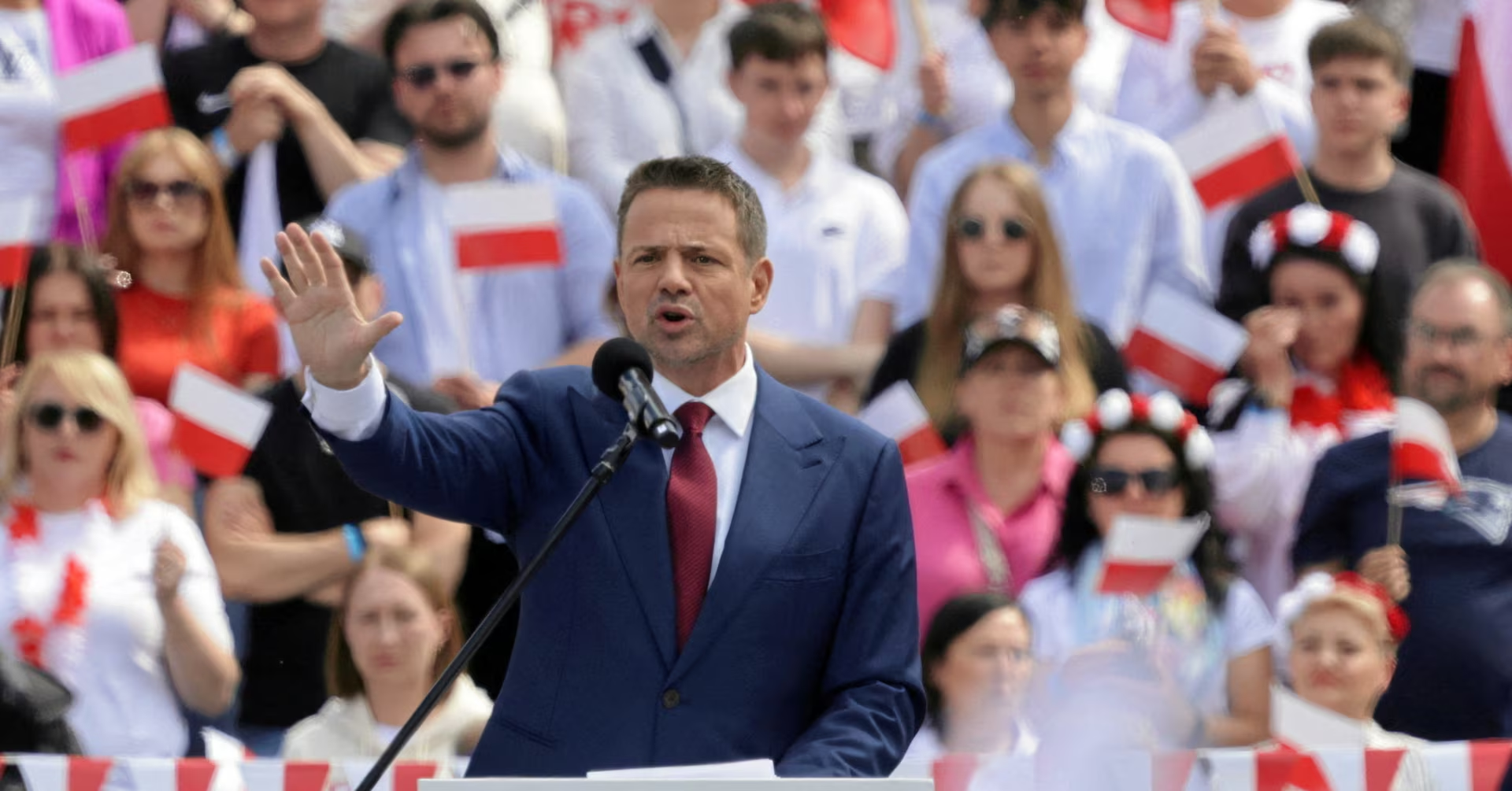
Poland is holding a closely contested presidential run-off between centrist, pro-EU candidate Rafal Trzaskowski and nationalist challenger Karol Nawrocki, who is inspired by Trump and emphasizes traditional values, with implications for EU relations and Ukraine.
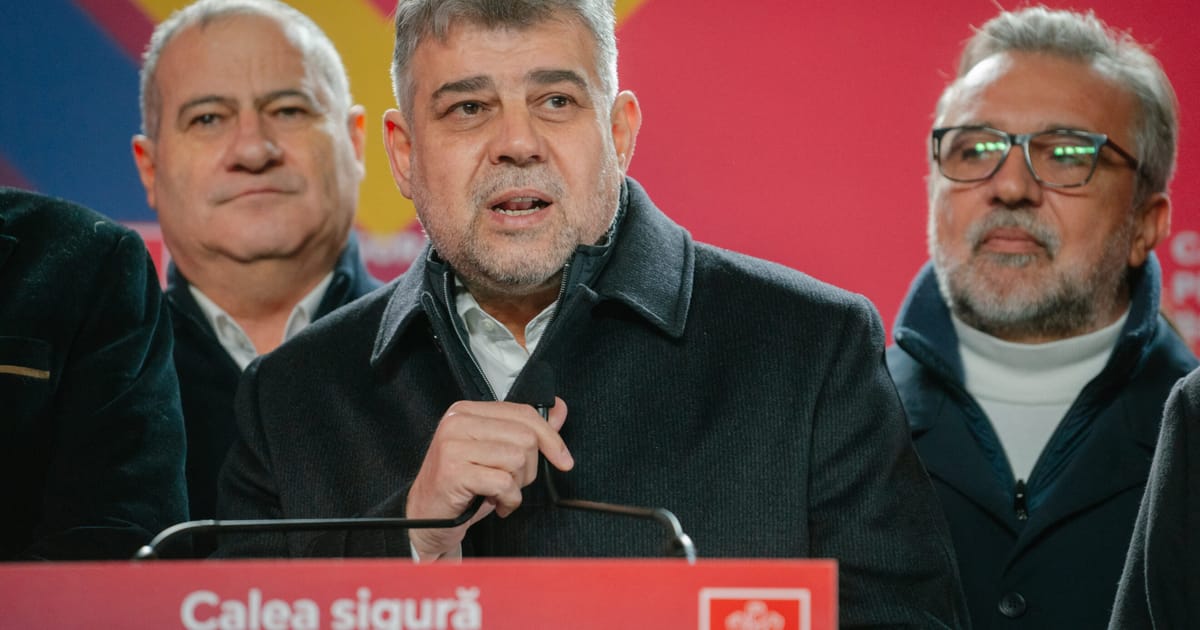
Romania's pro-EU parties have managed to hold off the far-right in the recent parliamentary elections, according to early results. However, the political situation remains tense as a Romanian court has postponed its decision on whether to annul the election until Monday, raising concerns about potential manipulation and a possible rerun in December. Additionally, there are suspicions about the use of TikTok by far-right figures to influence voters, highlighting the ongoing political volatility in the country.
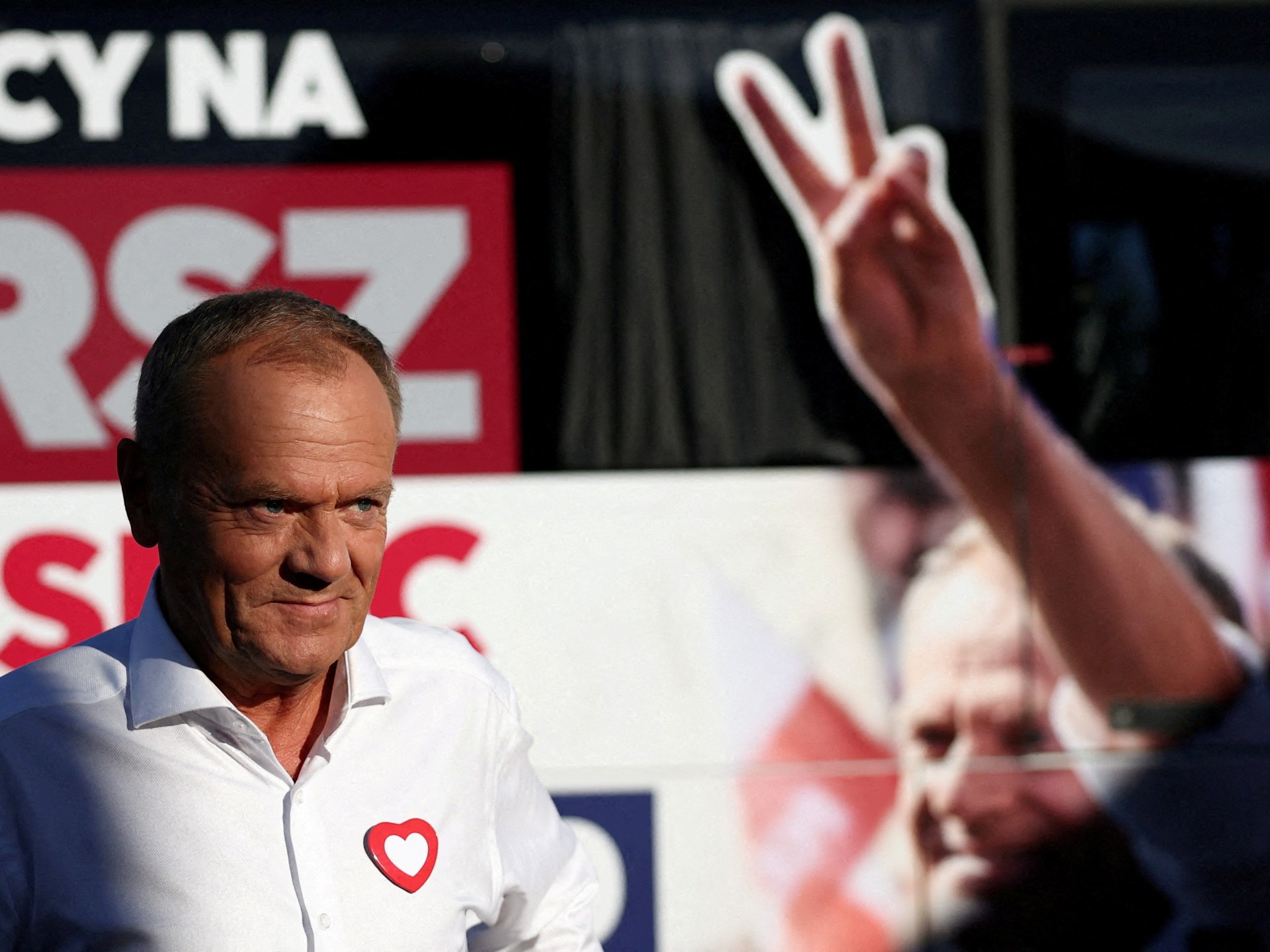
Poland's parliament has elected Donald Tusk as the country's new prime minister, following a national election won by a coalition of pro-EU parties. Tusk, a centrist party leader, aims to restore democratic standards, improve ties with allies, and move Poland closer to European allies. His election marks the end of the right-wing populist Law and Justice party's government, which had faced disputes with the EU over issues such as judicial independence and minority rights. Tusk plans to unblock frozen EU funds earmarked for Poland and revive support for Ukraine.
Poland begins a delayed transition to a centrist, pro-EU government as outgoing national conservative leaders make their farewell statements and a majority of lawmakers prepare to elect Donald Tusk as the new prime minister. The power transition, which was delayed by the president, comes after Poles voted for change in a national election. The change of power is seen as consequential for the country, with relief for women and LGBTQ+ people who faced eroded rights, but concerns from conservative supporters. The transition also has implications for Ukraine and the EU, with Tusk expected to improve Warsaw's standing in Brussels.