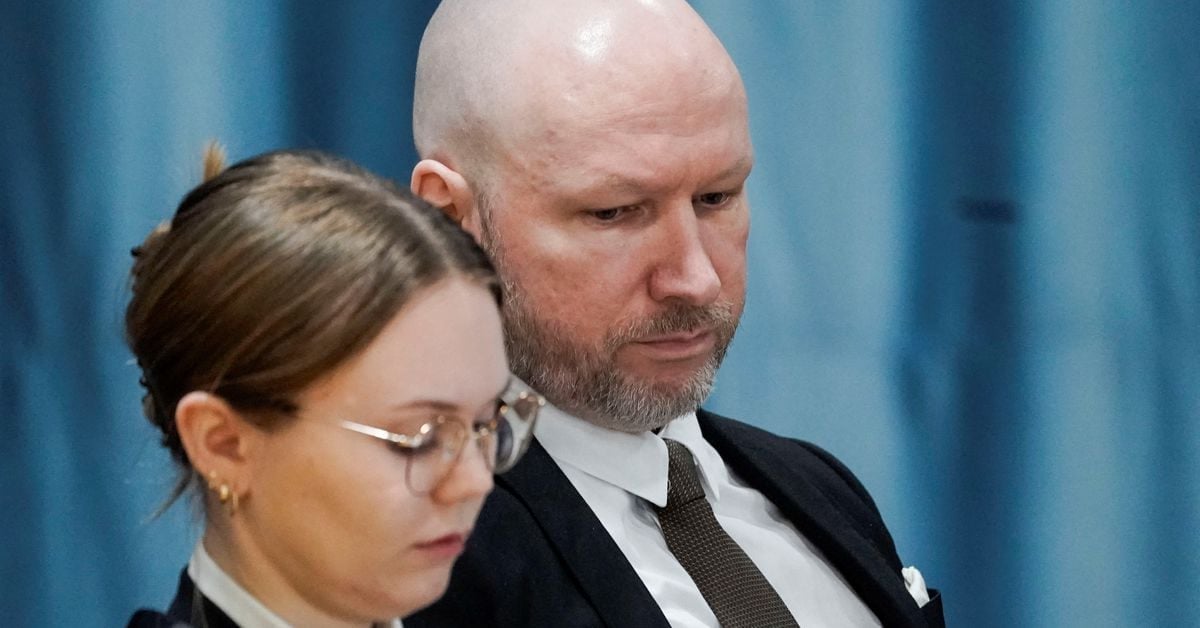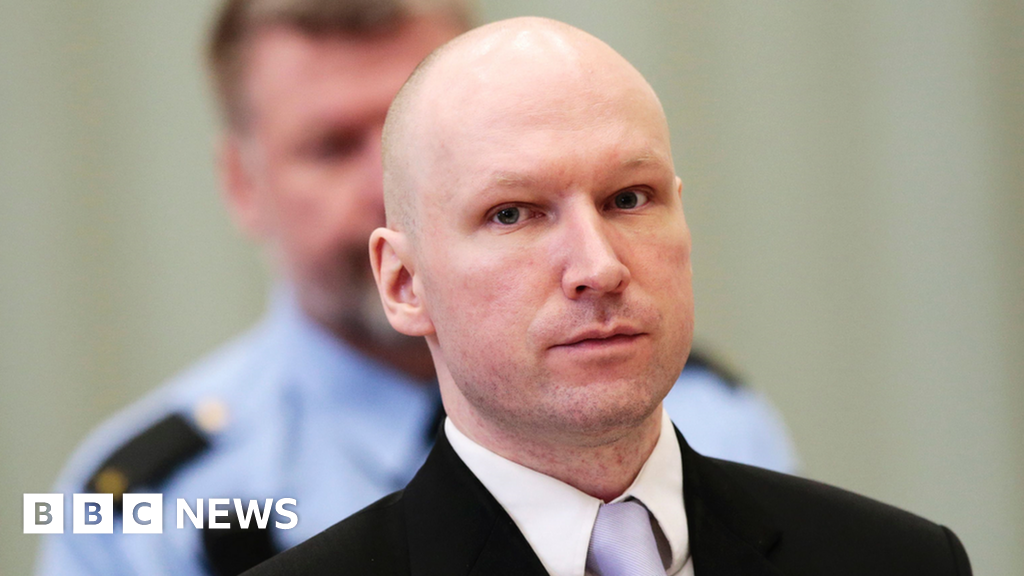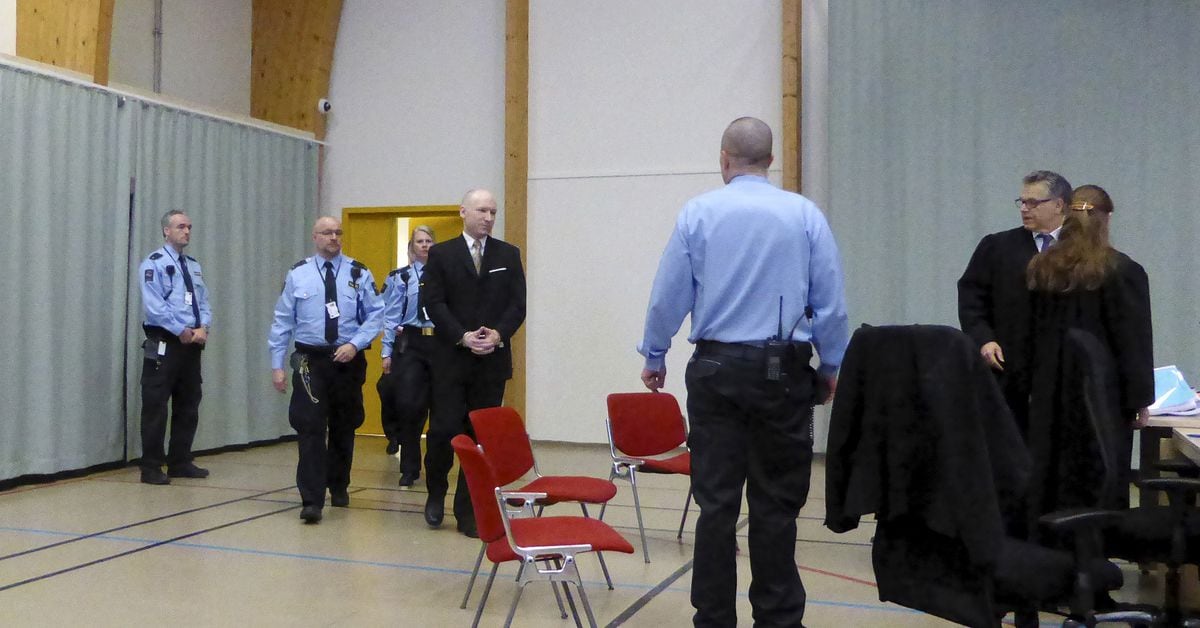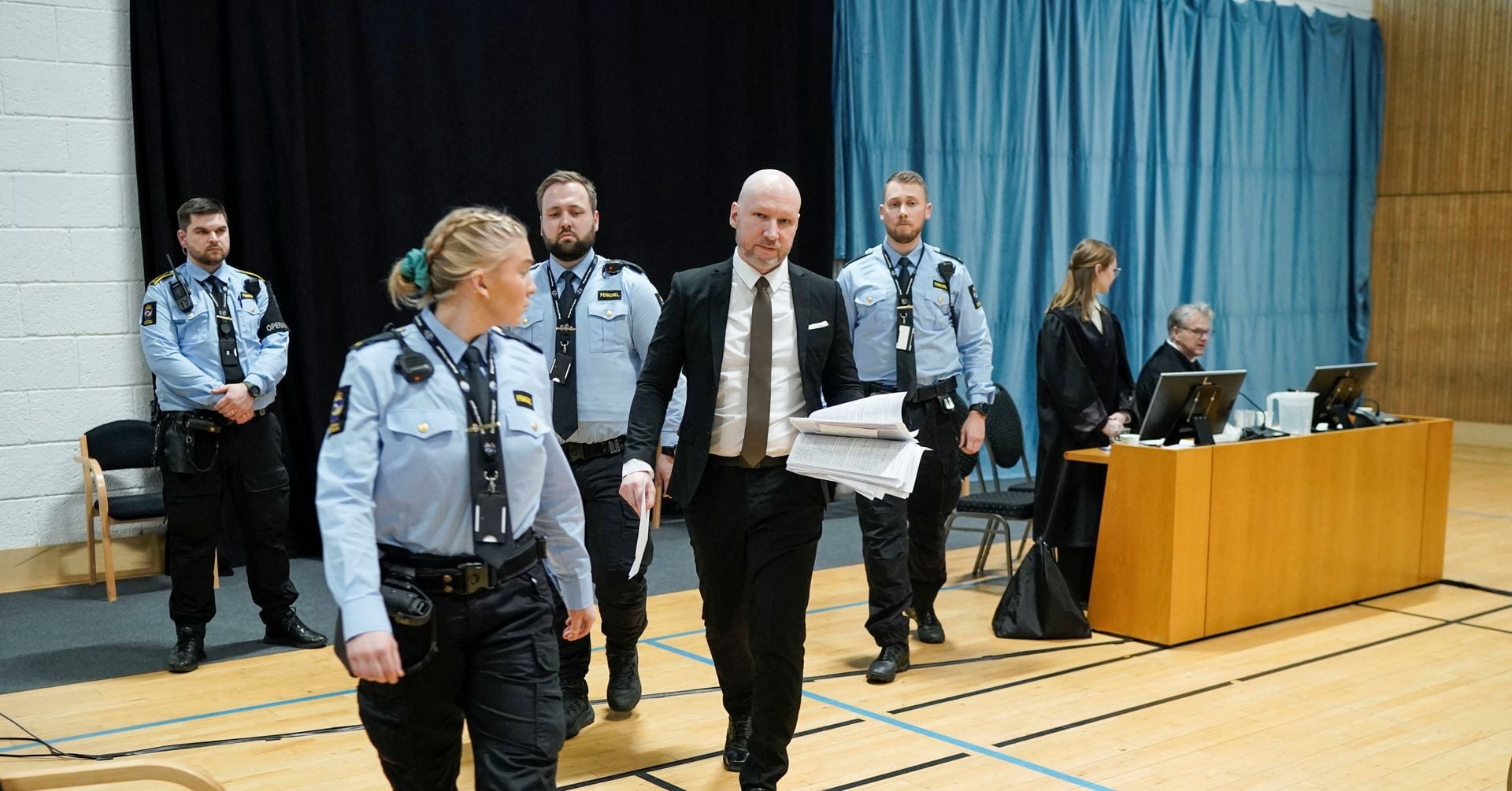
Norwegian mass killer Anders Behring Breivik lost his legal battle against the state to end his isolation in prison, with the court ruling that his prison conditions did not violate his human rights. Breivik, who killed 77 people in 2011, had argued that his isolation was causing him extreme distress, but a psychologist testified that he was not depressed or suicidal. Breivik plans to appeal the ruling, as his lawyer emphasized the importance of easing his conditions for his wellbeing in prison.
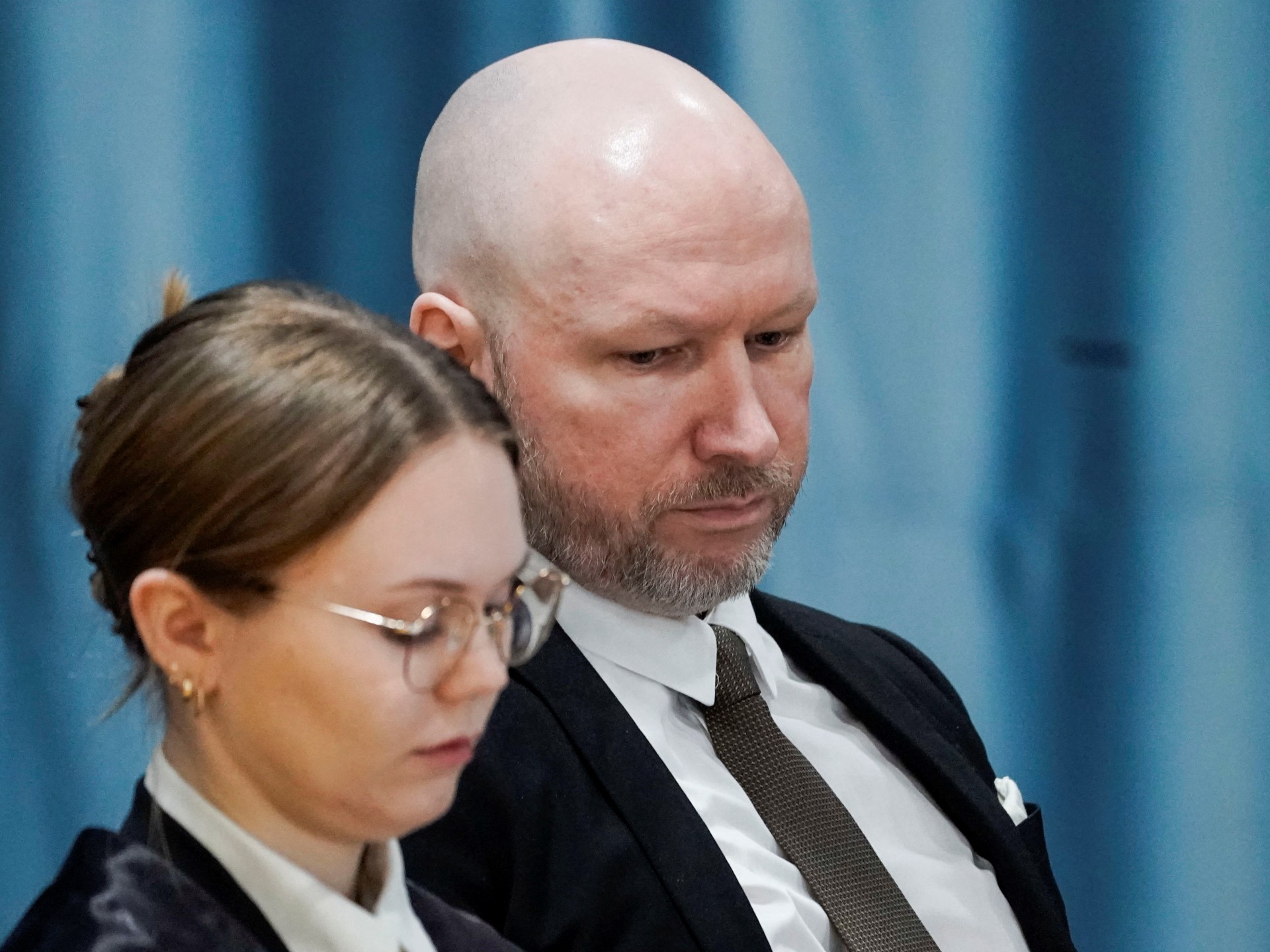
Norwegian mass killer Anders Behring Breivik, who killed 77 people in 2011, has lost his legal attempt to end his isolation in prison, with the court ruling that his conditions are not a violation of human rights. Despite his claims of "inhumane" punishment, the court stated that Breivik has good physical prison conditions and relatively great freedom in everyday life, including access to a kitchen, fitness room, and TV with Xbox. Breivik, who has shown no remorse for his attacks, has immediately appealed the ruling.
Anders Breivik, who killed 77 people in Norway in 2011, has lost his lawsuit against the state over his prison isolation, with the court ruling that his conditions were not a violation of human rights. Breivik, who has been held in isolation since the attacks, claimed his conditions were "inhumane" and that he was suicidal. However, the court ruled that the restrictions on his communications were justified due to him being a danger to society. Breivik's lawyer stated that easing his conditions is vital for his wellbeing in prison, but the court upheld the current terms of his sentence.
Anders Behring Breivik, who killed 77 people in Norway in 2011, is testifying in court to end his years of isolation in prison and lift restrictions on his correspondence with the outside world. The 44-year-old is suing the state, arguing that his isolation violates human rights. The court heard that Breivik continues to be a source of inspiration for far-right extremists worldwide, and the judge's verdict will be issued in the coming weeks.
Anders Breivik, who killed 77 people in Norway in 2011, is suing the country to end his years in isolation in prison, claiming it breaches his human rights. He no longer wishes to live and is seeking to lift restrictions on his correspondence with the outside world. Norway's justice ministry argues that his isolation is necessary due to security concerns, and he still poses a risk to society. The judge will deliver a verdict in the coming weeks.
Anders Behring Breivik, the far-right extremist who killed 77 people in Norway in 2011, is suing the state to end his isolation in prison, claiming it violates his human rights. He also seeks to lift restrictions on his correspondence with the outside world. The state argues that the isolation is necessary for security due to the ongoing threat he poses. Breivik's case has sparked debate in Norway about rehabilitation efforts and the balance between security measures and human rights.