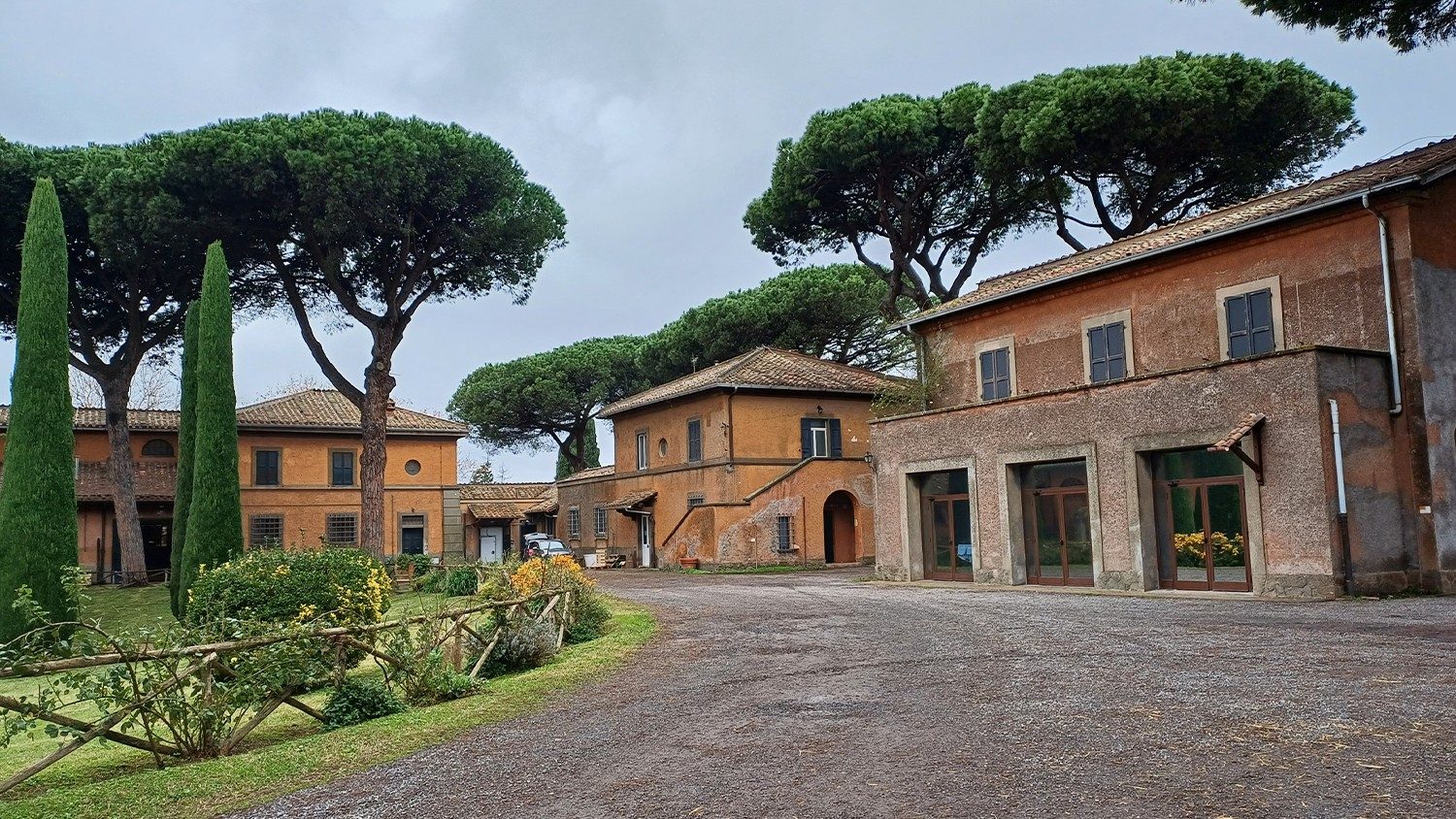
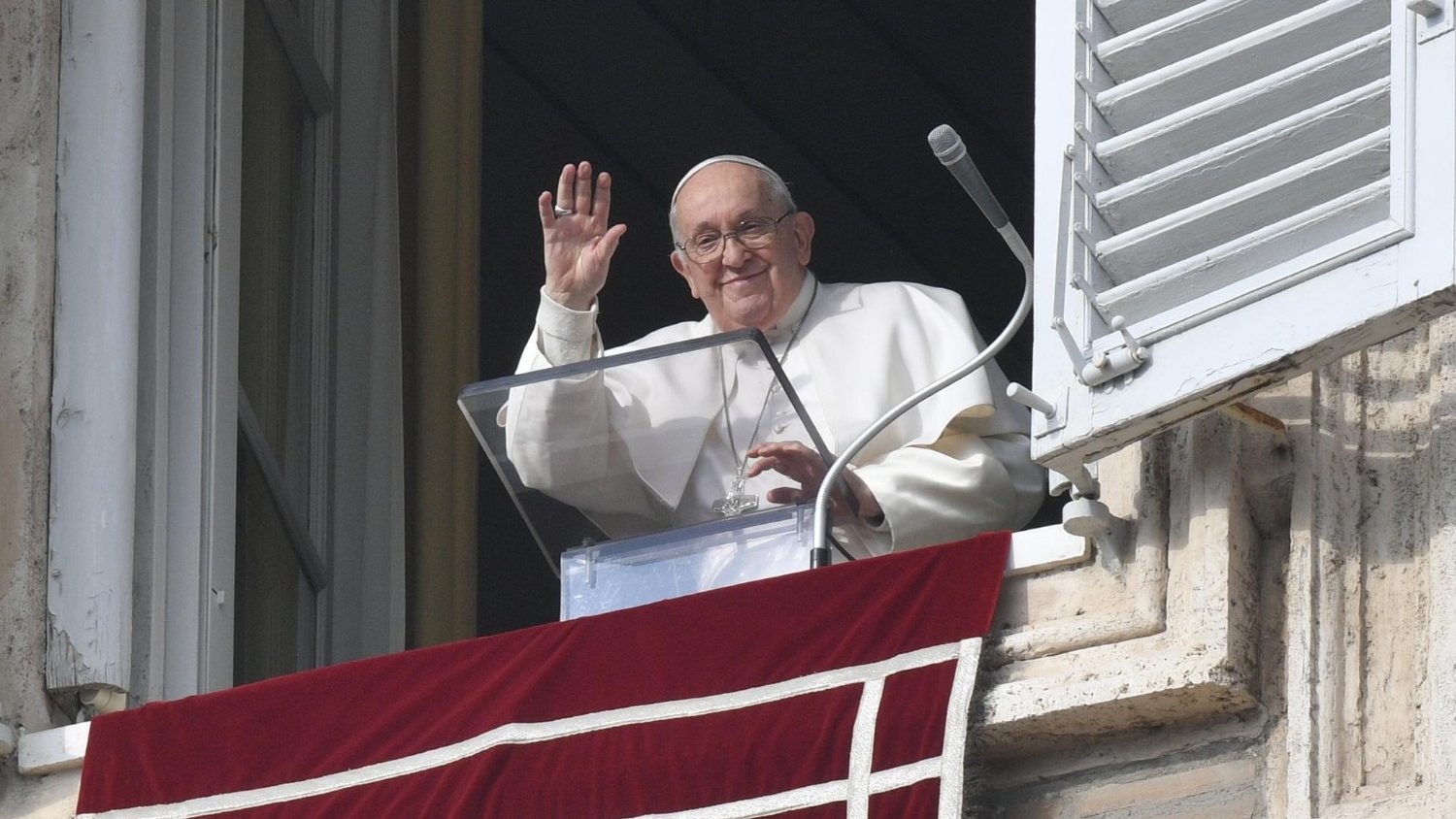
Pope Leo XIV visited the Borgo Laudato Sì in Castel Gandolfo, a space dedicated to ecological education and care for the environment, established by Pope Francis to promote awareness about our common home and support marginalized communities, reflecting the principles of the Laudato Sì encyclical.
Pope Francis has received the first all-electric popemobile from Mercedes-Benz, marking a significant step towards sustainable transportation for the Vatican. The modified G-Class vehicle, equipped with four individual motors for low-speed travel, allows the Pope to greet visitors while promoting electromobility and decarbonization. This move aligns with Pope Francis' previous experiences with zero-emission vehicles, including a hydrogen-powered Toyota Mirai and a Renault Kangoo electric van.
Pope Francis continued an annual tradition by baptizing 16 babies in the Sistine Chapel, using a shell-shaped container to pour baptismal water over each child's head. The ceremony, which took place near the end of the Christmas season, was marked by tranquility as the infants remained quiet, a contrast to previous years when one crying baby could set off a chorus. The Pope's homily was brief, focusing on the significance of baptism as a "birthday" of Christian life. He encouraged parents to teach their children to celebrate their baptism date annually. Each family received a white candle to symbolize their Christian roots, and the Pope interacted warmly with the babies and their families before departing.
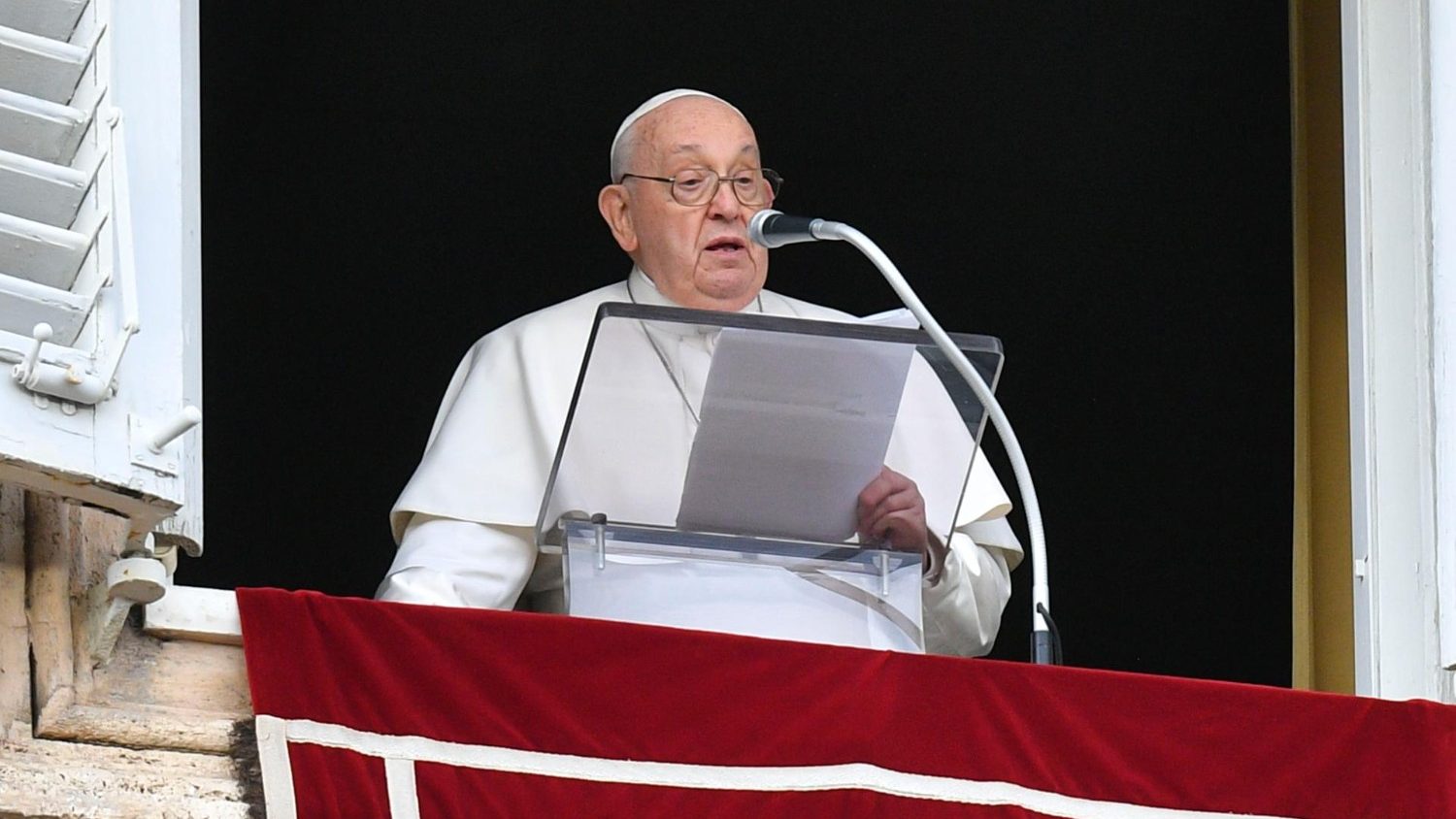
During the Angelus prayer on the Feast of the Epiphany, Pope Francis encouraged Christians to find wonder in the humility of the Child Jesus, as the Magi did, and to learn from children's perspectives to gain a fresh and creative outlook on the world's problems. He emphasized the importance of adoration, contemplation, and spending time with children, and prayed for Mary's intercession to increase love for the Child Jesus and all children, especially those affected by war and injustice.
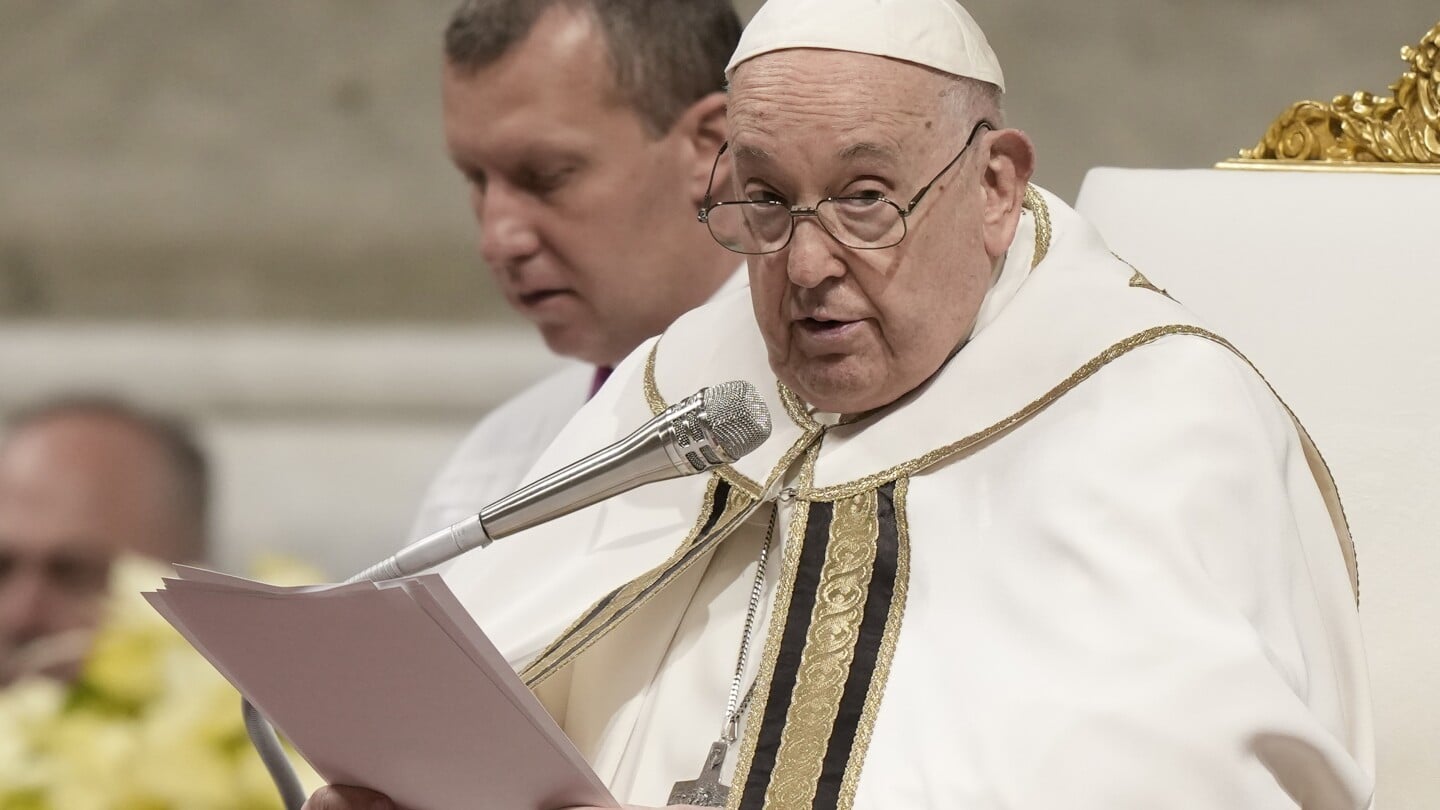
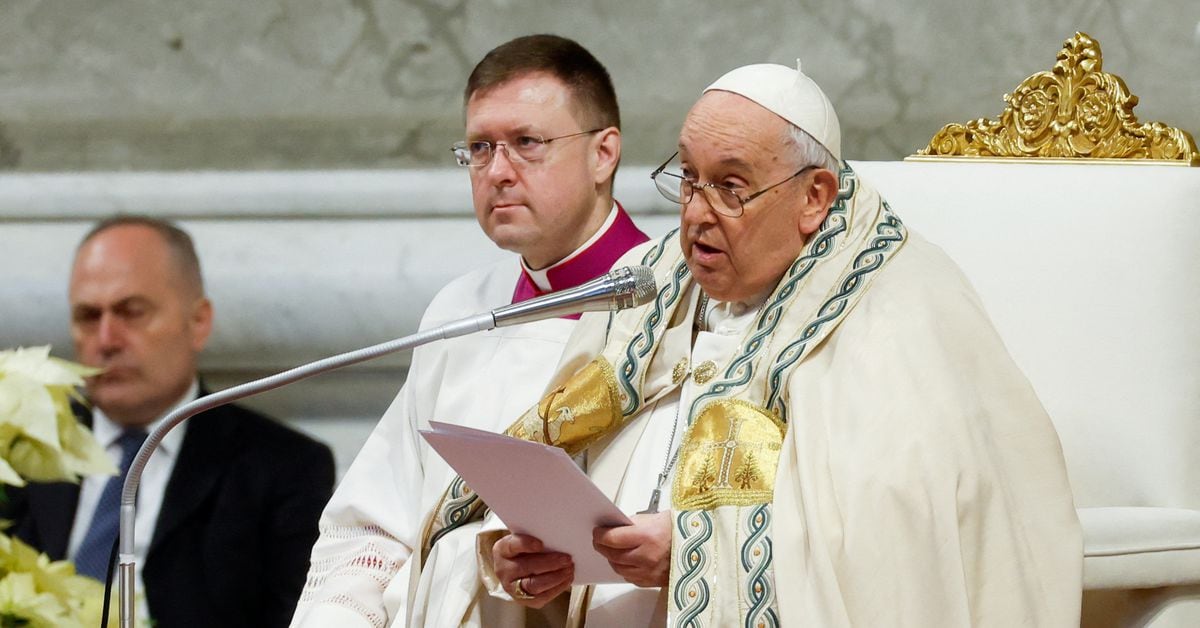
Pope Francis, during the Epiphany Day Mass at St. Peter's Basilica, warned against ideological divisions within the Catholic Church and urged the faithful to focus on the poor rather than "ecclesiastical ideologies" or "elegant religious theory." This message comes in the context of some conservative resistance to his policies, including the recent permission for priests to bless same-sex relationships in a pastoral context, which has been met with pushback from some bishops. The Pope emphasized finding God in everyday life, particularly in the faces of the poor, continuing his papacy's focus on marginalized communities. Despite health issues, Francis participated actively in the ceremony, highlighting his ongoing commitment to his duties and the messages he champions.
During the Epiphany Mass, Pope Francis encouraged the faithful to imitate the Magi in their search for Jesus, emphasizing the importance of looking towards the heavens for guidance, journeying on earth with purpose, and bowing our hearts in adoration. He highlighted that seeking God requires courage and hope, and that true encounters with God can transform lives and societies. The Pope's message centered on the theme of spiritual journeying and the transformative power of worship and humility before the divine.
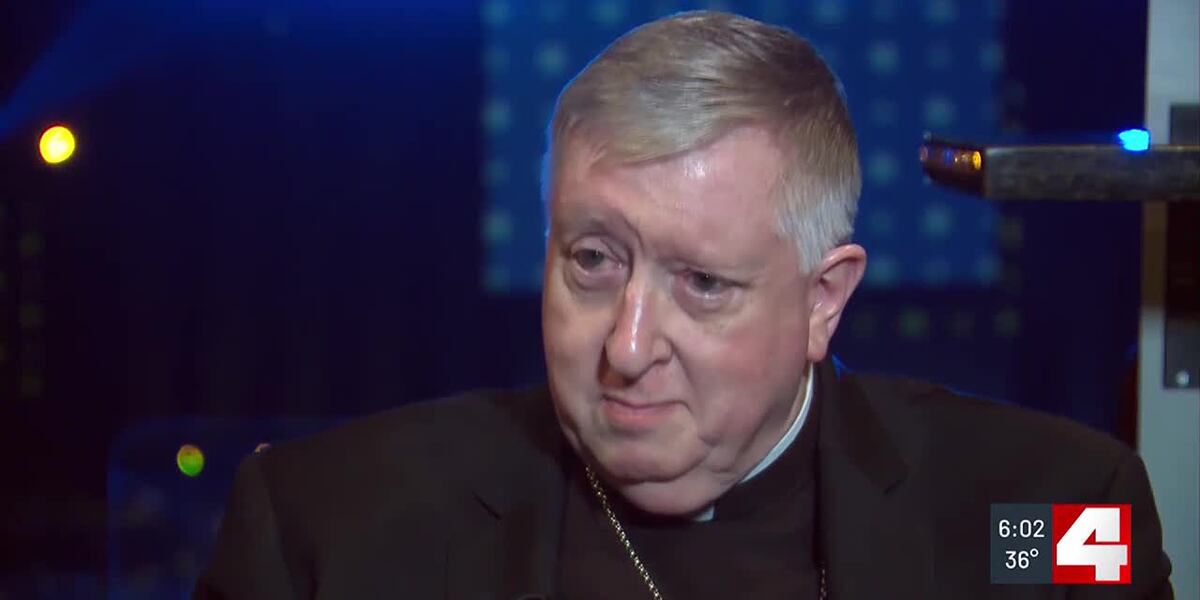
At the SEEK 24 conference in St. Louis, Archbishop Mitchell T. Rozanski responded to Pope Francis' recent decree instructing priests to bless same-sex couples. Rozanski emphasized the importance of the Church being open to everyone and shared that the Pope's directive aligns with his papacy's approach. While the U.S. Bishops interpret the decree as blessing individuals rather than their romantic relationships, Rozanski confirmed that the local Church's mission is to bless all people and be the presence of Christ to everyone. Further discussions with priests in the Archdiocese of St. Louis are planned to continue addressing this topic.
Pope Francis condemned violence against women during a Mass on the World Day of Peace, amid Italy's introspection following the murder of Giulia Cecchettin, which has reignited debates on male chauvinism and femicide. The Pope's remarks coincide with legislative measures to combat such violence and the use of a film about domestic abuse as an educational tool in Italian schools. His message emphasized the importance of respecting and valuing women, linking harm against any woman to a profanation of God.
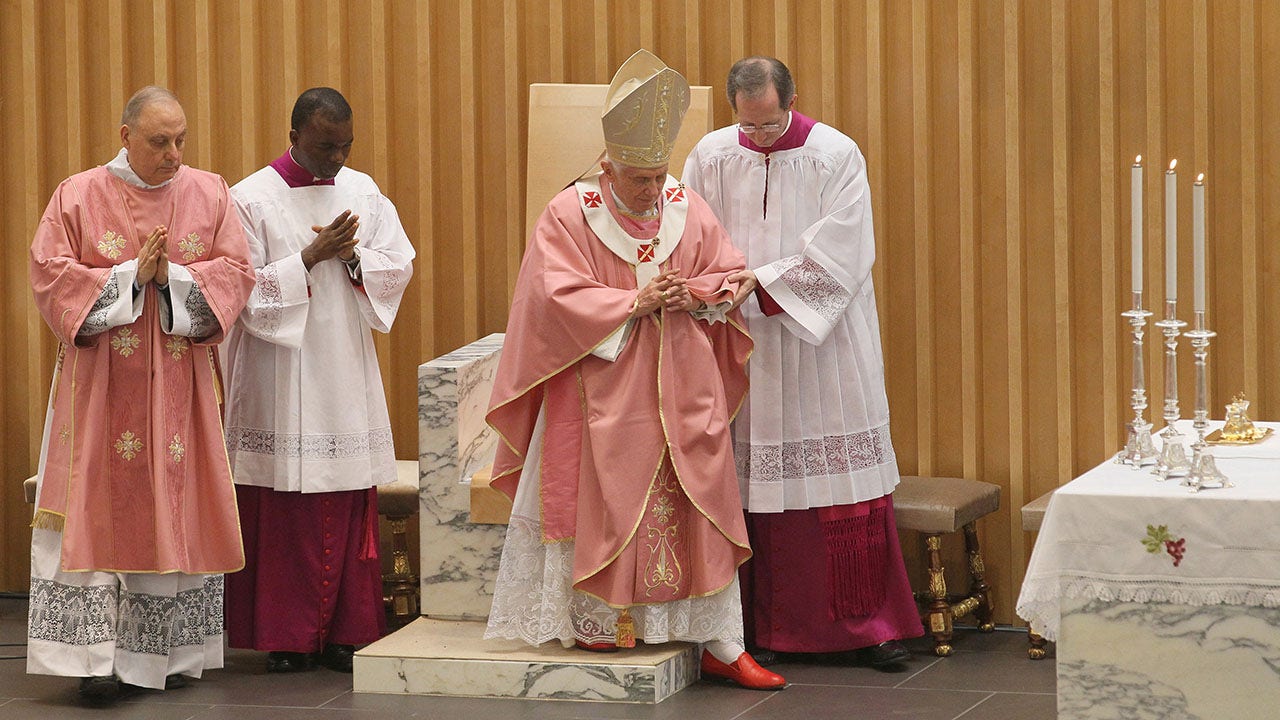
Cardinal Gerhard Mueller, who served under Pope Benedict, stated that the recent Vatican policy allowing priests to bless same-sex unions would not have occurred under Benedict's papacy due to its ambiguity. The Vatican's new policy emphasizes that while the Church's teaching on marriage as a union between a man and a woman remains unchanged, individuals seeking God's love and mercy should not be subjected to exhaustive moral scrutiny. The document encourages blessings as a means to nurture faith and openness to God's mercy, even for those in "irregular" unions, without exhaustive doctrinal or disciplinary judgments.
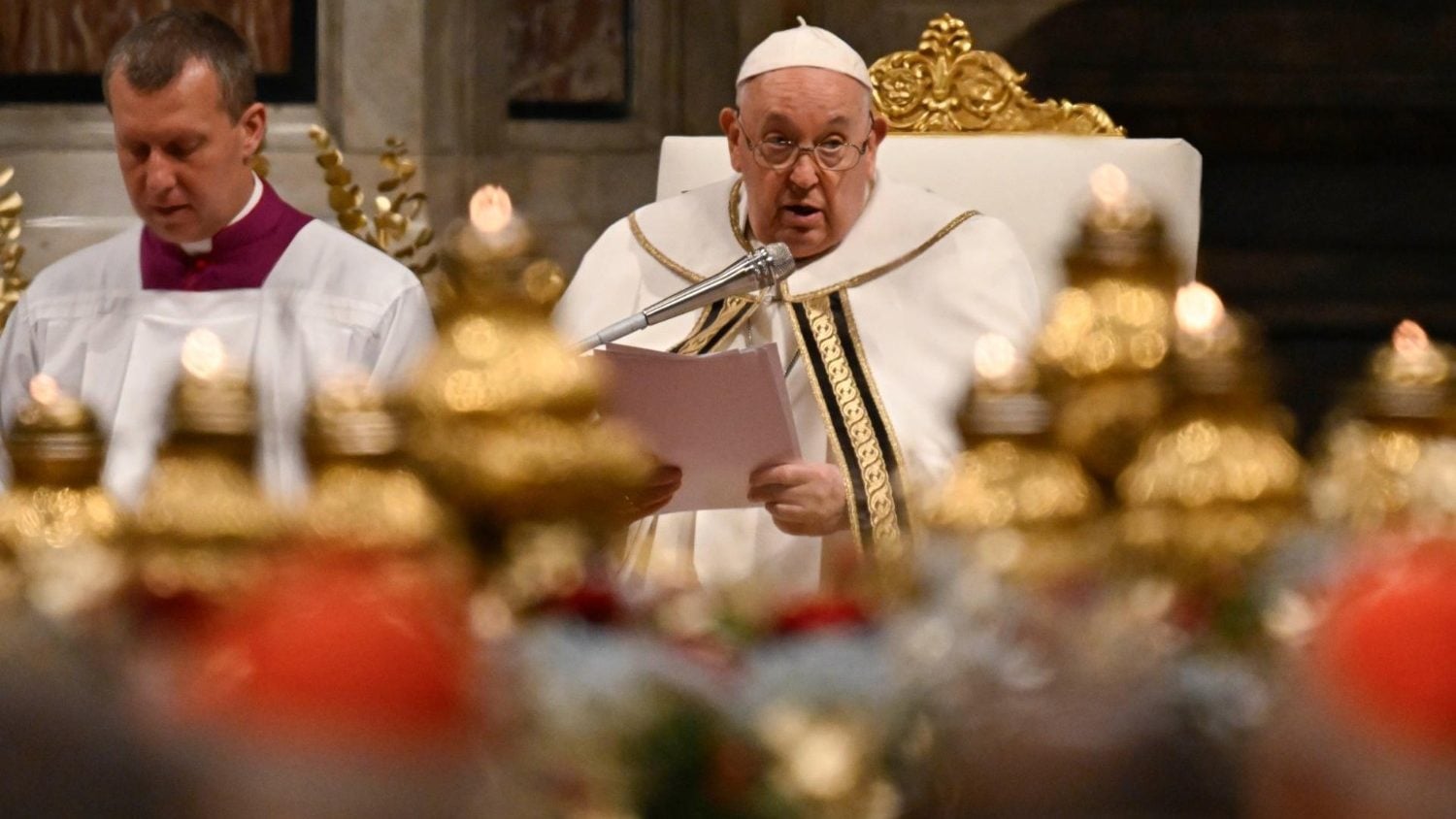
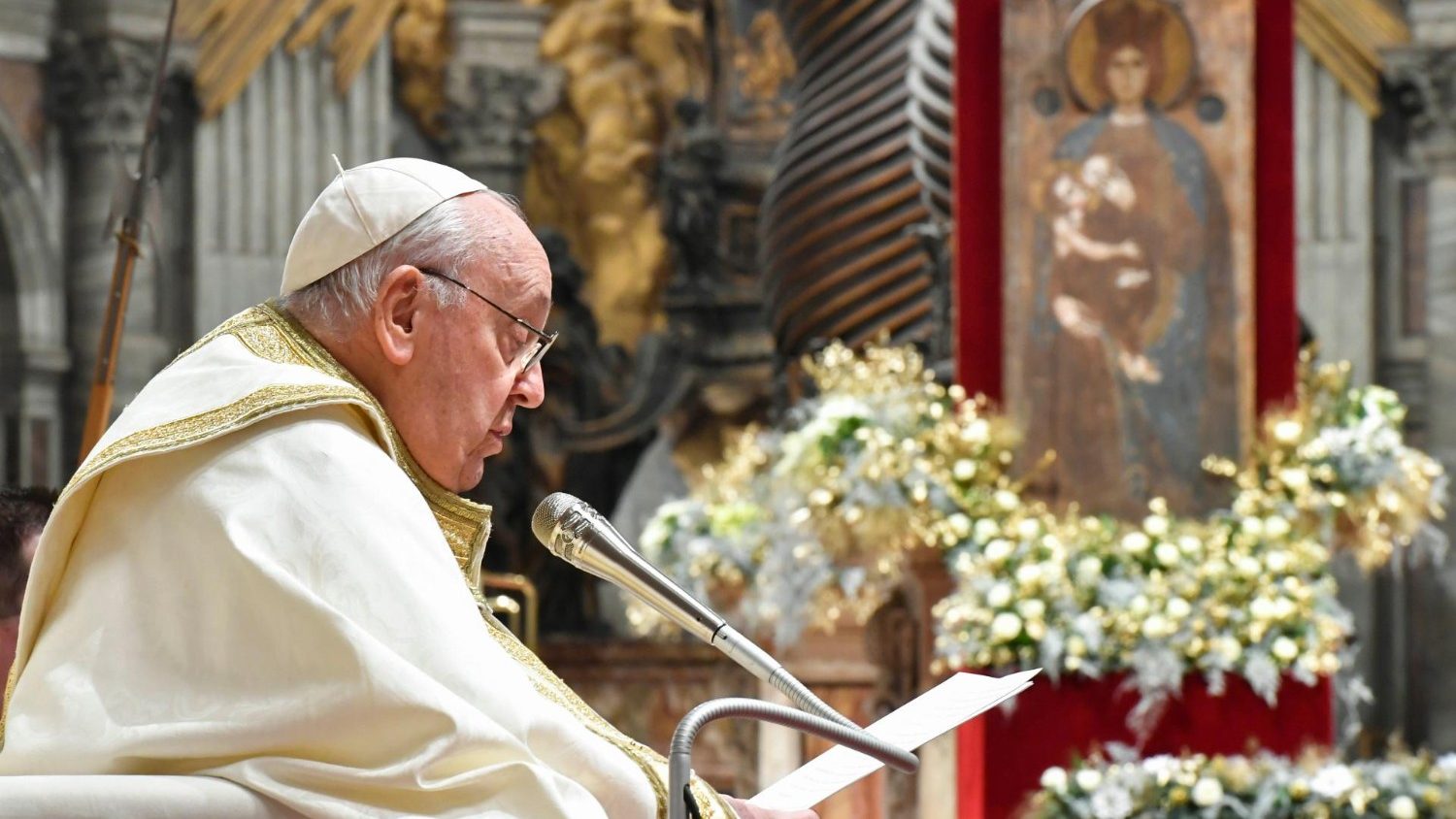
Pope Francis led the traditional end-of-year Te Deum hymn and First Vespers on the Solemnity of Mary, Mother of God, at Saint Peter's Basilica, emphasizing themes of gratitude and hope in his homily. He encouraged the faithful to adopt a faith-filled perspective on time and life, drawing inspiration from Mary's example. The Pope also touched on the upcoming Jubilee 2025, themed "Pilgrims of Hope," and called for Rome to prepare as a "city of hope," focusing on prayer in 2024 to ready for the event.
Pope Francis, during the Angelus on the Feast of the Holy Family, emphasized the importance of marveling at God's presence in the family unit, even amidst poverty and suffering. He reflected on the Holy Family's trials and their ability to find wonder in God's work, encouraging families to invite God into their homes and to appreciate the marvels of life and love, assuring them that God is with them in times of difficulty.
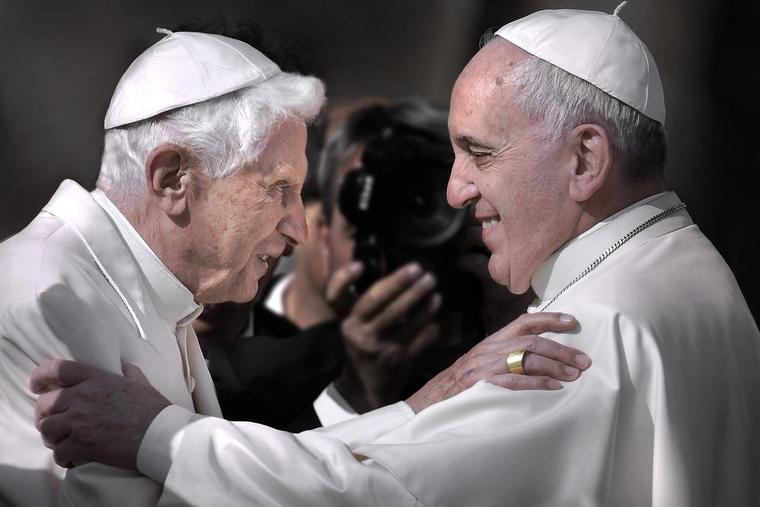
Peter Seewald, biographer of Pope Benedict XVI, expressed disappointment in Pope Francis's handling of his predecessor's legacy, particularly criticizing the restrictions placed on the Traditional Latin Mass and the purging of staff aligned with Benedict's vision. Seewald highlighted the reversal of Benedict's 'Summorum Pontificum' and the treatment of Archbishop Georg Gänswein as examples of Francis's departure from Benedict's approach. The interview comes as the Catholic community reflects on Benedict's legacy a year after his death, with Pope Francis defending his actions and condemning the instrumentalization of Benedict's death for personal gain.