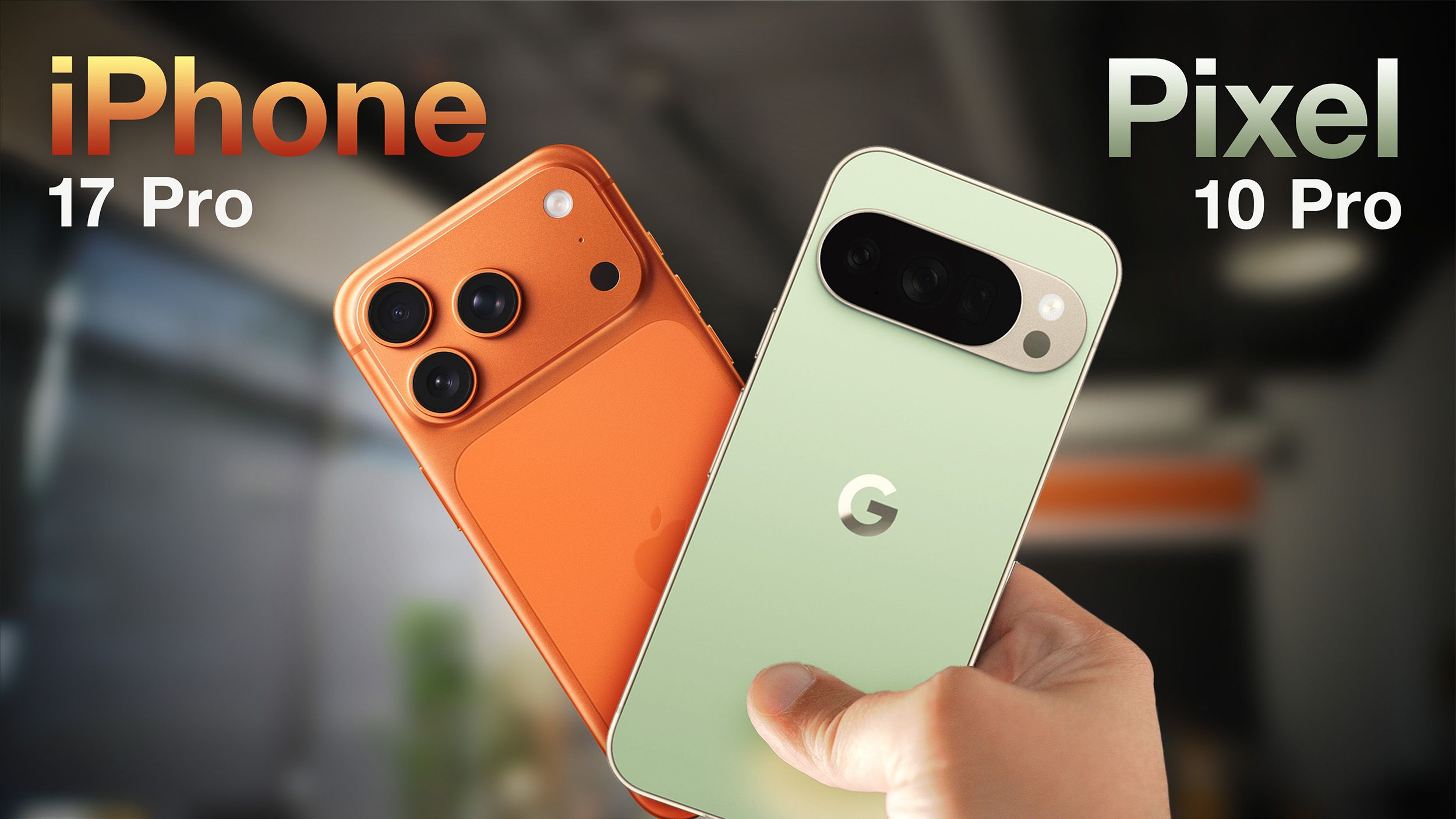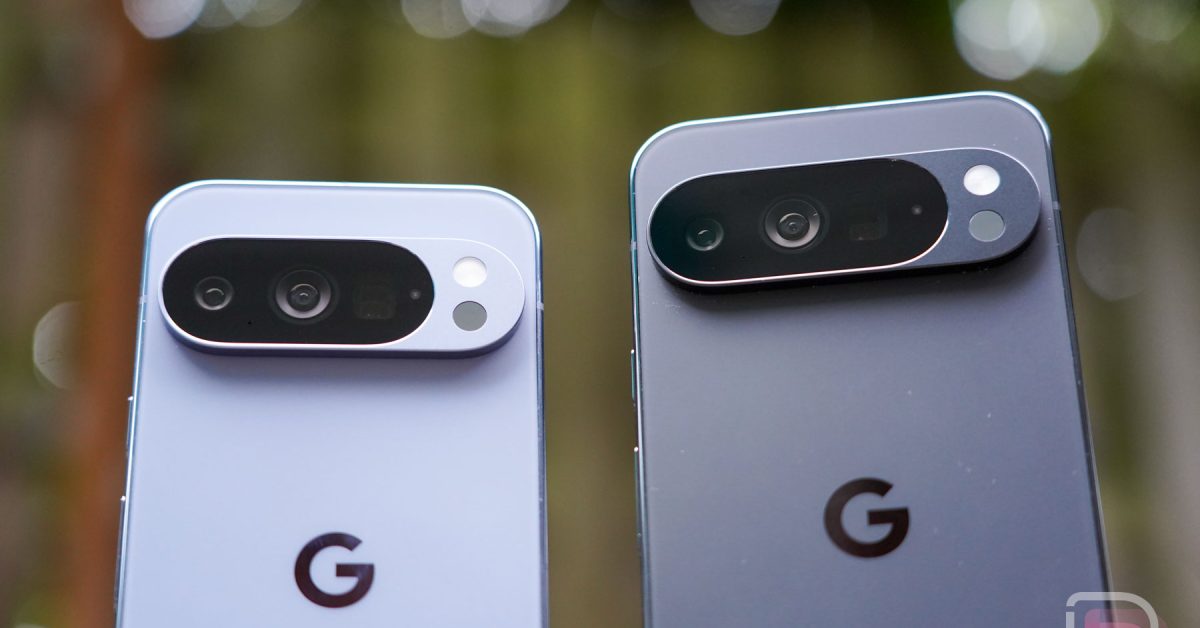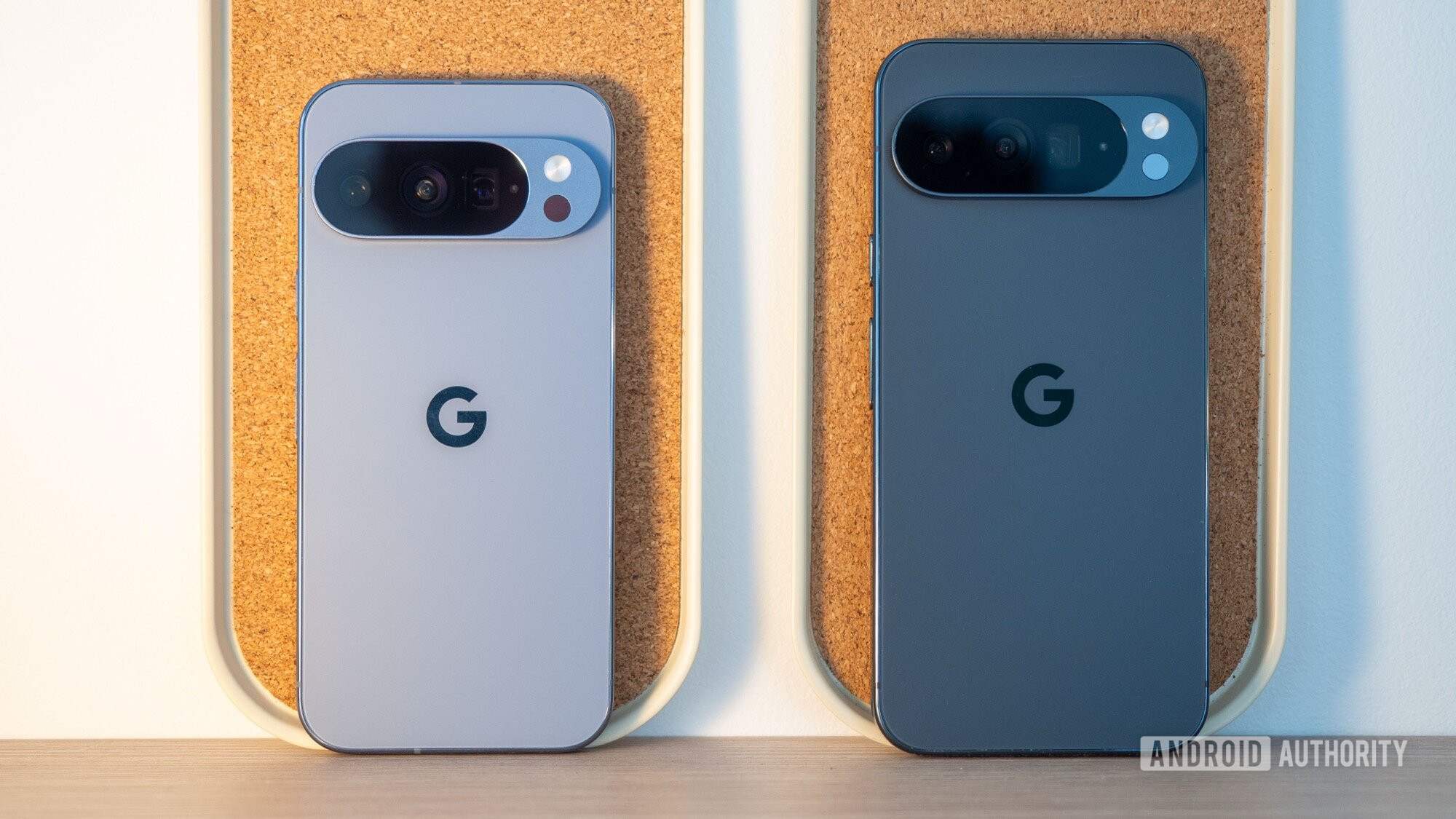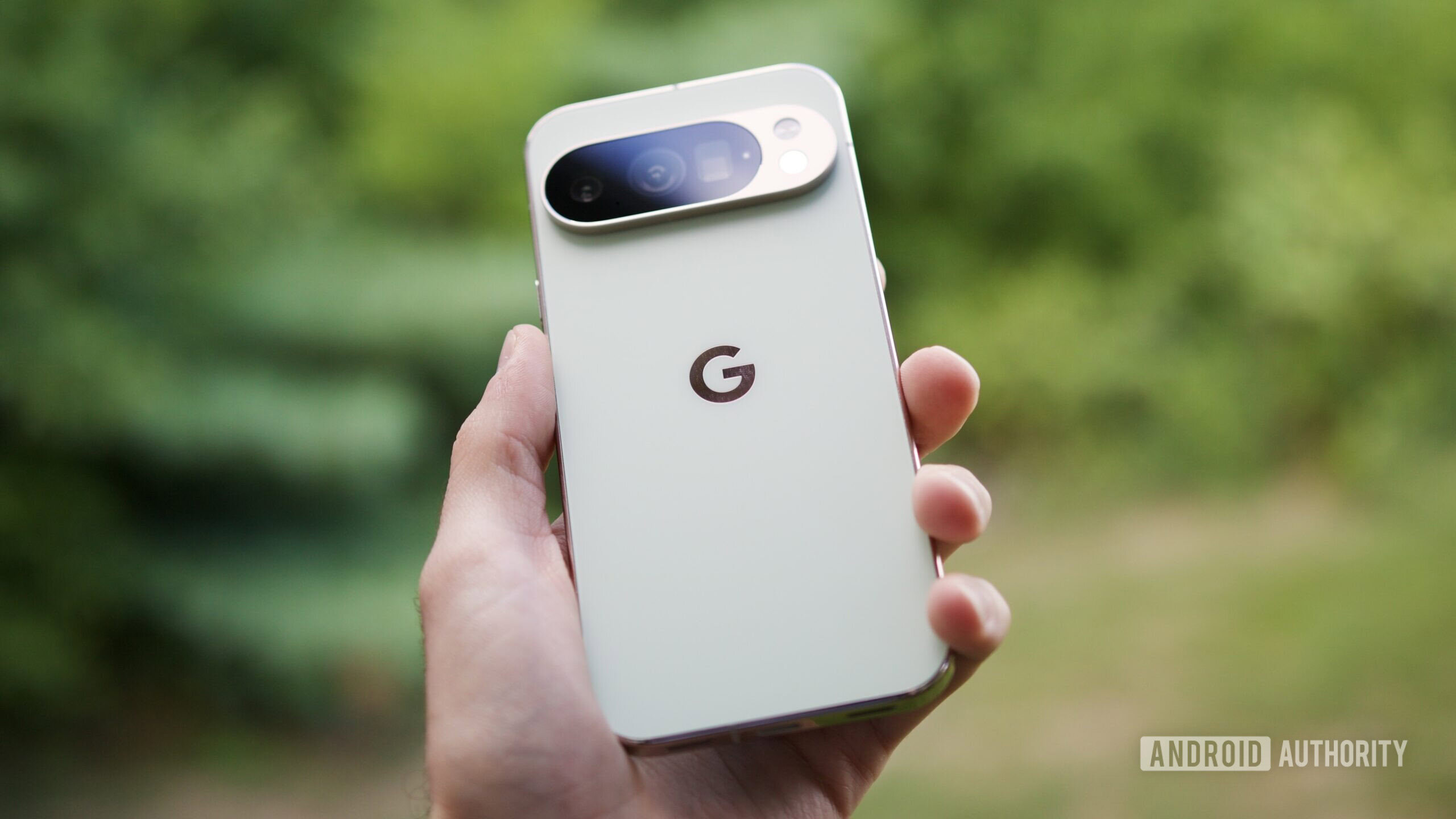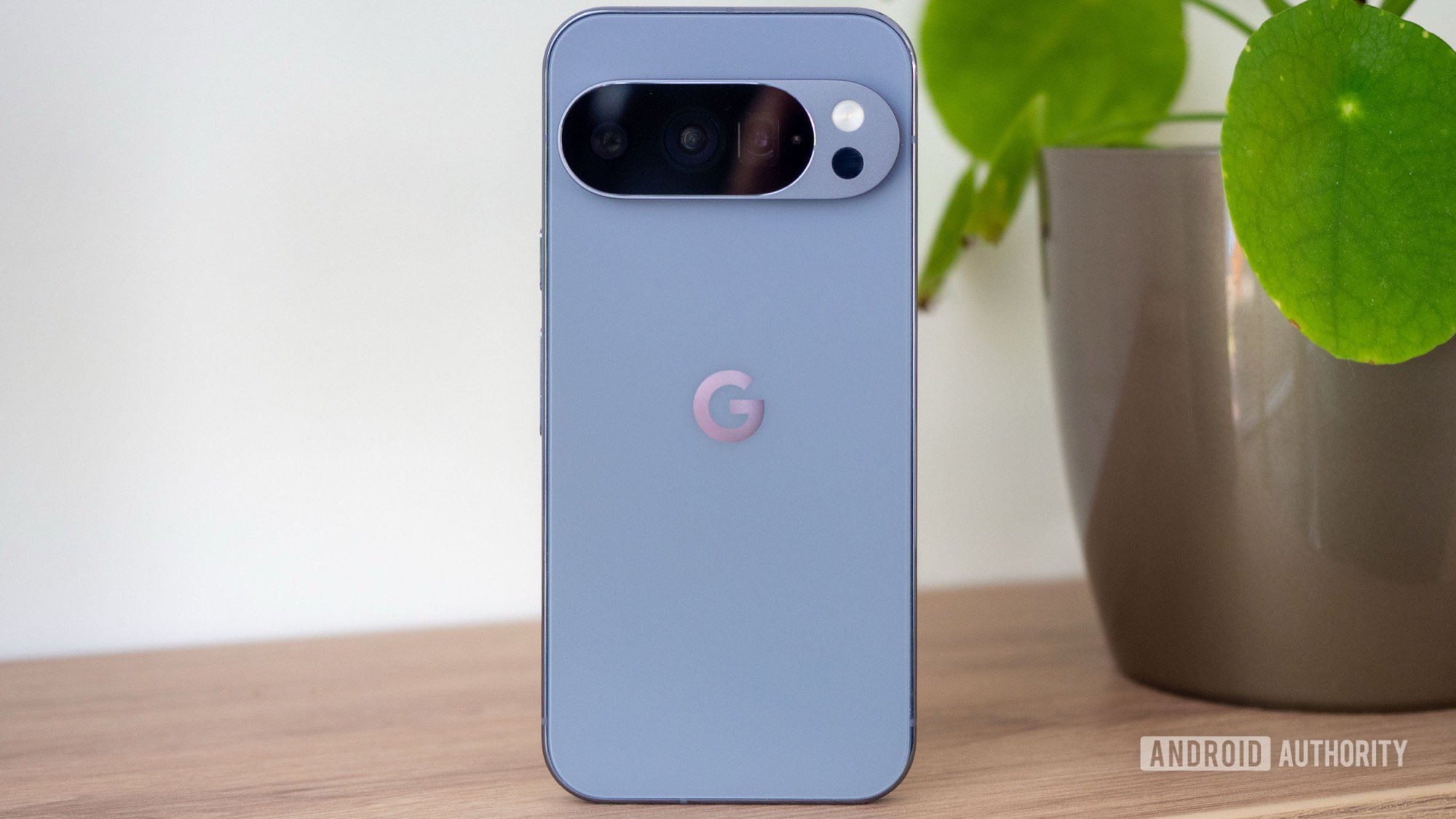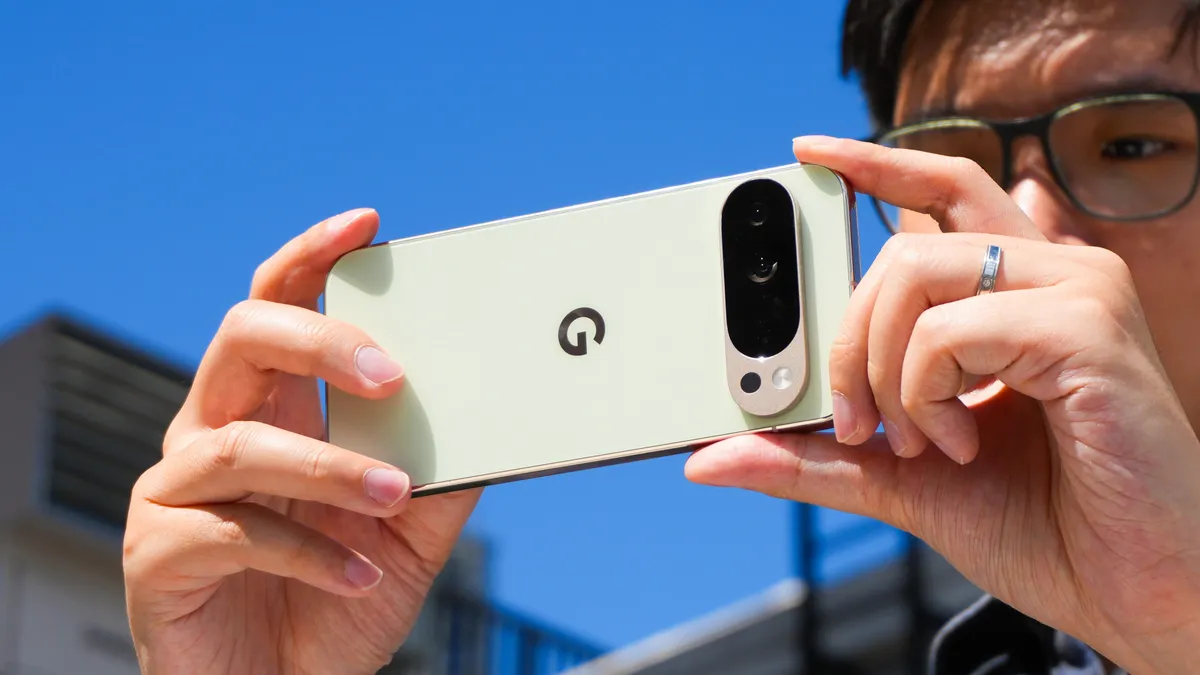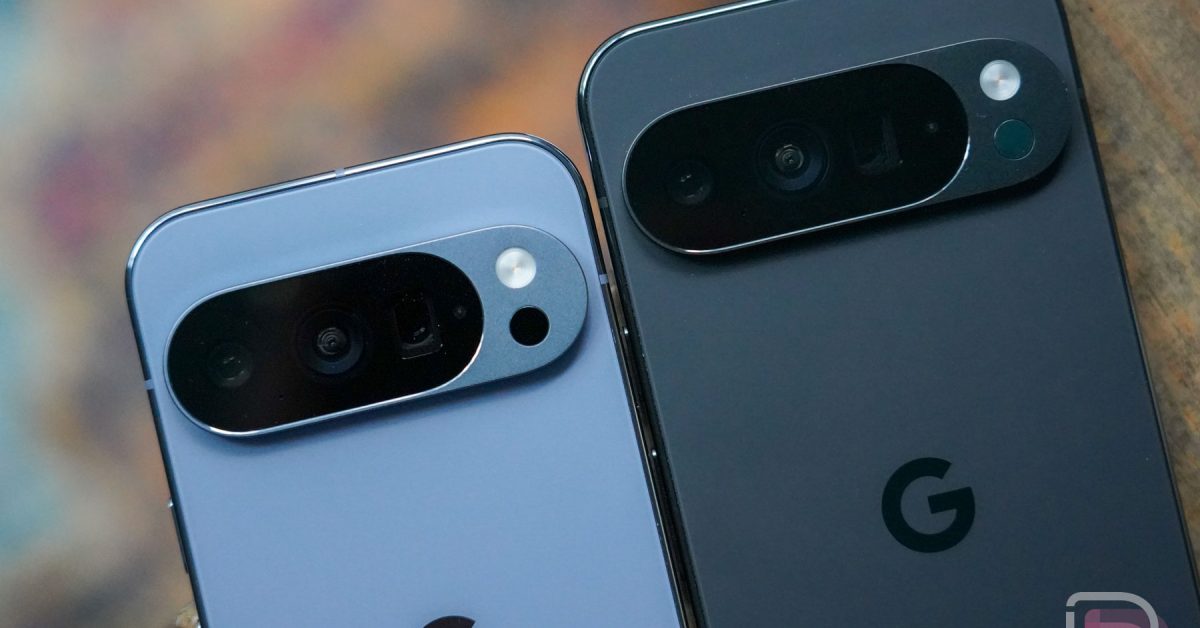
The iPhone 17 Pro and Pixel 10 Pro both feature high-quality triple-lens cameras with similar hardware, but differ in processing and AI capabilities. The iPhone excels in video features and natural photo rendering, while the Pixel offers more saturated images and advanced AI-based editing tools. Price-wise, they are comparable, with personal preference playing a key role in choosing the better device for photography.
Google's Pixel 10 and Pixel 10 Pro smartphones are on sale during Amazon's Prime Big Deal Days, with significant discounts and new features like Qi2 wireless charging support, making them attractive high-end Android options. The Pixel 9a is also discounted, and the Pixel 10 series offers advanced camera and performance features, especially in the Pro models.
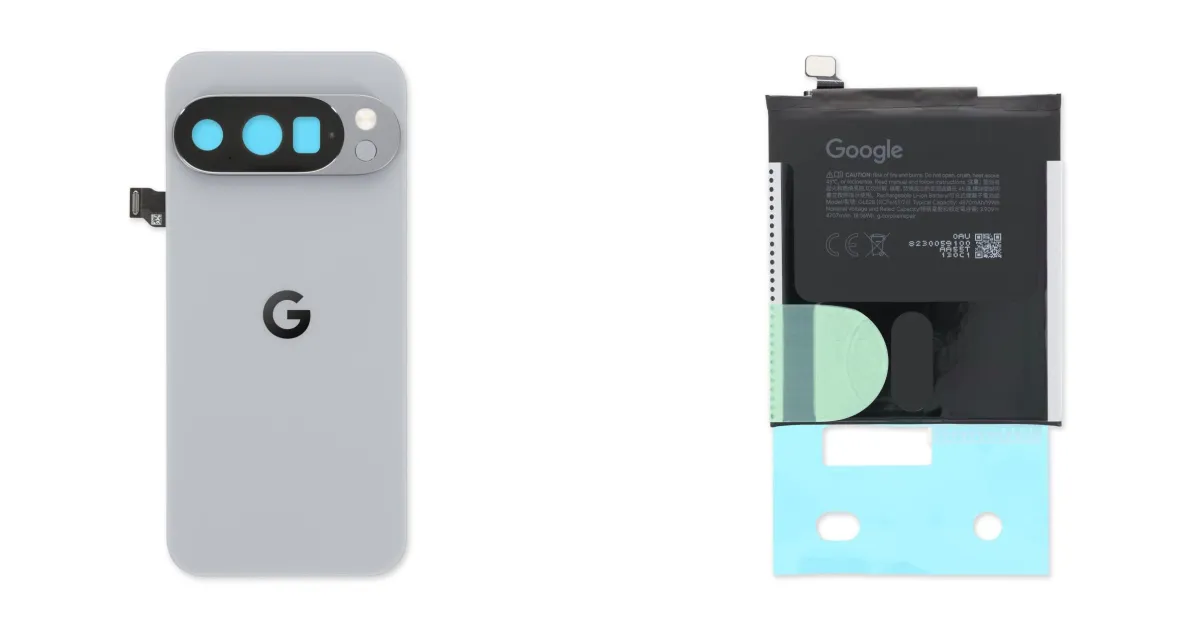
Genuine repair parts for the Pixel 10 series are now available, with the Pixel 10 Pro featuring a more expensive screen and back glass, but cheaper batteries and cameras. Google and partners are also hosting an event to promote repairability and educate consumers on repair options.
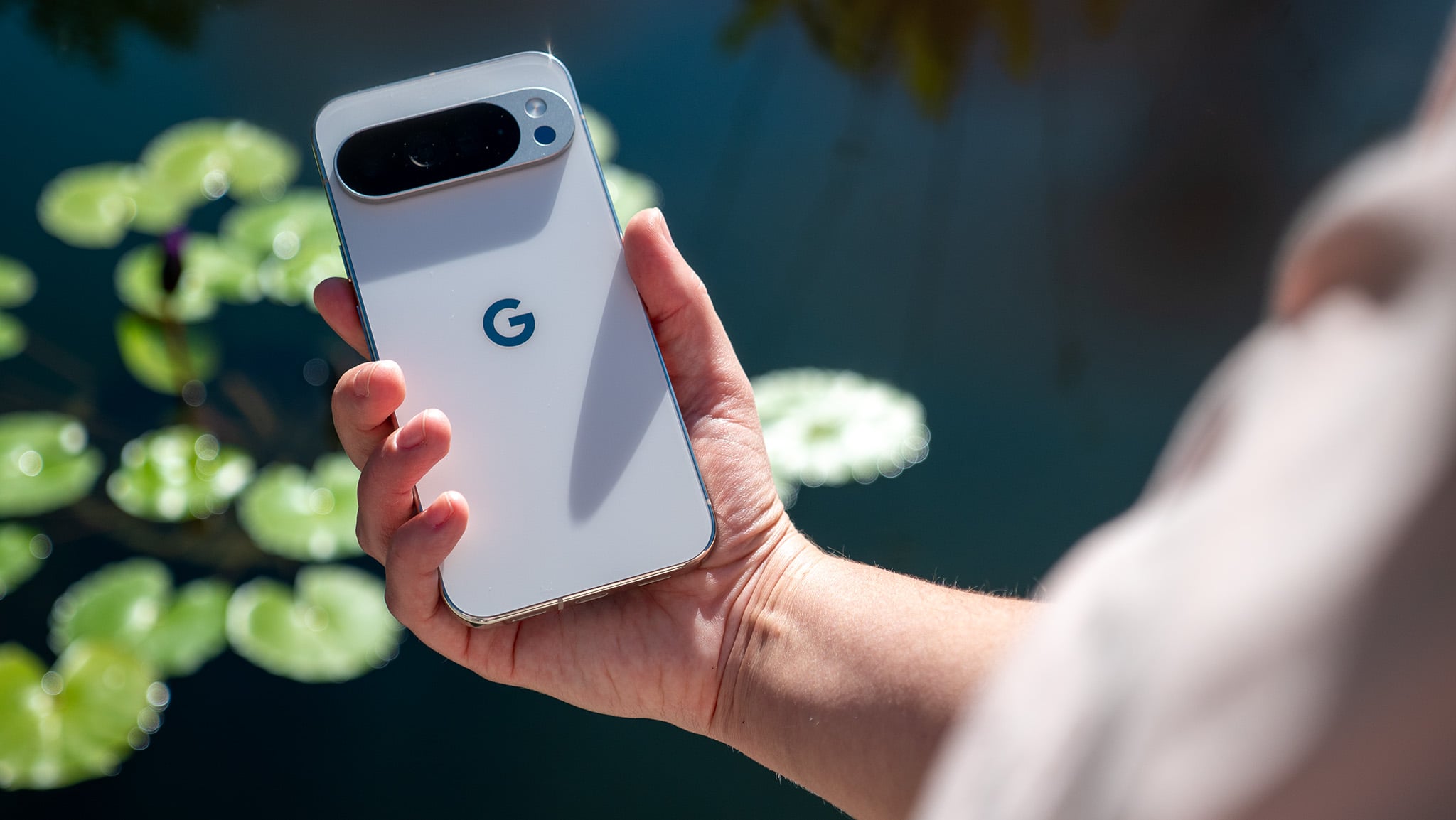
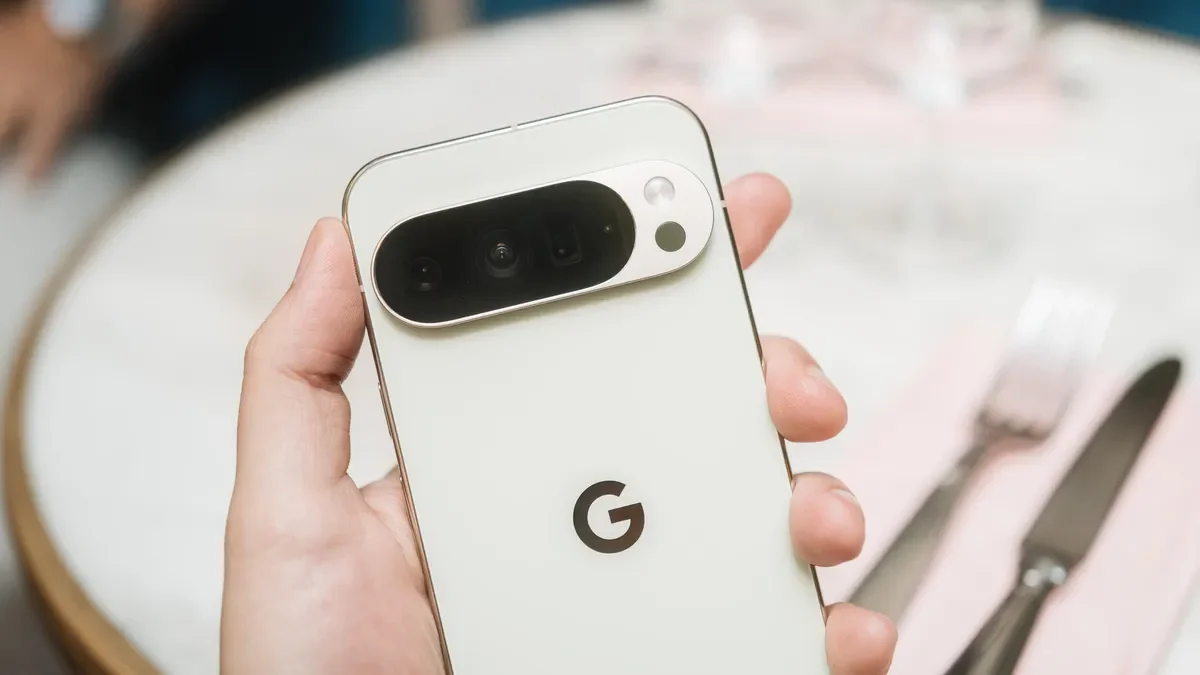
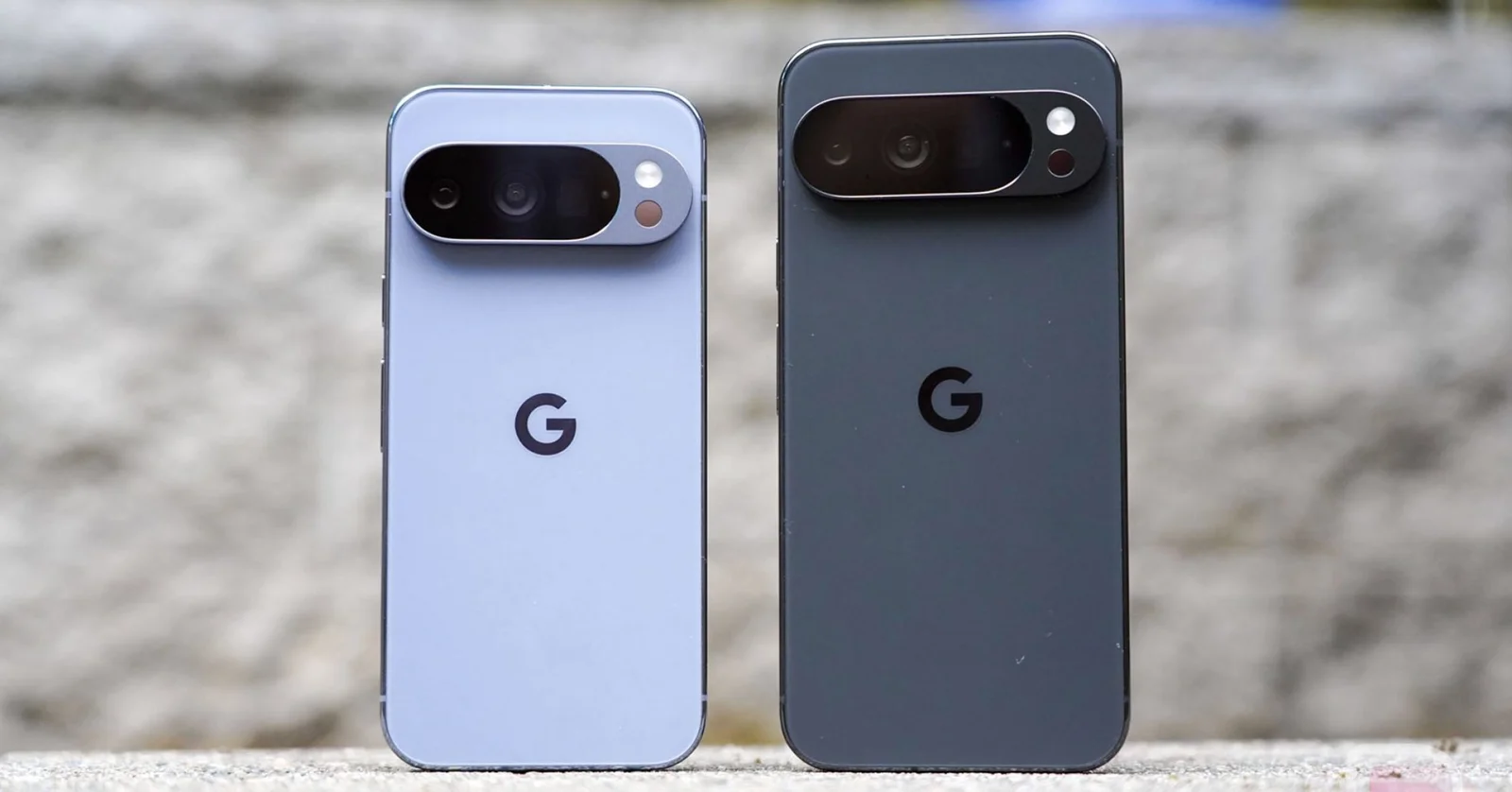
The article compares the size and weight of the iPhone 17 Pro and Pixel 10 Pro, highlighting that despite similar features, the Pixel 10 Pro is thinner and lighter than the iPhone 17 Pro, making it a more appealing option for those concerned about device bulkiness.
The Pixel 10 Pro's Pro Res Zoom feature is highly impressive, allowing up to 100x zoom with AI enhancement that produces surprisingly usable photos, especially of objects and distant scenes like the Space Needle, though it struggles with small text and moving subjects. The feature showcases Google's advanced AI and hardware integration, making it a standout in smartphone zoom capabilities.
Google is celebrating its 27th birthday with special offers on its products, including $100 prepaid Mastercards with Pixel 10 Pro purchases, up to $350 back on Pixel Watch 4 trade-ins, discounts on Pixel Buds Pro 2, and savings on Pixel 8 Pro and Pixel 9, available through September 28 to October 13, 2025.
The Pixel 10 Pro is highlighted as the best all-around professional smartphone camera due to its advanced features like 100x zoom, RAW photo capture by default, and easy-to-access exposure controls, making it ideal for work photography despite some default overexposure issues in darker lighting conditions.
The Pixel 10 Pro boasts impressive display specs on paper, but its focus on brightness and color accuracy may compromise user comfort, especially for flicker-sensitive individuals, as Google's new 'sensitive eyes' feature with 480Hz PWM dimming is insufficient compared to industry standards. Critics argue that Google's approach prioritizes benchmark metrics over actual user experience and accessibility needs, highlighting a need for more scientifically backed solutions like DC dimming for better comfort.
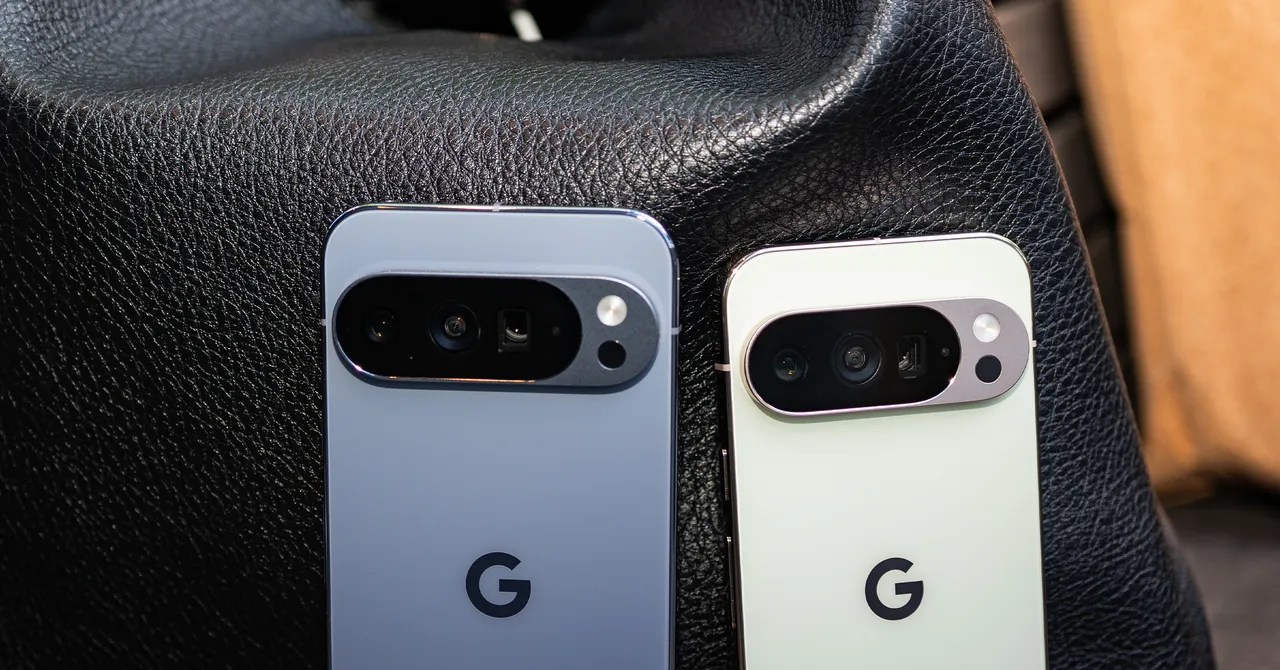
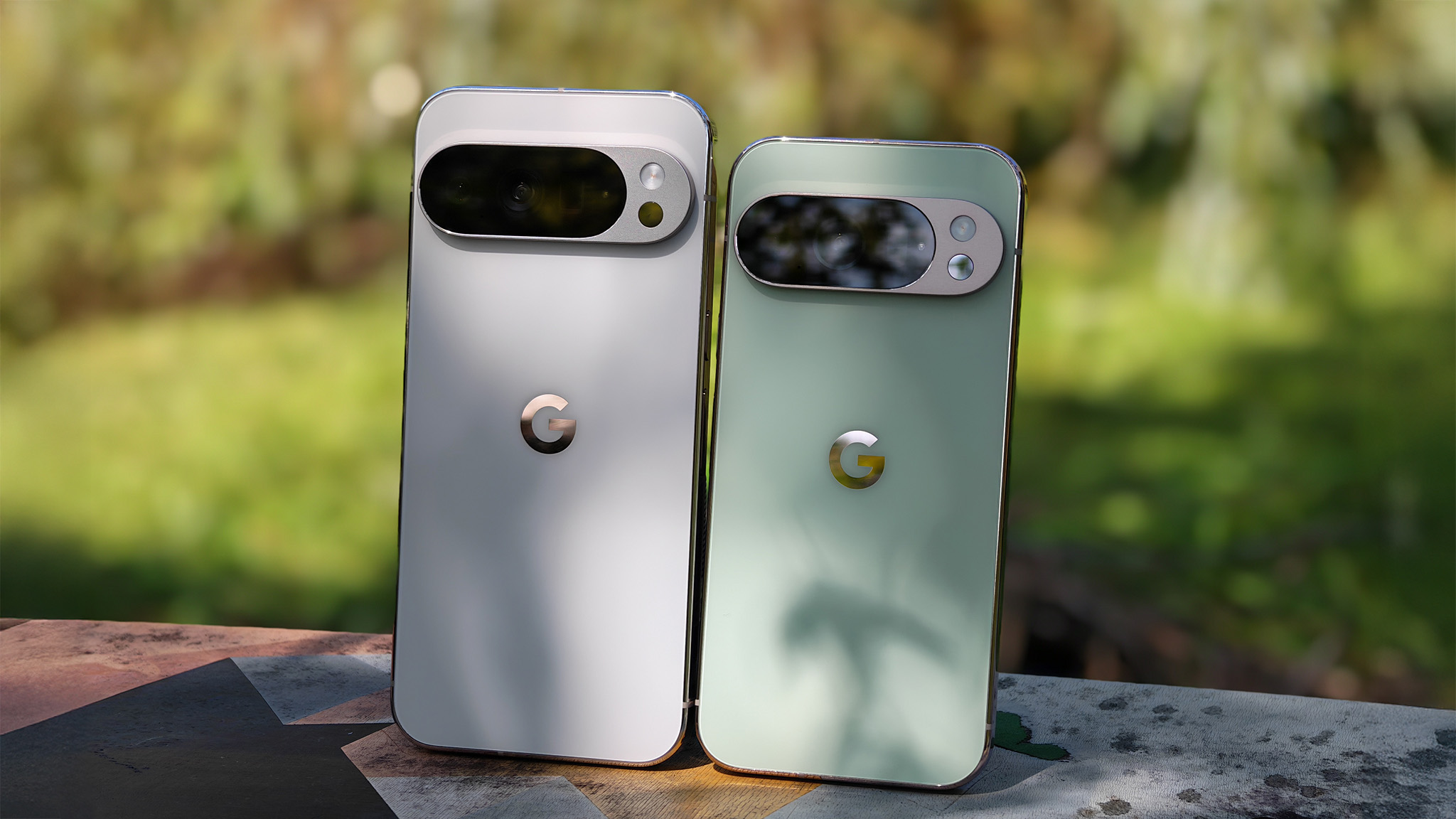
The Pixel 10 Pro and XL are solid, well-rounded Android phones with impressive AI features, good cameras, and a sleek design, but they lack the raw power of competitors like Samsung and Apple, making them ideal for users seeking a reliable, versatile device rather than the absolute best in any single category.
The Pixel 10 Pro's free year of Gemini AI Pro and 2TB cloud storage are marketing tactics designed to lock users into costly recurring payments, making the 'free' offer a trap rather than a genuine benefit, with the real costs becoming apparent after the trial period.
A recent survey with over 3,600 votes reveals that the OnePlus 13 is considered the best alternative to the Pixel 10 Pro, closely followed by the Galaxy S25 and Pixel 9 Pro, with other options like Motorola Razr Ultra and various other phones also mentioned.
Google's Pixel 10 Pro introduces advanced AI-powered camera features like Pro Res Zoom, conversational editing, and AI metadata, leveraging large language models and custom AI models to significantly enhance smartphone photography and user experience, with a focus on transparency and education about AI capabilities.
Google is offering a $200 store credit with the purchase of Pixel 10 Pro or Pixel 10 Pro XL, expiring September 4, which can be used for accessories or the Pixel Watch 4, making it a good deal for potential buyers.
Google's Pixel 10 Pro introduces 'Pro-Res Zoom,' which uses AI to generate images beyond optical zoom, creating highly processed pictures that resemble photos but are essentially illustrations or hallucinations, especially at extreme zoom levels. While the feature can produce impressive results with detailed subjects, it often fails with less defined images, leading to surreal or inaccurate representations. Google discloses when AI editing is used via metadata, but the technology raises questions about the authenticity of images captured at high zoom levels. The author prefers traditional photography over AI-generated images, emphasizing personal responsibility in interpreting digital images.
The Pixel 10 Pro's 100x zoom feature is not available out of the box but can be enabled by updating the Google Camera app and the device software. The feature is limited to 12MP photo exports and may require toggling display settings for optimal refresh rate. A simple update fixes the issue for most users.