Pokémon Go is introducing a rare $20 Premium Pass with a Gold Bottle Cap that boosts a Pokémon's stats to 100%, sparking concerns about pay-to-win dynamics. The item will be very rare, available through a paid event pass, and designed to enhance gameplay without destroying game balance, as confirmed by the game director.
Warzone players are frustrated with a new pay-to-win controversy as Black Ops 6 owners receive a permanent 30% XP boost, allowing them to level up faster than those without the game. This incentive aims to drive sales for Treyarch's 2024 release, but has sparked debate over fairness, as non-owners face a more challenging grind to reach Prestige Master. While some argue it's not a true pay-to-win mechanic, the disparity in progression speed has left many players dissatisfied.
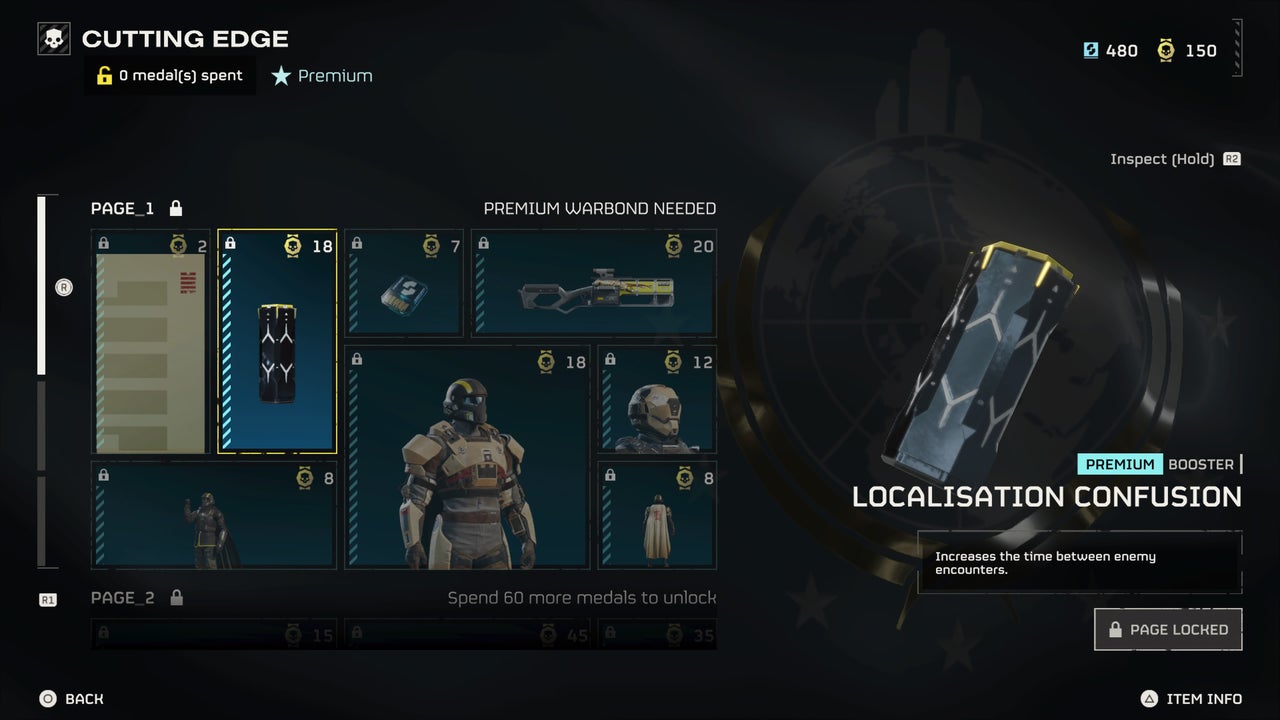
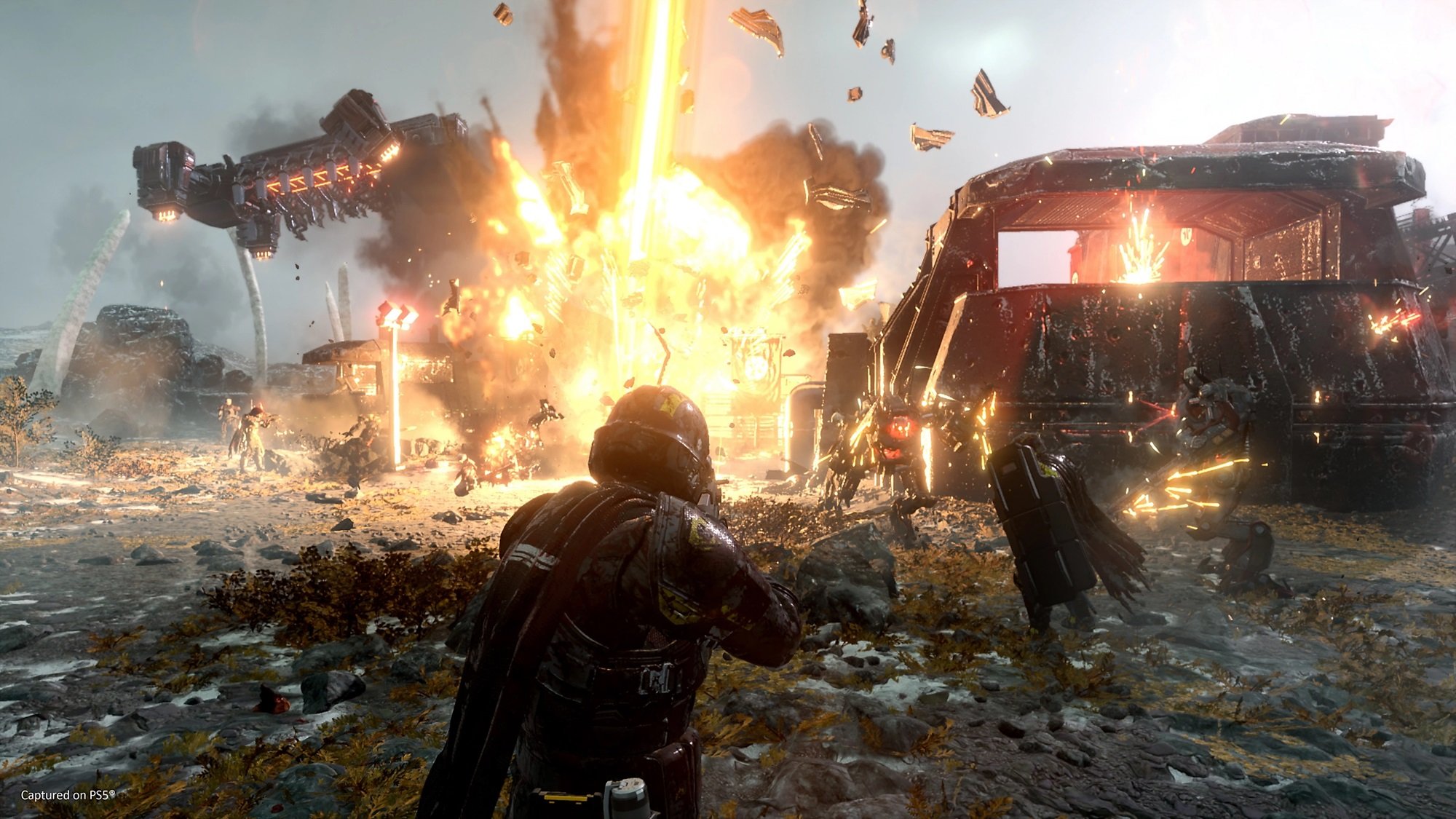
Helldivers 2 has introduced a new premium Warbond, called Cutting Edge, which has sparked debate among players about whether it veers into pay-to-win territory. The Warbond, purchased with virtual currency, offers exclusive items that some argue provide an advantage in the game. While the CEO of Arrowhead has defended the game's microtransactions, the community remains divided on the issue. Despite this, the game continues to see updates and community engagement, solidifying its position as a surprise hit in the gaming world.
Helldivers 2's creative director, Johan Pilestedt, emphasizes the need for games to "earn the right to monetize," explaining the game's approach to microtransactions. While the game offers a paid battle pass with some exclusive items, Pilestedt assures that the core experience remains unaffected, with no pay-to-win elements. He also pledges that Arrowhead will never force microtransactions on players, emphasizing the importance of earning the right to monetize.
Helldivers 2, developed by Arrowhead, has achieved great success without resorting to a pay-to-win model, allowing players to unlock everything in-game without spending money. Arrowhead CEO Johan Pilestedt emphasized the importance of "earning the right to monetize," stating that while players can support the game with real money, they are not forced to do so. Despite offering in-game purchases, the $40 premium game ensures that none of these purchases result in a pay-to-win scenario, with Pilestedt acknowledging that the only potentially advantageous item is not particularly effective in gameplay.
Arrowhead, the developer of Helldivers 2, insists that the game is not pay-to-win despite featuring microtransactions for items that affect gameplay. The $39.99 co-op shooter has garnered positive reviews but has faced criticism for its monetization model, including a premium battle pass and direct purchases with real-world money. Arrowhead CEO Johan Pilestedt defended the game on Twitter, stating that they aimed to avoid a pay-to-win model and that players have the option to support the title without being forced to do so. Despite login issues and progression tracking problems, Helldivers 2 has received mostly positive reviews from players.
The creative director of Helldivers 2, Johan Pilestedt, emphasized the importance of not making the game pay-to-win despite the inclusion of microtransactions, stating that games need to "earn the right to monetize." He explained that while the game does have premium currency and items that can be purchased, they can also be obtained through gameplay, and players are not forced to spend money. Pilestedt highlighted the team's philosophy of allowing players to support the title if they choose to, without imposing it on anyone.
Helldivers 2 has received mixed reviews on Steam, with some players experiencing crashes and issues with the nProtect GameGuard anti-cheat software. Complaints also include server issues and criticism of the game's Battle Pass system, which some players argue creates a pay-to-win situation. The lead producer has acknowledged the issues and stated that the team is working to resolve them, while the game continues to attract strong sales and peak concurrent players.
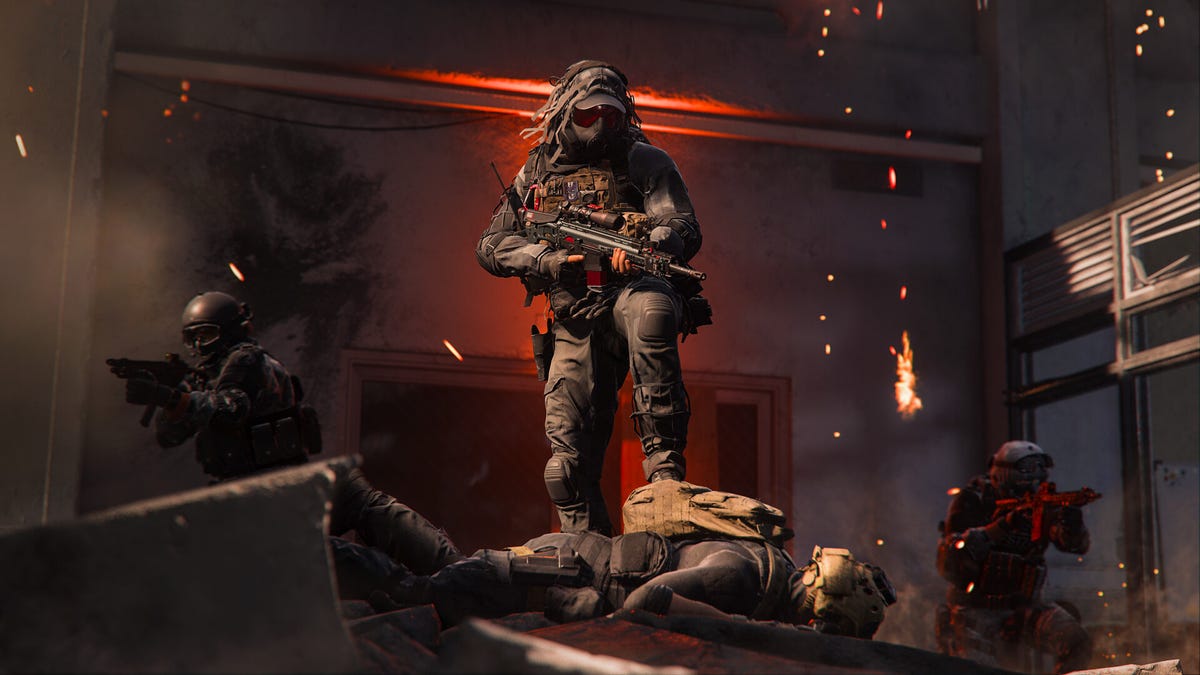
The Groot skin, also known as the Gaia skin, in Modern Warfare 3 has been temporarily disabled due to complaints from players about its "pay-to-win" nature and visibility issues. The see-through nature of the skin made it difficult for players to see in combat, similar to the controversial Roze skin from a previous game. The developers have acknowledged the concerns and plan to re-enable the skin in a future update with changes to improve target identification.
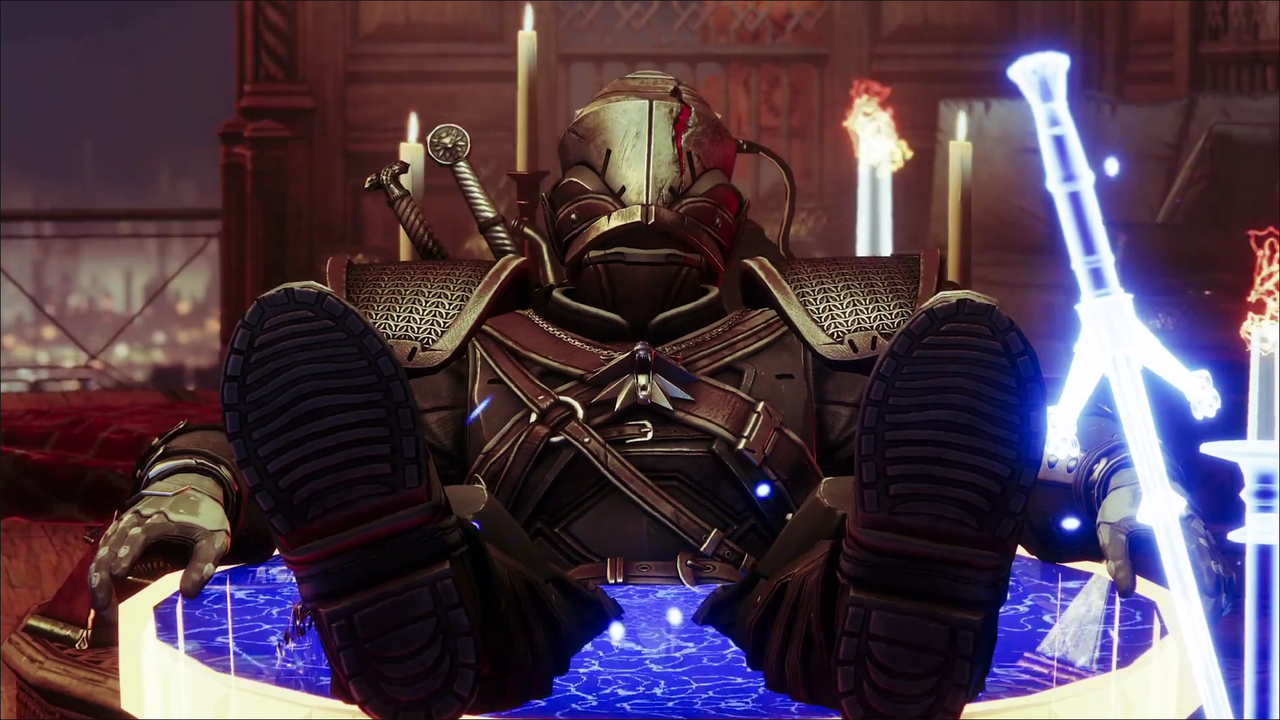
Bungie has removed a $15 "starter pack" microtransaction for Destiny 2 after facing backlash from players over concerns of it being pay-to-win. The pack contained powerful guns and in-game materials that would normally take hours to earn, crossing the line from cosmetic and time-saving mechanics into the realm of pay-to-win. Concerned players expressed their disdain through negative reviews and user tags such as "Capitalism," "Crime," and "Psychological Horror." This controversy comes at a difficult time for Bungie, following a disappointing expansion and poor player engagement. Bungie has not commented on the matter, but has removed the item from their store.
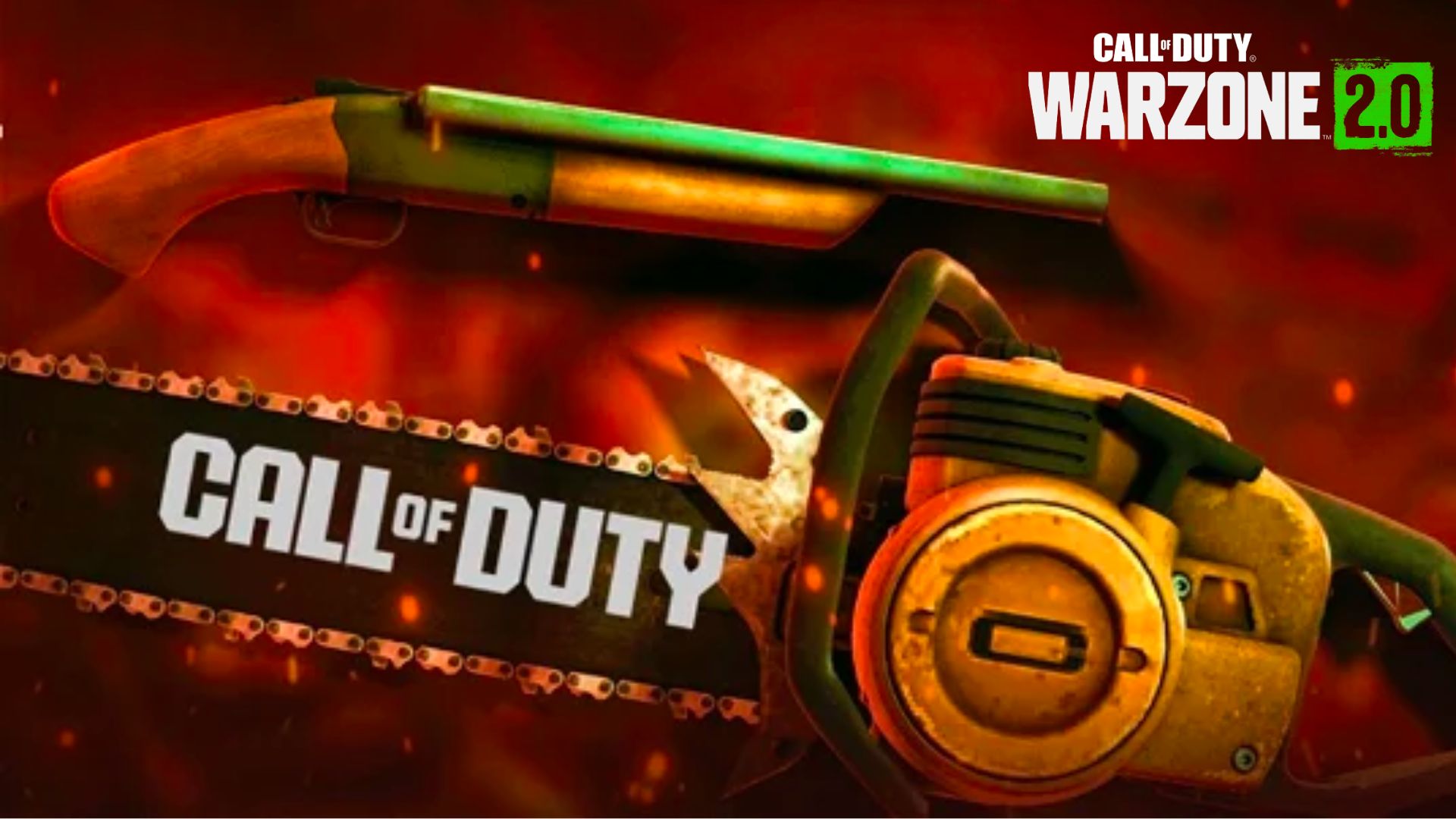
Call of Duty Warzone players are criticizing the "broken" Super Shotgun in the Doom bundle, labeling it as "pay to win" and urging developers to make immediate changes. Some players are frustrated with the impact of the bundle on game balance and are taking a break from Warzone until adjustments are made. However, significant changes may have to wait until the release of Modern Warfare 3.
Call of Duty Warzone players are criticizing the new Gaia skin in Season 6, calling it "broken" and "pay to win." The skin, which features a Groot-like tree appearance, is difficult to see in dark environments or bushes, leading to complaints about its visibility. Some players have compared it to previous skins that allowed players to hide in shadows. While some argue that the Blackcell version of the skin is "pay to lose," overall dissatisfaction remains. Concerns have been raised about the lack of updates to address these complaints before the release of Call of Duty: Modern Warfare 3.
Call of Duty: Warzone players are unhappy with the introduction of a new cosmetic bundle that provides significant advantages in the game's DMZ mode. The $12 Bomb Squad bundle gives players a skin for Fender, a SAKIN MG38 LMG blueprint, an active duty slot, a sticker, and an emblem. Equipping Fender's skin gives players a medium backpack, and the LMG has a shorter cooldown compared to free guns. Fans are taking to Twitter to express their disappointment with the game becoming "pay-to-win." More bundles that provide DMZ advantages could be on their way, according to a datamine on Reddit.
Call of Duty and Warzone 2 players are accusing Activision of introducing a "pay-to-win" bundle into the game's real-money marketplace with the Season 3 DMZ Bundle. The bundle offers more Active Duty Operator Slots and Perks for those willing to pay, leading to backlash from fans on the game's subreddit. It remains to be seen how the developers will react to the criticism.
Fans of Call of Duty: Warzone 2.0's DMZ mode are concerned that premium skins included in the game grant unfair, game-breaking bonuses, turning the game into a virtual pay-to-win scenario. Some of these premium skins contain arguably unfair permanent boosts to inventory capacity, while other upgrades revealed via datamine suggest that future premium skins will offer even greater advantages. The DMZ community is not happy about this, and inserting literal opportunities for folks to buy their way into greater power in a niche mode like DMZ probably isn’t the best way to keep folks eager to continue playing.