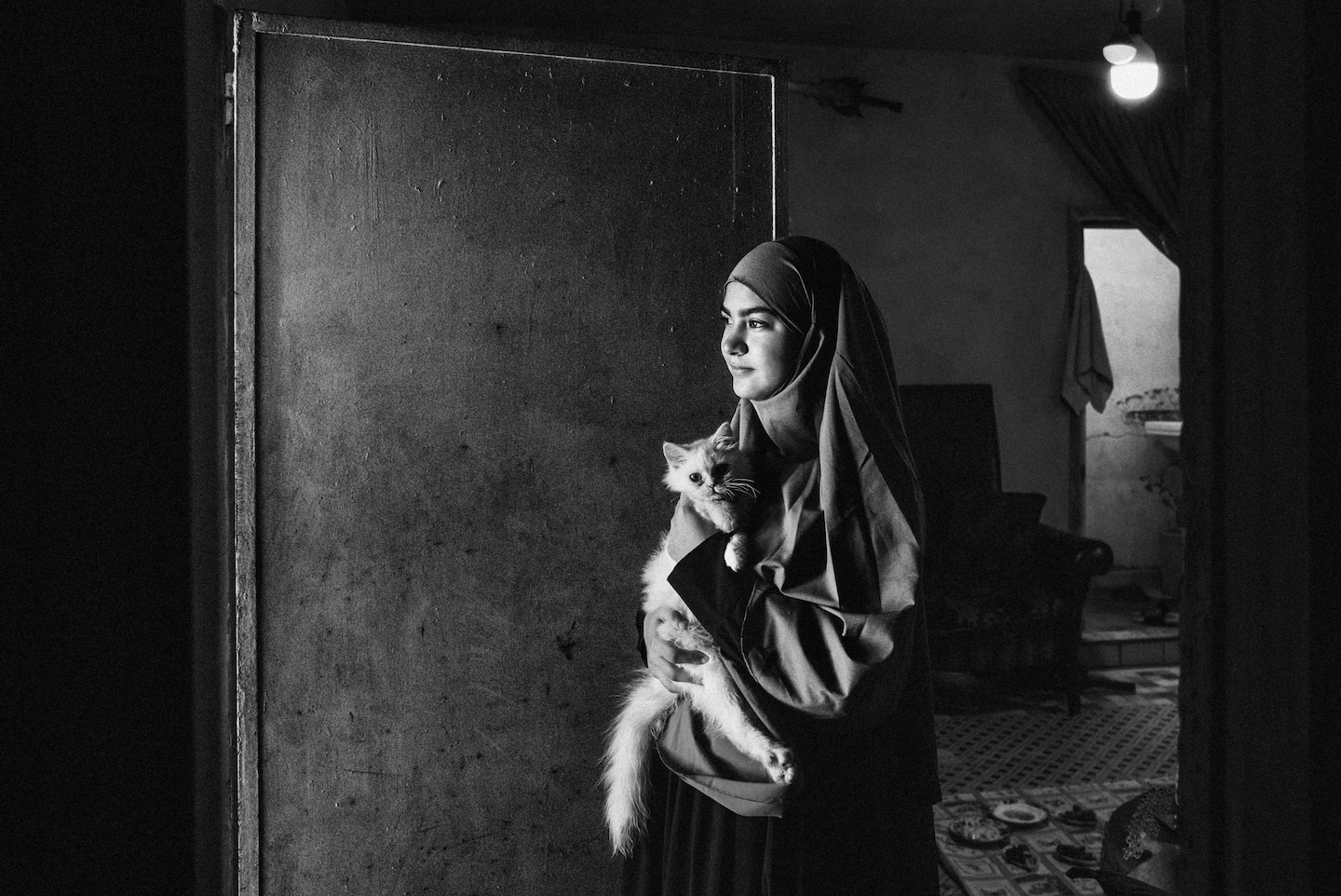
The article explores the enduring impact of the Nakba on Palestinians, highlighting their ongoing exile and the persistent hope for return, through portraits and stories of Palestinian refugees and their experiences across generations.
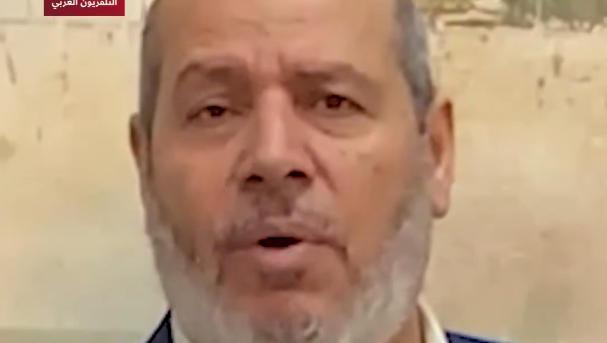
New footage shows Hamas official Khalil al-Hayya in Qatar for the first time since an Israeli strike targeted him, during which his son was killed and his wife wounded. Al-Hayya spoke about Palestinian sacrifices and resilience, following other Hamas figures who appeared publicly after similar attacks in Doha. The strikes are part of ongoing tensions between Israel and Hamas.
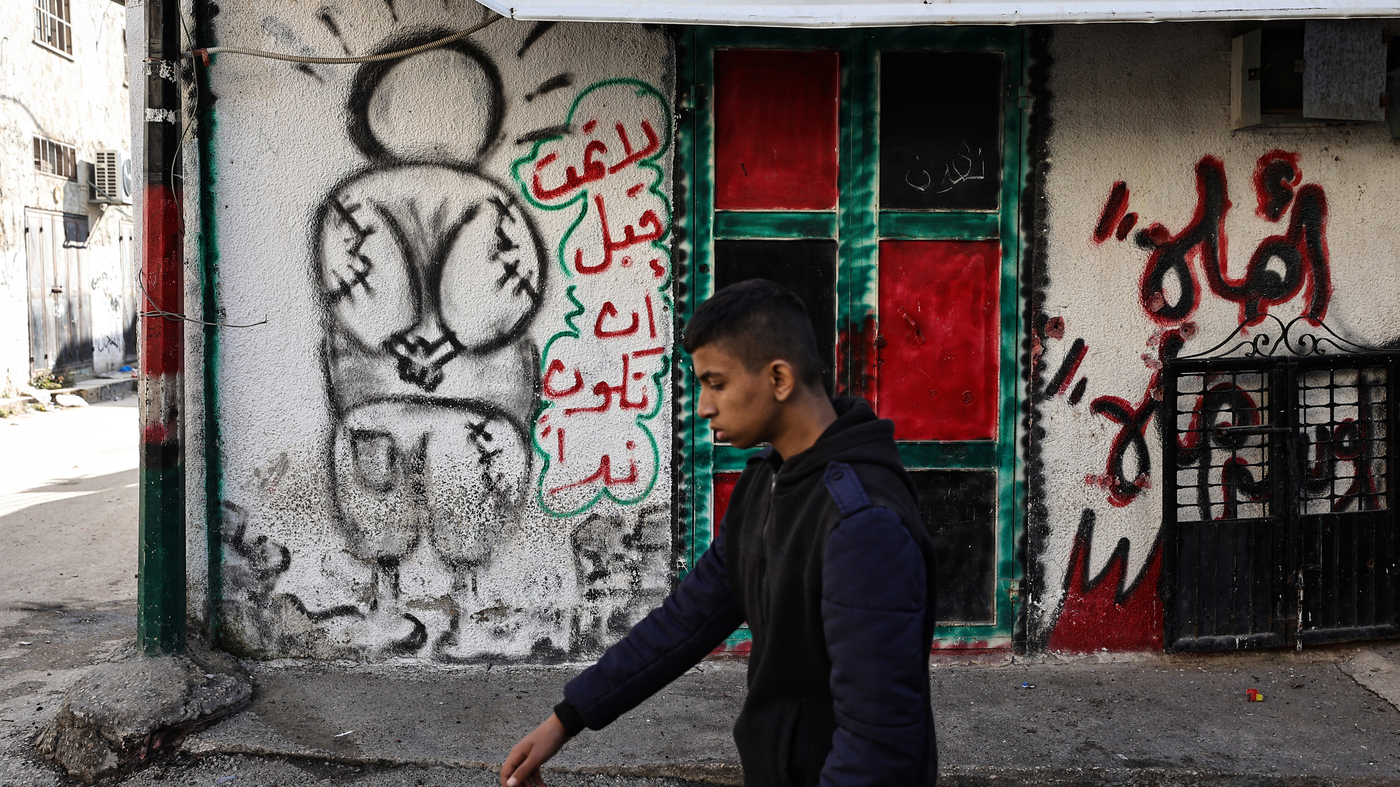
Handala, a character created by Palestinian cartoonist Naji al-Ali, symbolizes the Palestinian struggle and resistance to occupation, remaining relevant amid the Israel-Hamas war. Handala, forever 10 years old, represents insurgency, refusal, and struggle, with his back turned to the world as a rejection of foreign-imposed solutions. Naji al-Ali, a pan-Arab nationalist, created over 40,000 cartoons and was critical of both Israeli and Arab governments before being killed in 1987. Handala's image is popular in street art and graffiti, serving as a symbol of dispossession and resistance for Palestinians and ordinary Arabs.
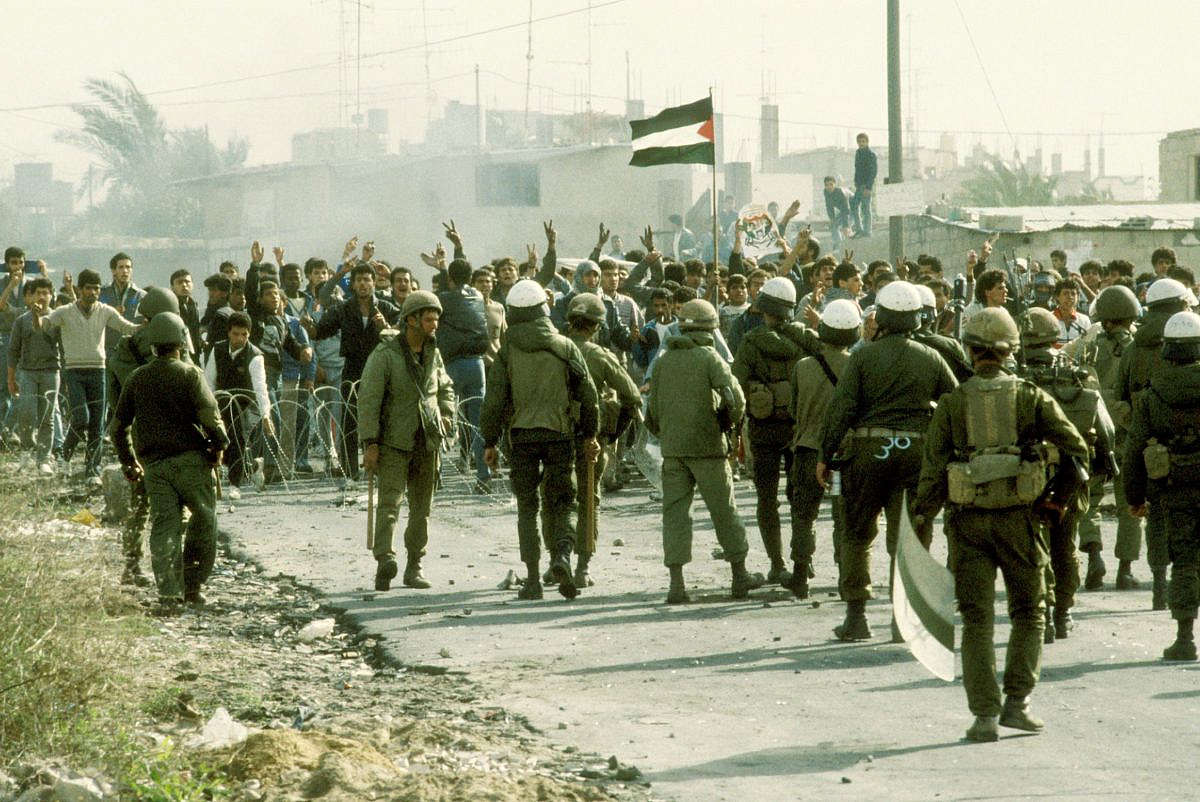
The Gaza Strip has been central to the Palestinian struggle due to its history of dispossession, occupation, and resistance. Despite its small size, Gaza encapsulates key themes of the Palestinian experience, including the Nakba, the establishment of refugee camps, and the rise of Palestinian militancy. The territory has faced various Israeli policies aimed at controlling and reducing its population, and it has been a focal point for both uprisings and international negotiations. The current Israeli military offensive and plans for the mass expulsion of Palestinians from Gaza highlight the ongoing significance of the Strip in the broader Israeli-Palestinian conflict.
Yasmine Mohammed, a Canadian author and activist, argues that many people conflate the Palestinian people with Hamas, the Islamist militant group that runs Gaza. She emphasizes that Hamas does not represent the entire Palestinian population and that their actions should not be equated with the Palestinian struggle. Mohammed highlights the silencing of dissenting voices within Gaza and draws parallels to similar situations in Iran. She criticizes the empowerment of radical Islam by Western liberals and calls for support of free-thinking Muslim individuals rather than endorsing Hamas. Mohammed asserts that the Palestinian people do not want violence or the killing of innocent civilians as a solution to their crisis.