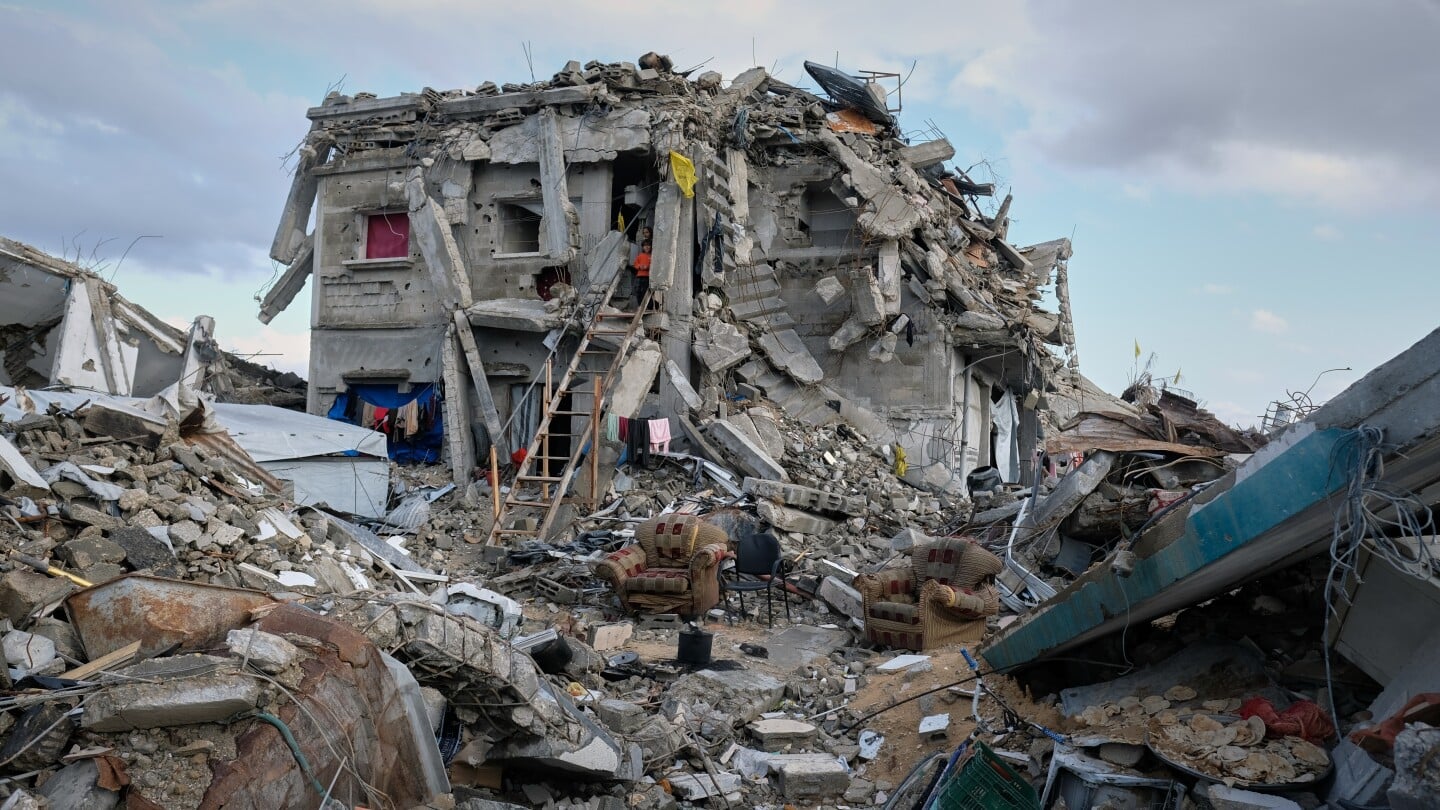
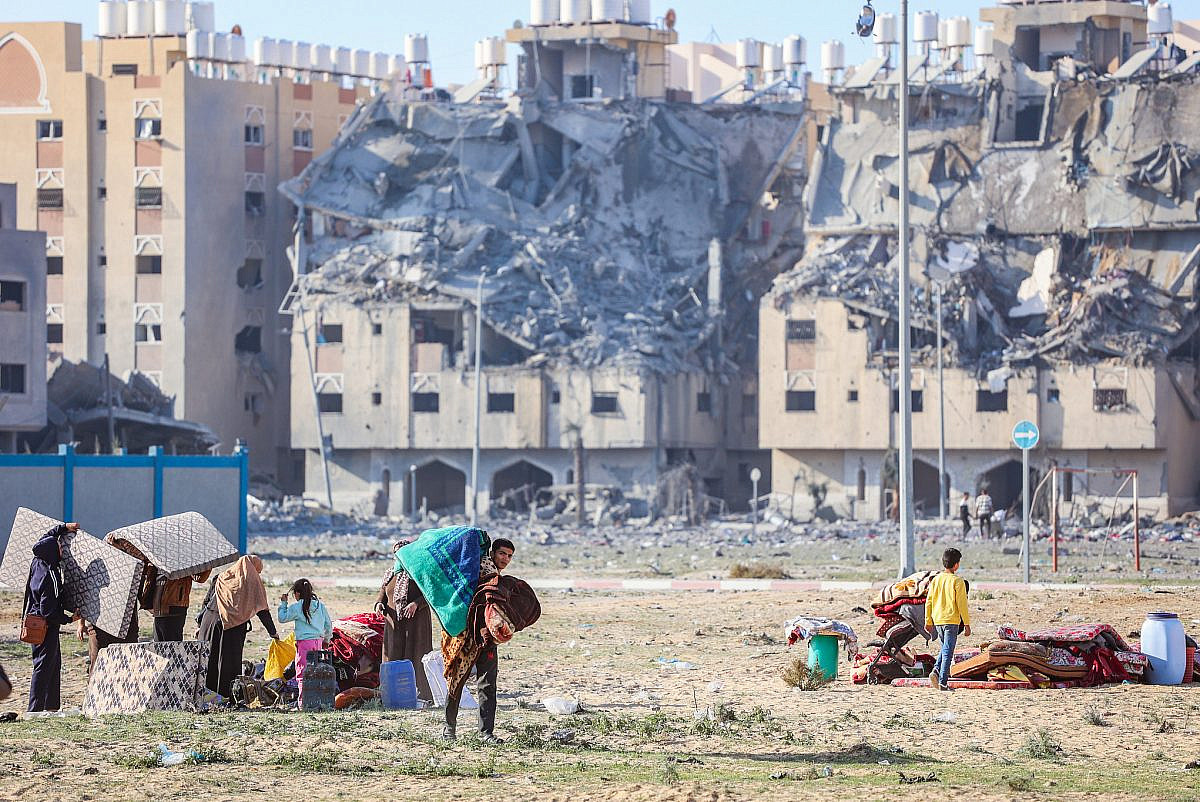
The photo essay depicts Palestinian families in Gaza, like the Halawa family, trying to rebuild their lives amid the ruins caused by Israeli airstrikes and ongoing conflict, highlighting their resilience and the slow process of recovery in a devastated territory.
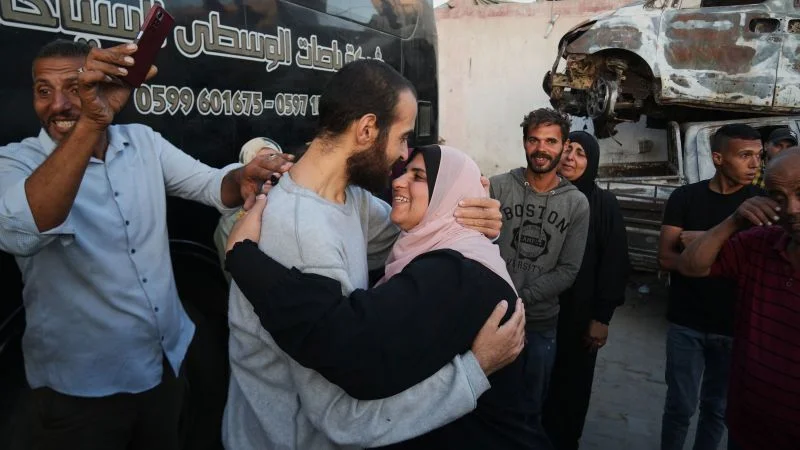
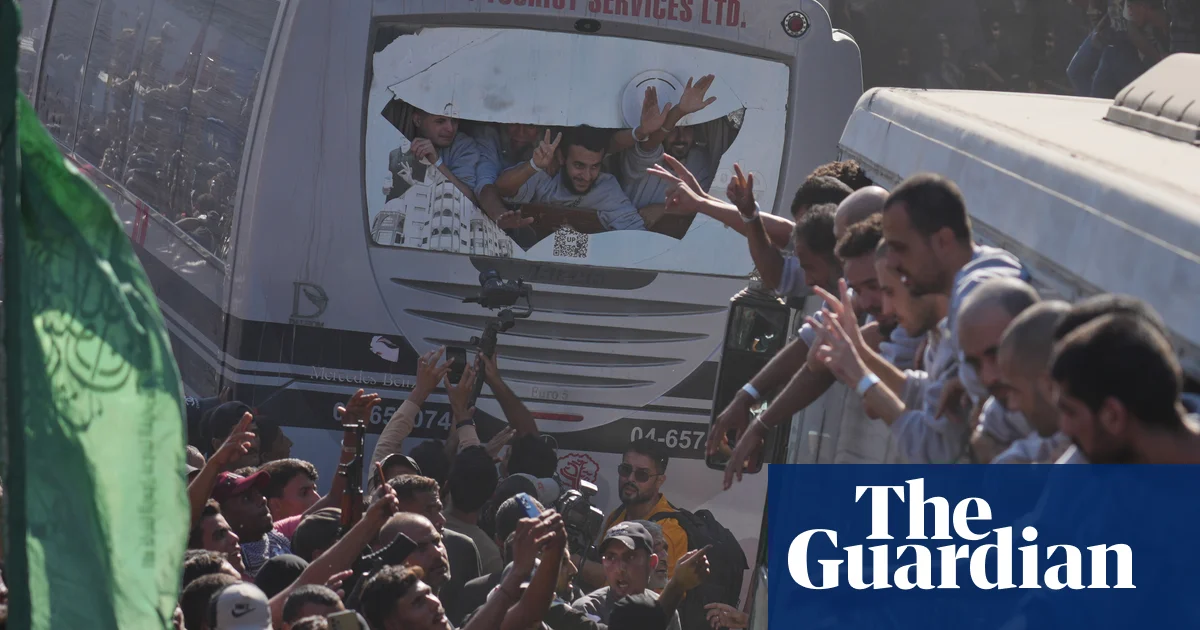
Israel released nearly 2,000 Palestinians from its jails as part of a Gaza ceasefire deal, leading to emotional reunions and celebrations, though allegations of abuse and mistreatment in Israeli prisons have been reported. The released prisoners include members of various Palestinian factions, with some facing ongoing uncertainty due to Gaza's damaged infrastructure and ongoing conflicts.
The article describes the emotional return of 88 Palestinian prisoners released by Israel to the West Bank after being held for years, some for decades, amidst a ceasefire and prisoner exchange following the Israel-Gaza conflict. The scene is marked by joy and sorrow, with families reuniting and some prisoners in poor health, while others face uncertainty due to potential deportations and Israeli restrictions on celebrations.
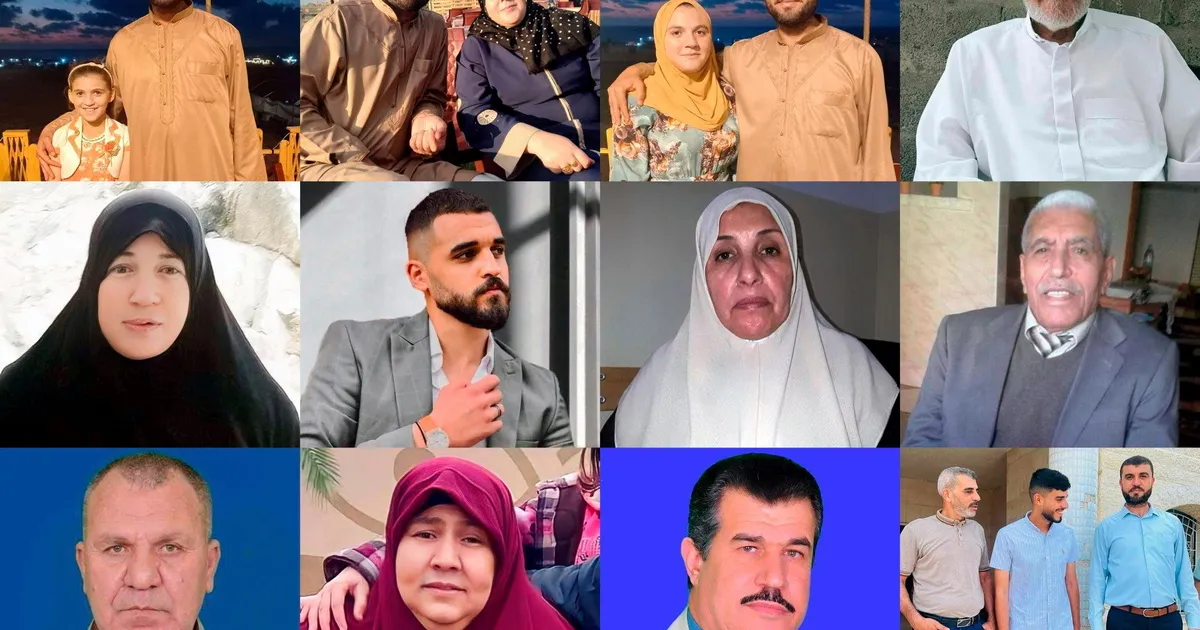
The article highlights the devastating impact of Israeli airstrikes on Palestinian families in Gaza, where entire families have been killed, leaving no one to remember them. The piece criticizes the Israeli government's actions, comparing them to historical atrocities, and questions the justification for such violence. It also addresses the broader context of the ongoing conflict, including the use of human shields and the destruction of civilian infrastructure.
Thousands of Palestinian families in Khan Younis, southern Gaza, are fleeing their homes and shelters as the Israeli army invades the area, leaving them with nowhere to run. Israeli tanks have entered the city, and heavy bombardment has destroyed residential towers. Displaced families are being instructed to evacuate to different areas, but many are left stranded on the streets without shelter. The Israeli government's plan to "thin" Gaza's population by forcing Palestinians across the border into Egypt and Europe is being implemented. The ongoing war is causing immense suffering and displacement for Palestinians.
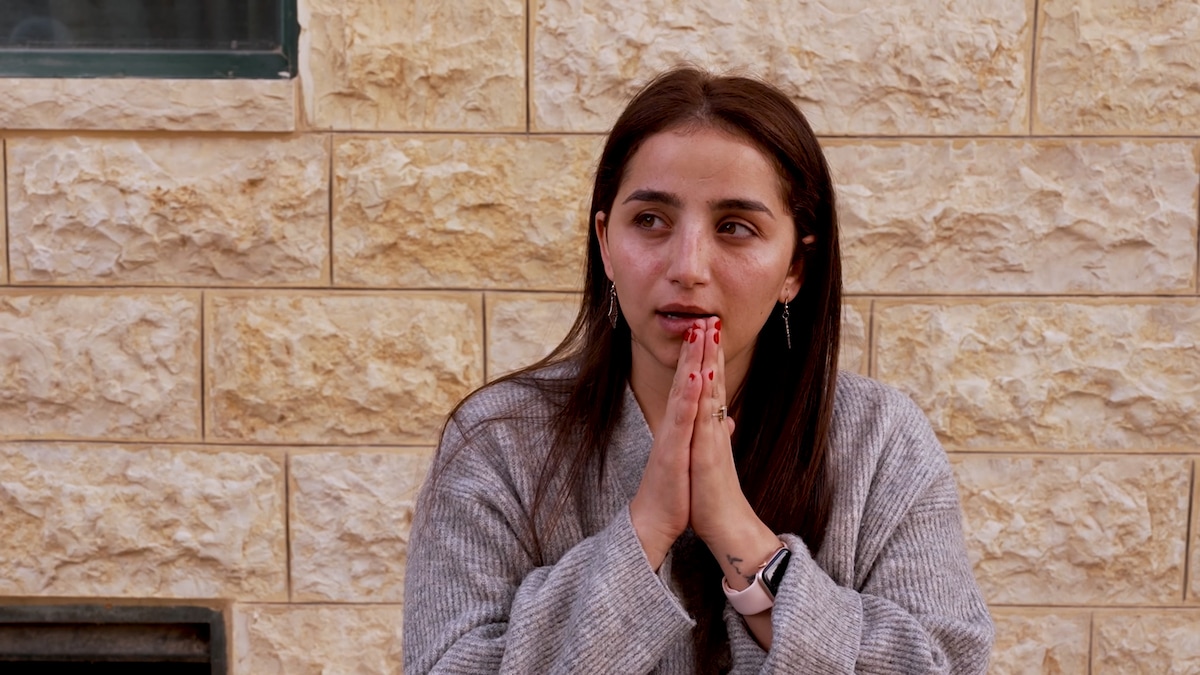
As Israel's bombardment of the Gaza Strip continues, Palestinian families around the world fear for their loved ones trapped in the besieged enclave. The ongoing conflict has resulted in a shortage of basic necessities such as electricity, clean water, and medicine. Families separated by the blockade struggle to connect with each other, causing immense distress. The relentless bombings have left hospitals without supplies or electricity, exacerbating the humanitarian crisis. Many Palestinians, who are descendants of refugees, live in urban refugee camps that have been repeatedly devastated by war. The situation is dire, and there are concerns that Gaza may not recover this time.

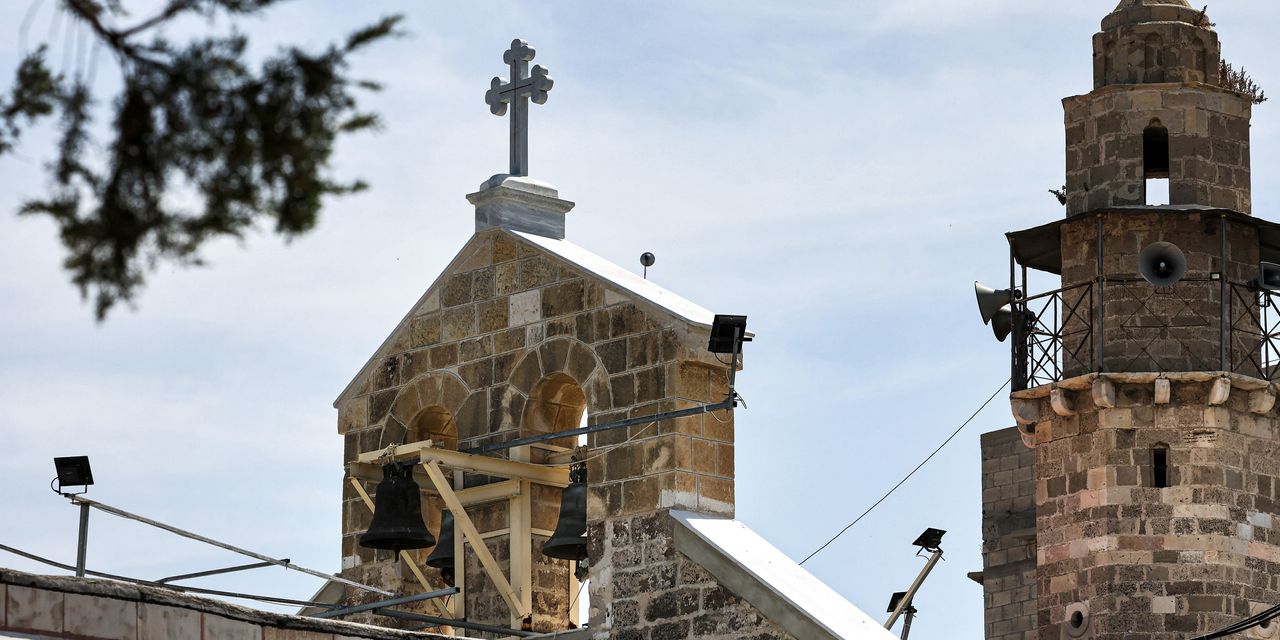
A blast occurred at the St. Porphyrius Greek Orthodox Church campus in Gaza City, where dozens of Palestinian families were seeking shelter. Rescuers are working to pull people out of the rubble, with several reported injuries. The church, one of the oldest in the world, suffered damage. The Israeli military is investigating the incident.