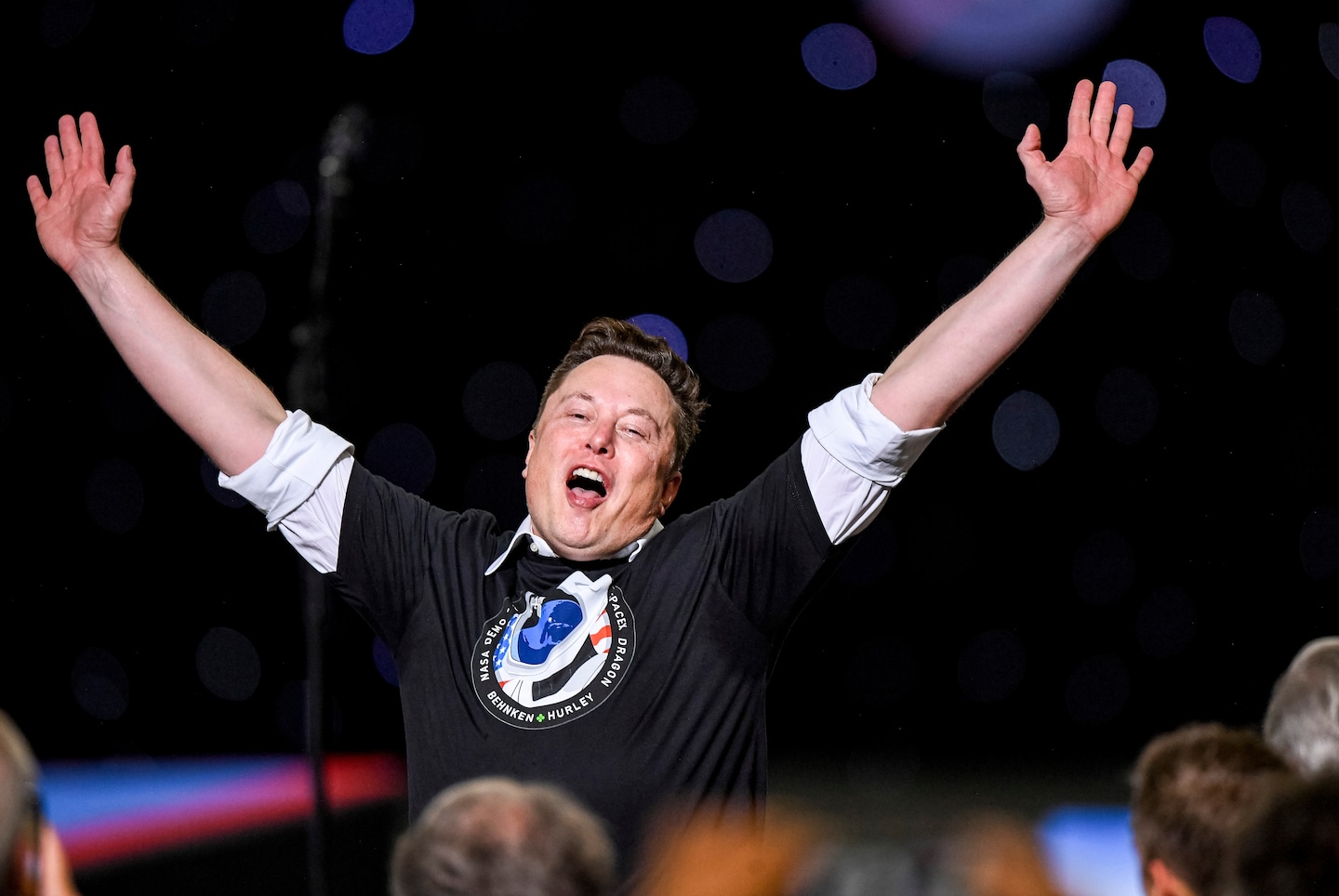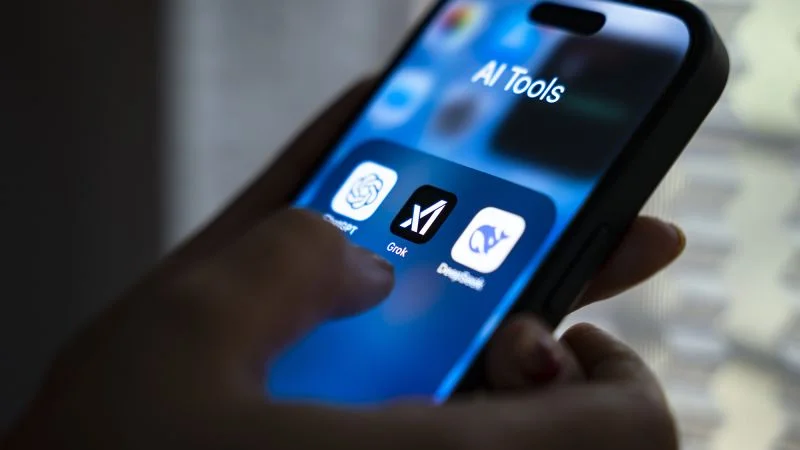
Elon Musk's Grok chatbot has restricted some image generation features to paid X subscribers following controversy over inappropriate content, while other features remain free. The move comes amid global concerns about AI safety and misuse, and despite high user engagement and significant funding for xAI.
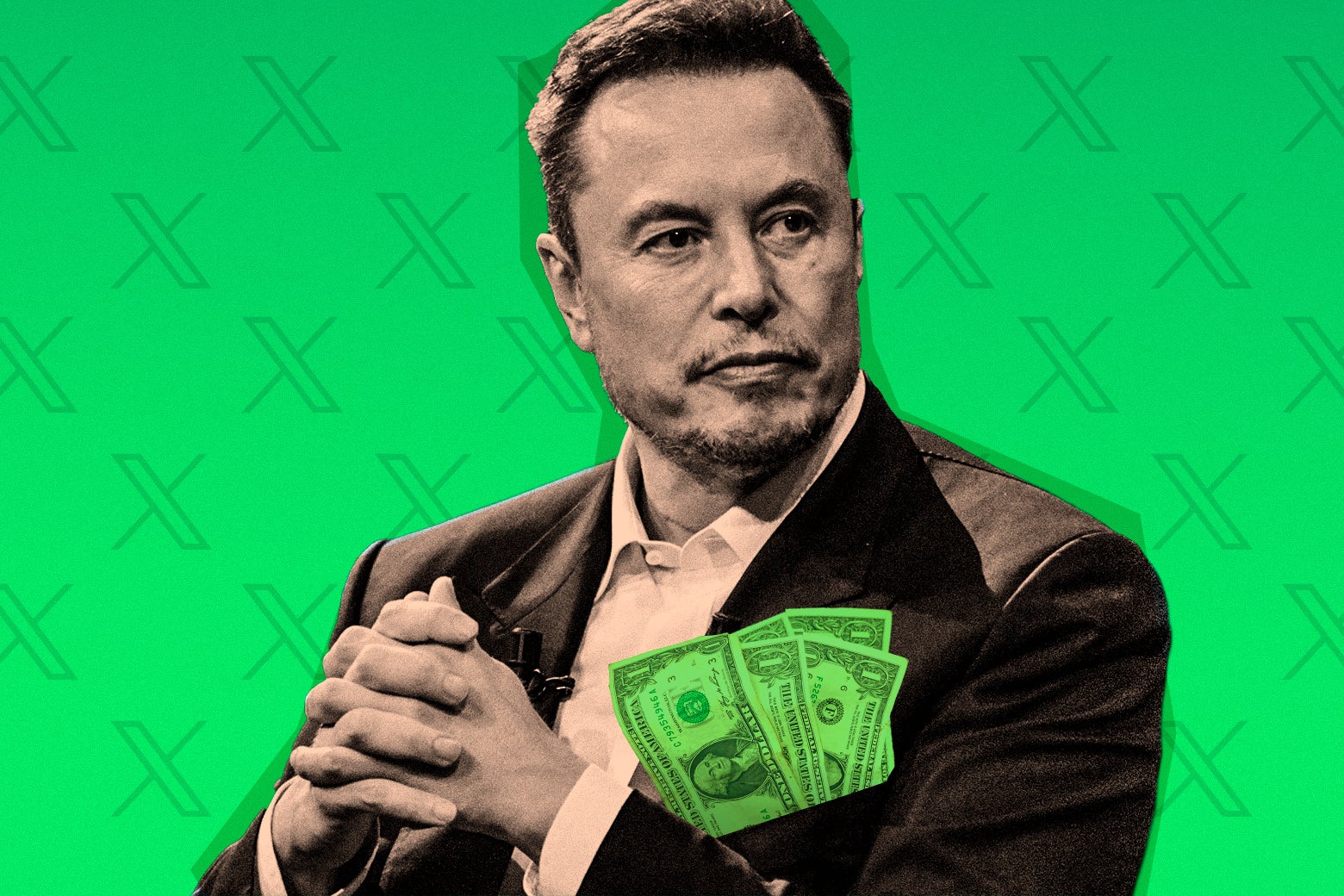
Elon Musk's plan to charge new users $1 per year to tweet or retweet on Twitter, under the guise of fighting bots, is seen as a flawed strategy that won't effectively combat spam. Instead, it is believed that Musk's true intention is to get users accustomed to paying for services on Twitter, as he aims to transform the platform into an "everything app" similar to WeChat. However, the success of this vision is uncertain due to the dominance of Apple and Google in the American market, which take a significant cut of in-app transactions.
X, formerly known as Twitter, will start charging new users $1 per year to access key features such as tweeting and retweeting. The fee is aimed at reducing spam, manipulation, and bot activity on the platform. Existing users are not affected by this change. X also offers a premium subscription service called X Premium, which provides additional features for $8 per month. The move to a paid subscription model has been suggested by X owner Elon Musk as a way to combat bots. Some users have expressed concerns about sharing their credit card information.
TikTok is reportedly testing a paid, ad-free version of its app, giving users the option to pay $4.99 a month to avoid seeing ads. This move comes as TikTok aims to diversify its revenue streams, with the recent introduction of TikTok Shop and increased advertising efforts. Other platforms like Twitter and Facebook are also exploring ad-free tiers to generate income and address privacy concerns.
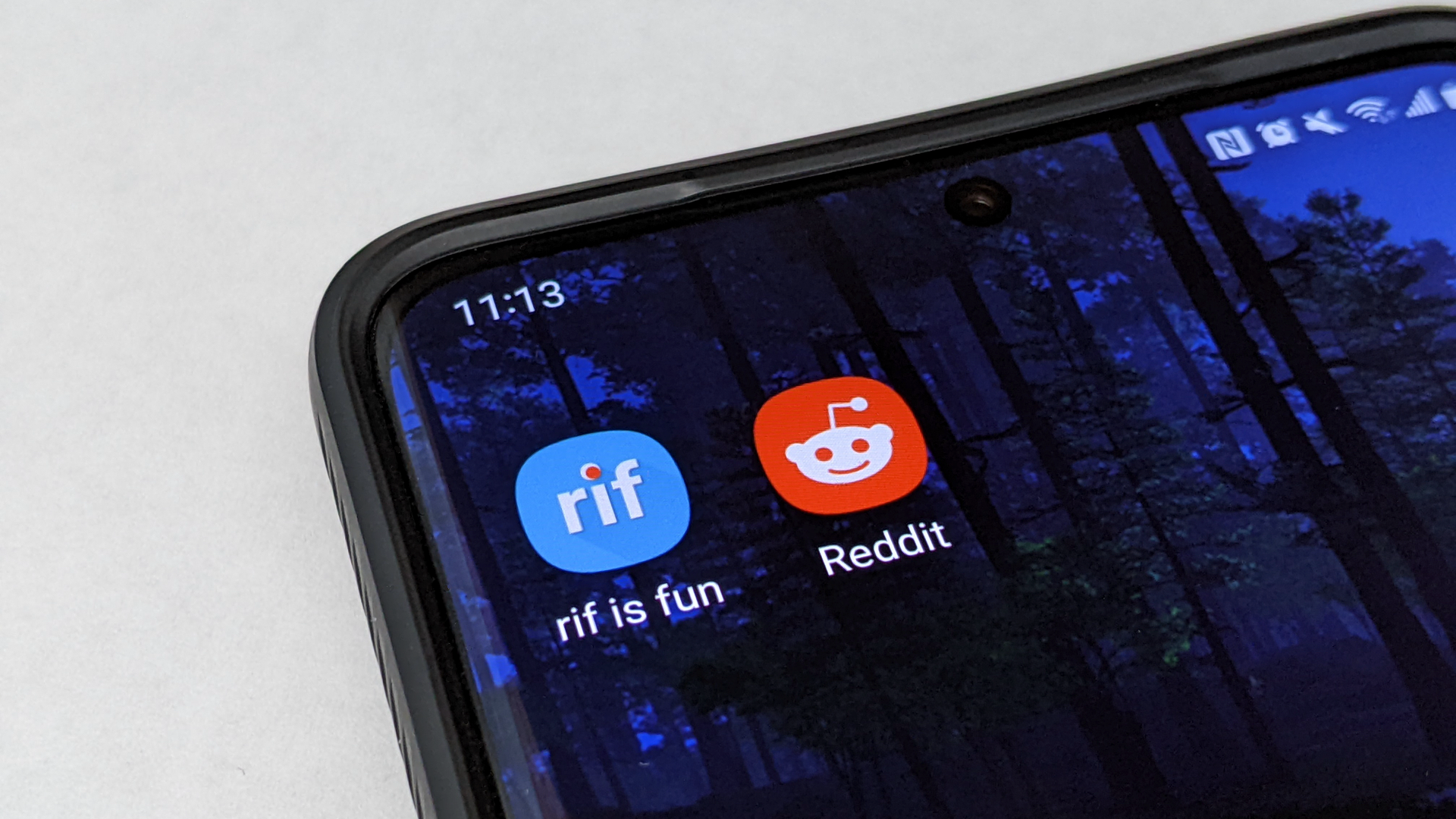
Reddit is planning to end free API access for third-party apps, which could lead to a transition to a paid subscription model for many popular apps like Sync, Relay, Boost, or RIF. The changes will allow apps to access Reddit, but they will have to pay for it, and app developers will likely pass that cost down to their users. The amount charged will depend on each app's usage and other metrics, and it remains to be seen how this will affect the vast selection of apps currently available.
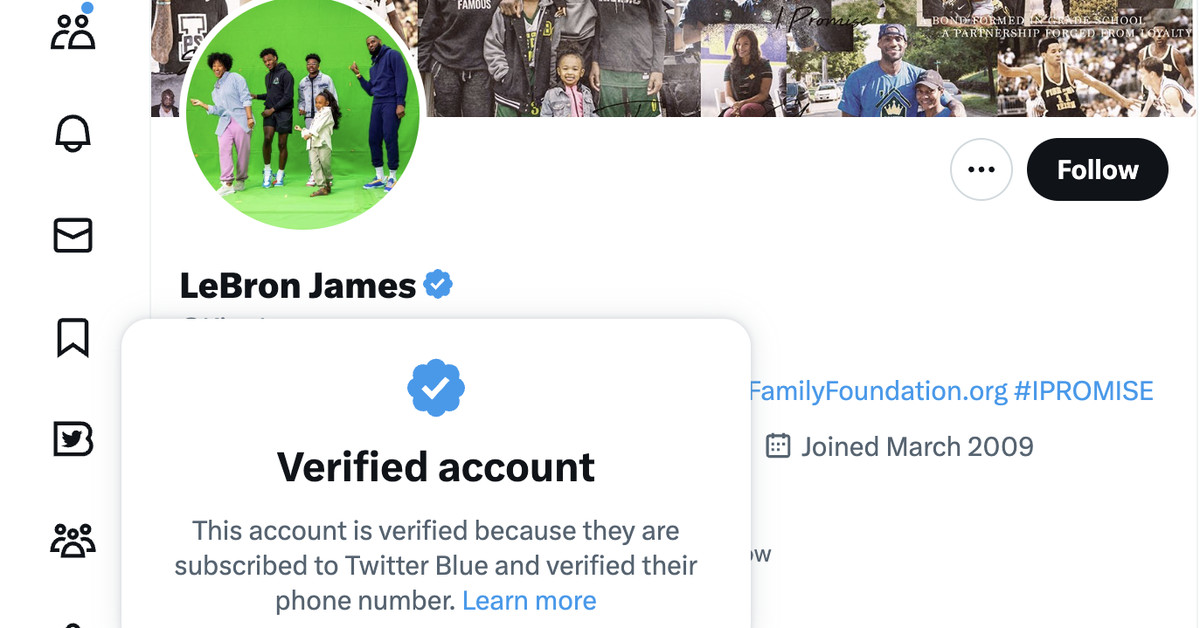
Twitter has been removing blue checkmarks for accounts that don't pay for verification, but LeBron James, who has previously said he wouldn't pay, was offered a complimentary subscription to Twitter Blue by an employee at Twitter on behalf of Elon Musk. James' media advisor confirmed that he hasn't paid for verification. Musk later confirmed that he's paying for "a few" subscriptions personally. Other celebrities, like Stephen King and Ice T, who have been vocal about not paying for verification, still have their blue checkmarks.
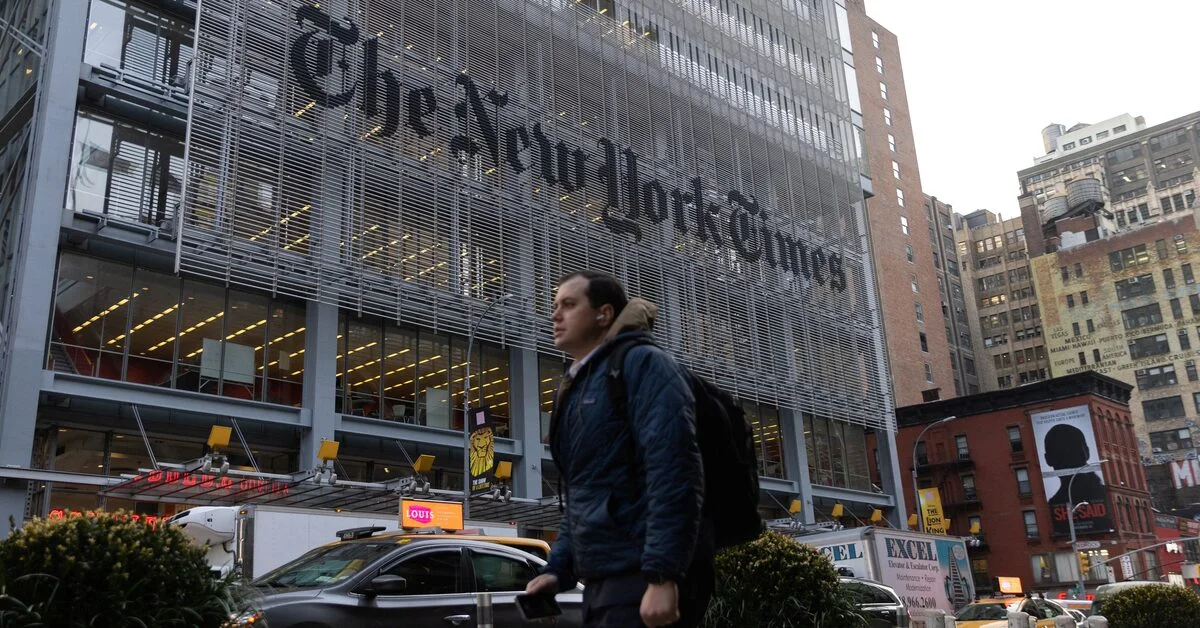
The New York Times and Politico have both stated that they will not pay for their staff's Twitter blue verifications, following Twitter's new policy that offers verified check marks only through a paid subscription. Twitter had previously announced that several accounts will lose their check marks as the social media company begins winding down its legacy verified program.
Twitter will remove blue check marks, once used to denote notable accounts whose identities had been verified, unless users pay $8 a month. Elon Musk said he would expand a preexisting paid version of Twitter to include paying for a blue check mark. Organizations can verify their accounts for $1,000 a month, while affiliate organizations can receive a check mark for $50. Musk's new plan for blue check marks could lead to confusion on the app about whether accounts truly have their identities verified.