
Tag

Opposed Piston Engine

All articles tagged with #opposed piston engine

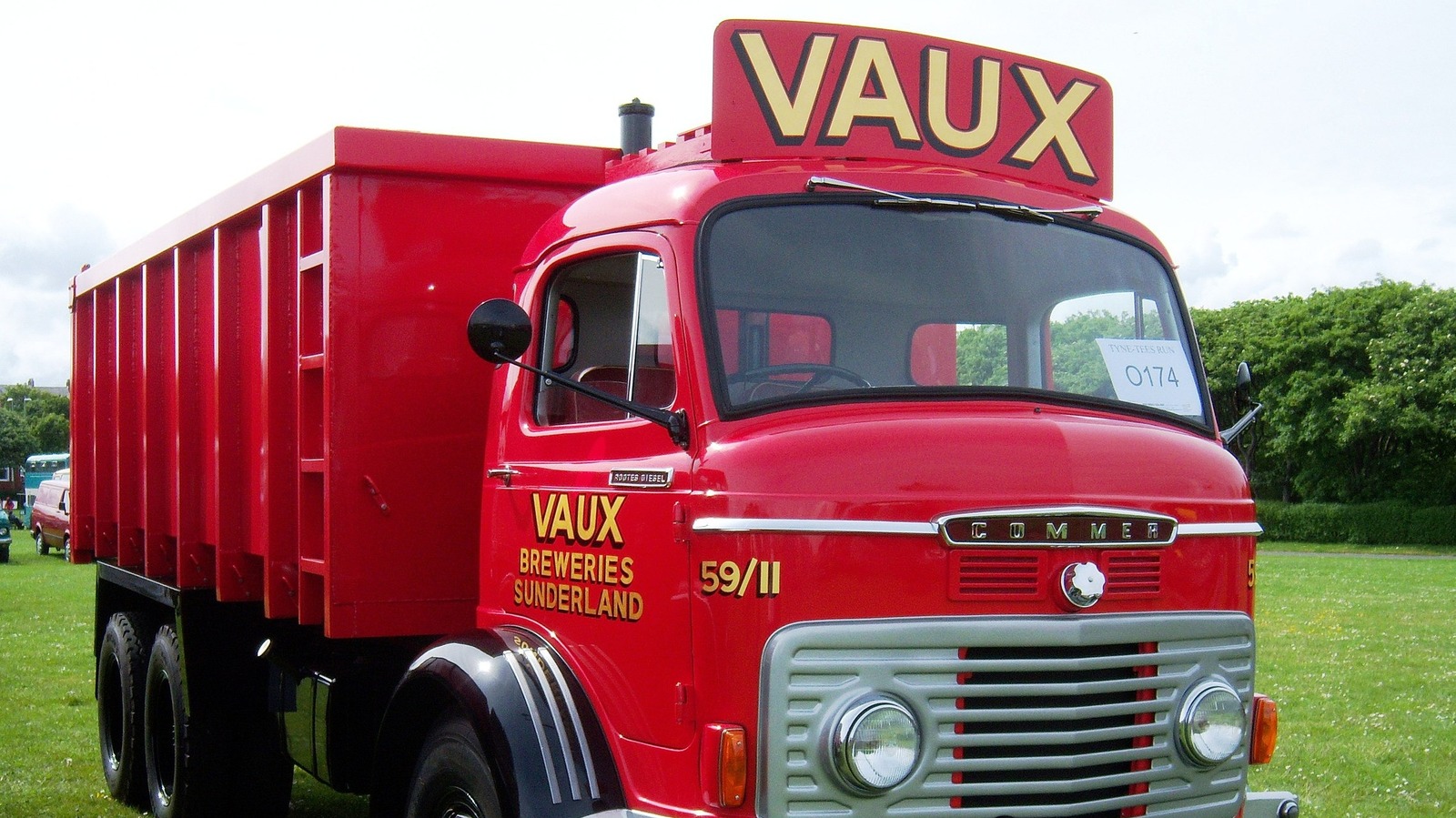
"The Bizarre Engineering Marvel: Unveiling the Commer Knocker Engine"

Originally Published 2 years ago — by SlashGear

Featured image for "The Bizarre Engineering Marvel: Unveiling the Commer Knocker Engine"
Source: SlashGear

The Commer Knocker, also known as the TS3, was a unique engine used by British commercial truck manufacturer Commer in the 1950s and '60s. It featured an opposed-piston design with two pistons in each cylinder, and one crankshaft instead of two. The TS3 had a distinctive idle sound and was remarkably powerful for its size, producing up to 117 horsepower and 310 lb-ft of torque. However, production ceased in 1972 when the four-cylinder TS4 replaced it.

Advancements in ICE Technology: Pushing the Boundaries

Originally Published 2 years ago — by Slashdot

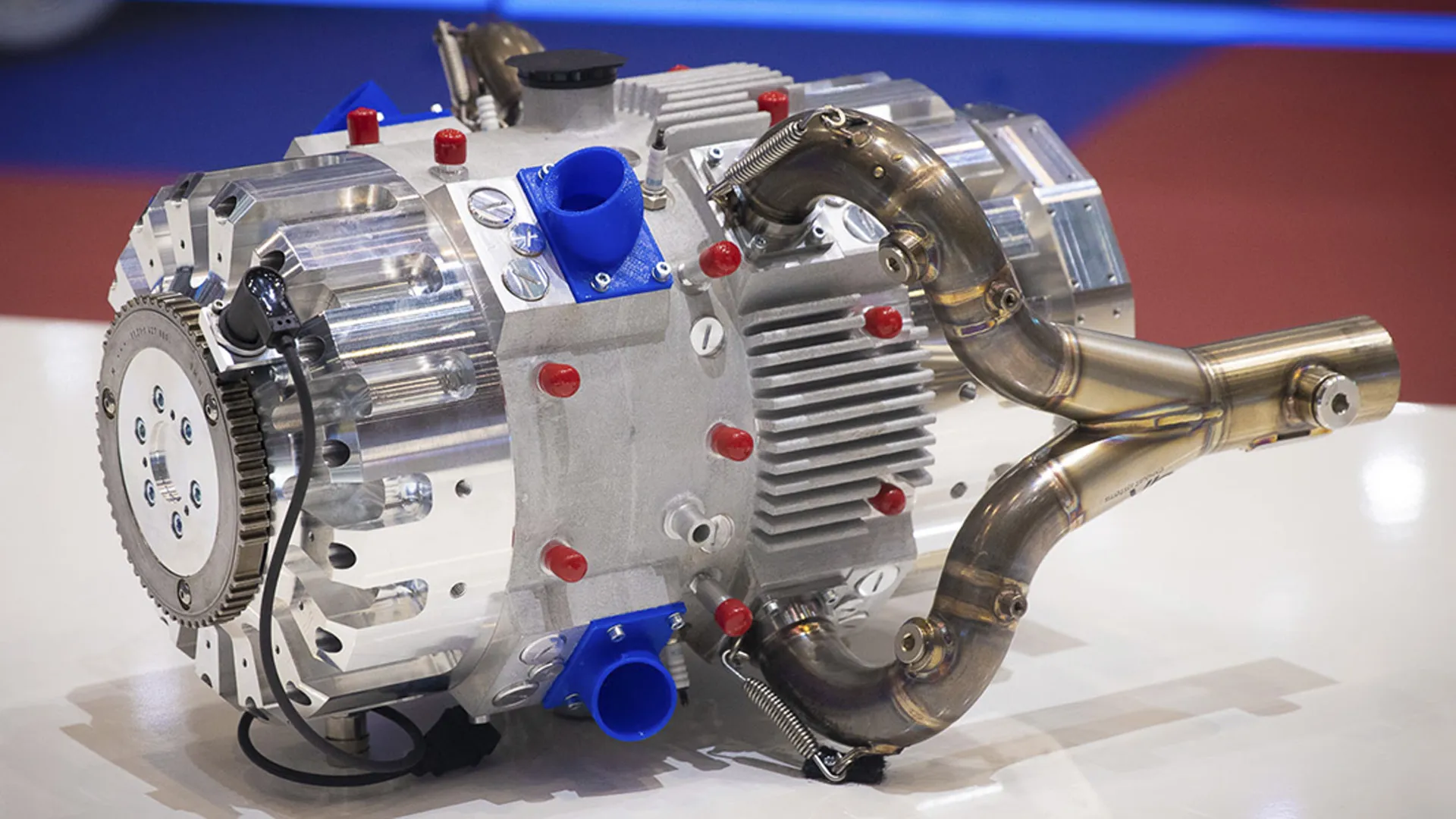
Featured image for Advancements in ICE Technology: Pushing the Boundaries
Source: Slashdot

INNengine, a company based in Granada, Spain, has developed a tiny-but-powerful "opposed-piston engine" with no cylinder head, camshaft, crankshaft, valves, or oil mixed with fuel. The engine features a single-stroke combustion cycle and offers better engine balance, minimizing noise, vibration, and harshness. While it is unlikely to directly power cars, INNengine is targeting the electric vehicle market as a range extender. The technology could be a logical path forward for lightweight and cost-effective EVs.

"Revolutionary 500cc 'One-Stroke' Engine Transforms Miata Performance"

Originally Published 2 years ago — by The Drive

Featured image for "Revolutionary 500cc 'One-Stroke' Engine Transforms Miata Performance"
Source: The Drive

Spanish company INNengine has developed a powerful 500cc opposed-piston engine that weighs just 85 pounds and produces 120 horsepower. The engine features a single-stroke combustion cycle and has no cylinder head, crankshaft, camshaft, or valves. It utilizes a unique mechanical configuration with eight pistons and four combustion chambers, resulting in improved engine balance and reduced noise, vibration, and harshness. While the engine is not likely to be directly used in cars, it could serve as a range extender for electric vehicles.