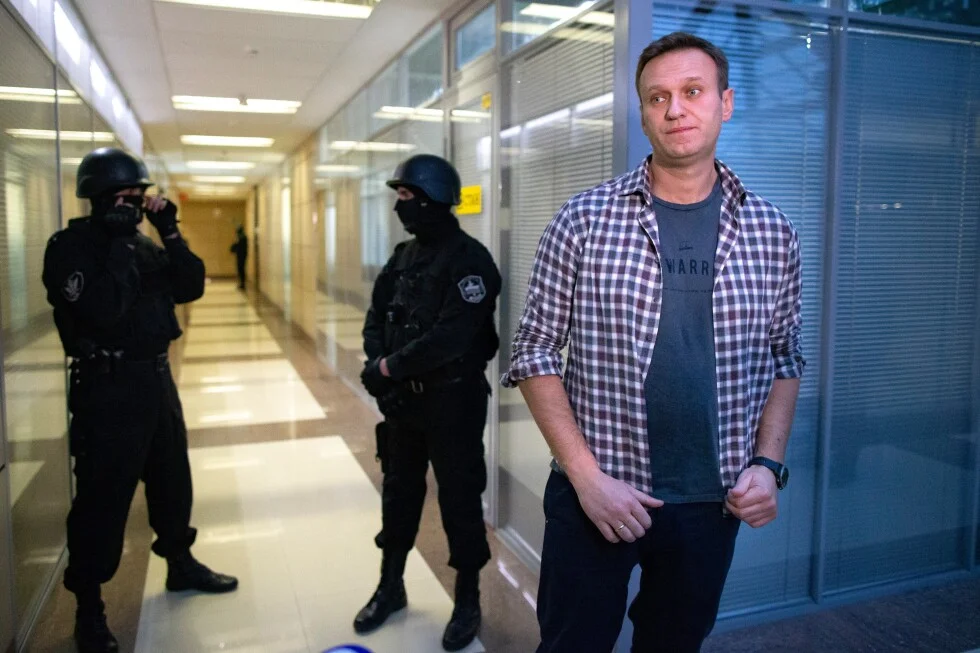
Five European countries said Navalny was poisoned with epibatidine, a toxin from poison-dart frogs, indicating Kremlin involvement; they reported the case to the OPCW. Navalny died in 2024 in a Russian penal colony, while Russia denies the accusation and his widow says Putin is responsible.
Five European foreign ministries said European labs conclusively detected epibatidine, a rare toxin from poison‑dart frogs, in Navalny’s body and asserted Russia had the means, motive and opportunity to poison him; they plan to report the case to the OPCW for a breach of the Chemical Weapons Convention. Navalny died in 2024 in a Russian Arctic penal colony, and his widow has urged accountability while Russia denies involvement. Epibatidine can be lab‑made and acts like a nerve agent, though investigations into the poisoning remain politically charged and ongoing.
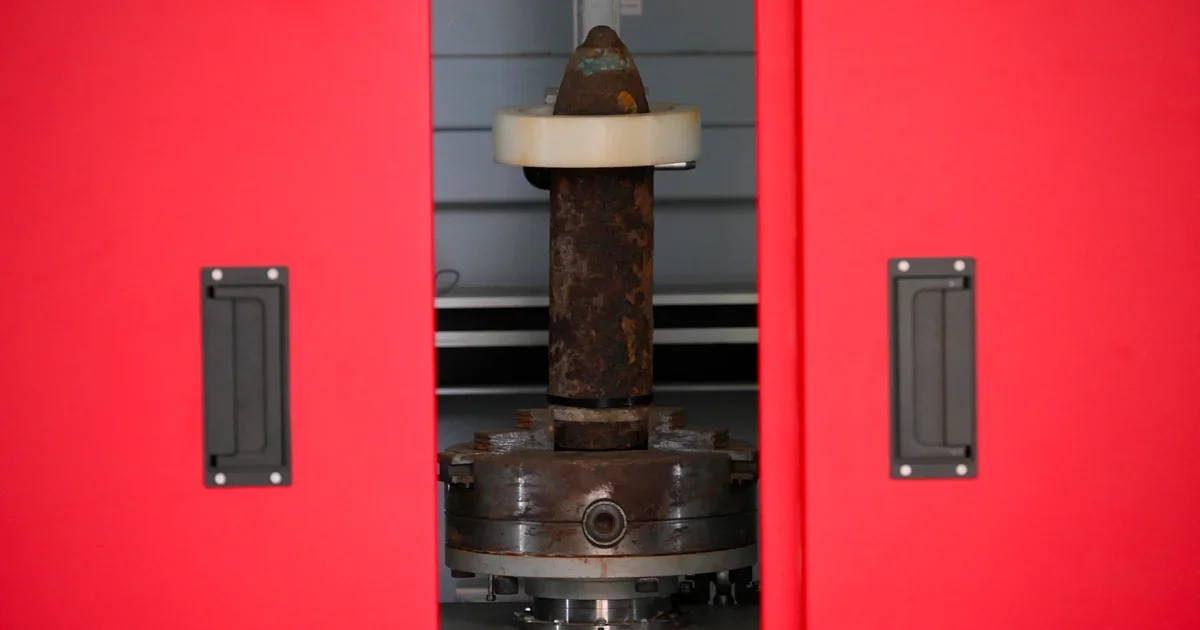
Dutch authorities discovered two 1925-era hand grenades hidden in a shipment of onions from France, identified as old chemical weapons, which will be safely destroyed in Belgium; the origin and purpose of the grenades remain unknown.
Ukraine has requested the OPCW to investigate alleged use of chemical weapons by Russia in Ukraine, following intelligence reports of widespread illegal weapon use along the frontline. The OPCW is considering the request, which aims to establish an independent mechanism to gather evidence and identify perpetrators, amid ongoing tensions and previous accusations from the US and other countries. The conflict has reportedly caused casualties linked to chemical weapons use, prompting international concern.
The United States has announced the completion of its chemical weapons stockpile destruction operations, marking a significant disarmament milestone. All declared chemical weapon stockpiles have been safely destroyed, meeting the country's commitment to the Organisation for the Prohibition of Chemical Weapons. The final munition, a sarin nerve agent-filled M55 rocket, was destroyed on July 7 at the Blue Grass Army Depot in Kentucky. The U.S. Army played a key role in the demilitarization process, which began in 1990 and involved the successful destruction of weapons at multiple sites across the country. The facilities will now enter a closure phase for the next few years, focusing on disposal, decontamination, and decommissioning.