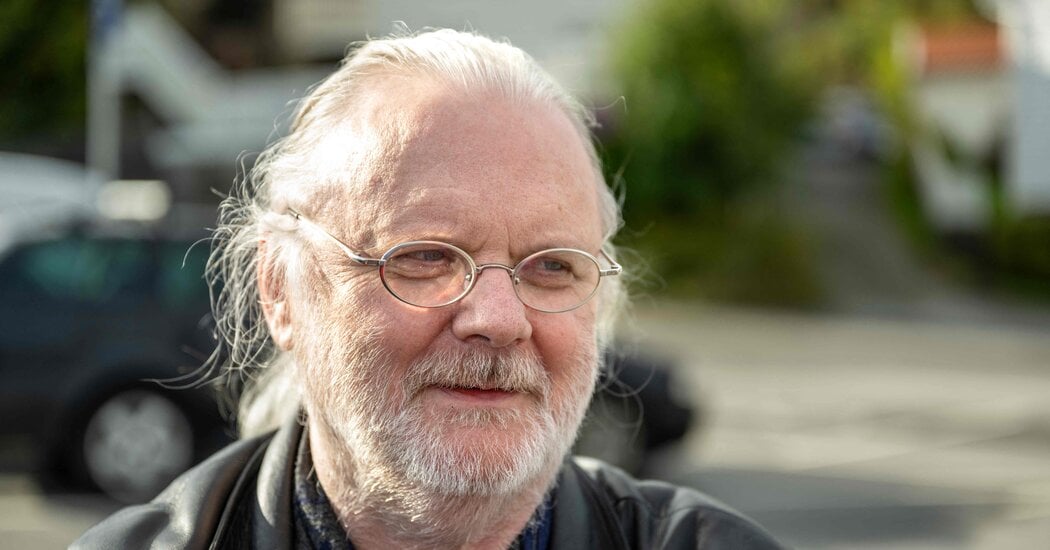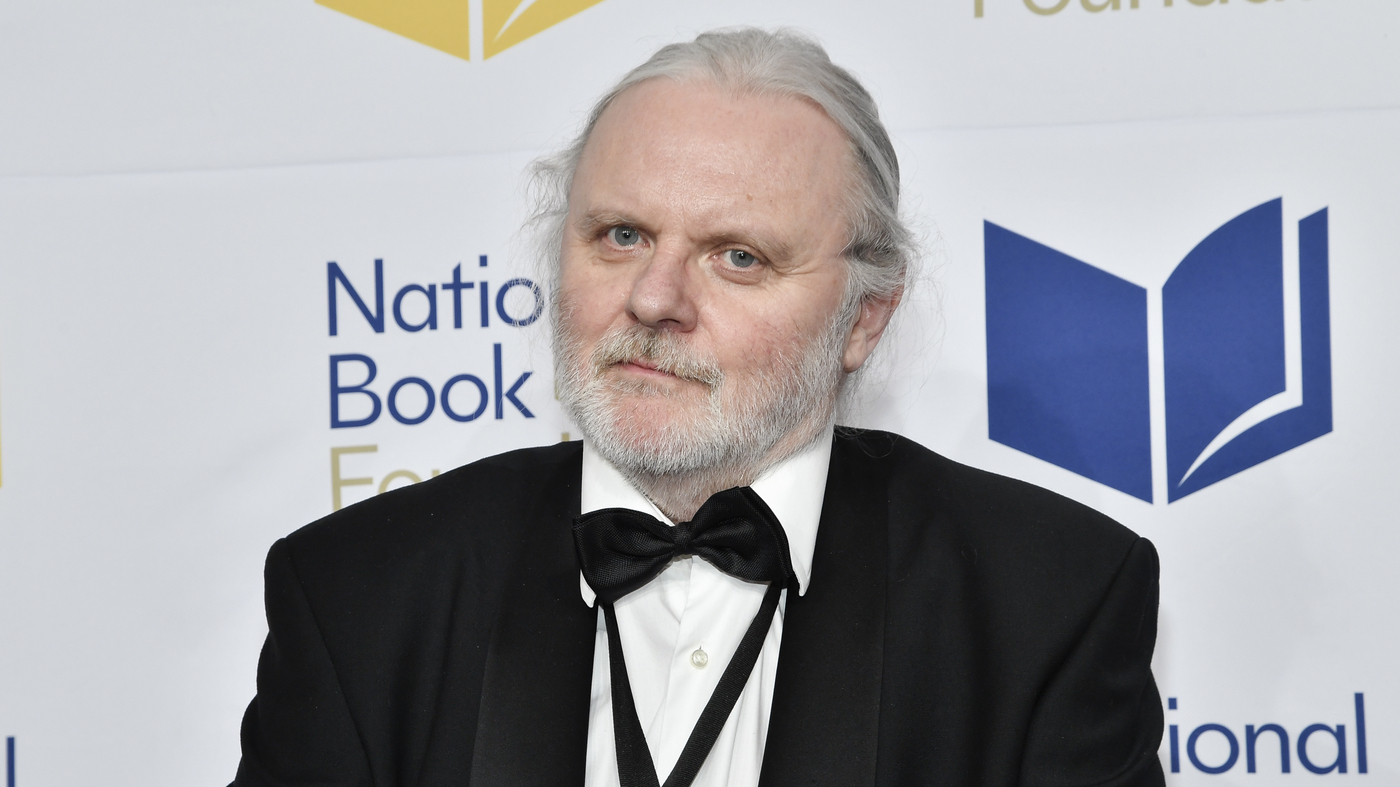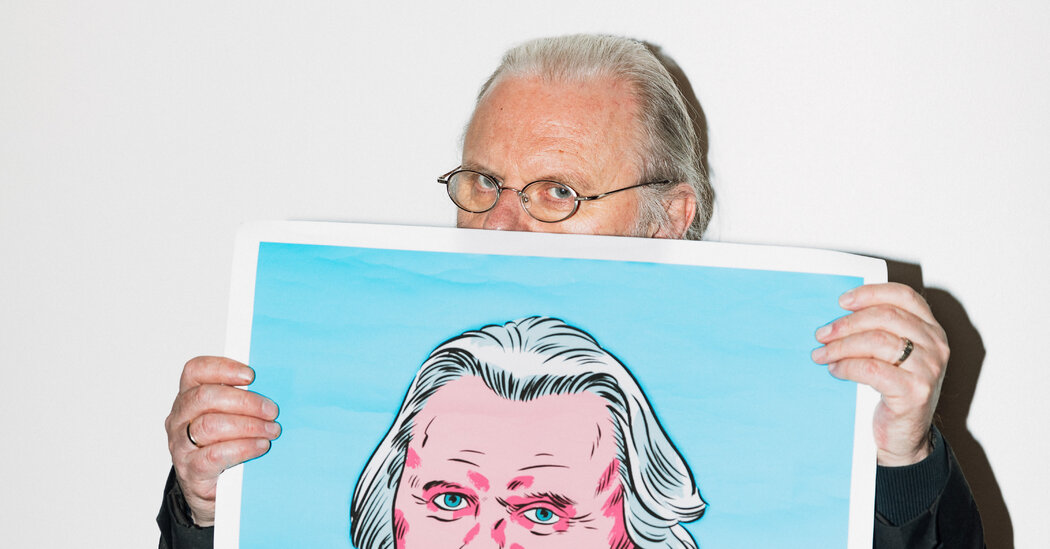
Jon Fosse, the winner of the 2023 Nobel Prize in Literature, credits a childhood accident that brought him close to death as a major influence on his writing. Fosse's work, which includes novels, plays, and poetry, explores spiritual and existential themes, often delving into the inexpressible and the divine. While he gained recent recognition in the English-speaking world, Fosse has been a star in continental Europe for decades. His writing, characterized by its rhythmic and repetitive style, has been compared to that of Samuel Beckett and Henrik Ibsen. Fosse's plays, in particular, have garnered acclaim for their exploration of loneliness, connection, and mortality. Despite his success, Fosse struggled with alcoholism but eventually found solace in Catholicism.
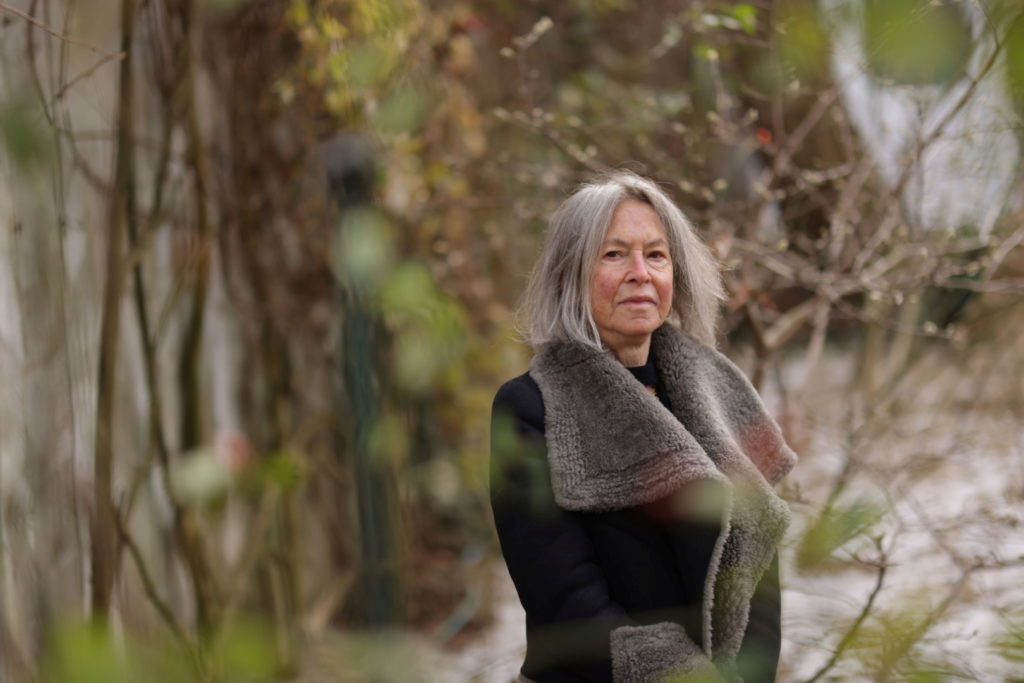
Louise Glück, the Nobel Prize-winning poet known for her spare and striking work, has passed away at the age of 80. Glück's poetry, characterized by its austere beauty and focus on themes of mortality, has resonated with readers for its ability to capture the universal aspects of human existence. Through her exploration of family dynamics and the use of mythological figures, Glück brought ancient voices down to a relatable human level. Her poems often depicted failure and loss, drawing from personal experiences. Glück's work, which can be both haunting and dispassionate, continues to speak to readers from beyond the grave.
Norwegian author Jon Fosse has been awarded the Nobel Prize in Literature for his innovative plays and prose that give voice to the unsayable. Fosse, known for his exploration of themes such as aging, mortality, love, and art, has gained international recognition for his spare and transcendent language. His work has been translated into around 50 languages, and he is considered one of the world's most widely performed living playwrights. Fosse's recent acclaim in English-speaking countries includes being a finalist for a National Book Award and having two novels nominated for the International Booker Prize.
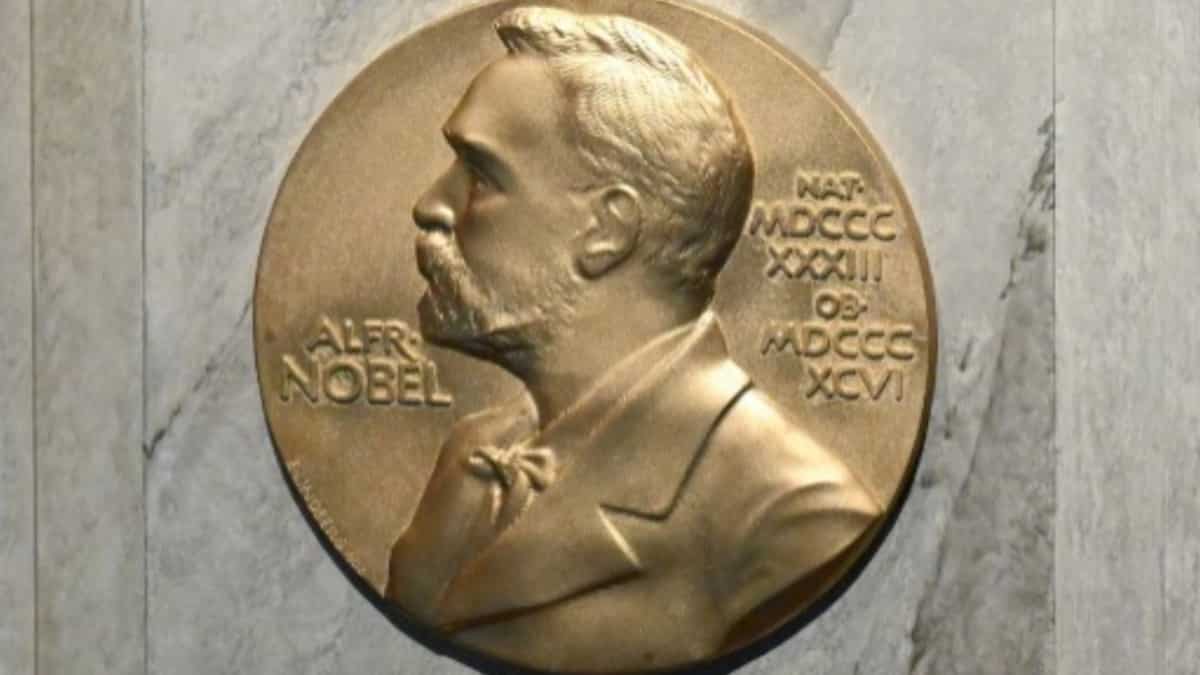
Norwegian author and dramatist Jon Fosse has been awarded the 2023 Nobel Prize in Literature for his innovative plays and prose that give voice to the unsayable. Fosse, known for his deep exploration of human emotions and existential questions, is the first Norwegian to win the prestigious award since 1928. His magnum opus, the "Septology" series, is a monumental work that spans three books divided into seven parts. Fosse's writing, which is in the least common version of Norwegian, has been translated into over 40 languages and has had more than 1,000 different productions of his plays.
Norwegian playwright Jon Fosse has been awarded the 2023 Nobel Prize in literature for his innovative plays and prose that give voice to the unsayable. Although not widely known outside of Norway, Fosse is highly regarded in literary circles and has been called "the most produced living playwright." His extensive body of work includes plays, novels, poetry collections, essays, children's books, and translations. Fosse has been compared to literary giants such as Henrik Ibsen and Samuel Beckett. The Nobel Committee has faced criticism for its lack of diversity in recent years.
As the Swedish Academy prepares to announce the winner of the Nobel Prize in Literature for 2023, speculation is rife about the possible contenders. Among the names mentioned are Russian author Lyudmila Ulitskaya, known for her novels focusing on personal relationships, and Salman Rushdie, a literary giant with a controversial past. Can Xue, a Chinese avant-garde fiction writer, is also being considered. Other potential candidates include Mircea Cartarescu from Romania, Peter Nadas and Laszlo Krasznahorkai from Hungary, Ismail Kadare from Albania, Ngugi wa Thiong'o from Kenya, and Margaret Atwood from Canada.