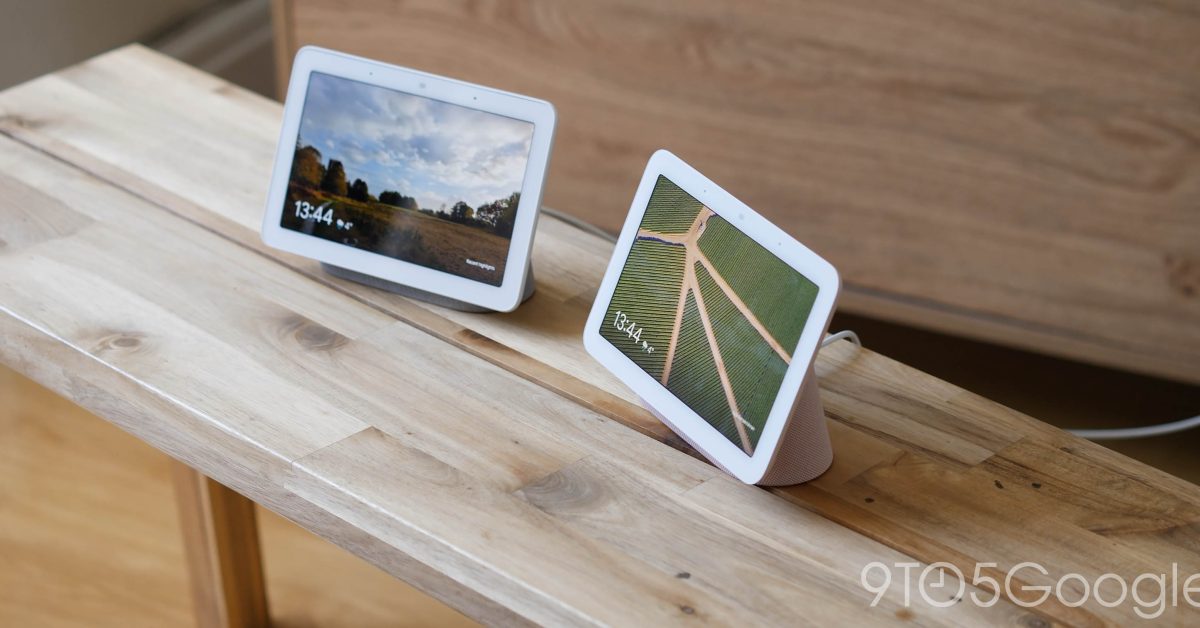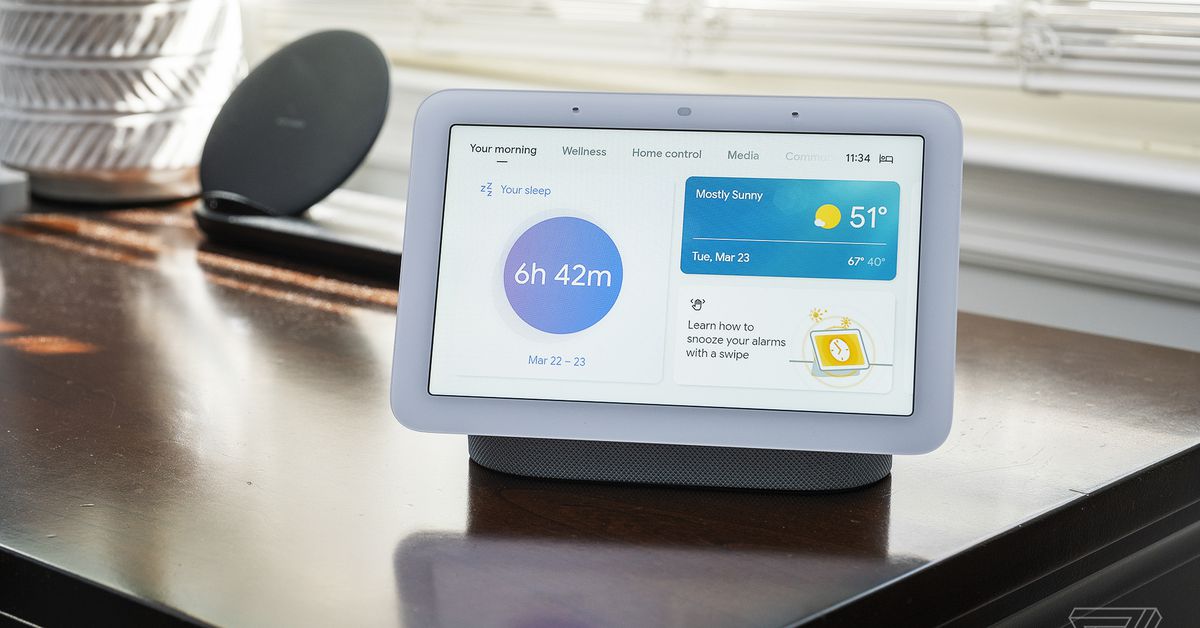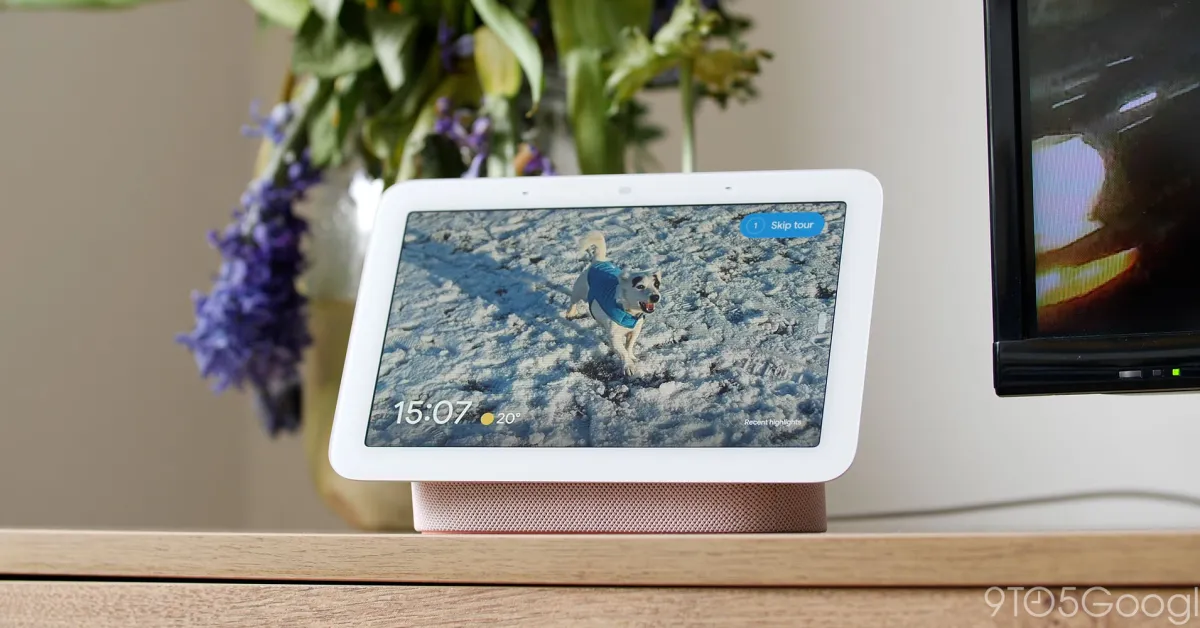
Google's Home chief confirms ongoing investment in smart displays, hinting at a new Nest Hub with an 'incredible form factor' for Gemini for Home, though no specific details or release date have been announced yet.
The article speculates that Google's Pixel Tablet might be a strategic move to replace the Nest Hub, despite Google's claims otherwise. The absence of a Pixel Tablet 2 and the potential for a new tablet with productivity features like a keyboard case and OLED display suggest a shift in Google's product strategy. The author envisions a future where the Pixel Tablet serves as a rebranded Nest Hub, aligning with Google's broader ecosystem, though this remains speculative.
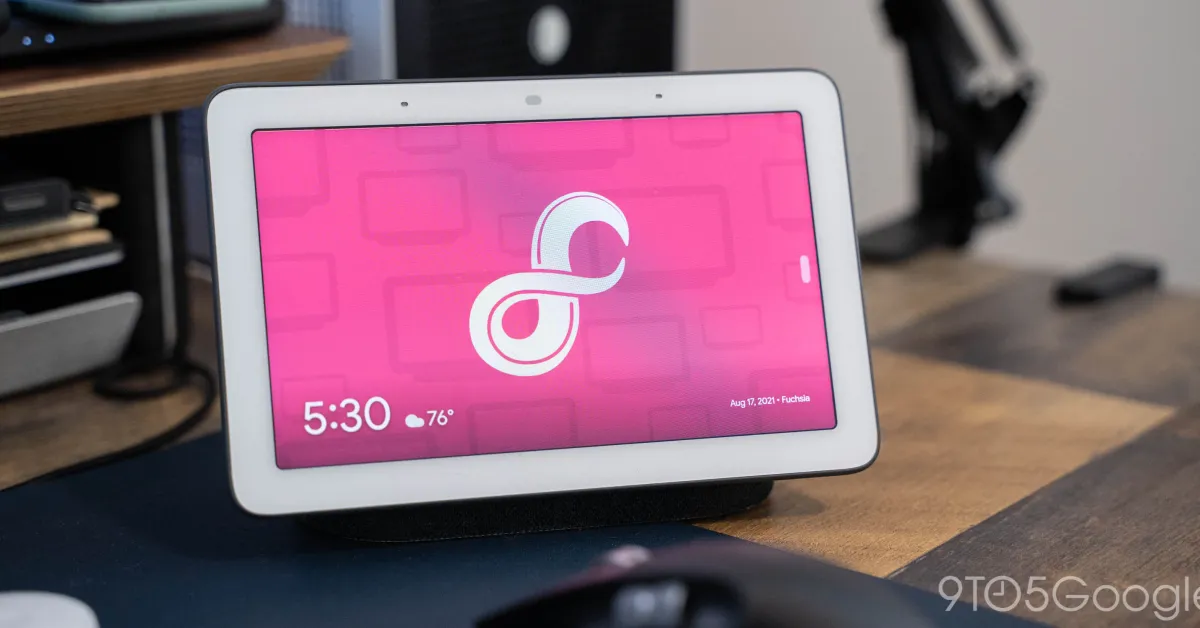
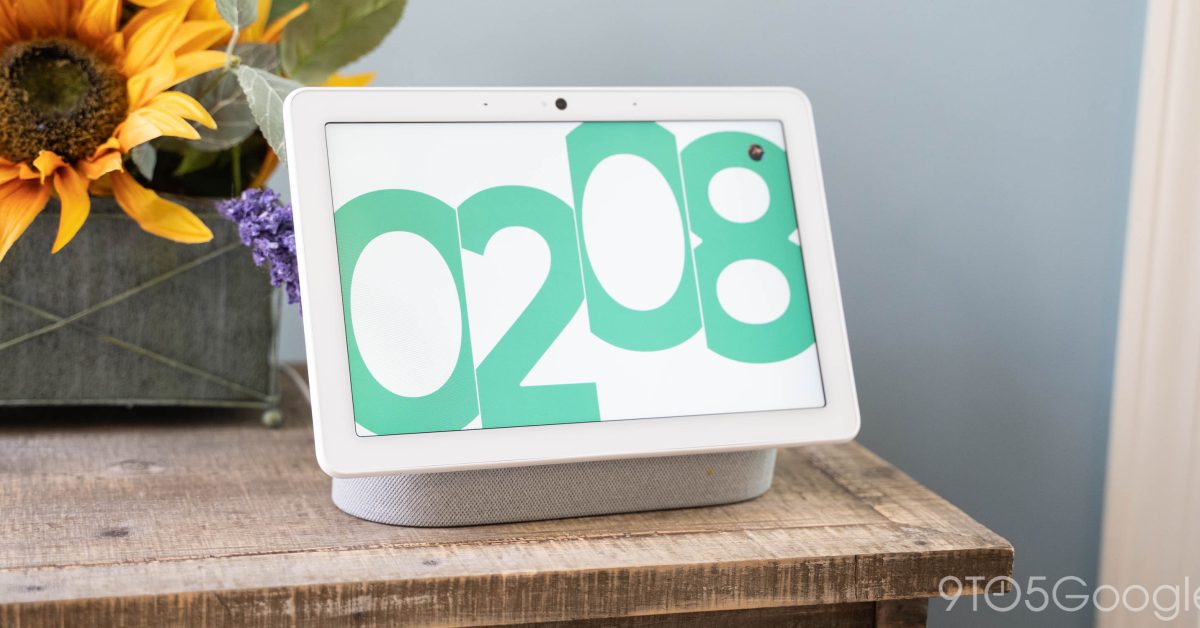
Google is rolling out Fuchsia version 16 to Nest Hub smart displays, addressing connectivity issues and introducing improvements to Matter and Thread support. The update, the first since November 2023, includes bug fixes for Bluetooth and volume control issues, as well as adding support for new air quality sensors and Matter accessories. Nest Hub devices will receive the update automatically, with no user action required.
Google has begun the process of deleting 17 Assistant features from its Nest Hub products, citing a focus on the most commonly used features and making way for a likely replacement, Bard. Users will receive notifications about the features being phased out, with most disappearing by February 26th. This move has sparked dissatisfaction among users, some of whom were unaware of the features being removed. Additionally, Assistant has faced criticism for inconsistency in understanding and completing requests, with Bard expected to offer a more natural language understanding and improved user experience.
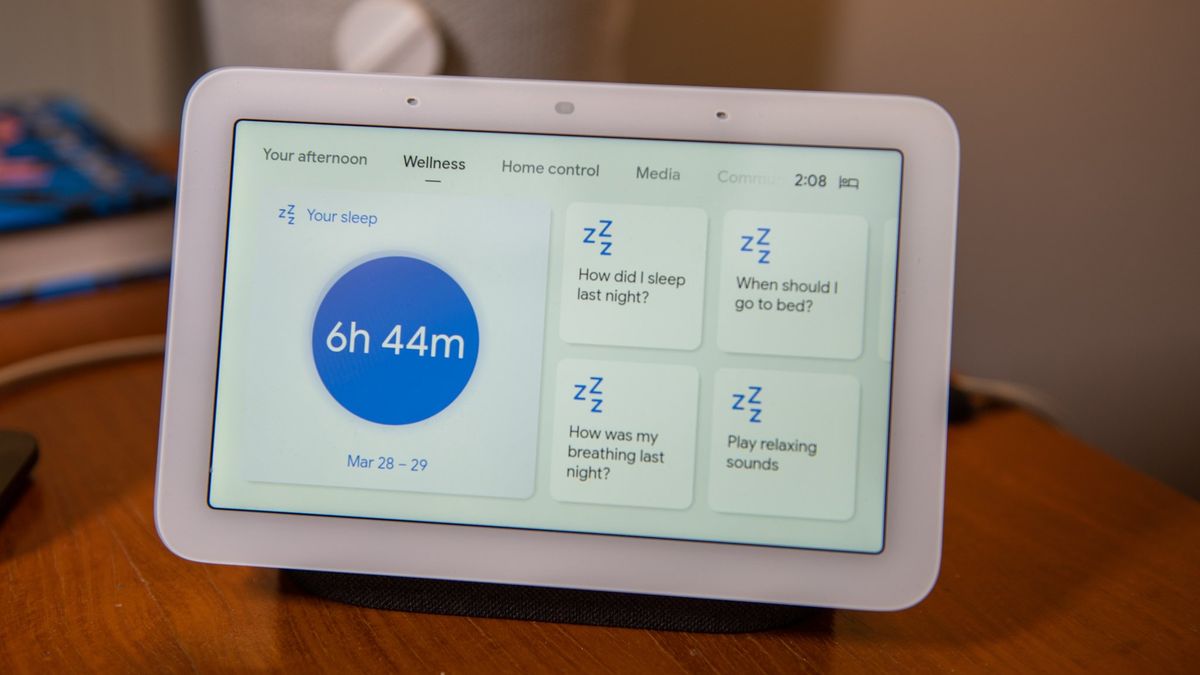
This article reviews six sleep trackers, including the Google Nest Hub 2nd Gen, Muse S Gen 2 Headband, Kokoon Nightbuds, and Biostrap Kairos. The Nest Hub uses radar and a microphone for sleep tracking but had some inaccuracies. The Muse S headband tracks brain activity but is uncomfortable and expensive. The Nightbuds earbuds are comfortable but prone to falling off. The Biostrap Kairos wristband is accurate but primarily designed for researchers and medical staff.
Google is rolling out the Fuchsia version 12 update to its Nest Hub series, with patch notes revealing improvements such as improved boot reliability, reduced display brightness during power-up, and various fixes to improve accessibility ratings. The update also includes performance tweaks, such as enabling Flatland for improved performance and reduced maintenance costs, and better playback on shipped devices. Additionally, Google has fixed issues and crashes related to the Matter smart home standard on Nest Hub devices, including inaccurate colors being sent to Matter-enabled lighting. Users can enroll their Nest Hub in the Preview Program to receive early access to updates.
Some Google Nest Hubs are experiencing issues after an overnight update, with Assistant Smart Displays getting stuck on the "Updating" screen. Power cycling the device does not resolve the problem, indicating a deeper issue. Affected users are advised to contact Google Support for assistance, and it is hoped that a software fix will be released soon.
The Google Pixel Tablet has failed to impress as a smart hub in the kitchen due to its limitations and frustrating multi-user experience. The tablet lacks support for multiple voices, making it difficult for different users to access their personal data and preferences. Switching between user accounts is cumbersome, and the tablet often reverts back to the main account, interrupting activities like music playback. Additionally, the tablet slowed down other Nest smart speakers and displays, leading to a frustrating overall experience. While the Pixel Tablet works well as a personal tablet, it falls short as a smart hub.
The Google Pixel Tablet is not the first attempt at a tablet by Google, as Motorola had released the Xoom tablet 12 years ago. However, the Xoom and its accompanying software, Android 3.0 Honeycomb, were not successful. The concept of a docked tablet also proved to be a failure, as it was inconvenient to have the tablet in a different room when needed. In contrast, Google's Nest Hub devices have been successful due to their fixed location and functionality. The Pixel Tablet is a modern-day retelling of a story that has already been written, and it is unlikely to have a different outcome this time.
Google has started ending support for third-party Assistant voice apps, including games, on the Nest Hub. The company had announced the move last year, citing a lack of usage for the initial method that let third-parties build for Assistant. The move will impact grocery apps and third-party Notes & Lists integration. However, Google Keep will still be available to interact with shopping lists by voice. The company is now focusing on having Android apps add voice capabilities.
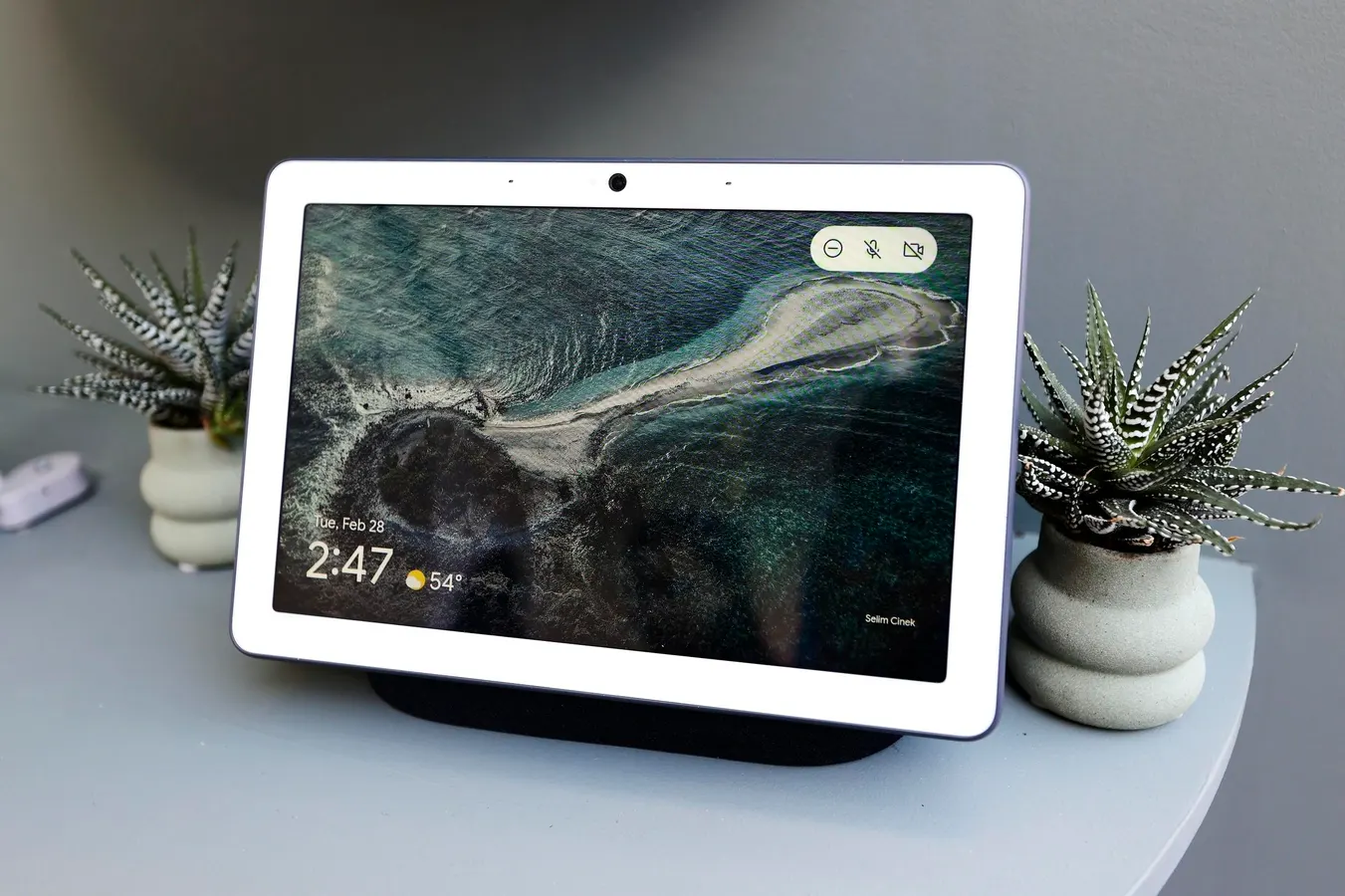
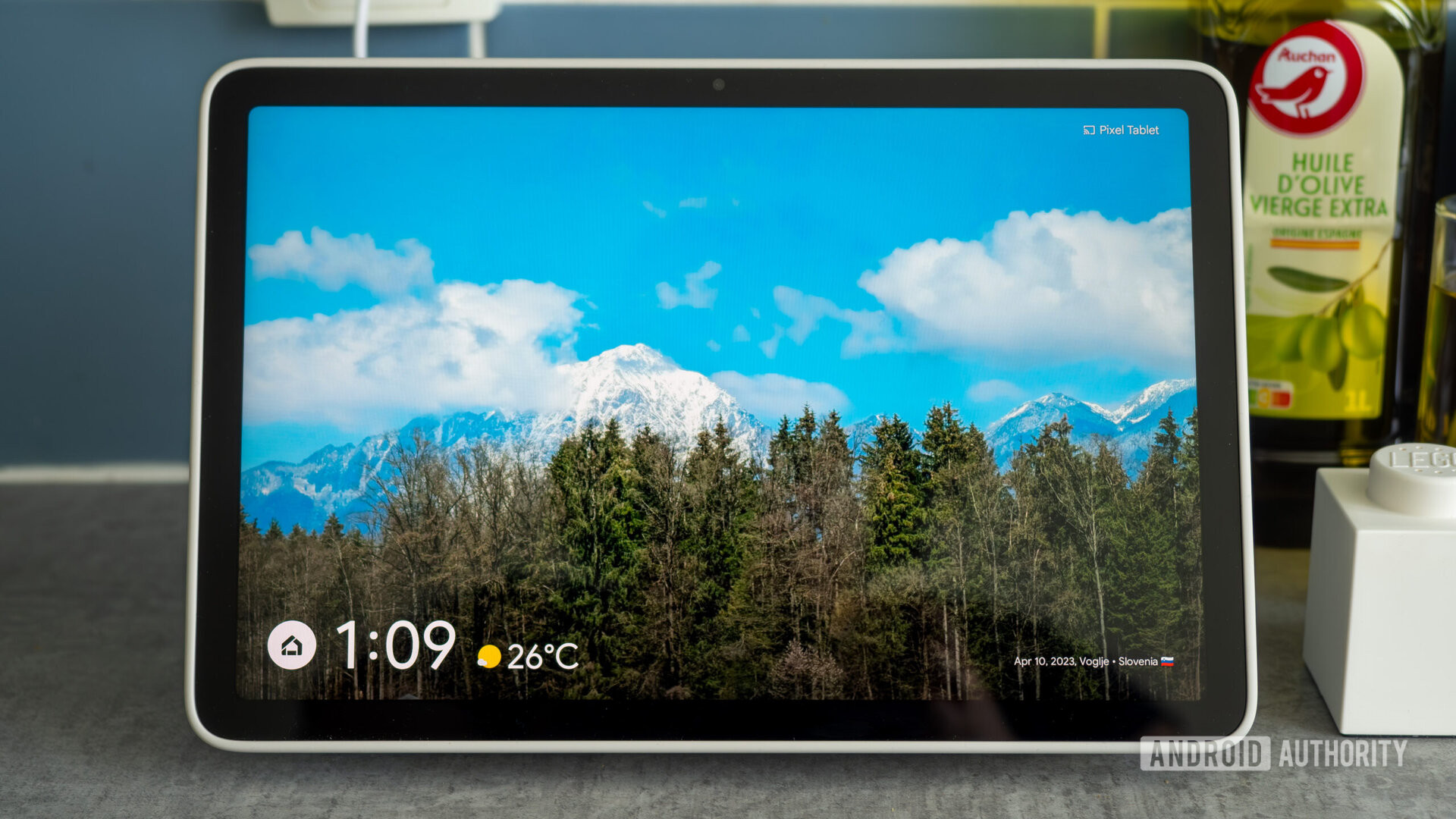
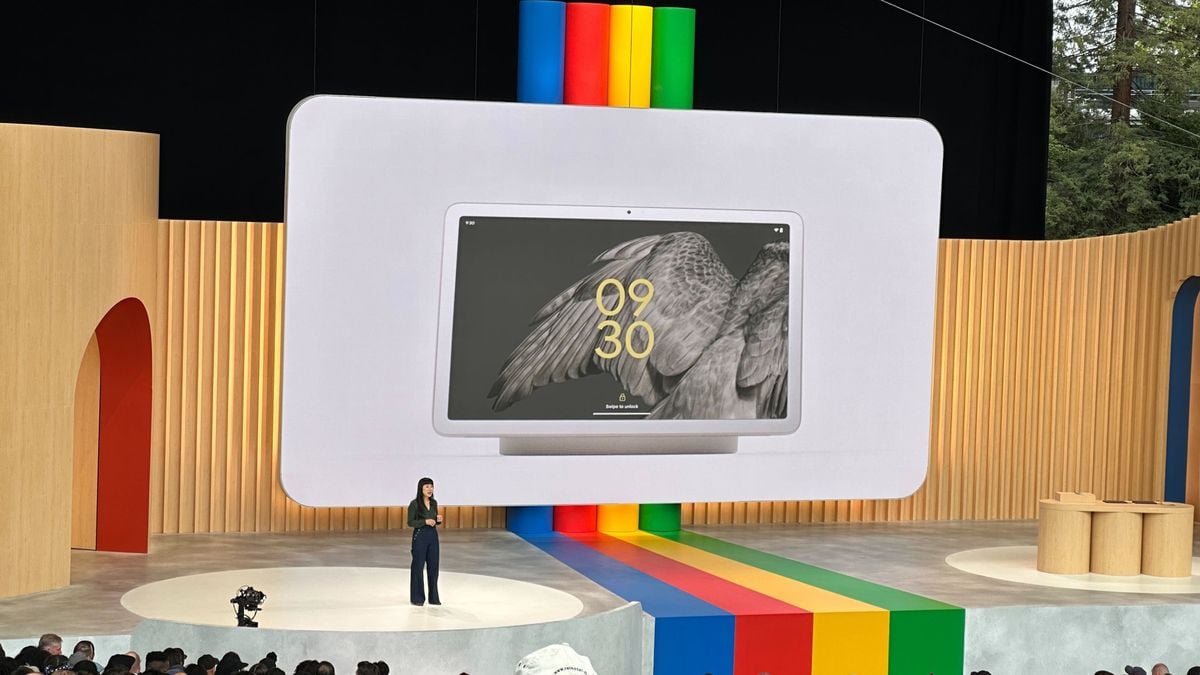
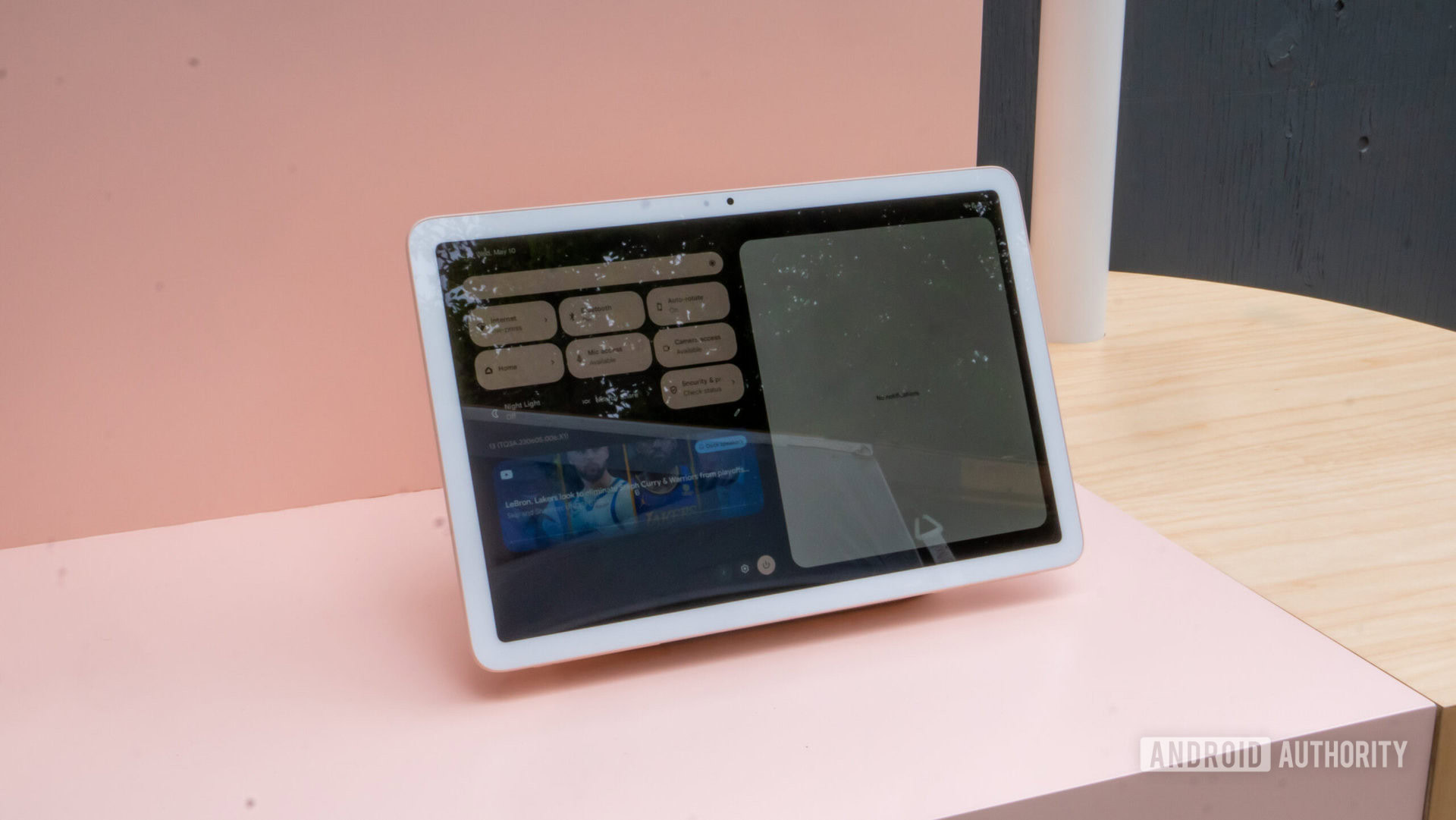
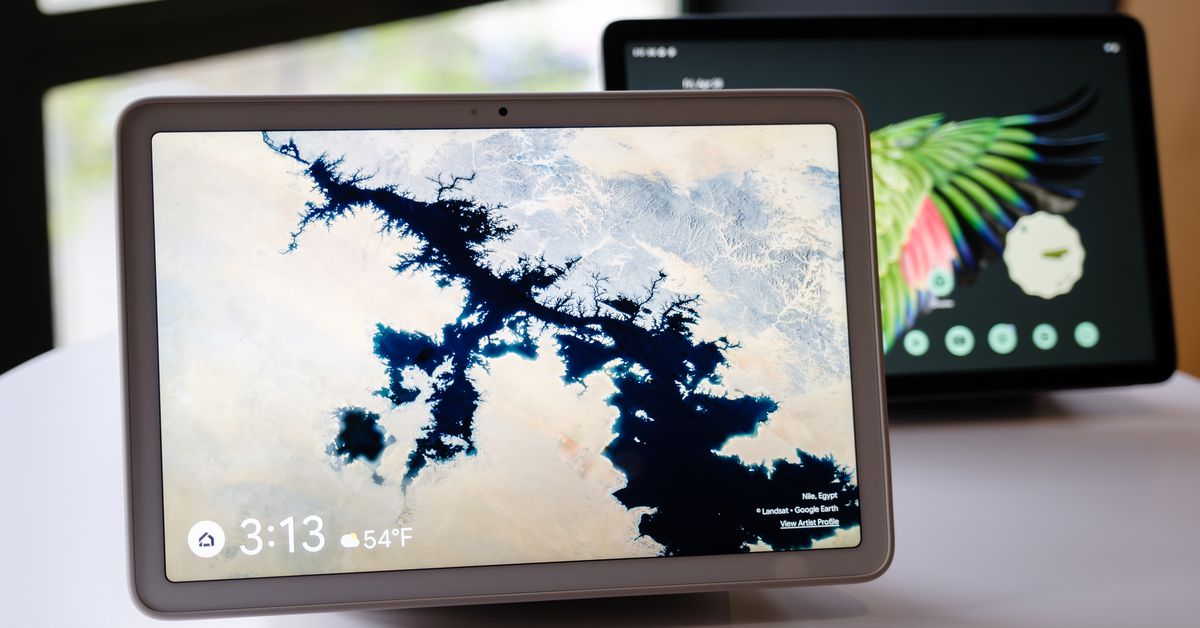
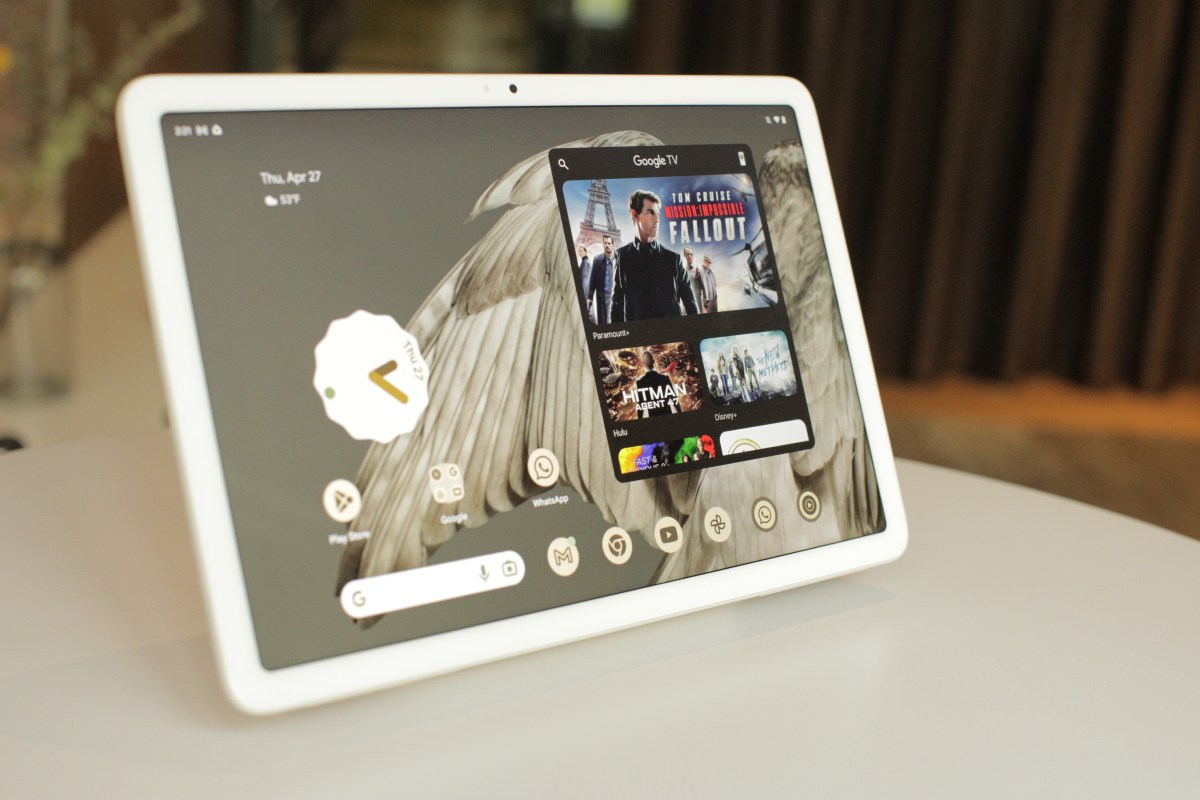
Google's new Pixel Tablet is not a replacement for the Nest Hub, according to the company, but it does have the potential to transform into a smart home hub with its dedicated "Hub Mode" and Charging Speaker Dock. While the Pixel Tablet runs on Android and the Nest Hub and Nest Hub Max are powered by Google's Fuchsia OS, they share many of the same capabilities. It's possible that Google is laying the groundwork for a new line of Nest-branded smart displays and/or speakers.
Google's new Pixel Tablet, which doubles as a smart display, is an intriguing product, but at $499, it's not an affordable alternative to the Nest Hub. While the Pixel Tablet offers many of the Nest Hub's features, it lacks some popular ones and doesn't work as a Matter hub. Additionally, the Charging Speaker Dock is useless without the Tablet attached, and the dock itself costs a staggering $129. Overall, the Pixel Tablet is a tablet with smart home capabilities, rather than a direct Nest Hub replacement, and may only appeal to a niche market.
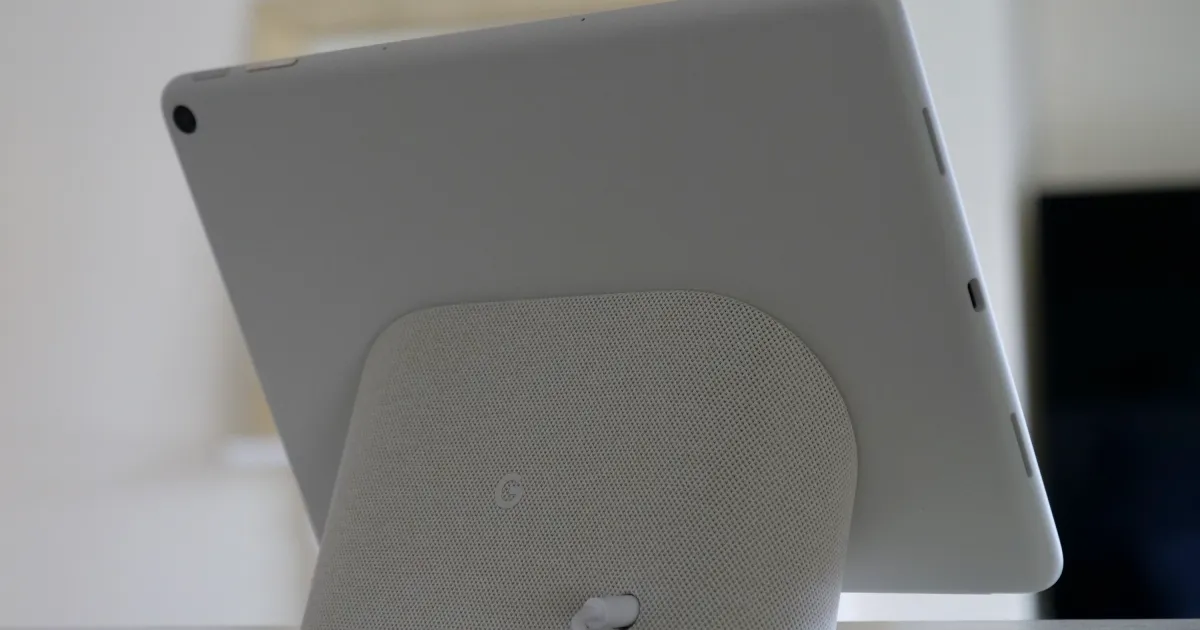
Google's new Pixel Tablet has the potential to be a great smart display and smart home controller, but its dock is just a dock and not a Nest speaker, which is a major omission in achieving its potential. The dock charges the tablet and has speakers that the tablet can use when it's docked, but it doesn't have a microphone or a privacy switch. The Pixel Tablet has all the right components to be a great smart home controller, but the dock is just a clutter that takes up space.
Google has released its Pixel Tablet, which comes with a speaker dock that attaches magnetically and features its own built-in speakers. The dock effectively turns the tablet into a smart home controller/hub, a teleconferencing device, and a video streaming machine. The tablet runs on the Tensor G2 chip, has a 10.95-inch display, and promises up to 12 hours of battery life. The tablet and dock are bundled together at a $499 price point, making it a compelling proposition.
The Nest Hub exemplifies everything that’s gone wrong with smart home controls: its interface is unintuitive and inflexible, its responses are laggy, and its responses are unpredictable and often just plain wrong. Google seems to be using the Pixel Tablet as a chance for a do-over. The Pixel Tablet will run Android, and from what we’ve seen so far, it lets you control your smart home directly from the Google Home app, just like you can on any other tablet or smartphone. It’s clear that Google is gearing up for a big overhaul of the Google Home ecosystem.