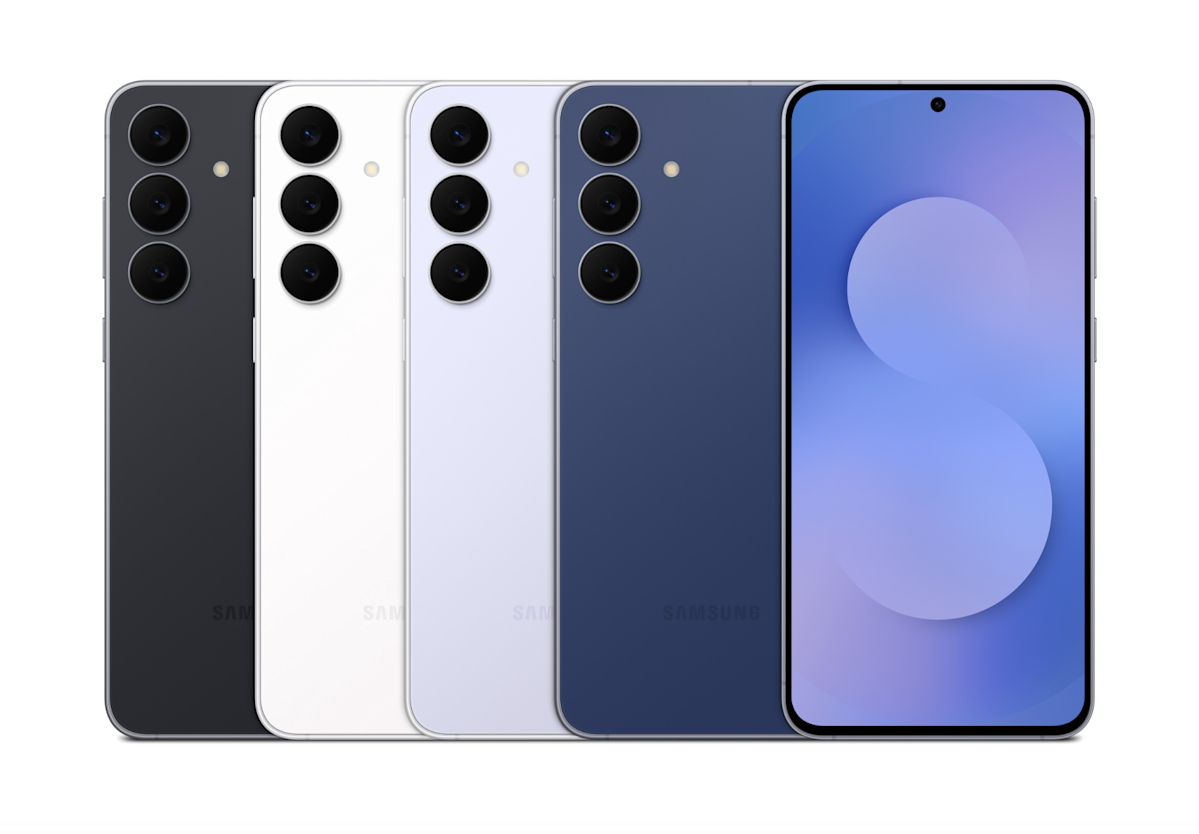
Samsung announced the Galaxy S25 FE at IFA 2025, a more affordable midrange smartphone starting at $650, featuring a 6.7-inch AMOLED display, Exynos 2400 CPU, and a versatile camera system, running on One UI 8 with AI enhancements.
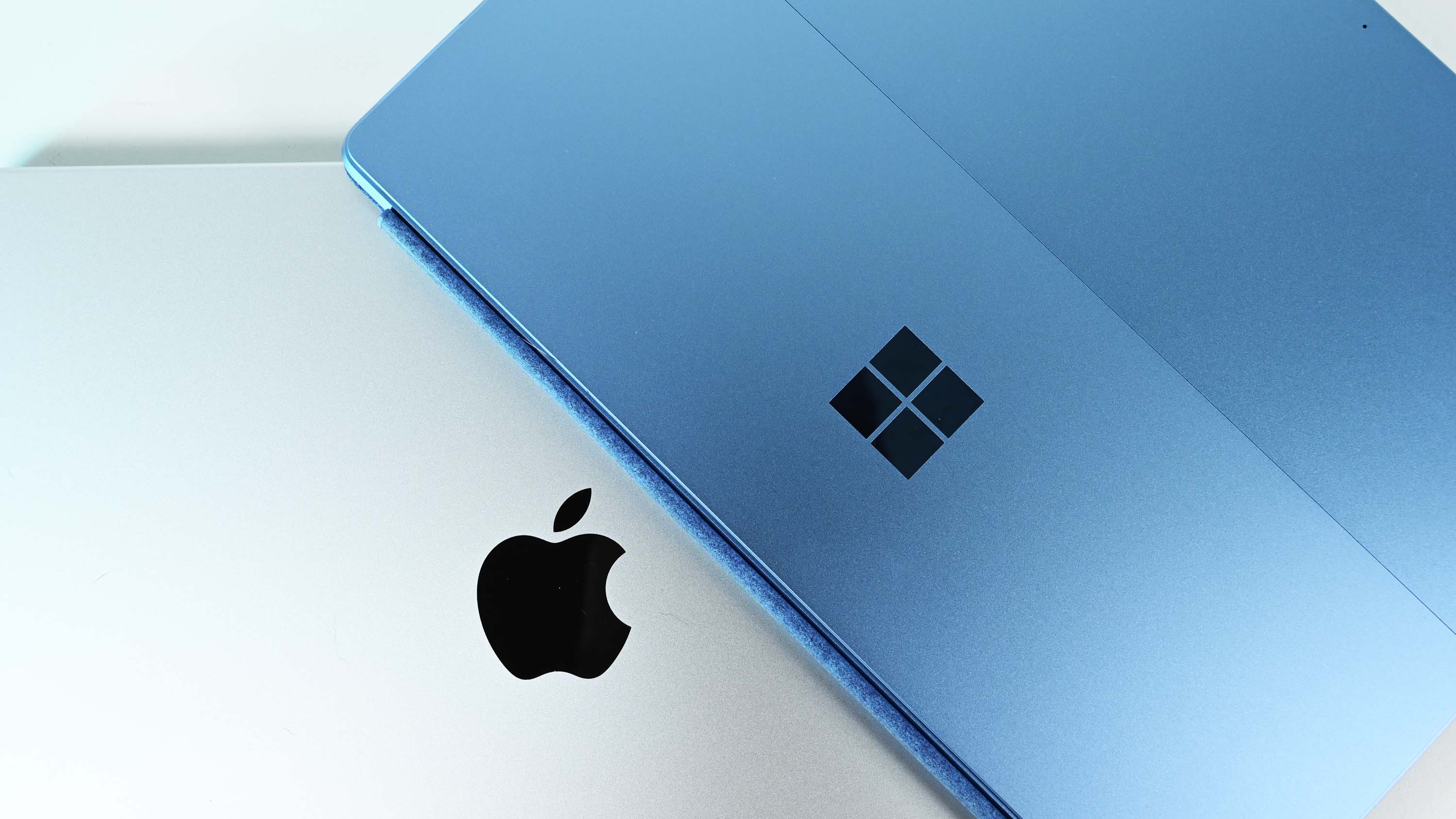
Apple is developing an affordable MacBook powered by an iPhone chip, which could significantly challenge Windows laptops in the $600-$800 range by offering better design, battery life, and performance, forcing Windows OEMs to innovate or lose market share.
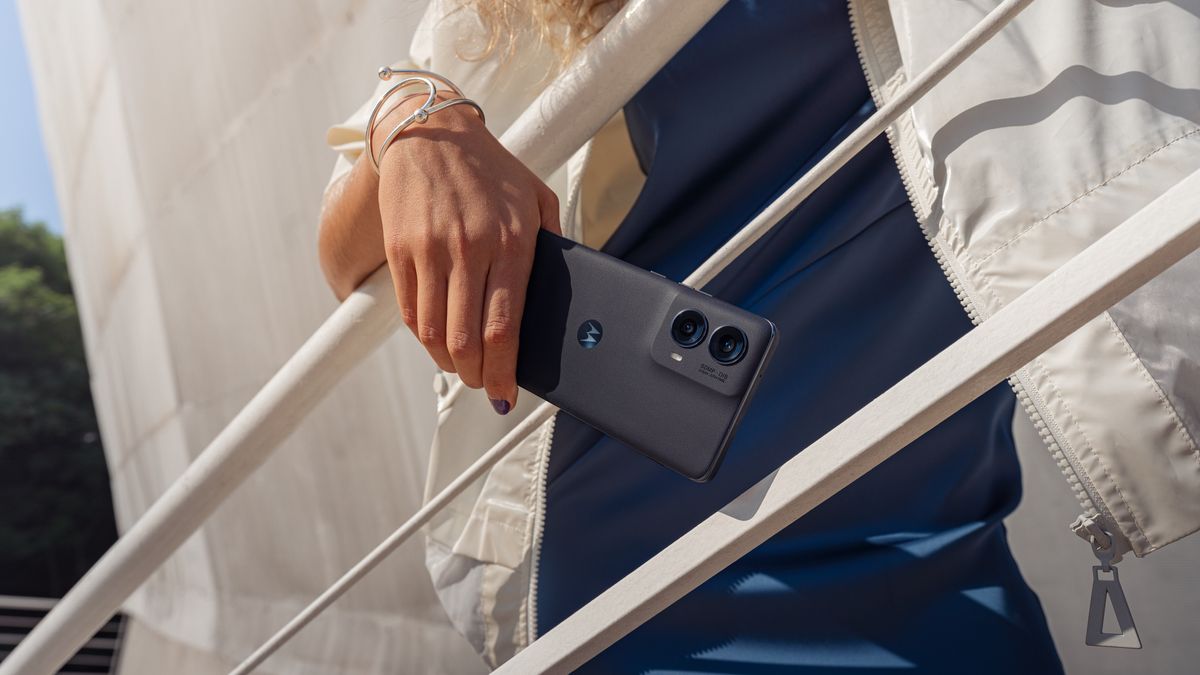
Motorola has launched the Moto Edge 2024, a midrange smartphone featuring a 6.6-inch pOLED display with a 144Hz refresh rate, Snapdragon 7s Gen 2 processor, 50MP primary camera, and a new "Quick Button" for easy app access. It also boasts a 5,000mAh battery with 68W TurboPower charging and 15W wireless charging. Available June 20 for $549, the device offers 256GB storage, IP68 rating, and a premium Midnight Blue vegan leather design.
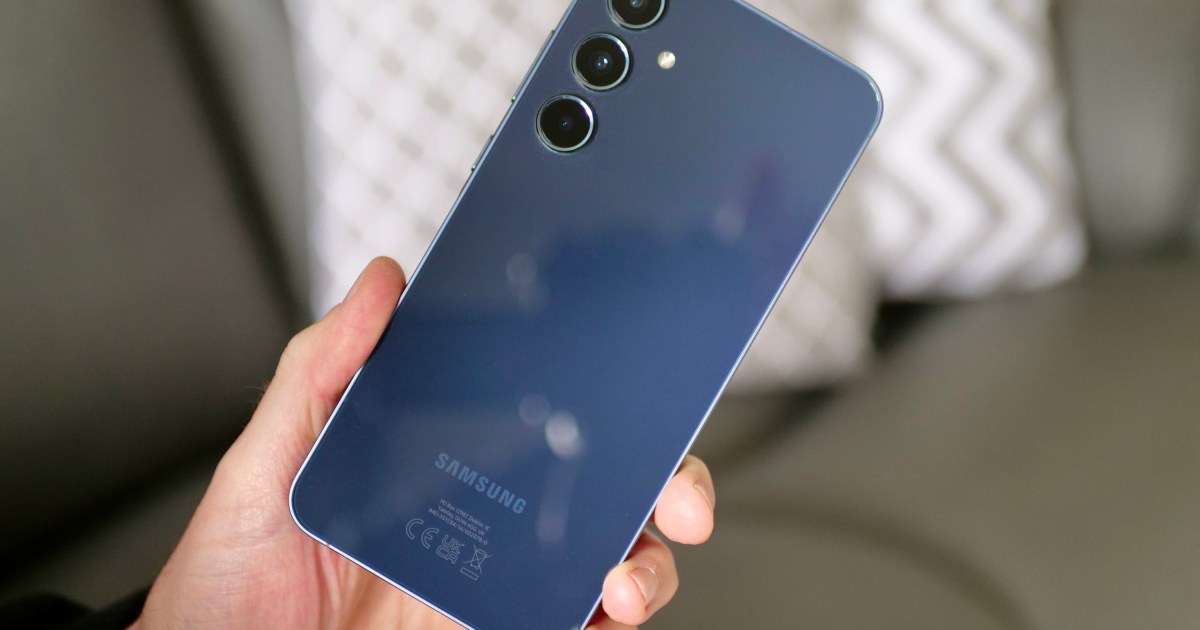
The Samsung Galaxy A55 is a new midrange smartphone with an updated design and impressive specifications, including a 6.6-inch Super AMOLED screen, 5,000mAh battery, and 5G connectivity. However, early concerns include the uncomfortable sharp edges, reflective rear panel, and substandard fingerprint sensor. Despite its positive features, Samsung's decision not to release the Galaxy A55 in the U.S. has raised questions, leaving potential buyers with alternative options in the market.
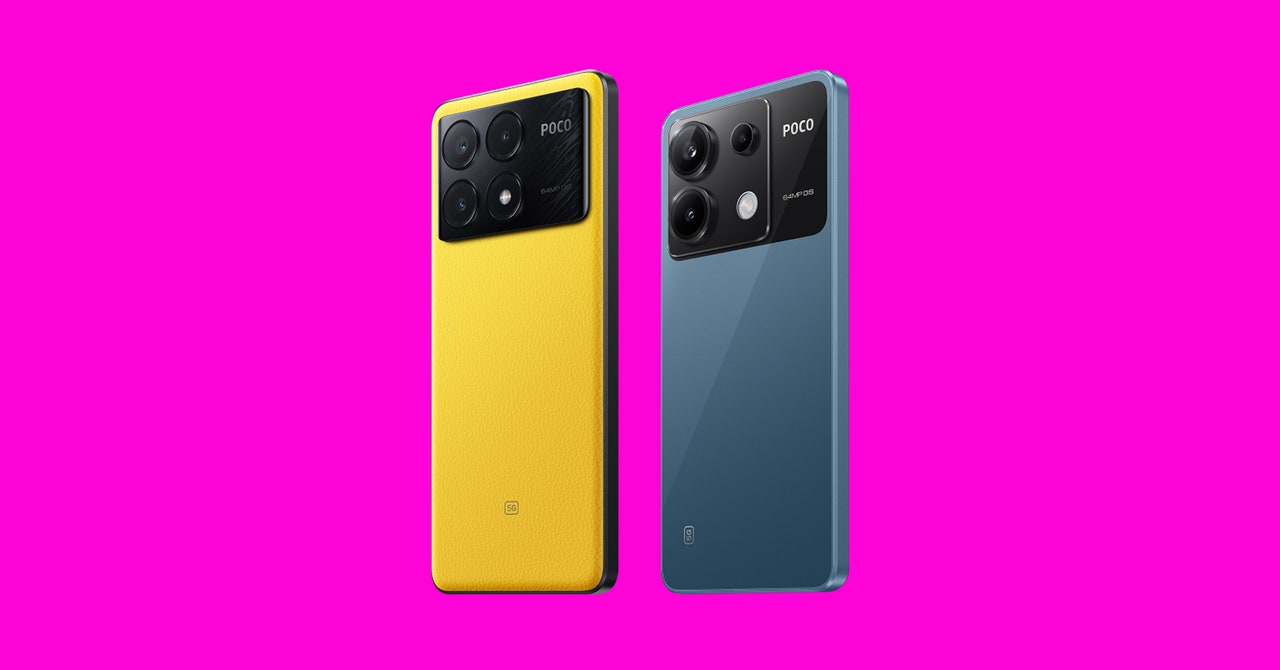
The Xiaomi Poco X6 and X6 Pro offer great value for affordable midrange Android smartphones, with excellent displays, good battery life, and solid performance. While the X6 is better for bargain hunters, the X6 Pro has some differences worth considering, such as a curved back and a camera module with four lenses. Both phones are available in the UK, Europe, and India, but not the US.
The Motorola Razr (2023) is a midrange foldable phone that falls short of expectations. While it is cheaper than its pricier counterpart, the Razr+, it also comes with limitations. The external screen is small and lacks utility, and the cameras underperform compared to other devices in its price range. The phone's design and display are decent, but overall, it fails to impress and feels outdated. If priced competitively, it may find an audience, but for most people interested in a foldable flip-phone, other options like the discounted Galaxy Z Flip 4 would be a better choice.
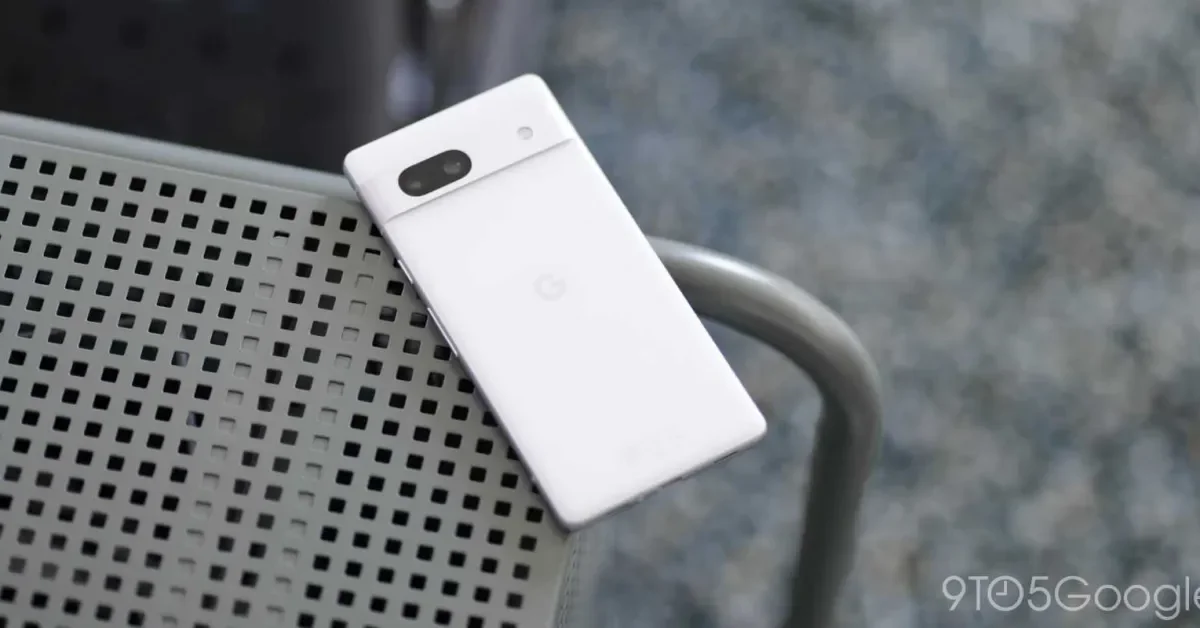
The Google Pixel 7a is now available at a discounted price of $449 on Amazon, $50 off its original price. This midrange smartphone offers features like a 90Hz display, wireless charging, and IP67 water resistance, along with Google's renowned photography capabilities. While the standard Pixel 7 offers some advantages over the 7a, such as a larger screen and faster wireless charging, the 7a's lower price and smaller screen may be appealing to some buyers.
Honor is launching its Honor 90 smartphone internationally, featuring a midrange price starting from €549 and a 200-megapixel main camera, similar to the Samsung Galaxy S23 Ultra. The camera software can bin pixels together to create 2.24μm pixels for better low-light performance. The phone also includes a 12-megapixel ultrawide and macro camera, a 2-megapixel depth camera, and a 50-megapixel front-facing selfie camera. It has a 6.7-inch display, a Snapdragon 7 Gen 1 processor, a 5,000mAh battery with 66W fast charging, and runs on Honor's Android 13-based MagicOS 7.1 software. The Honor 90 is available in select European markets, but there is no mention of a US release.
Google's new midrange smartphone, the Pixel 7a, is available for $499, but customers can get it for free with the right trade-in at the Google Store. The trade-in values vary depending on the device, with newer iPhones covering the cost entirely. The Pixel 7a features Google's AI-optimized Tensor G2 chip, Titan M2 co-processor, 8 GB of RAM, a 64-MP primary camera, and 13-MP front camera with face unlock.