Microsoft is urging Windows 10 users to decide whether to upgrade to Windows 11 or enroll in a 12-month security support extension before October's security update ends support for Windows 10, with persistent upgrade prompts and support offers appearing after August updates.
Recent Windows 11 updates (KB5063878 and KB5062660) are causing data corruption and SSD failures, especially on drives with Phison NAND controllers, prompting Microsoft and Phison to work on a fix. Users are advised to avoid large, rapid file writes until the issue is resolved.
Microsoft is rolling out a series of new AI features for Windows 11, including Copilot Vision for screen analysis, an AI-powered settings agent for Snapdragon PCs, and enhanced 'Click to Do' actions, with some features exclusive to Copilot Plus PCs. These updates aim to improve user interaction and productivity across the OS, and will be gradually available over the next month.
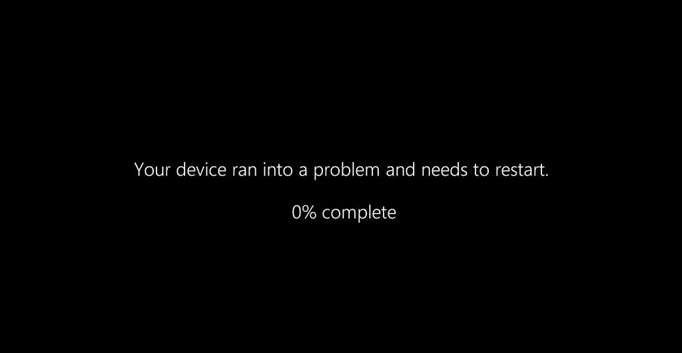
Microsoft is rolling out a redesigned, simplified black Screen of Death (BSOD) for Windows 11 users, replacing the traditional blue screen with a clearer display of stop codes and faulty drivers to improve troubleshooting. The update, part of a broader Windows 11 update including the new Quick Machine Recovery feature, aims to enhance system resilience and troubleshooting efficiency.
Microsoft has disabled the facial recognition feature of Windows Hello in dark rooms following a security vulnerability fix, requiring visible light for face detection, which impacts users' ability to unlock their devices in low-light conditions.