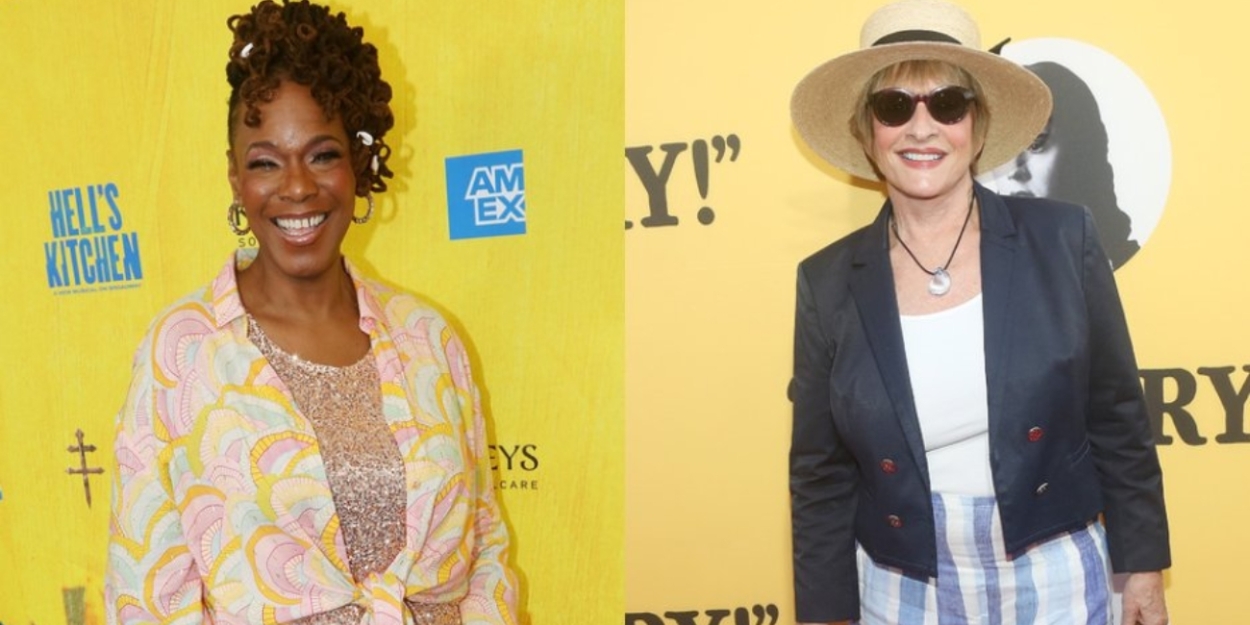
Over 500 Broadway artists have signed a letter condemning Patti LuPone's recent inappropriate comments about fellow artists Audra McDonald and Kecia Lewis, calling for accountability and a culture of respect within the theater community.
Shaboozey, a rising star in country music, faced microaggressions at the 2024 CMA Awards despite his significant contributions to the genre with his hit "A Bar Song (Tipsy)." The event was marred by jokes about his name, highlighting issues of racial insensitivity within the industry. Shaboozey, who has had a successful year with Grammy nominations, deserves more respect and an apology for the treatment he received at the CMAs.
Kecia Lewis, a cast member of the musical Hell's Kitchen, criticized Patti LuPone for her comments and actions regarding the show's noise levels, which Lewis described as "bullying" and "racially microaggressive." LuPone had reportedly complained about the sound from Hell's Kitchen, which shares a wall with her play The Roommate, and later sent flowers to the sound team. Lewis argued that referring to a predominantly Black show as "loud" can reinforce harmful stereotypes and called for an apology from LuPone.
A new study by McKinsey & Co. and Lean In reveals that the barriers for women in the workforce begin at the entry-level, with women being less likely to receive promotions compared to their male counterparts. This "broken rung" phenomenon is even more pronounced for women of color. The study also highlights that bias and gender stereotypes play a role in hindering women's career advancement. Additionally, microaggressions, such as interruptions and comments about emotional state, have a lasting impact on women at work. The report emphasizes the need for addressing bias and creating a more inclusive workplace culture to unlock opportunities for women.
A survey led by Yale School of Medicine reveals that Asian American medical students frequently experience racism, including slurs, racist comments, mistaken identity, and discrimination. The study found that schools often fail to address these issues, leaving students feeling unsupported. The COVID-19 pandemic has exacerbated anti-Asian rhetoric and discrimination. Similar studies have shown that minority medical professionals, such as Black doctors, also face marginalization and bias in the workplace. The lack of support structures further compounds the pain inflicted on Asian medical students. Despite the challenges, these students continue to prioritize patient care.