Danaher will acquire Masimo for $9.9 billion, paying $180 per share and a 38.3% premium to Masimo's last close, to broaden its diagnostics portfolio with Masimo's non-invasive monitoring devices; the deal is expected to close by the second half of 2026, Masimo shares jumped while Danaher's fell on the news.
Blackstone and TPG are set to acquire Hologic for $18.3 billion in the largest medical devices deal since 2006, facilitated by improved credit markets and lower borrowing costs, which enable larger private equity buyouts in undervalued healthcare sectors.
Johnson & Johnson announced plans to spin off its DePuy Synthes Orthopaedics business to enhance focus and growth, creating a standalone orthopaedics company expected to be the largest in its field, with a strategic move aimed at boosting margins and market share, led by newly appointed president Namal Nawana.
Johnson & Johnson's stock surged after raising its 2025 guidance following a strong Q2 report, which also positively impacts the outlook for other medtech companies like Stryker, Medtronic, and Boston Scientific due to broad industry growth and specific segment performances.
Baxter International has appointed Andrew Hider as its new CEO, effective by September 2025, bringing extensive experience from ATS Corporation and a strong track record in automation and operational leadership, as the company aims to accelerate innovation and growth in healthcare solutions.
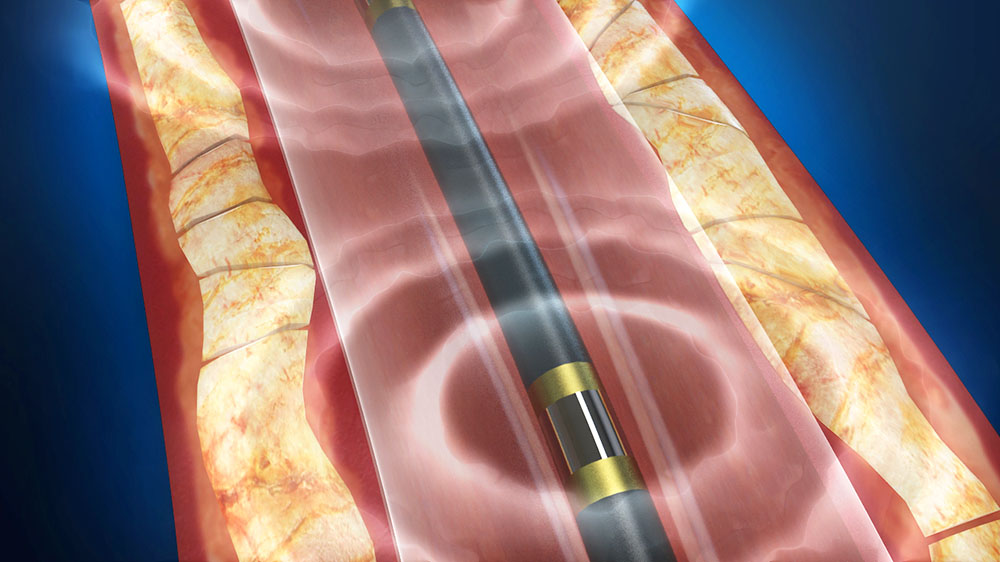
Johnson & Johnson has acquired Shockwave Medical for $13.1 billion, aiming to bolster its presence in higher-growth markets and expand its expertise in cardiovascular intervention. Shockwave Medical specializes in intravascular lithotripsy, a technology that helps treat calcifications in the arteries, and the deal is expected to close in mid-2024. The acquisition is projected to be slightly dilutive to J&J's adjusted earnings for this year and the next, and analysts believe the offer fairly values Shockwave, with no anticipated antitrust issues due to a lack of product overlap.
Johnson & Johnson MedTech has outlined its plans for growth, setting long-term financial targets and emphasizing its position as a leader in healthcare innovation. The company expects at least 3% sales growth in 2025 and a compound annual growth rate of 5%-7% from 2025 to 2030. Johnson & Johnson MedTech aims to achieve this growth through a differentiated pipeline and geographic expansion, particularly in the interventional cardiovascular, robotics, and digital spaces. The company also highlighted recent acquisitions and the development of its Ottava surgical robot as key drivers of growth. Johnson & Johnson MedTech's new head, Tim Schmid, emphasized the importance of advancing the company's pipeline, expanding into high-growth markets, and building operational resilience. The company's integration of Abiomed into its portfolio is performing above expectations, and it plans to make its flagship Impella heart pumps smaller, smarter, and more connected. Johnson & Johnson MedTech also provided an update on its Ottava surgical robot, with plans to submit it for FDA approval in the second half of 2024.
Johnson & Johnson reported better-than-expected second-quarter revenue and adjusted earnings, driven by strong sales in its medtech division, which provides devices for surgeries, orthopedics, and vision. The company raised its full-year guidance and adjusted earnings outlook, benefiting from a rebound in demand for non-urgent surgeries among older adults. Sales for the medical devices business rose 12.9%, while pharmaceutical sales grew over 3%. J&J's consumer health business, now spun out as Kenvue, saw a 5.4% increase in sales. The company's quarterly results come amid ongoing lawsuits related to its talc-based products, which J&J will assume all talc-related liabilities for in the U.S. and Canada.