
Magnetic Switch Lets Protein Fluorescence Be Remotely Tuned in Cells
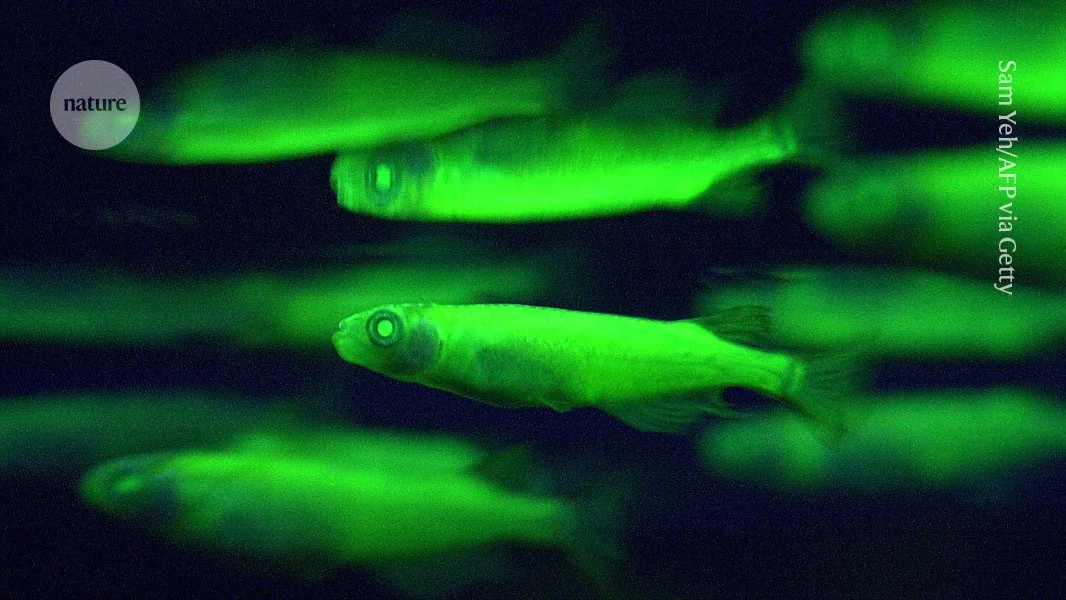
Researchers have engineered magnetically responsive fluorescent proteins (MagLOV) that can be dimmed or brightened in cells and living tissue using magnetic fields and radio waves, enabling remote control of protein function for potential biosensors or therapies. Demonstrated in bacteria and with methods to map MagLOV-expressing cells in solid blocks, the work relies on a quantum magnetic resonance effect in electron pairs and could extend to animal studies as magnetically targeted tools are developed.