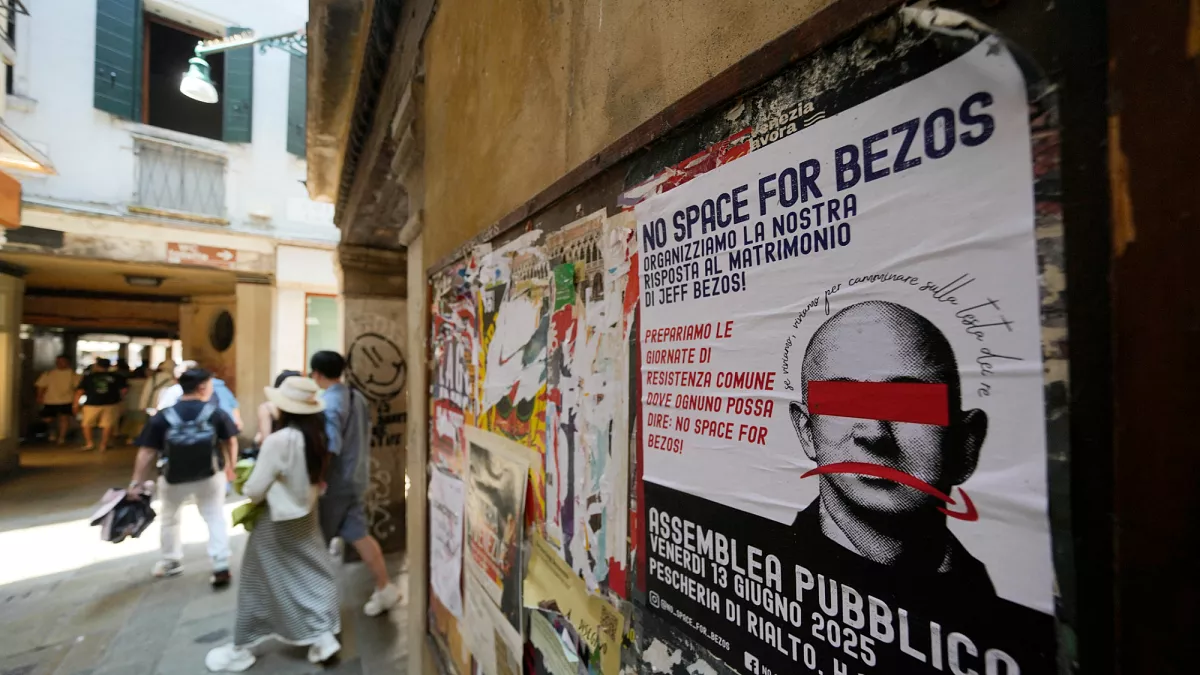
Venice activists are planning protests against Jeff Bezos' upcoming wedding, criticizing it as a symbol of over-tourism and economic inequality, while the city officials celebrate the event as a boost to the local economy.
Protests against mass tourism erupted in Spain and other European countries, with residents expressing frustration over rising housing costs and lifestyle changes, including water pistol attacks on tourists in Barcelona. While tourism boosts local economies, it also causes displacement and increased living costs, prompting some locals to protest. The protests highlight the complex relationship between tourism and community well-being, and suggest a need for better dialogue and policies to balance economic benefits with residents' quality of life.
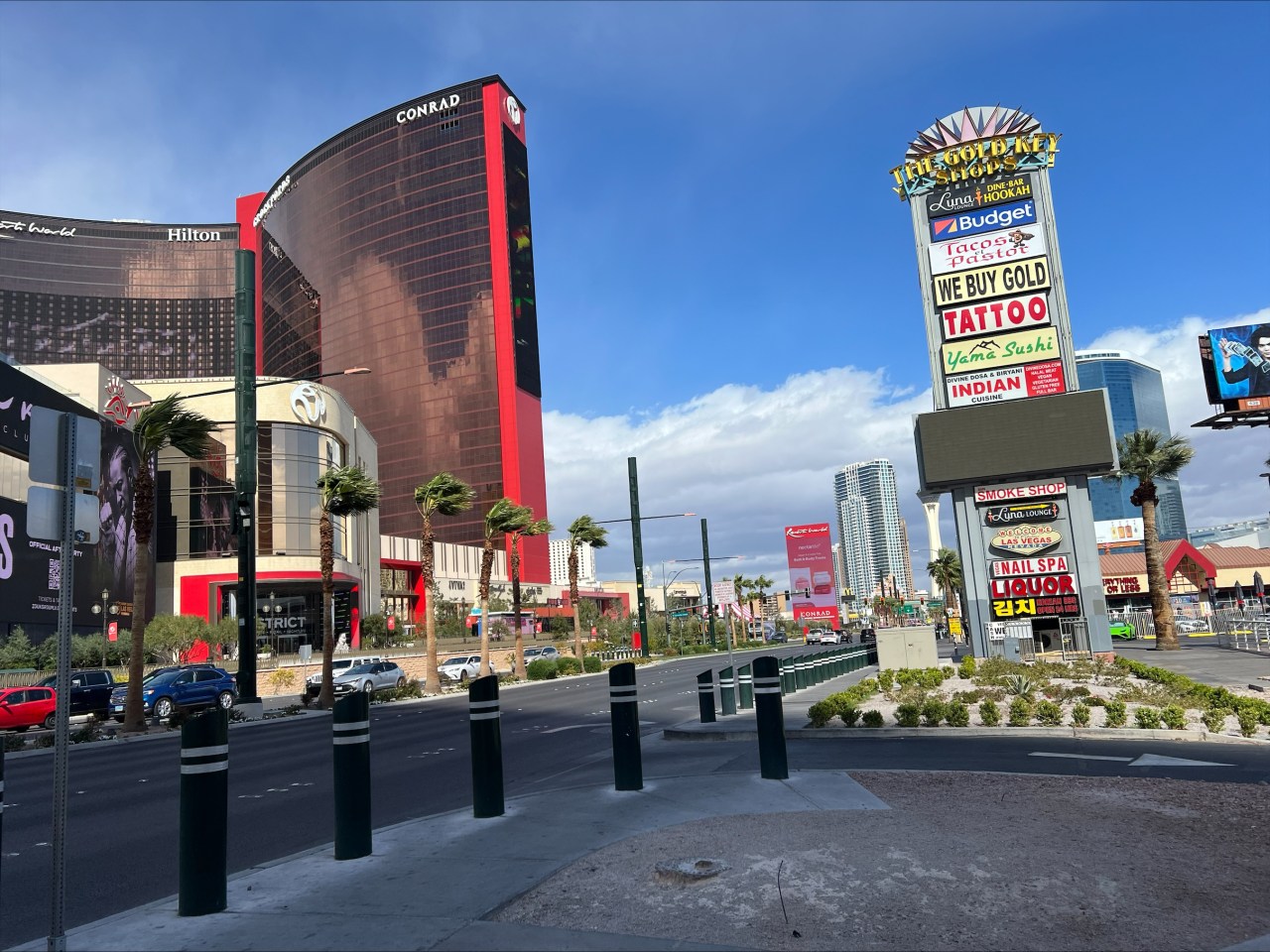
Strong winds in the Las Vegas valley caused havoc, knocking down trees, streetlights, and part of a metal sign at the California Hotel and Casino, with locals and tourists struggling to stand upright and experiencing disrupted traffic and property damage in local neighborhoods. Residents and visitors alike were surprised by the intensity of the wind, likening it to a tornado and expressing difficulty in navigating the area.
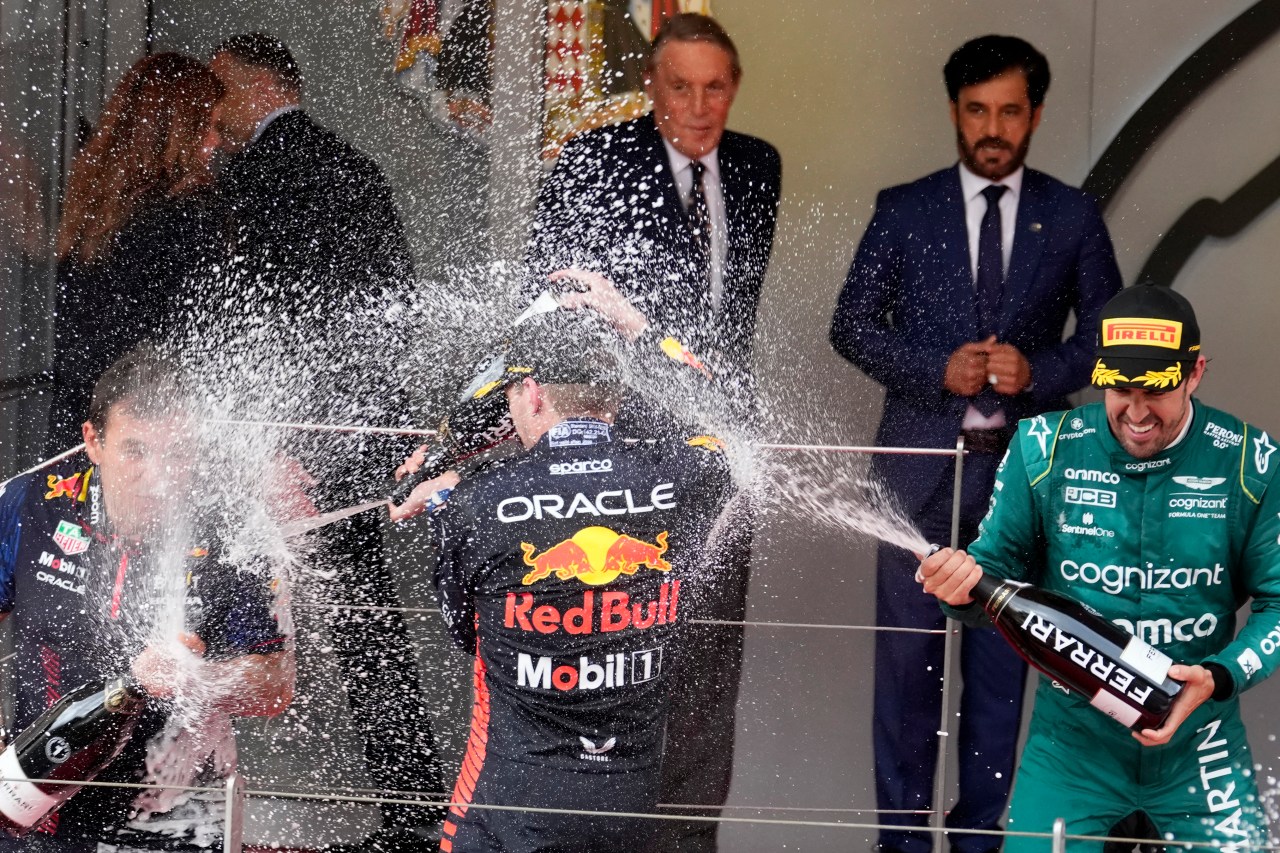
Formula One is offering a two-day exclusive 40% discount on all merchandise to Las Vegas residents as a token of appreciation for their hard work and dedication during the Formula 1 Heineken Silver Las Vegas Grand Prix. The sale takes place at the F1 Las Vegas Hub in the Venetian Resort, and residents must provide proof of address with a valid ID.
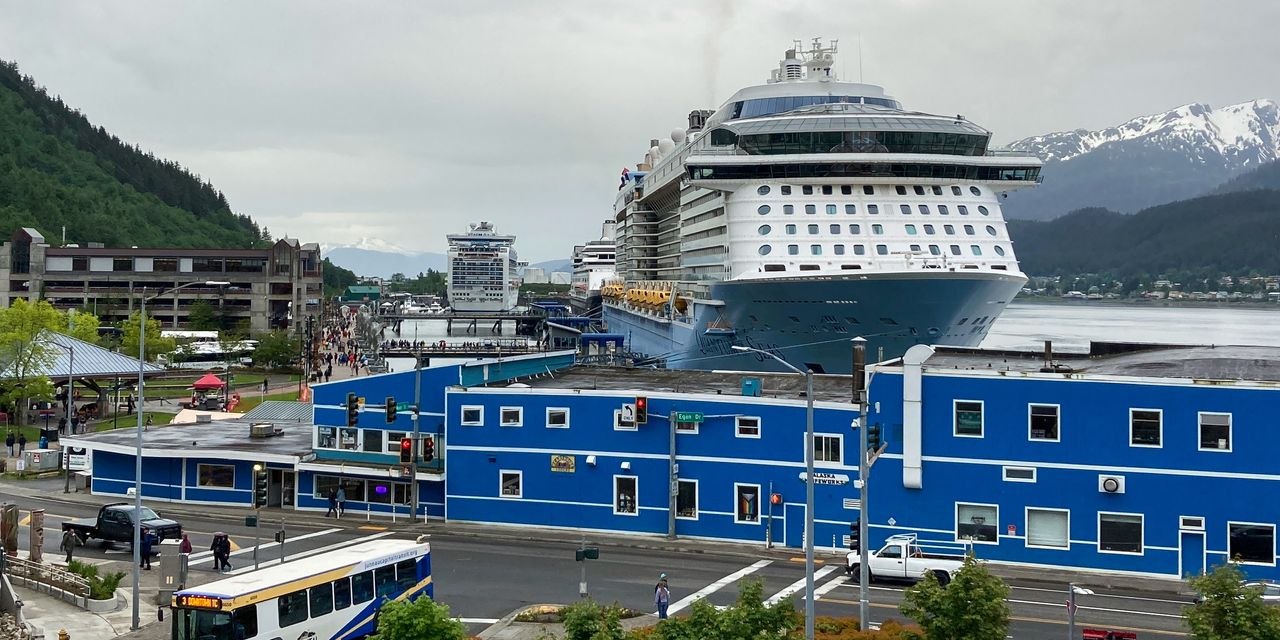
Cities around the world are expressing concerns over the influx of tourists brought by cruise ships, citing issues of overcrowding and strain on local resources. As cruise ship tourism continues to grow, cities are grappling with the need to strike a balance between economic benefits and the well-being of their residents. Some cities have implemented measures such as limiting the number of ships or tourists allowed, while others are exploring alternative strategies to manage the impact of cruise ship tourism.
Local residents of Indianapolis will not be able to watch the Indy 500 live on NBC due to a blackout tradition that started nearly 75 years ago. The blackout was lifted last year due to COVID-19 restrictions, but has been reinstated this year. Fans found a loophole last year by subscribing to NBC's Peacock streaming service, but that has now been closed. The blackout is meant to encourage local residents to attend the race, but it may be counterproductive as it limits who can view the race and reduces the potential to draw in new fans.