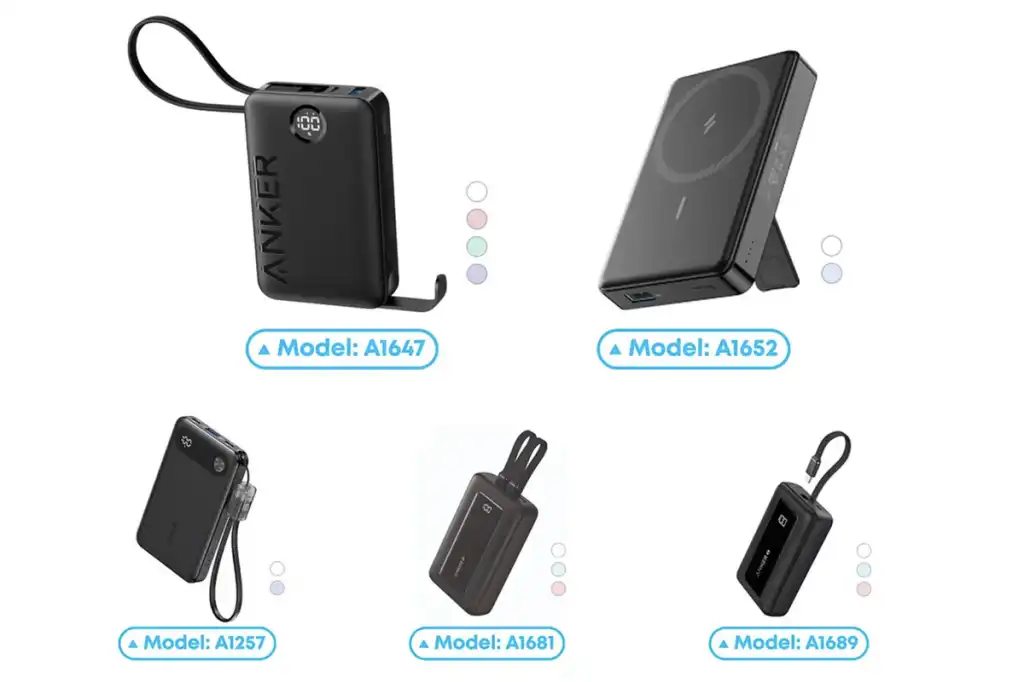
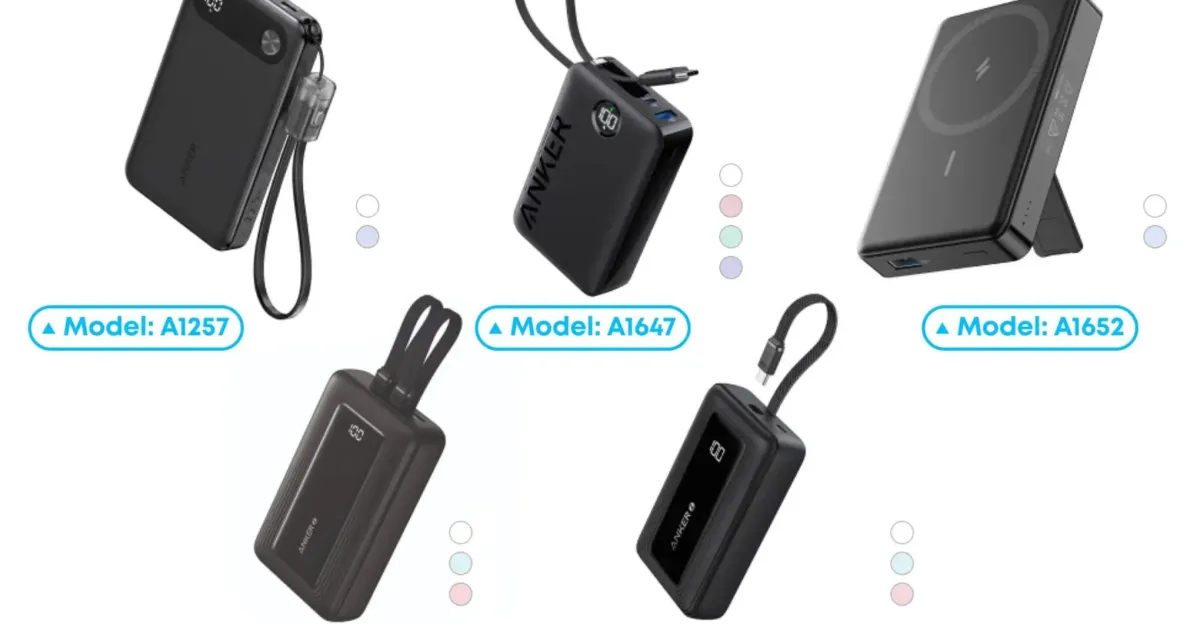
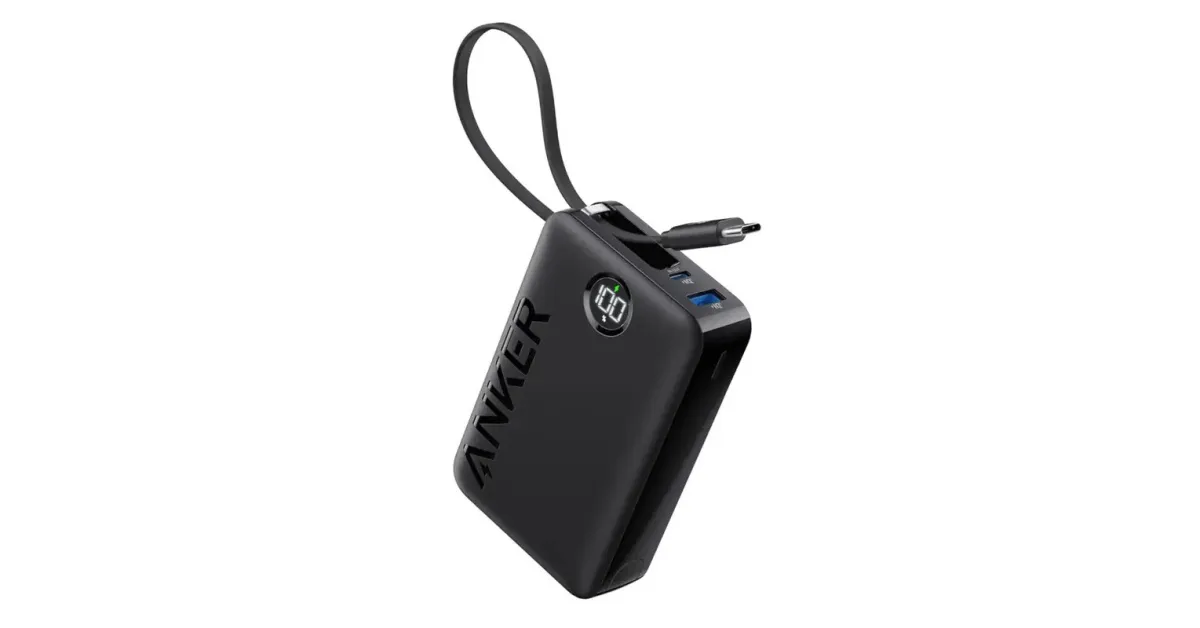
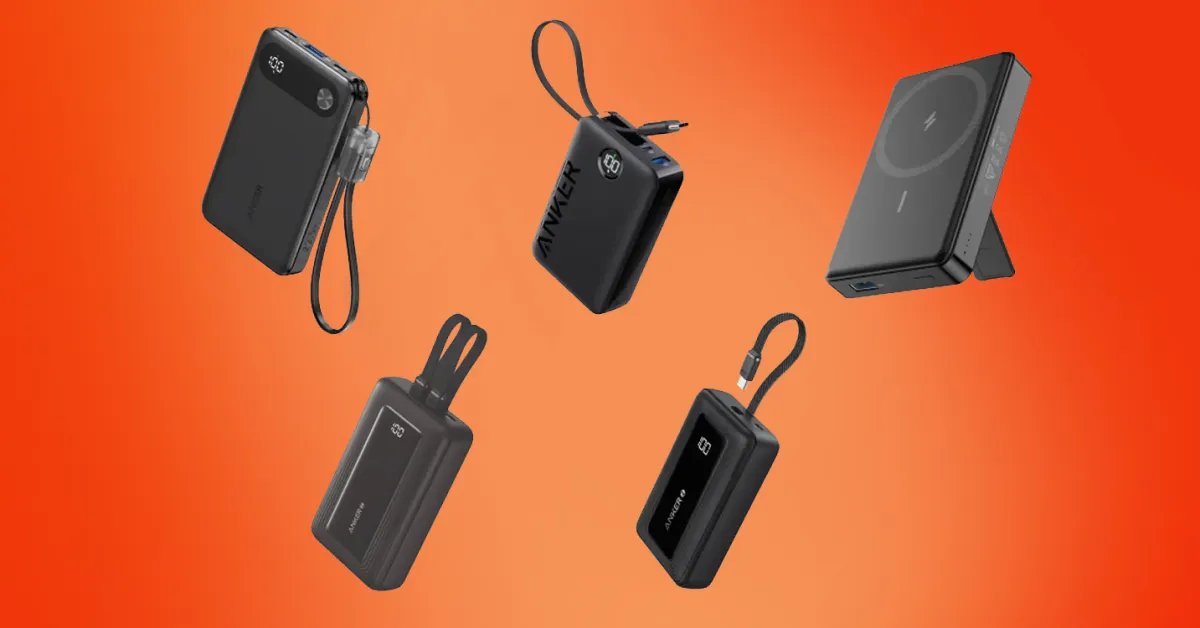
Anker has recalled approximately 481,000 power banks due to a manufacturing defect that increases the risk of overheating, melting, and fire, affecting models with built-in Lightning or USB-C cables, and is advising owners to stop use and dispose of affected units safely.
Anker is recalling five additional power bank models due to fire risks from overheating and melting, offering replacements or gift cards to affected customers, with safety disposal instructions provided.
Anker has issued a recall for six of its power banks due to potential battery issues that could cause overheating, melting, or fire hazards. Consumers should check if their model is affected, fill out a recall form, and dispose of the product safely to receive a replacement or gift card.
Anker has issued a global recall for five power bank models due to a fire hazard risk from lithium-ion batteries, advising owners to stop using affected devices and follow safety disposal procedures, with options for free replacements or gift cards.
Anker has recalled over 1.1 million PowerCore 10000 power banks in the US due to reports of fires and explosions, advising owners to stop using the devices, verify serial numbers, and submit proof of ownership and proper disposal to receive replacements. The recall highlights the safety risks associated with lithium-ion batteries in portable chargers, especially on airplanes, and emphasizes cautious handling and disposal.
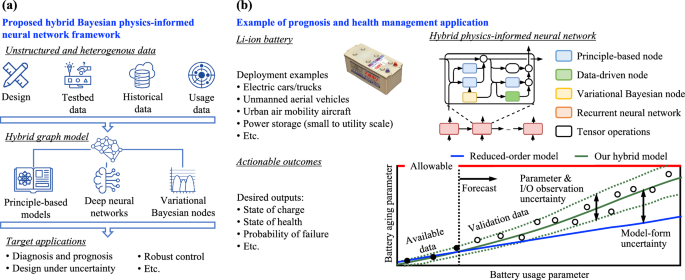
Researchers have proposed a hybrid Bayesian physics-informed neural network framework for Li-ion battery prognosis, addressing challenges such as computational efficiency, partially characterized first-principle models, and unstructured datasets. The framework integrates numerical integration of governing equations using recurrent neural networks, compensates for model-form uncertainty with data-driven nodes, and incorporates variational Bayesian nodes to account for data uncertainty. The approach allows for accurate prediction of battery end of discharge while considering the effect of battery aging, inter-battery variability, and temperature effects. The hybrid model can handle diverse sources of information and offers benefits such as model updating without decommissioning the battery, handling battery-to-battery variation, and incorporating fleet-wide data for battery degradation modeling. Experimental data from the NASA Prognostics Center of Excellence Data Repository is used to demonstrate the effectiveness of the framework.
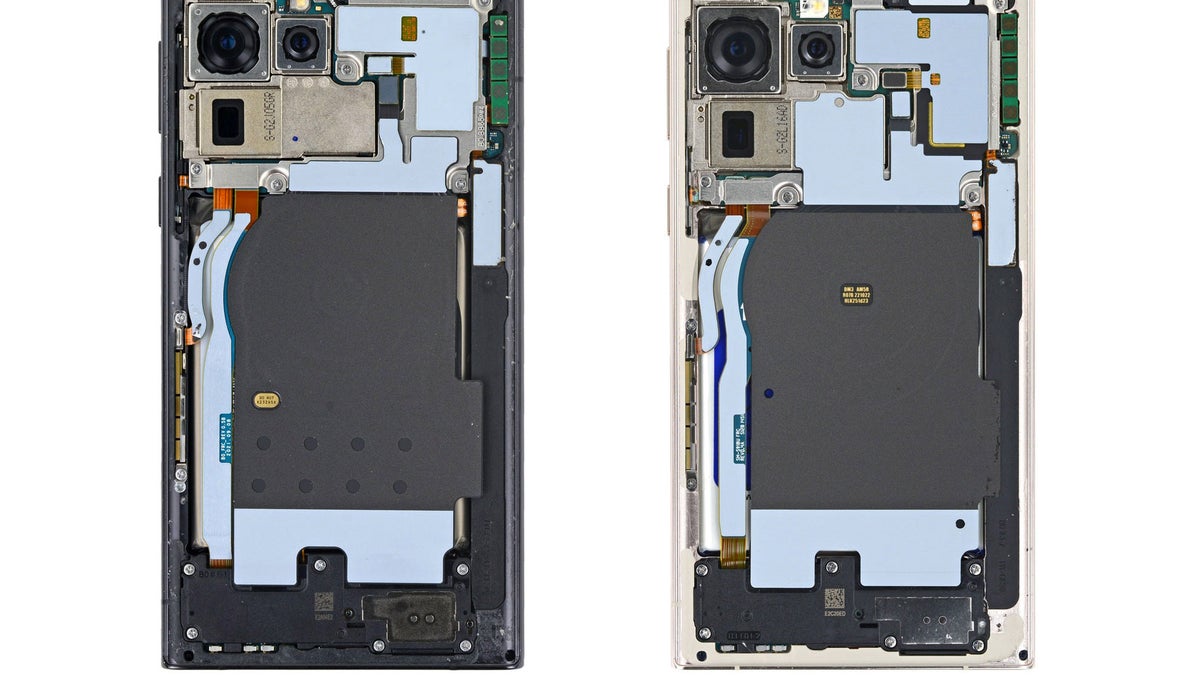
Samsung's SDI department is planning to use the "stacking" method, which packages battery components tighter for increased energy density, to increase the battery capacity of its smartphones and tablets. The upcoming Galaxy S24 series may feature this technology, which could add 10% more capacity to the current S23 Ultra's 5,000 mAh battery without sacrificing interior space. Samsung will commence mass production of stacked batteries with increased capacity in its Cheonan factory after running a pilot line in Tianjin.