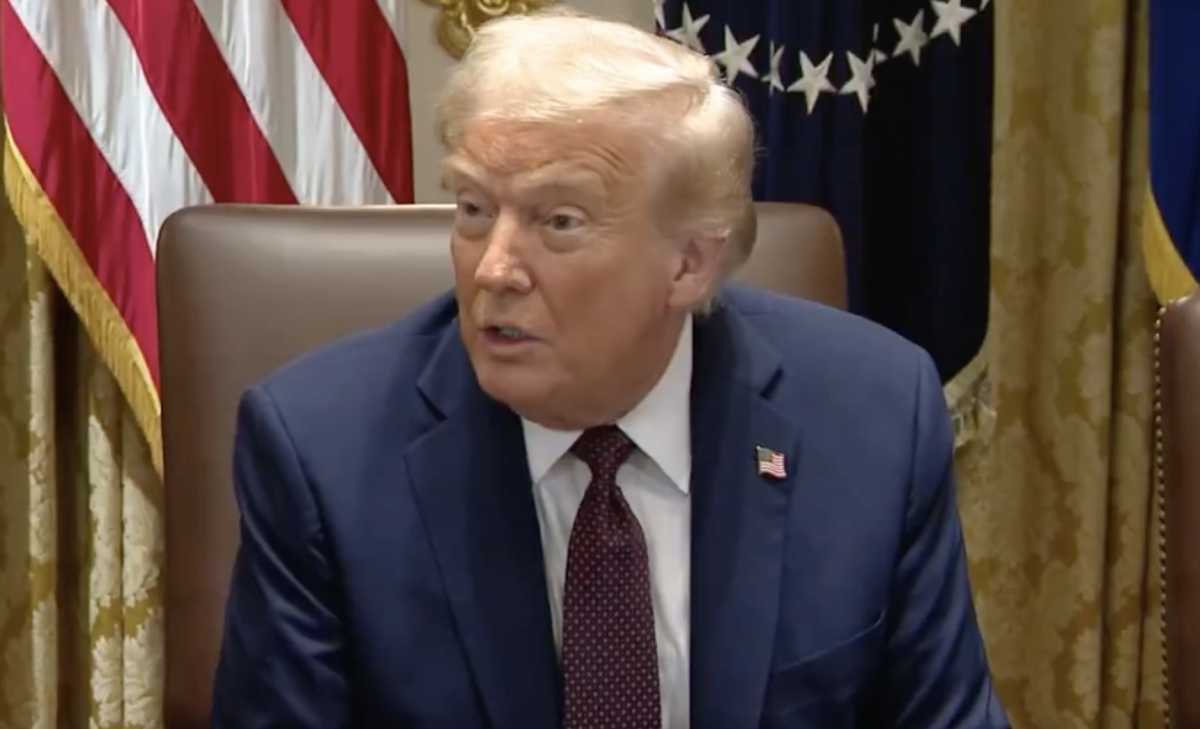
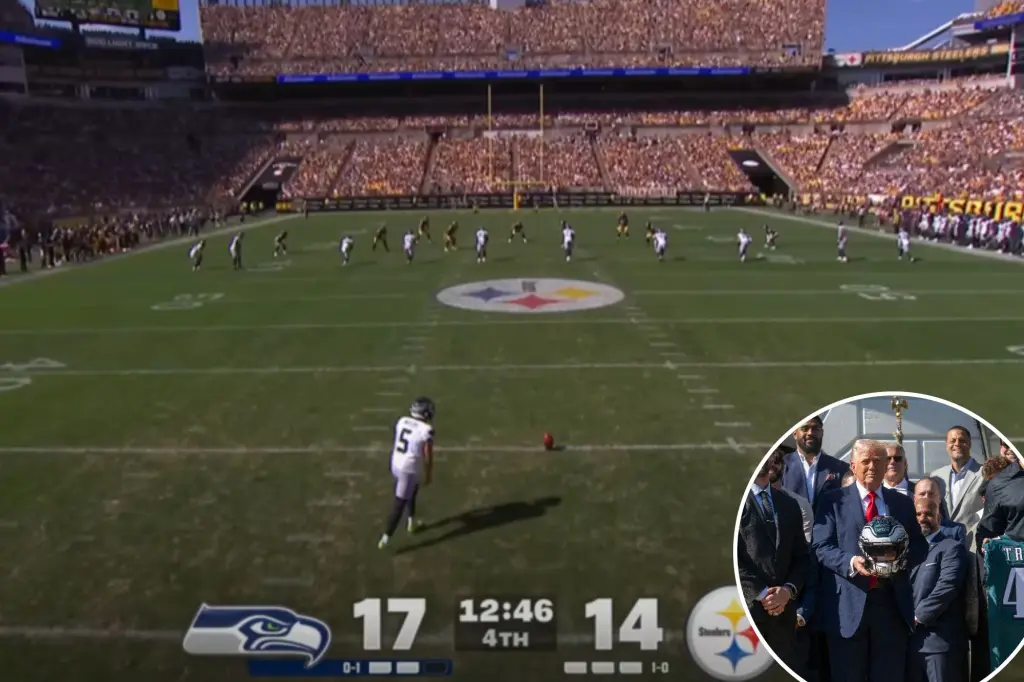
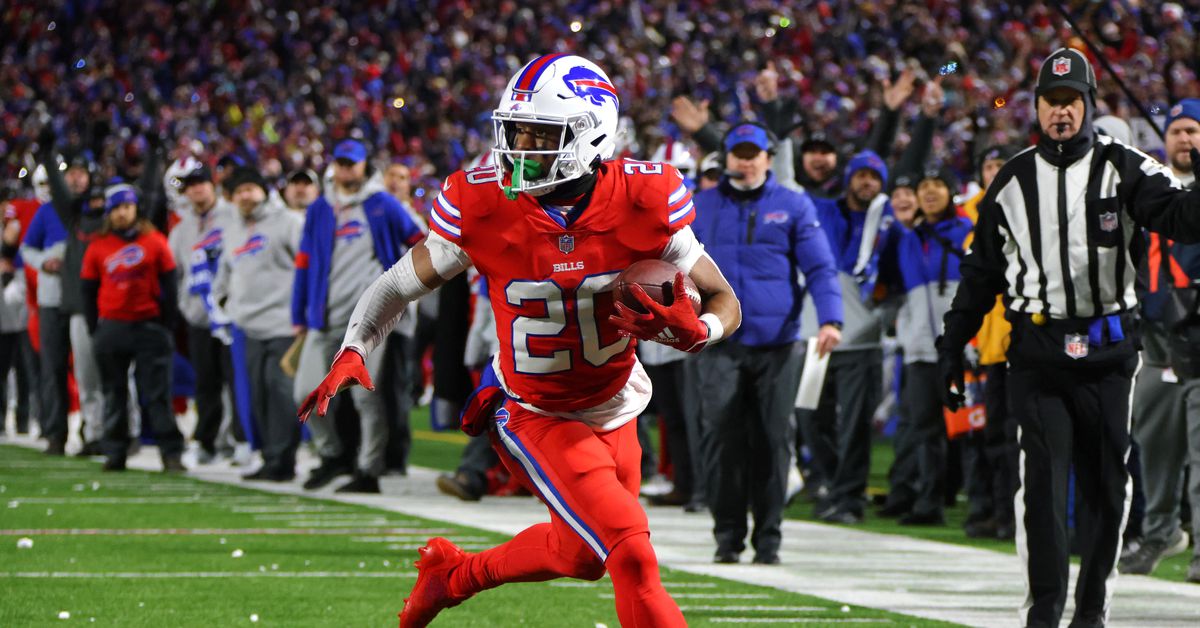
President Trump criticizes the NFL's new 'Dynamic Kickoff Rule' as 'atrocious,' arguing it looks bad and is dangerous, but the league is maintaining the rule to promote safer and more active kickoff returns, despite his objections.
President Donald Trump criticized the NFL's new kickoff rule, calling it 'sissy football,' and expressed disapproval of the changes aimed at player safety, which have resulted in fewer returns and a significant drop in concussions, while also highlighting his ongoing opposition to the league's rule modifications.
The NFL has made permanent the experimental kickoff rule from 2024, moving touchbacks to the 35-yard line to increase returns and safety, and introduced tweaks to onside kicks, overtime, and replay assist systems, along with other procedural updates for the 2025 season.
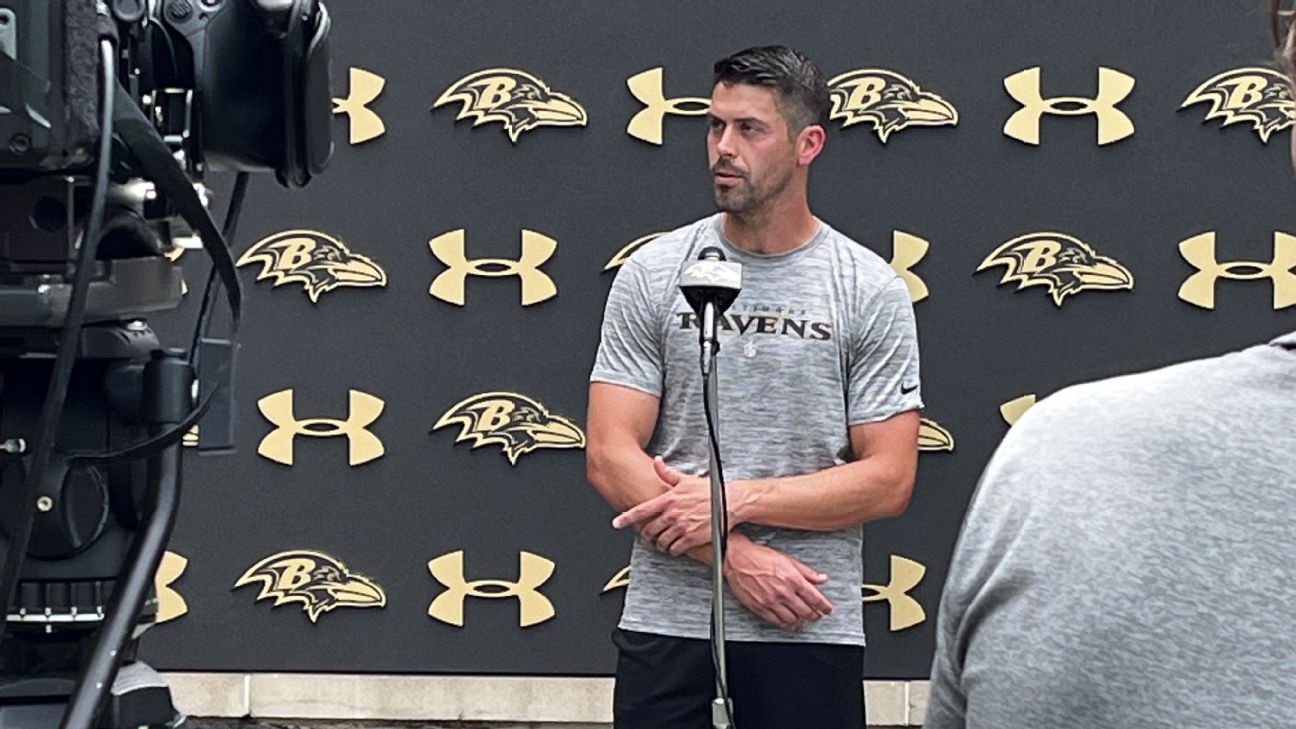
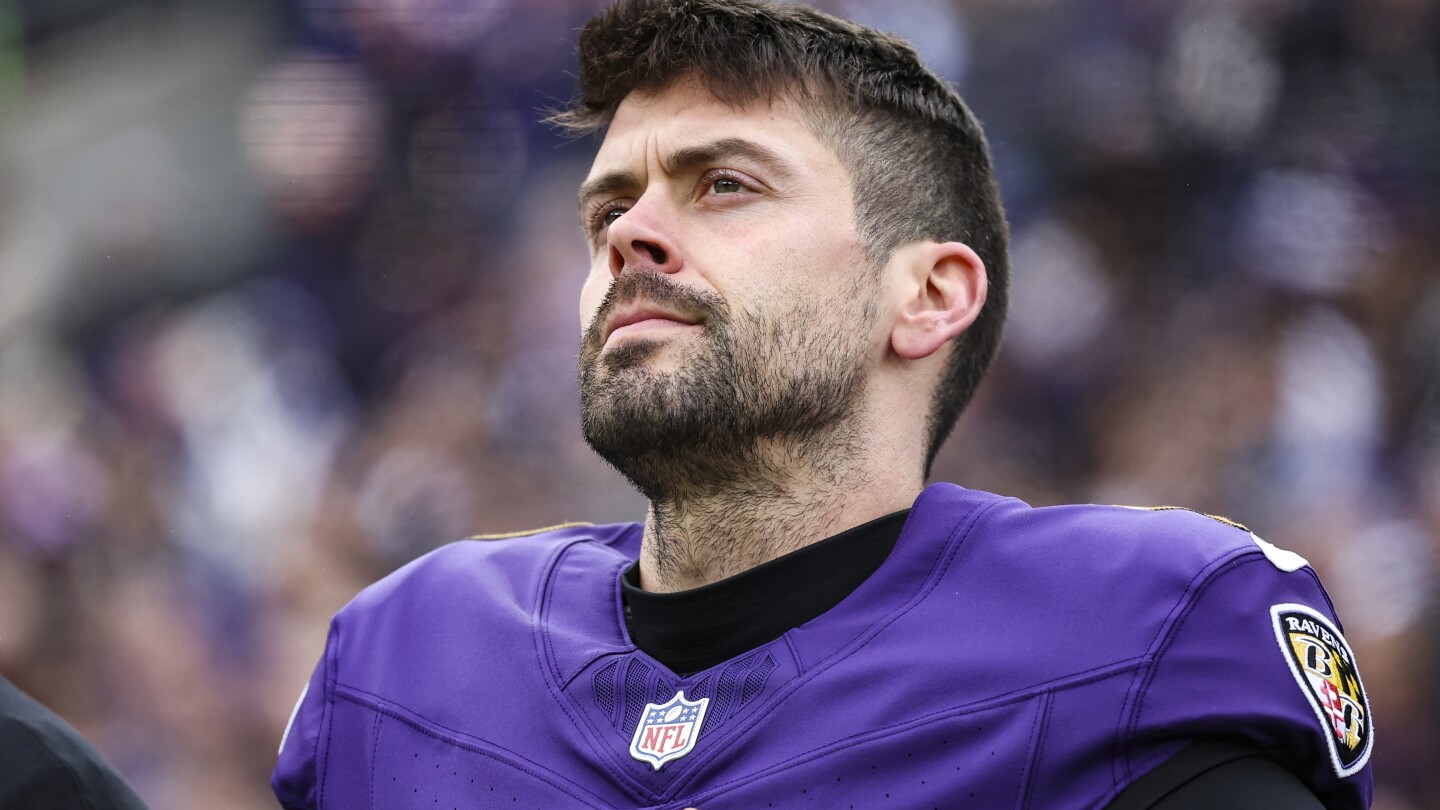
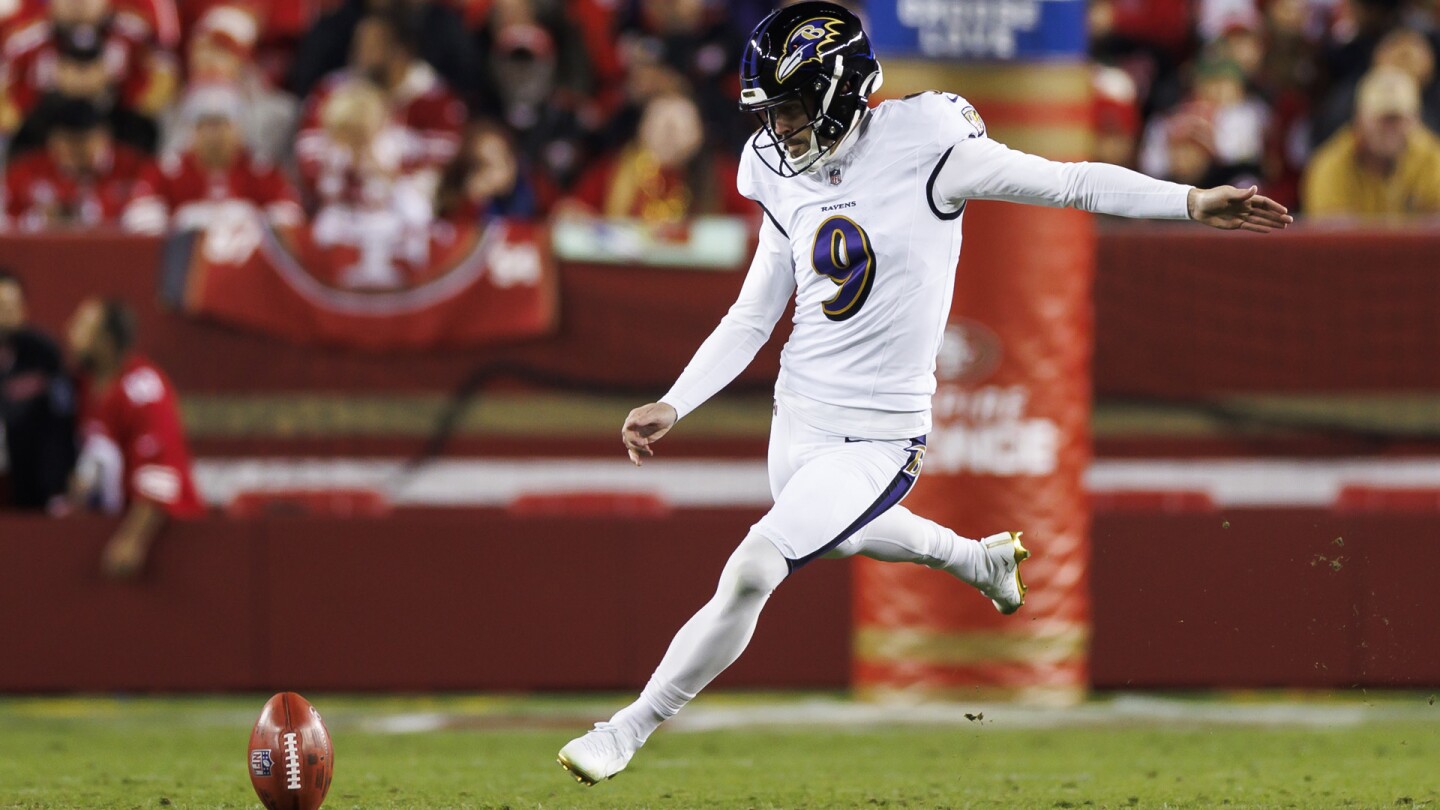
Baltimore Ravens kicker Justin Tucker is adjusting his workout routine to prepare for the NFL's new kickoff rule, which requires kickers to be more involved in tackling. Tucker has added a few pounds and is considering tackling drills in training camp. The rule change, inspired by the XFL, positions kickers as the last line of defense, prompting teams to explore using more experienced tacklers for kickoffs.
Ravens kicker Justin Tucker is excited about the NFL's new kickoff rule that encourages more returns, and is ready to make tackles if needed. He believes the change will make kickoffs more relevant and exciting, and is eager to be on the field as much as possible.
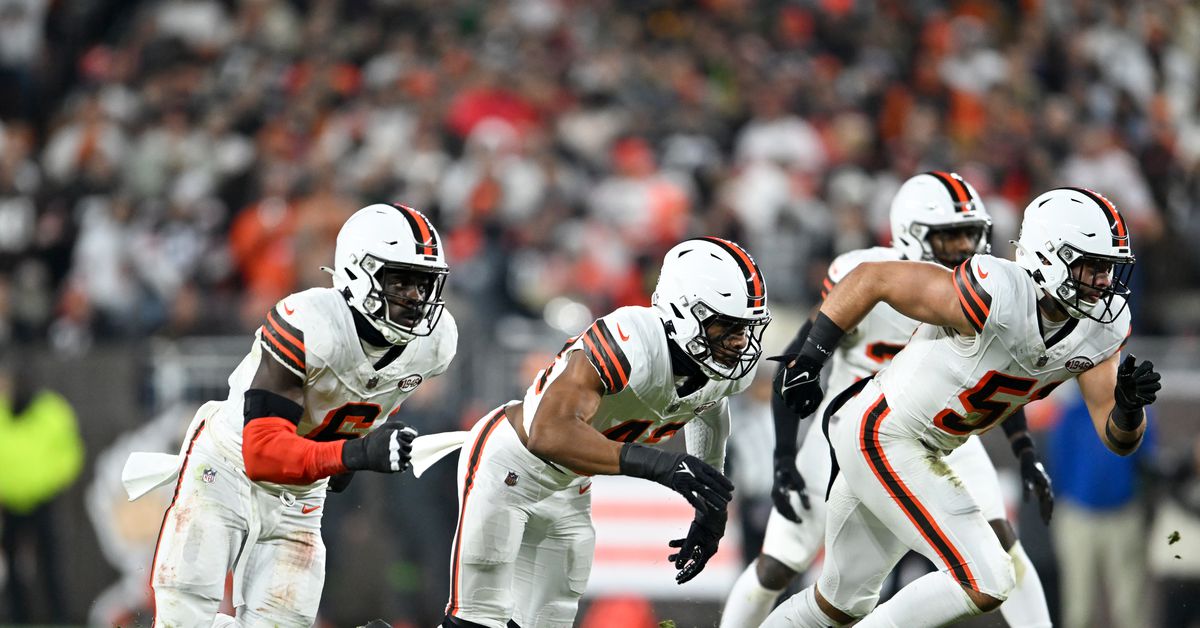
The NFL's new kickoff rule could significantly alter the Cleveland Browns' 53-man roster, potentially reducing the need for special teams-only players like extra linebackers and increasing the value of offensive and defensive depth. This rule change, considered one of the most impactful since the two-point conversion in 1994, will likely involve more high-profile players in special teams and reshape roster strategies as the season approaches.
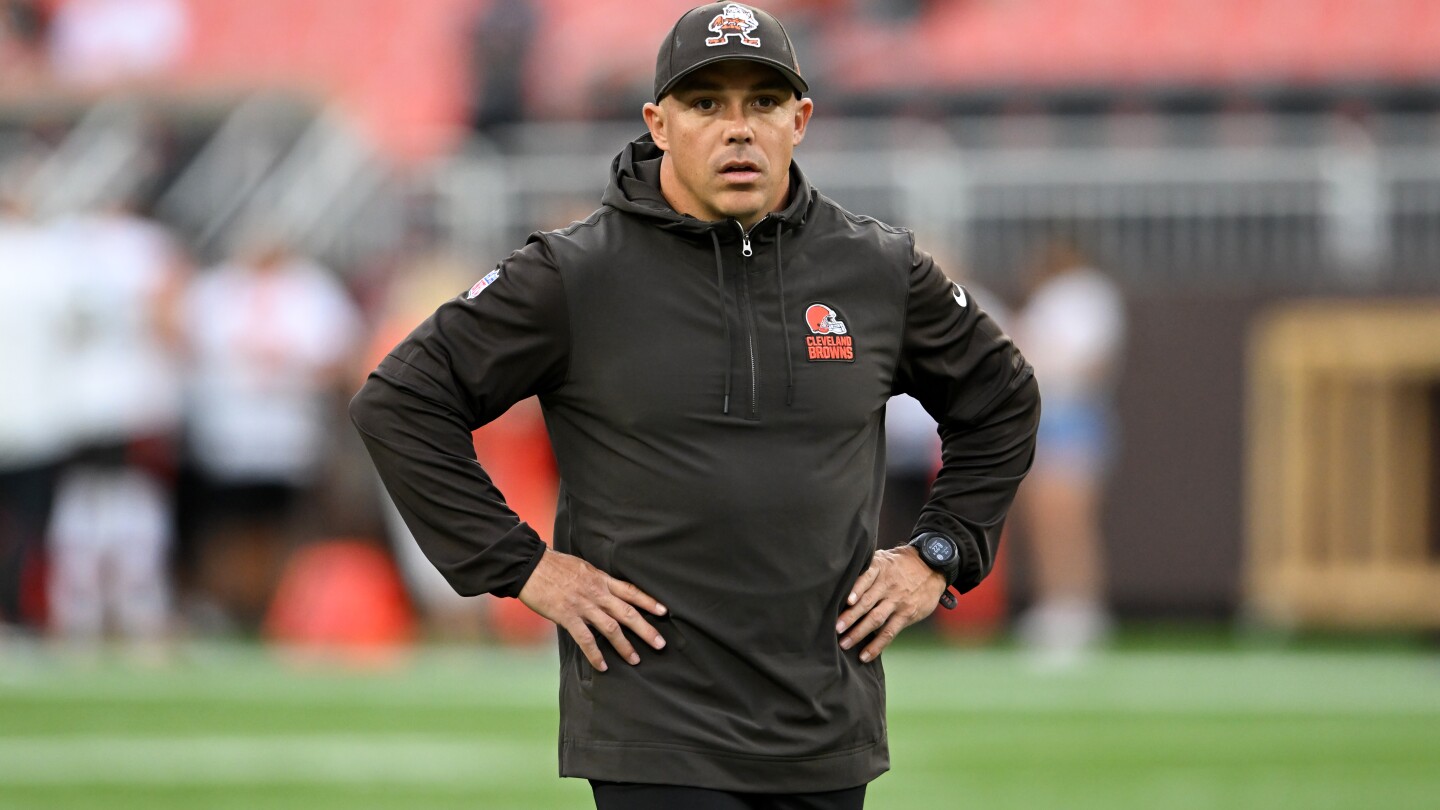
The Cleveland Browns are preparing to test strategies for the NFL's new kickoff rule during training camp, where full contact will allow for effective evaluation. Special teams coordinator Bubba Ventrone emphasizes the importance of trial and error and plans to focus on tackling techniques, especially for kickers, anticipating more frequent kickoff returns.
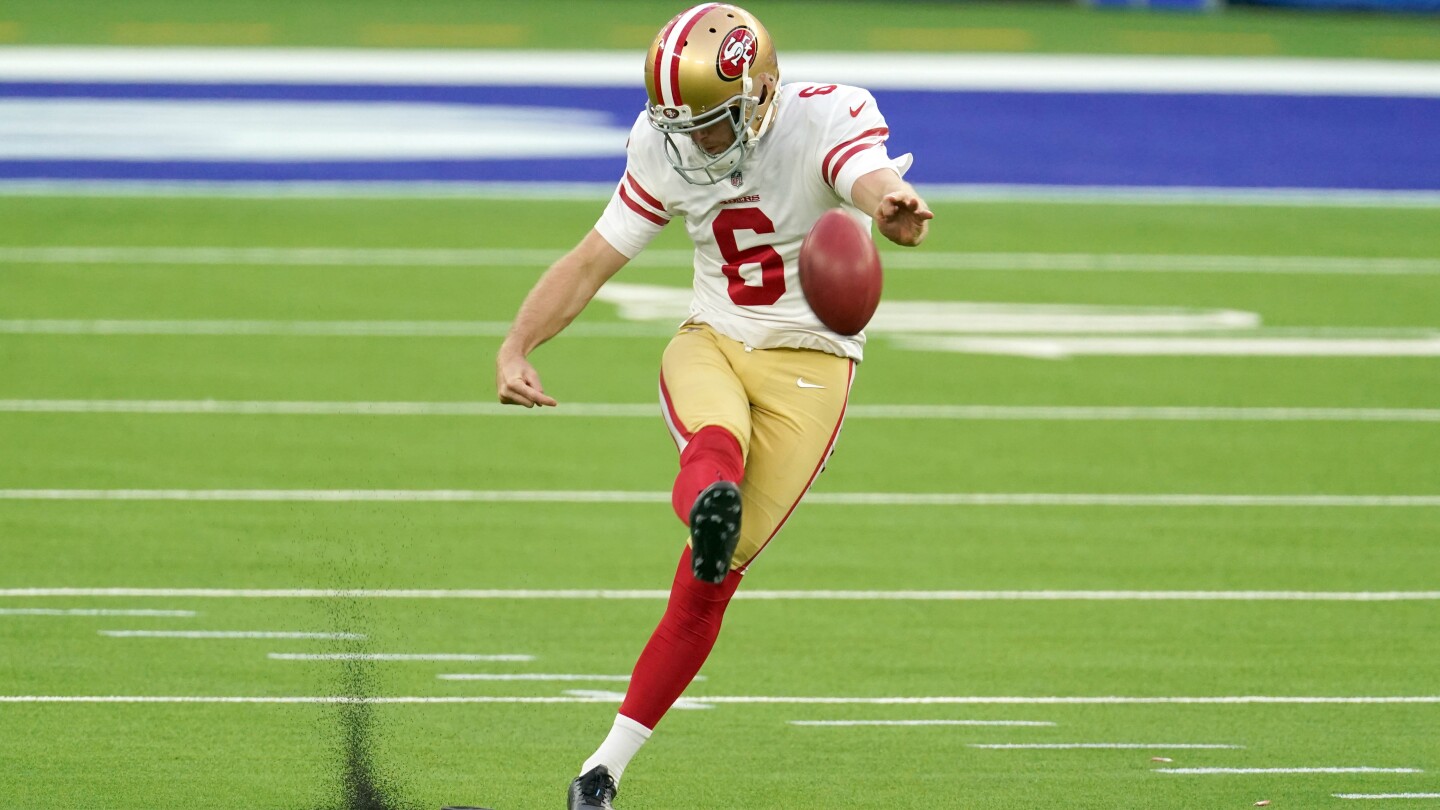
The NFL's new kickoff rule, which clusters players together and restricts movement until the ball is caught or hits the ground, is causing significant changes and uncertainty for teams like the 49ers. Special teams coordinator Brian Schneider discussed the challenges and adjustments required, noting the similarities to the XFL's approach and the potential impact on field position and scoring. The rule is seen as a major shift in the game, comparable to the introduction of the two-point conversion.
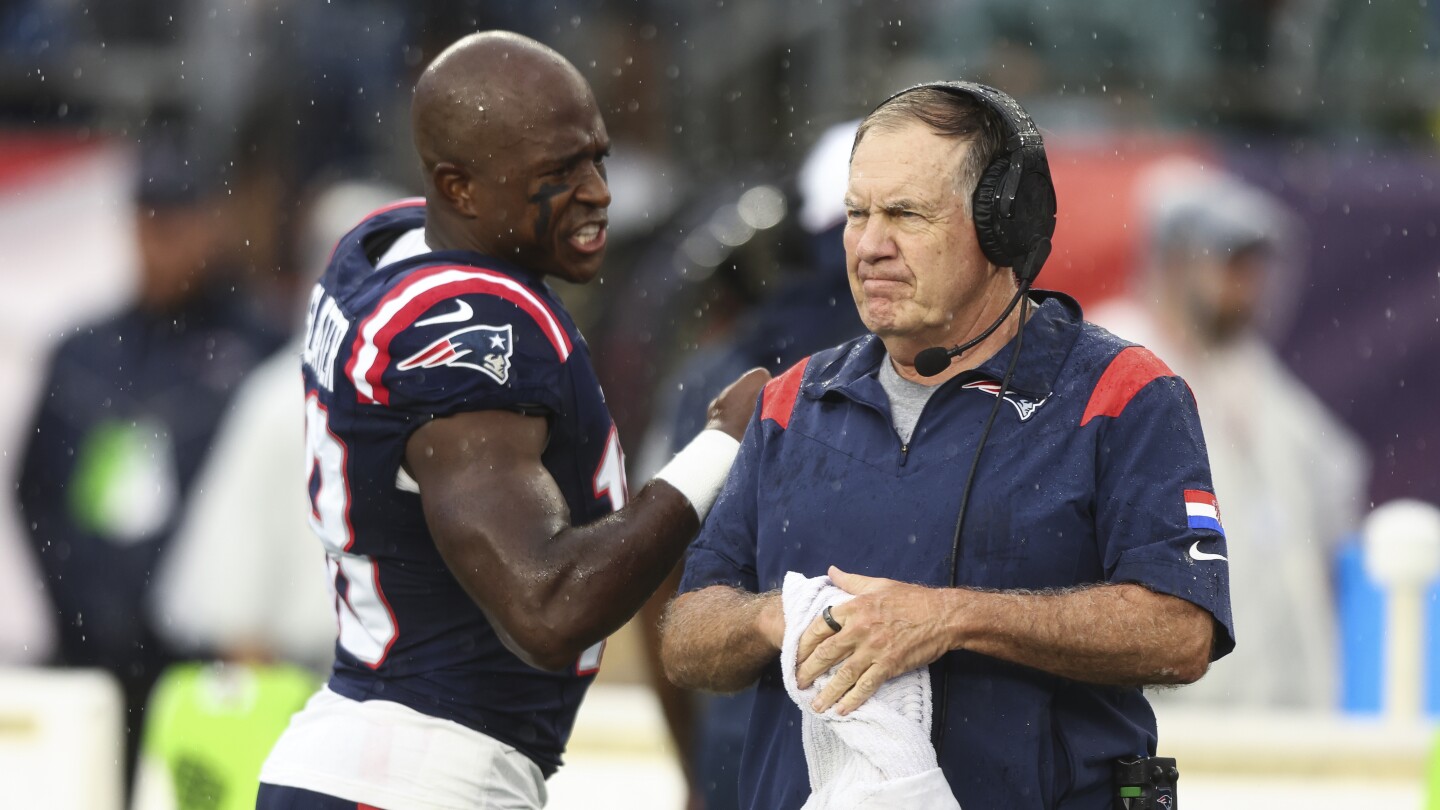
Bill Belichick believes the NFL's new kickoff rule will prioritize size over speed on special teams, as players will need to defend their space due to the new alignment. He thinks the rule will create more opportunities for players on special teams and make their roles important again, but he's disappointed that surprise onside kicks have been eliminated.
Pro Football Focus suggests Western Kentucky wide receiver Malachi Corley as a Day 2 draft target for the Philadelphia Eagles to improve their after-catch production, while the team signs tight end C.J. Uzomah and evaluates their free agency trades and draft team. The Eagles' top needs for the 2024 NFL Draft include cornerback, offensive tackle, and linebacker, with potential interest in trading up for an offensive lineman. Additionally, the NFL's new kickoff rule presents new challenges for teams, including the Eagles, as they adjust their strategies.
With the NFL Draft approaching, the New England Patriots are considering trade scenarios, potentially moving down from their No. 3 pick and looking to acquire another first-round selection by moving up from pick No. 34. The team's coaching staff for key positions is also outlined, and the new kickoff rule is discussed, offering potential for exciting schematic changes. The Patriots are committed to Jerod Mayo as their head coach, and fans can submit questions for the next #PostPulpit mailbag on Twitter.
The new NFL kickoff rule has a potential flaw where penalties on the try cannot be enforced after the kickoff, leading to a loophole that allows defenses to go all out to block extra points with no real consequences. Despite some belief that teams may have the option to enforce penalties after the kickoff, the NFL has clarified that this is not the case. The league is considering potential changes to address this loophole, but finding a solution may be challenging, as it could create new complications such as affecting touchdown returns and the starting position of the offense.
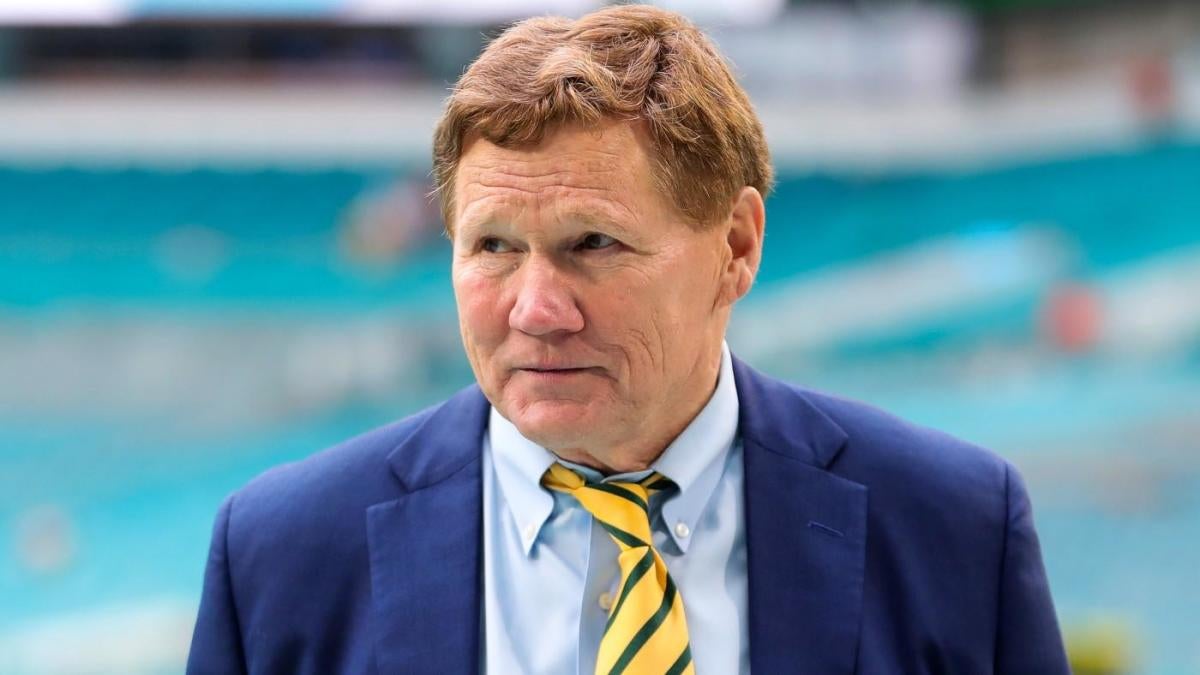
The NFL's new kickoff rule was approved by 29 owners, with the Packers, 49ers, and Raiders voting against it. Packers' president Mark Murphy wanted a preseason trial for the rule, while 49ers' owner Jed York expressed concerns about potential unintended consequences and the ability to make mid-season adjustments. The Steelers initially had reservations but ultimately voted for the rule. The NFL aims to increase kickoff returns while reducing injuries, and the rule will undergo a one-year trial.
The Cleveland Browns' signing of running back Nyheim Hines has become even more valuable with the NFL's adoption of a new XFL-style kickoff structure, which emphasizes designed offensive plays over open-field scrambles. Hines' experience as a kick and punt returner, coupled with his ability to read and react to blockers, will make him a significant asset under the new format. With the potential for increased value placed on kick returners, Hines could prove to be a valuable investment for the Browns in the upcoming seasons.
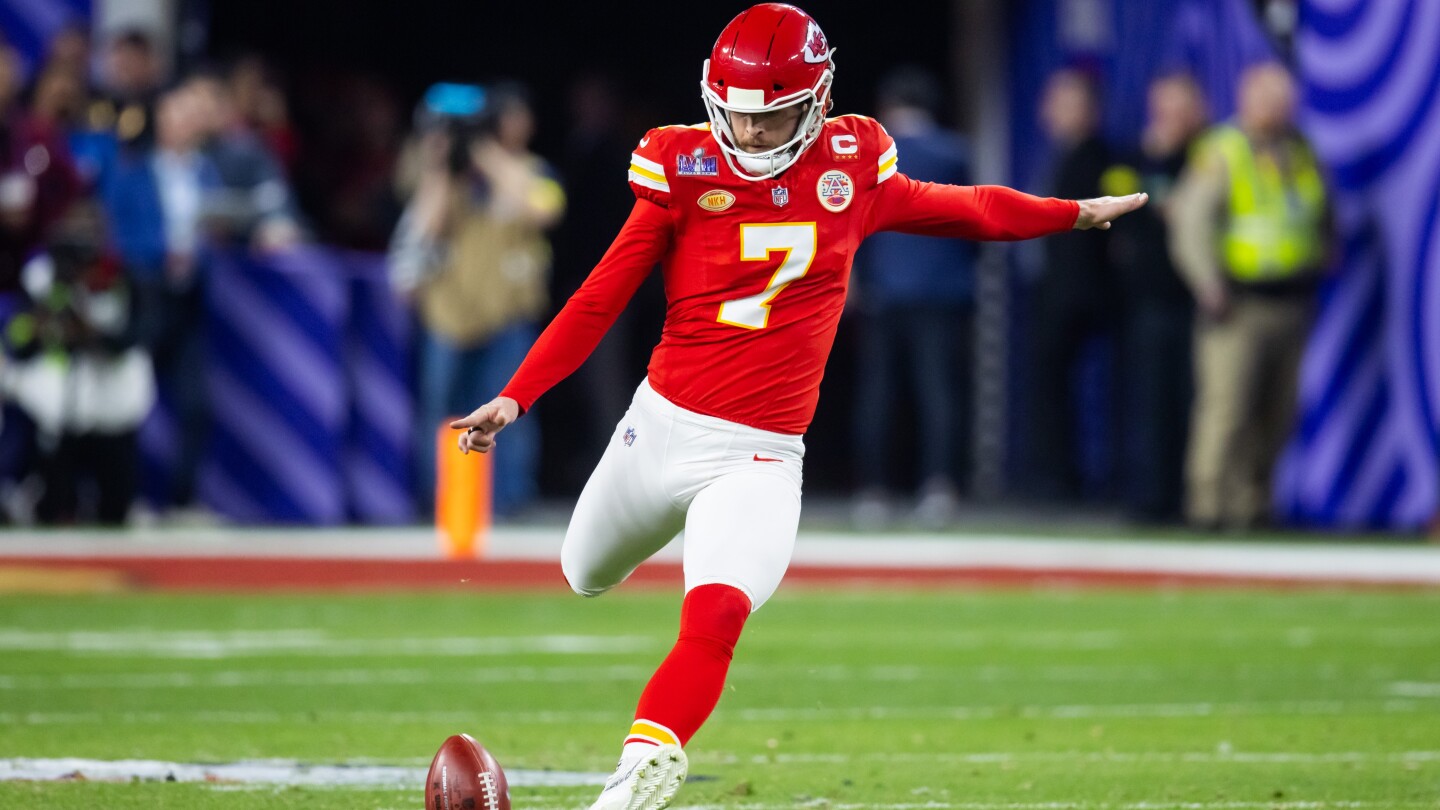
Super Bowl LVIII, the last NFL game before major kickoff rule changes, featured 13 touchbacks and 0 returns, marking the end of an era for kickoffs. The new rule aims to reduce injuries and incentivize returns by allowing the receiving team to take the ball at the 40 if it goes out of bounds or doesn't reach the 20-yard line, and at the 30 on a touchback. This signals a shift towards more kickoff returns in future NFL games.