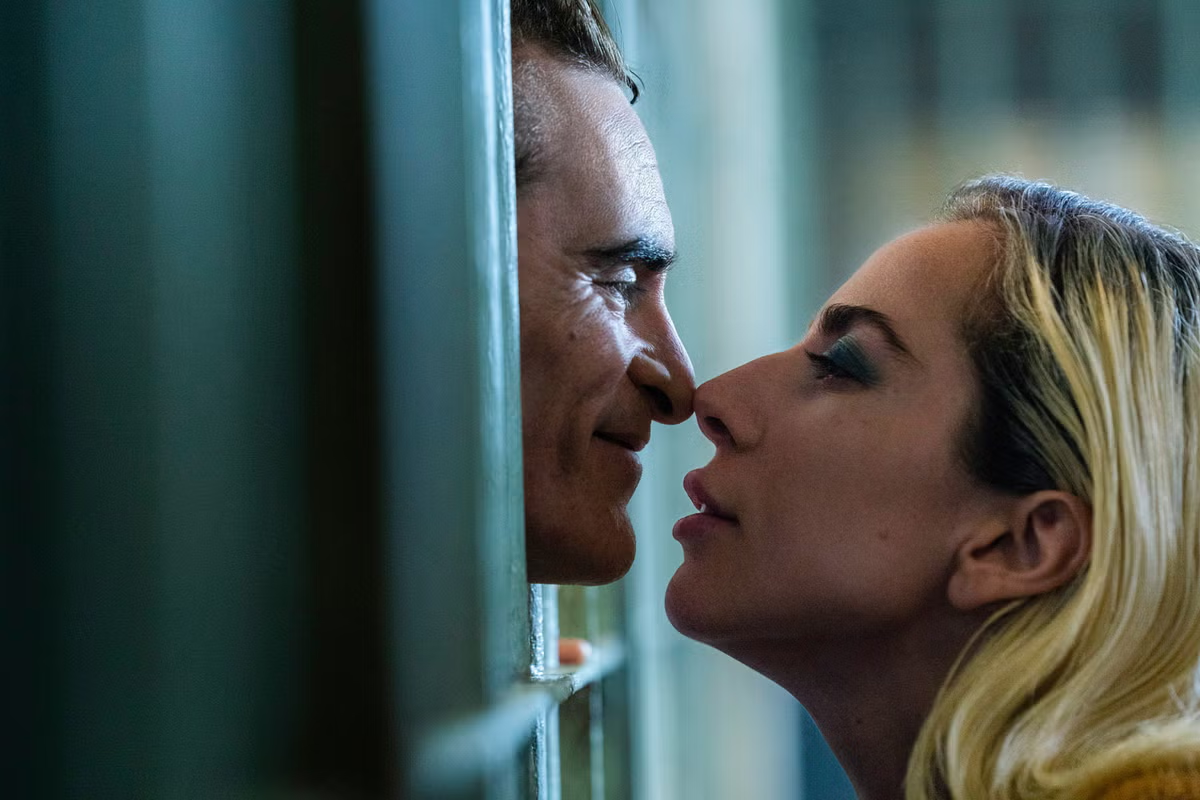
"Joker: Folie à Deux," the sequel to the Oscar-winning film "Joker," will be available for streaming on Max starting December 13, with an HBO linear debut on December 14. Despite grossing $206 million globally, the film is expected to incur significant losses due to its $200 million production cost and poor reception, as noted by Variety's critic Peter Debruge. The film stars Joaquin Phoenix and Lady Gaga, with a storyline involving Arthur Fleck's relationship with Harley Quinn.
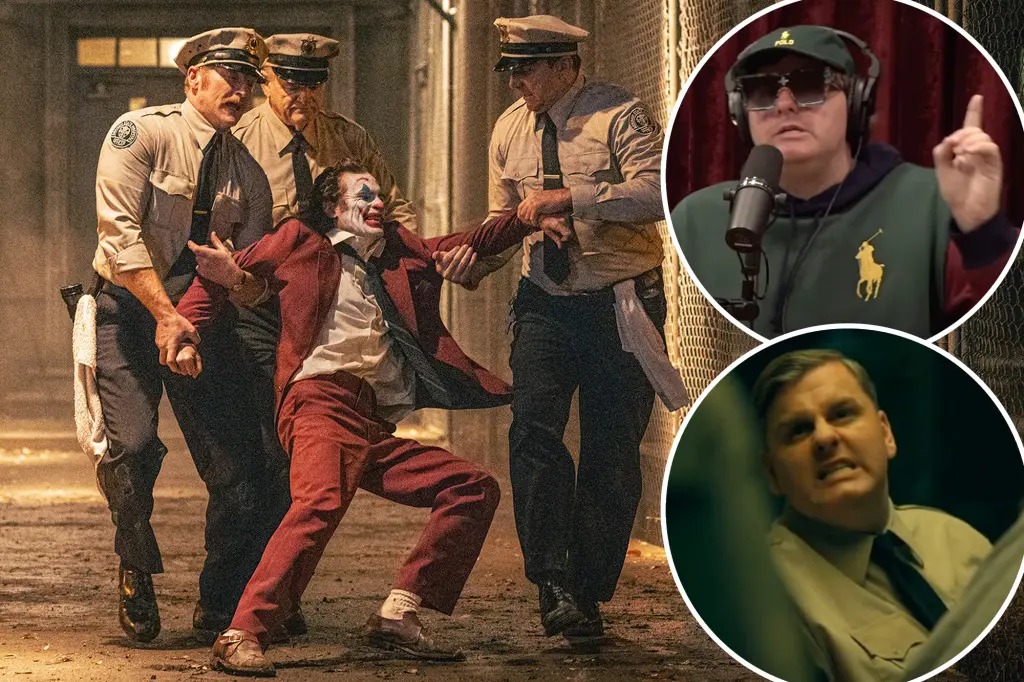
Actor and comedian Tim Dillon, who played a guard in 'Joker: Folie à Deux,' criticized the sequel as "the worst film ever made" during an interview on the Joe Rogan podcast. Dillon described the film as lacking a coherent plot and predicted its failure during production. The sequel, featuring Joaquin Phoenix and Lady Gaga, was both a critical and commercial disappointment, earning only $200 million worldwide compared to the original's $1 billion.
Comedian Tim Dillon criticized "Joker: Folie à Deux," calling it "the worst film ever made" during an appearance on Joe Rogan's podcast. Dillon, who had a minor role in the film, described it as plotless and predicted it would bomb while on set. Despite the first "Joker" film's success, the sequel was poorly received by critics and audiences, resulting in significant financial losses for Warner Bros. However, Quentin Tarantino praised the film, particularly its musical sequences and Joaquin Phoenix's performance.
Comedian Tim Dillon, who appeared briefly in "Joker: Folie à Deux," criticized the film as the "worst ever made," predicting it would flop due to its lack of plot and coherence. Despite negative reviews and poor box office performance, the film has defenders like Quentin Tarantino, who praised Joaquin Phoenix's performance and the film's chaotic spirit. Opinions on the film's merit remain divided, with some suggesting it may be appreciated more over time.
Warner Bros. Discovery CEO David Zaslav admitted that "Joker 2" was disappointing, impacting the company's financial performance. During a call with investors, executives faced questions about the potential breakup of the media conglomerate due to its declining earnings and significant debt. The company is struggling with the transition to streaming as traditional cable networks lose subscribers. Analysts questioned the benefits of maintaining the current portfolio, while Zaslav acknowledged the need for industry consolidation amid "generational disruption."