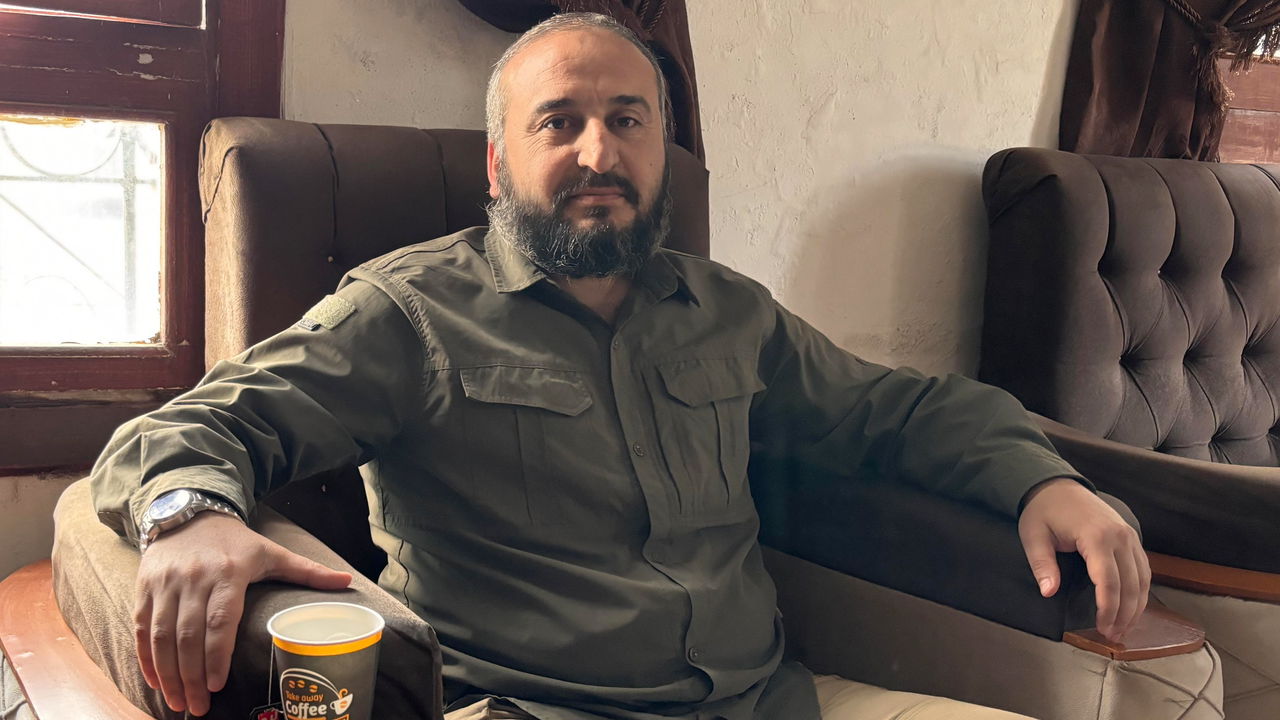
Abu Hassan al-Hamawi, the military commander of Hayat Tahrir al-Sham (HTS), has led the group's recent territorial gains across Syria. In an interview, he promises to respect minority communities, despite HTS's Islamist ideology. The group's rapid expansion has positioned it as a significant power in the region.
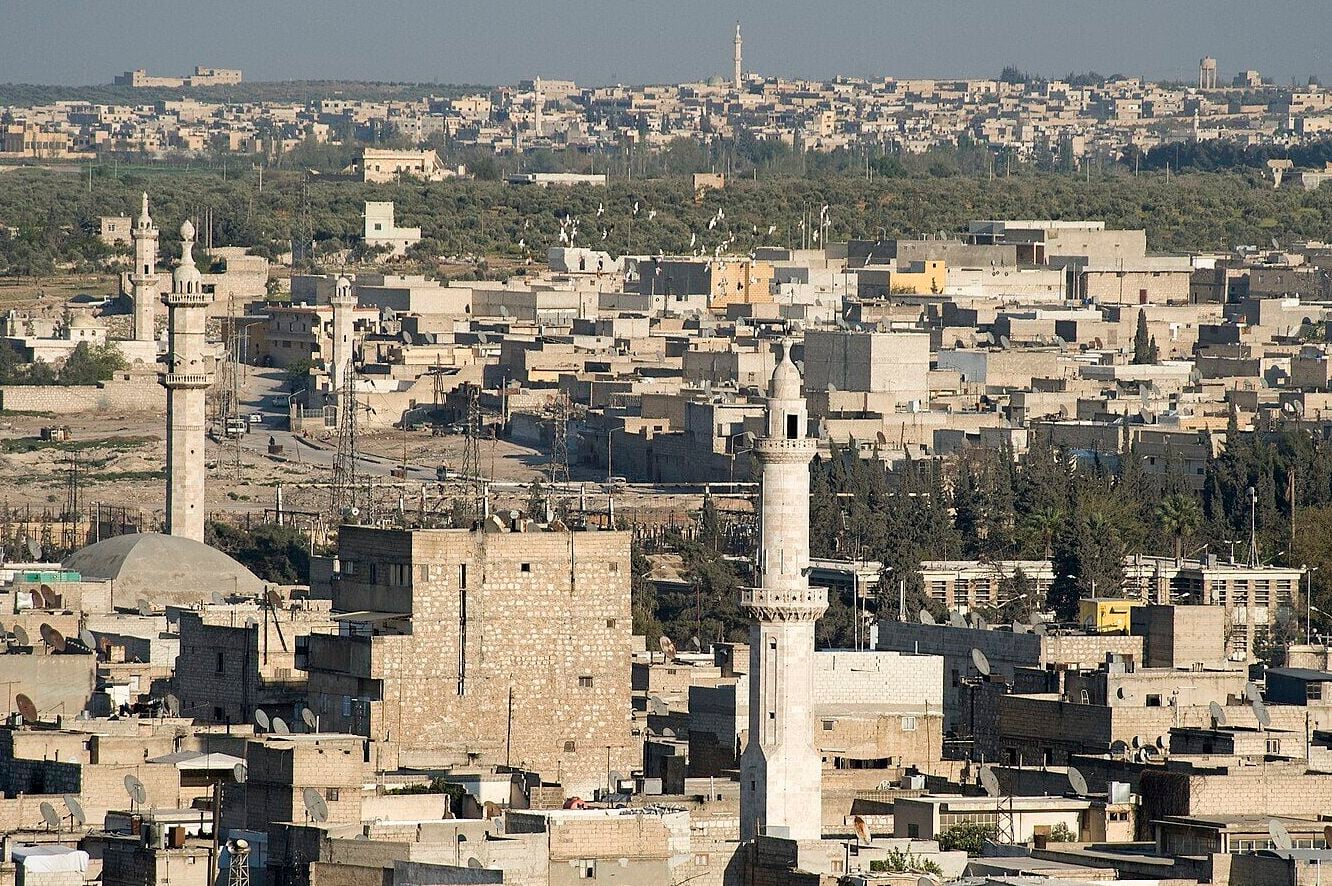
Hayat Tahrir al-Sham (HTS), led by Abu Muhammad al-Jawlani, has successfully taken control of Aleppo, Syria's second-largest city, by leveraging a strategic transformation over the past four and a half years. This transformation involved building resilient local institutions and reforming governance and military structures in the "Liberated Areas" of northwest Syria. HTS's rapid consolidation of control in Aleppo was facilitated by a professionalized military and governance apparatus, which quickly filled governance gaps and garnered local support. The group's approach contrasts with its past affiliations with al-Qaeda and the Islamic State, showcasing a more pragmatic and locally-focused strategy.
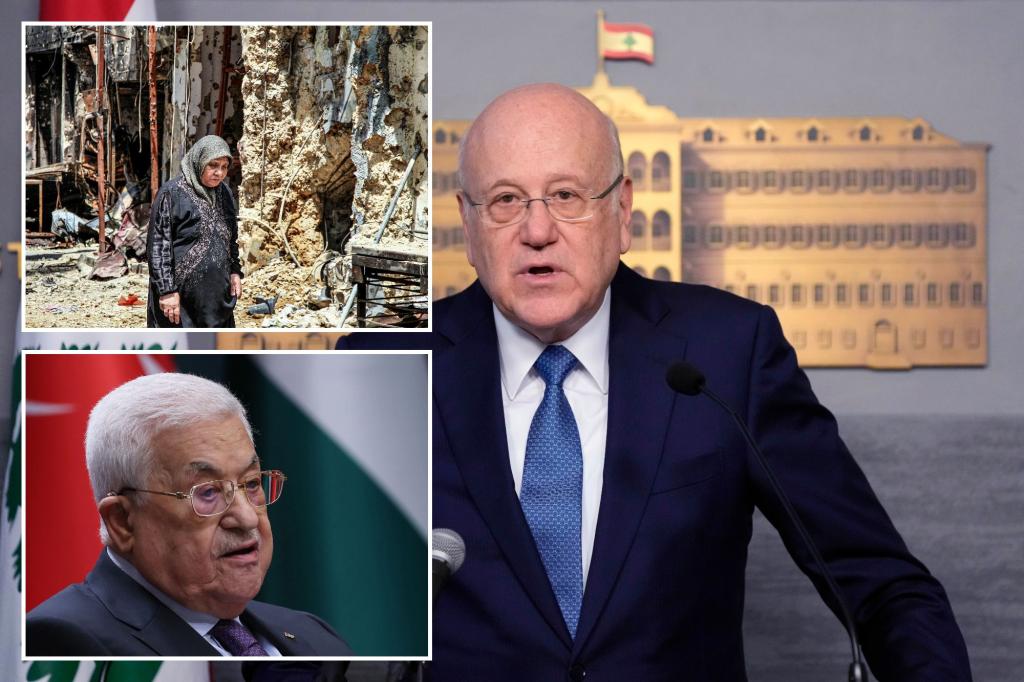
Lebanon's caretaker prime minister, Najib Mikati, called Palestinian President Mahmoud Abbas to demand an end to the clashes in the Ein el-Hilweh refugee camp, warning that Lebanese troops may intervene. The fighting between Palestinian factions, including Fatah and Islamist groups, has resulted in dozens of deaths, injuries, and displacements. Mikati condemned the violence as a violation of Lebanese sovereignty and expressed concern for the safety of Lebanese citizens. While calm has temporarily returned to the camp, tensions remain high. The Lebanese army has historically avoided intervening in Palestinian camps, but the situation may change if the clashes persist.
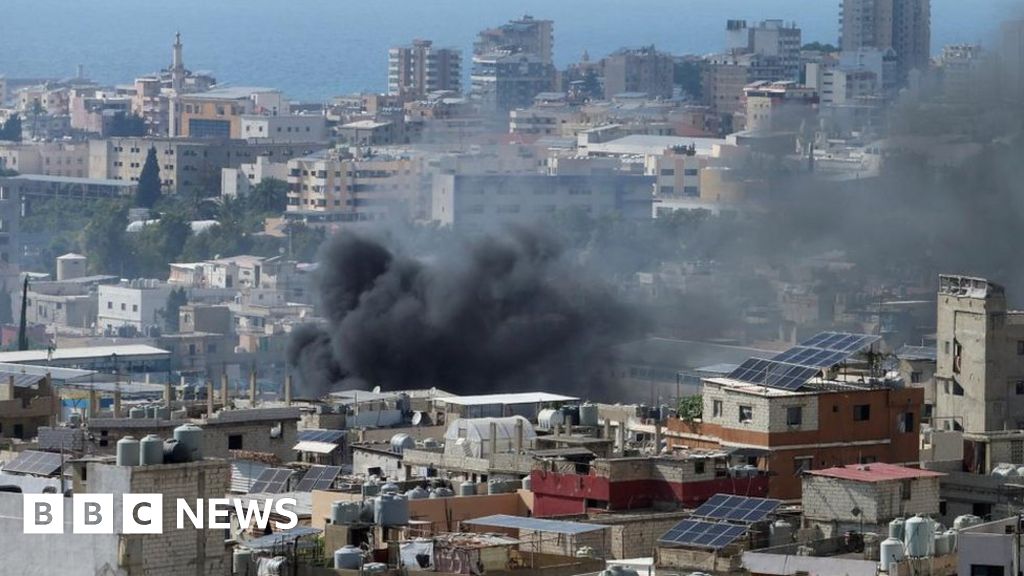
Six people, including a Fatah commander, were killed during clashes at the Ein el-Hilweh Palestinian refugee camp in Lebanon. The violence erupted between Palestinian Authority President Mahmoud Abbas' Fatah movement and rival Islamist groups. The camp, the largest in Lebanon with over 63,000 registered refugees, falls outside the jurisdiction of Lebanese security forces, leaving rival factions responsible for maintaining security. The UN agency for Palestinian refugees suspended its operations in the camp, and a ceasefire has been agreed upon.