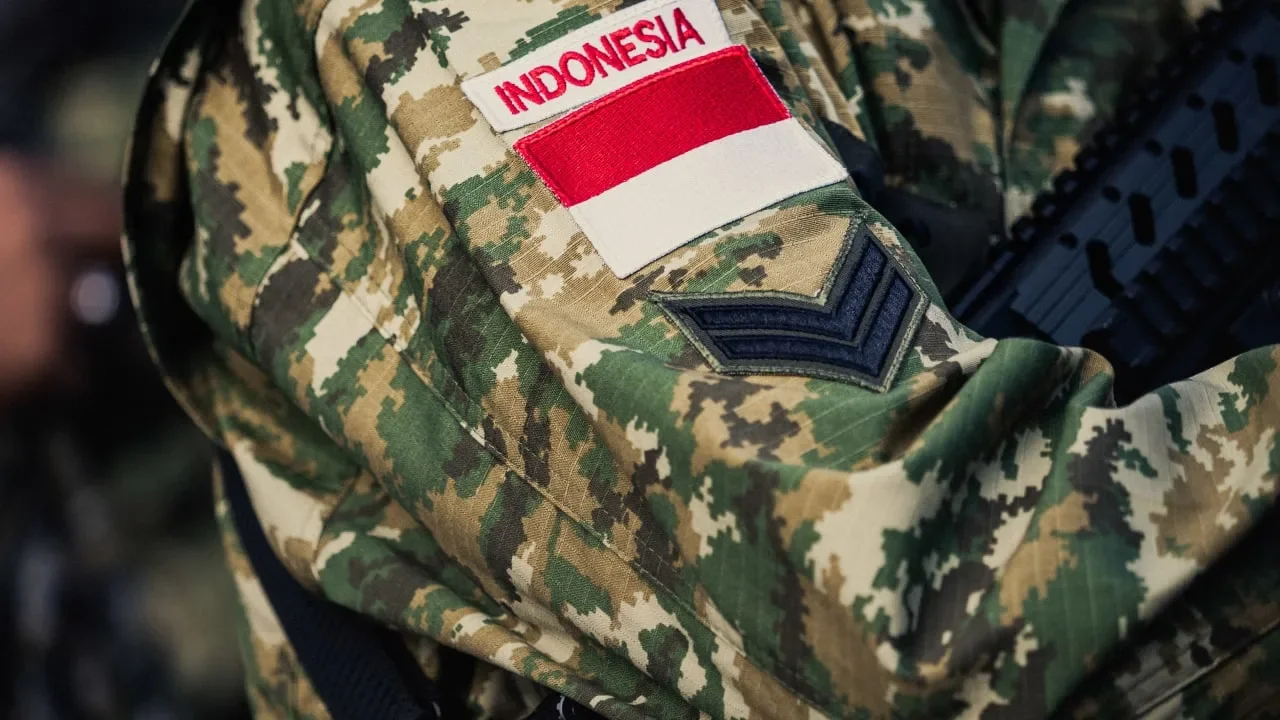
Indonesia is set to become the first country to deploy troops to Gaza’s International Stabilization Force during Phase II of the ceasefire, potentially arriving within weeks to supervise ceasefire lines near Khan Yunis and Rafah and handle border issues, with rules of engagement and troop numbers still to be decided.
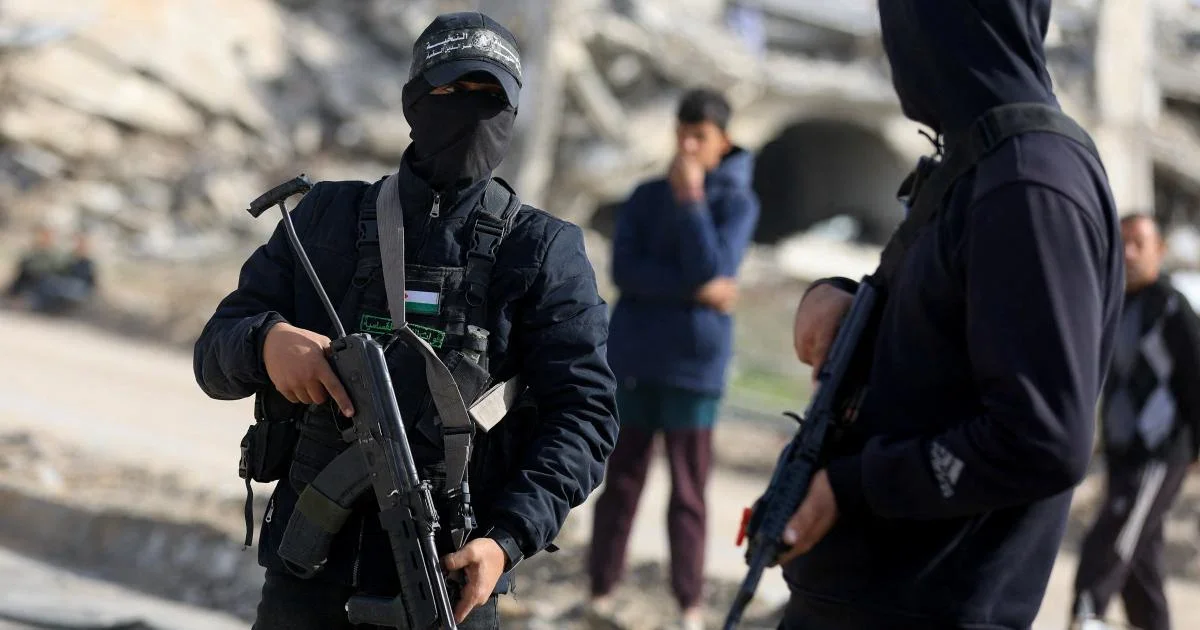
Ross and Makovsky argue that phase two of the Trump administration's Gaza peace plan hinges on Hamas disarming; a US-backed push by Egypt, Qatar, and Turkey would deploy a technocratic Gaza authority, an international stabilization force, and reconstruction, with Israeli withdrawal tied to disarmament. If Hamas does not disarm, Gaza risks remaining divided or returning to war, whereas credible disarmament could unlock reconstruction and a path to Palestinian self-determination.
The White House released a statement detailing President Trump's Comprehensive Plan to End the Gaza Conflict, announcing the formation of the National Committee for the Administration of Gaza (NCAG) and a Board of Peace to guide Phase Two of a 20-point peace, reconstruction, and stabilization roadmap. Ali Sha’ath will head NCAG; an Executive Board and a Gaza Executive Board with prominent figures will oversee governance, reconstruction, funding, and diplomacy. UN Security Council Resolution 2803 (2025) endorses the plan, while Major General Jasper Jeffers leads the International Stabilization Force to secure peace and aid delivery, with Nickolay Mladenov as High Representative coordinating civilian governance. Additional board members will be announced in coming weeks.
Private documents reveal significant concerns within the U.S. government about the feasibility of implementing the Gaza peace deal between Israel and Hamas, highlighting obstacles such as security vacuum, governance issues, and international force deployment, despite the administration's public commitment to the agreement.
Turkey is signaling that Hamas may transfer power in Gaza to a Palestinian committee and is seeking a greater role in the region's stability, including discussions on an international stabilization force, amid ongoing efforts for Palestinian unity and reconstruction of Gaza.
US Secretary of State Marco Rubio announced that Israel, the US, and other mediators successfully identified threats to the Gaza ceasefire, preventing potential attacks, while discussions continue on deploying an international stabilization force. Rubio also addressed US foreign policy issues including sanctions on Colombia, regional efforts against drug trafficking, and the US stance on Taiwan and China.
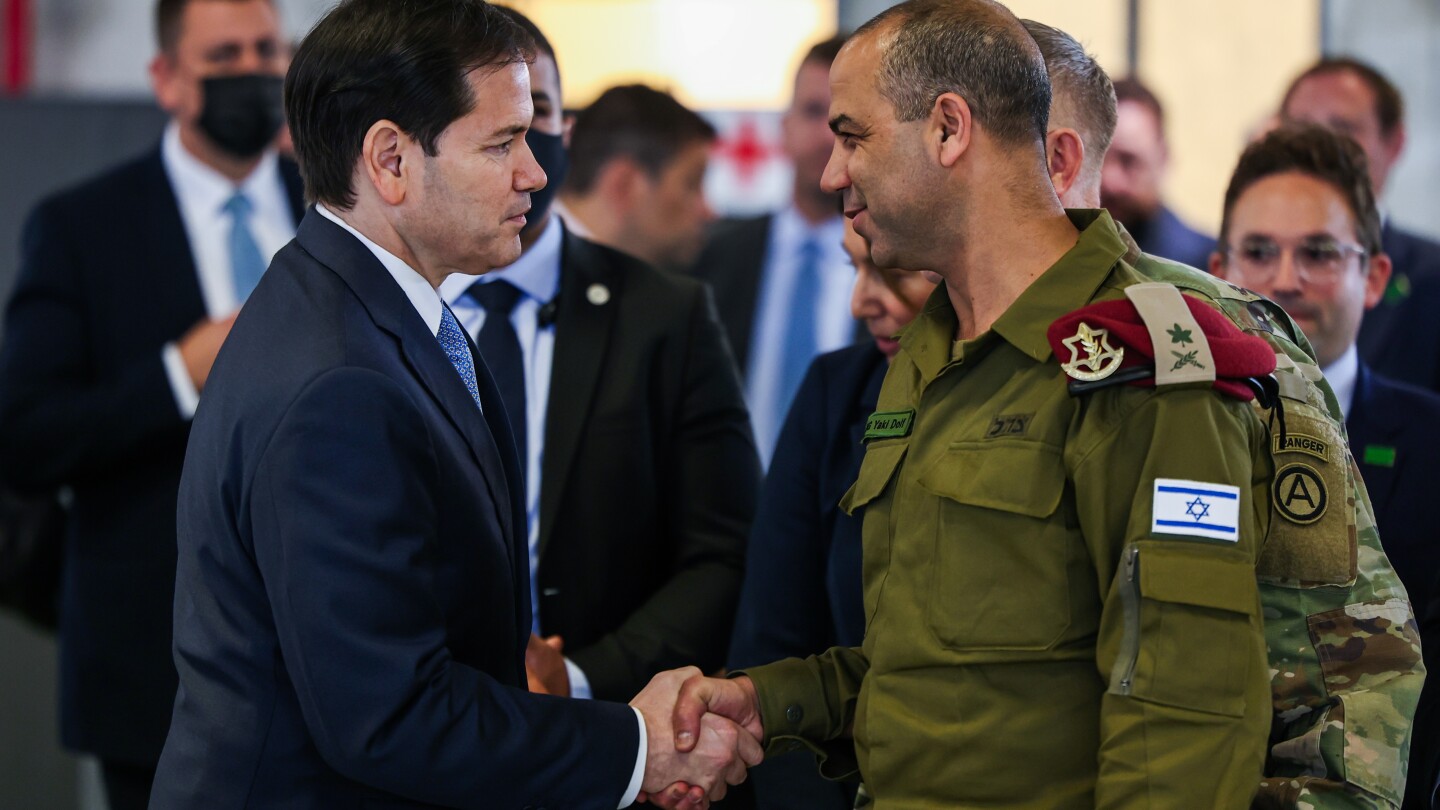
U.S. Secretary of State Marco Rubio visited a US-led center in Israel overseeing the Gaza ceasefire, as the US works to establish an international security force and support Gaza's reconstruction amid ongoing tensions and humanitarian challenges, including disputes over UNRWA's role.