Alan Dershowitz, a high-profile attorney, is reportedly being considered to represent Israel at the International Court of Justice against accusations of war crimes in Gaza made by South Africa. Critics argue that Dershowitz's defense, which includes denying Israel's war crimes and accusing Hamas of using human shields, is weak and ignores substantial evidence of Israel's aggressive military tactics in Gaza. The article questions the effectiveness of Dershowitz's arguments and his ability to provide a robust defense for Israel at The Hague.
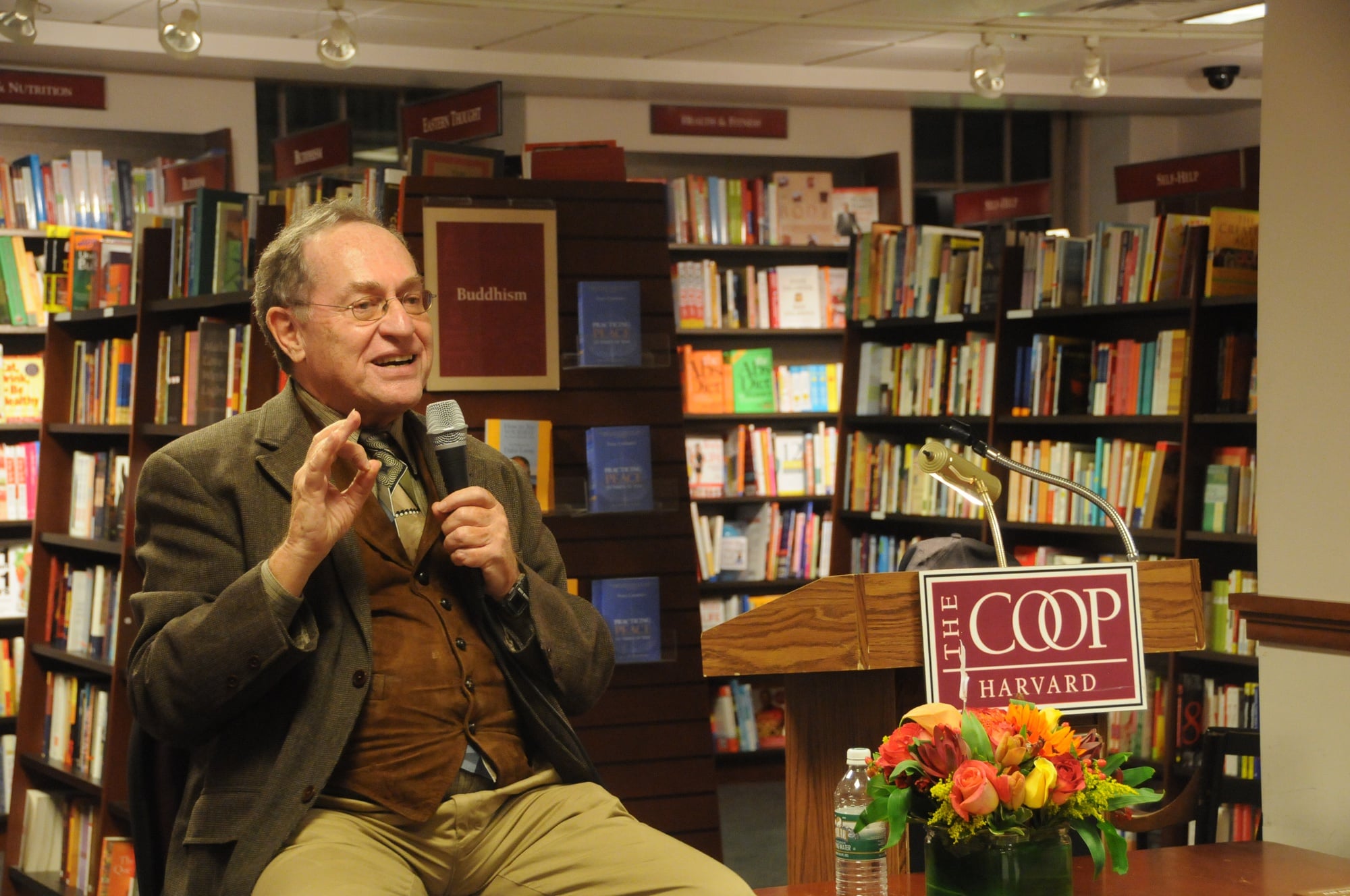
Harvard Law professor Alan Dershowitz may represent Israel in the International Court of Justice to defend against accusations of genocide made by South Africa. The case, which alleges Israeli military operations in Gaza amount to genocide, has been dismissed by Dershowitz as baseless, arguing that Israel is targeting Hamas, not civilians. This marks a shift in Israel's approach to international legal challenges, as they typically have not engaged with such accusations in the past. The first hearing is scheduled for January 11.
South Africa has filed a case against Israel at the International Court of Justice (ICJ), accusing it of committing genocide against Palestinians in Gaza and failing to prevent and punish incitement to genocide, in violation of the Genocide Convention. The case has sparked controversy, particularly due to the sensitive nature of the genocide accusation for Israelis. The ICJ will hold public hearings on provisional measures, and the case's outcome could have significant implications for international human rights law enforcement and political relations, including those involving the United States and its military support for Israel.
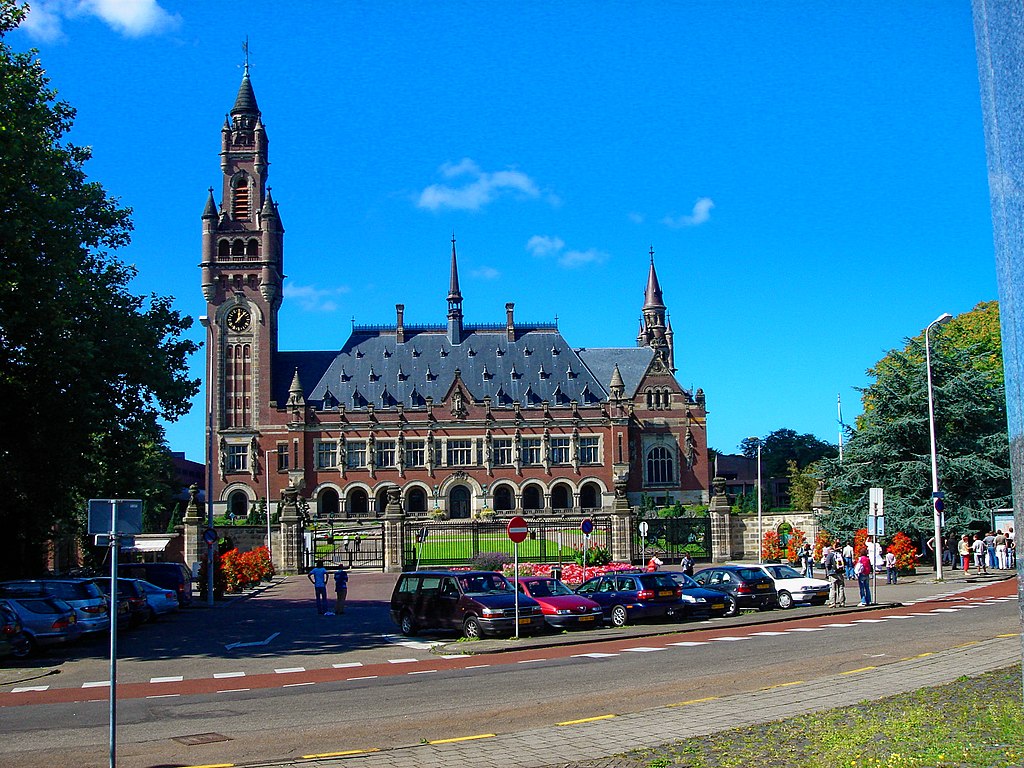
South Africa has filed a case at the International Court of Justice (ICJ), accusing Israel of committing genocide in Gaza. The case is based on the 1948 Genocide Convention, and South Africa seeks legally binding rulings against Israel, including reparations and cessation of hostilities. Israel has rejected the allegations, calling the case a "blood libel" and confirming its intent to defend itself in court. The case adds to other high-profile genocide cases at the ICJ, including those involving Ukraine against Russia and Gambia against Myanmar. The ICJ and the International Criminal Court (ICC), both located in The Hague, have distinct functions, with the ICC also investigating the Israel-Palestinian conflict but without having issued any arrest warrants to date.
Israel is set to contest South Africa's accusation at the International Court of Justice (ICJ) that it is committing genocidal acts in Gaza. South Africa, a supporter of the Palestinian cause, has condemned Israel's military actions since the war began on October 7, citing the death of over 22,000 Palestinians. Israel, which declared war on Hamas following attacks and hostage-taking, vehemently denies the allegations, with Israeli Prime Minister Benjamin Netanyahu defending the Israeli army's morality. The case is prepared to be heard in January, while Israel is already under investigation by the ICJ for other issues related to its occupation of Palestinian territories.
Israel has decided to defend itself at the International Court of Justice (ICJ) against accusations of genocide in Gaza, filed by South Africa. The case alleges that Israel's military campaign against Hamas has resulted in genocide, as defined under international law. Israel, which typically dismisses international tribunals as biased, is taking the accusations seriously due to potential reputational damage. The case could have significant implications for international law and Israel's global standing, with provisional measures to be ruled on by the court in the coming weeks.
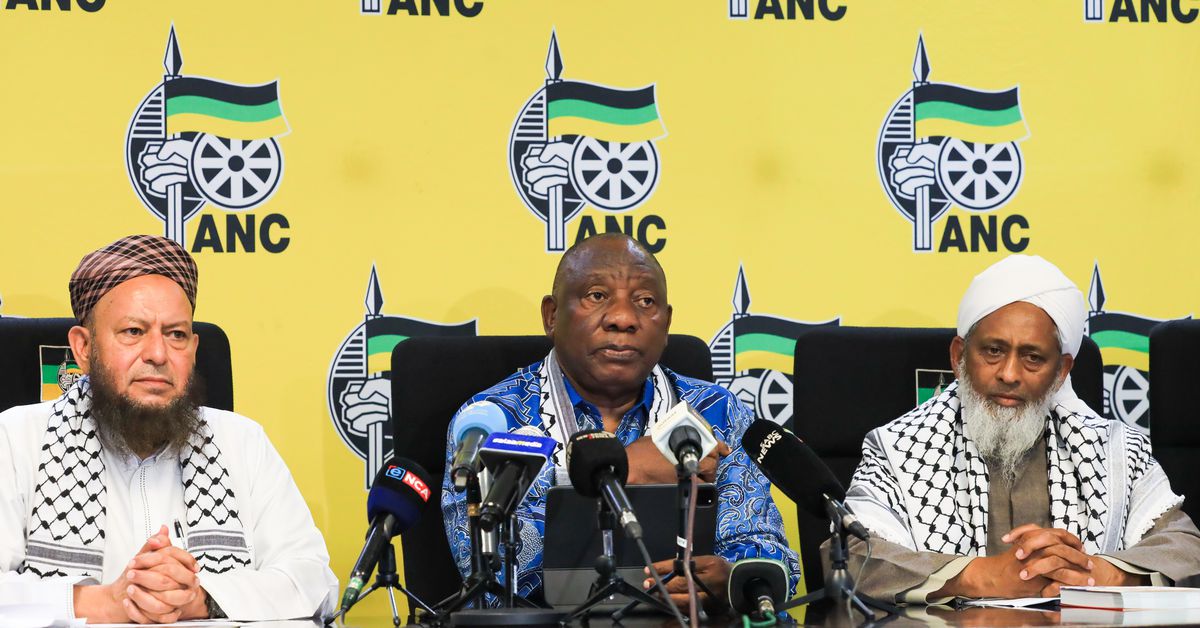
South Africa has filed a case against Israel at the International Court of Justice (ICJ), accusing it of committing genocide against Palestinians in Gaza. The case draws on historical ties between South Africa's and Palestine's struggles for liberation and challenges the US-dominated international order. Israel has dismissed the allegations, while the Palestinian foreign ministry has supported South Africa's action. The ICJ has limited enforcement power, and it could take months or years for a ruling, but South Africa seeks an interim order for a ceasefire. The case reflects South Africa's solidarity with the Palestinian cause, domestic political considerations, and a desire to assert itself on the international stage.