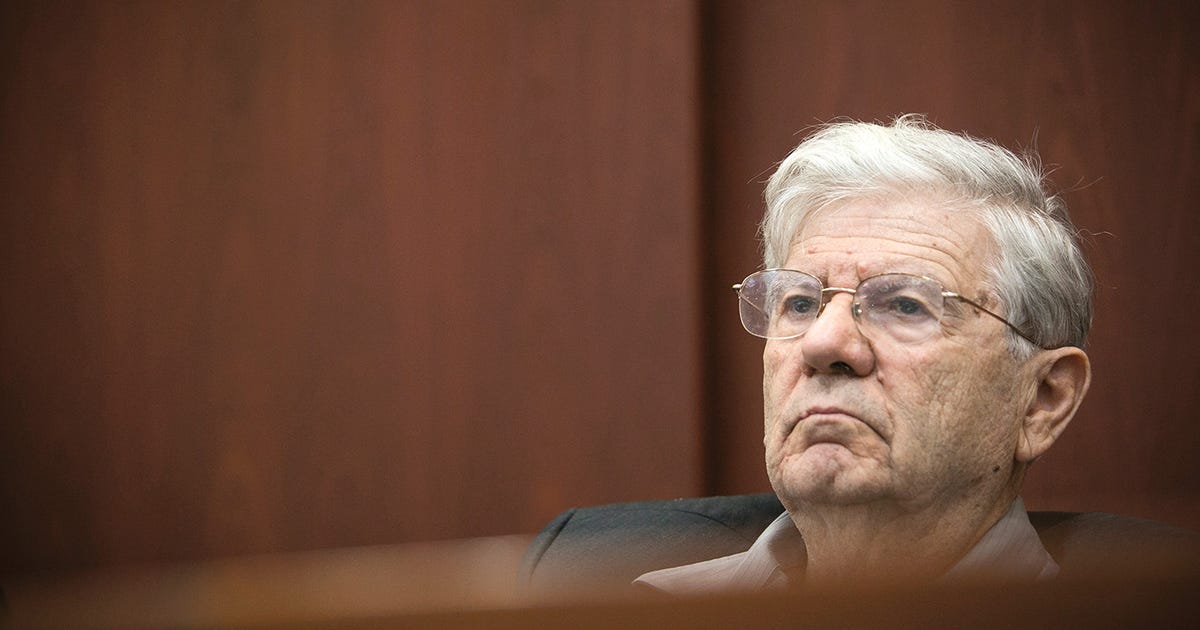
Israel has appointed Aharon Barak, a former Supreme Court President, as a judge on the judicial panel of the International Court of Justice (ICJ) for a case brought by South Africa, which accuses Israel of committing genocide in Gaza. This appointment is in line with Israel's right to appoint an additional judge in cases where it is a party.
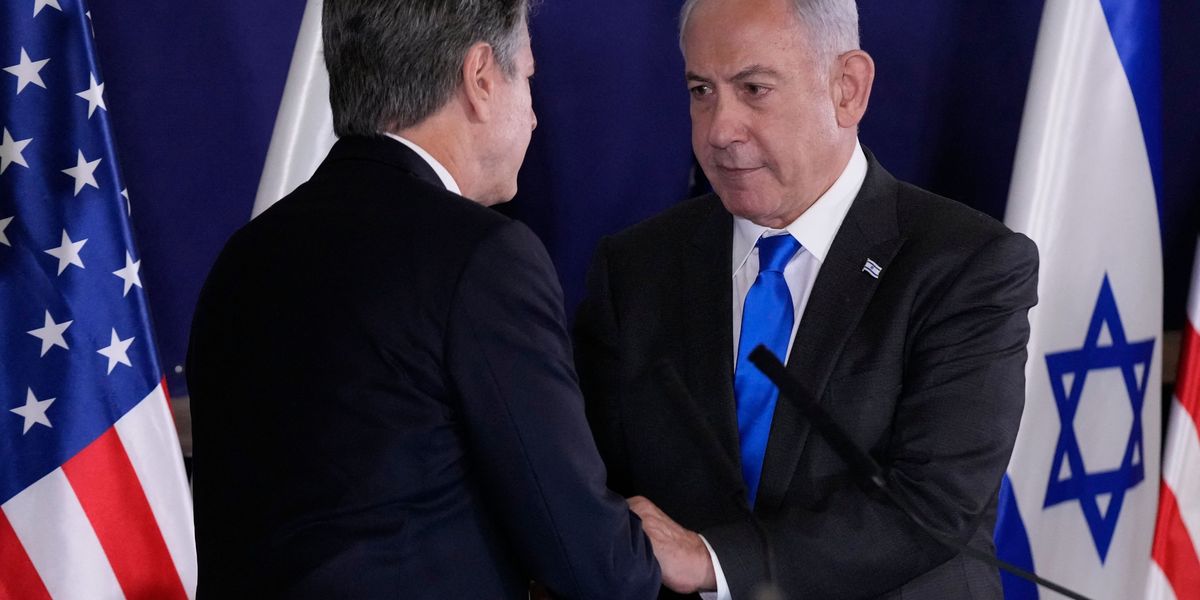
Israel is accused of pressuring international governments to denounce South Africa's genocide case against it at the International Court of Justice (ICJ). The case, which includes allegations of genocidal intent by Israeli officials against Palestinians in Gaza, has led to a lobbying campaign by Israel to prevent a potential ruling that could have wide-reaching implications. The U.S. has rejected the case without a formal assessment of Israel's compliance with international humanitarian law. Human rights groups and legal experts are raising concerns about Israel's actions in Gaza, with some labeling it a "textbook case of genocide." Israel plans to argue that the officials quoted in South Africa's application are either not decision-makers or did not mean their statements literally.
South Africa has filed a petition with the International Court of Justice (ICJ), accusing Israel of committing genocide against Palestinians in Gaza, where nearly 23,000 deaths have been reported, predominantly women and children. The application details acts it considers genocidal and cites statements from Israeli officials that South Africa believes demonstrate intent to commit genocide. Israel has dismissed the allegations, but the case has garnered international attention and could impact Israel's global reputation. The ICJ's decisions are legally binding but not enforceable, and while a ruling against Israel could be symbolic, it may not lead to immediate changes on the ground.
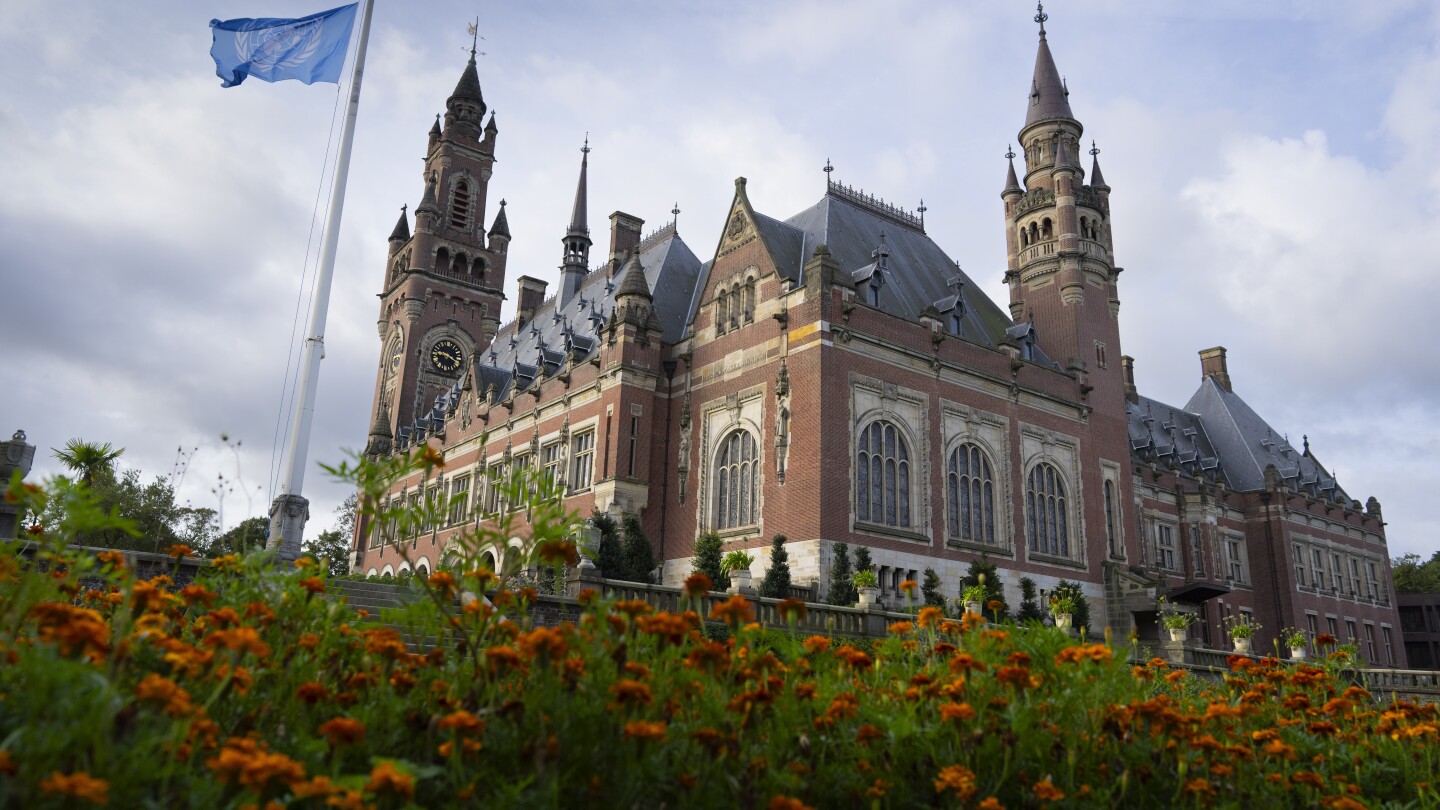
South Africa has initiated a legal case against Israel at the International Court of Justice (ICJ), accusing Israel of committing genocide in its military operations in Gaza. The case, which hinges on the 1948 Genocide Convention, could take years to resolve and involves high-stakes legal arguments and potential interim orders. Israel has rejected the allegations and has decided to defend itself in court, citing a strong case on their part. The ICJ will conduct public hearings and consider preliminary measures while the full case is being examined. This case adds to other significant genocide cases at the ICJ, including those involving Ukraine against Russia and Gambia against Myanmar.
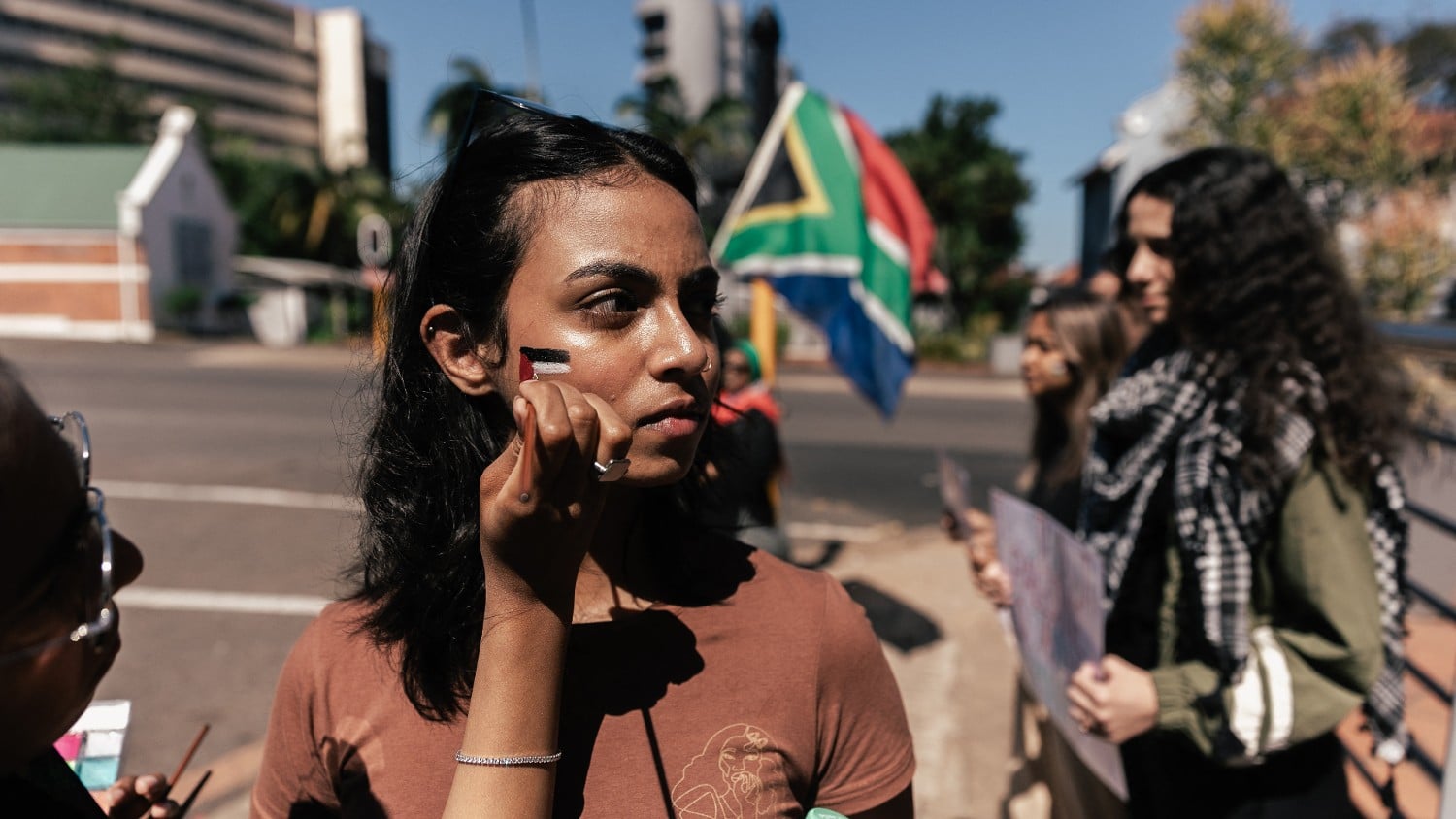
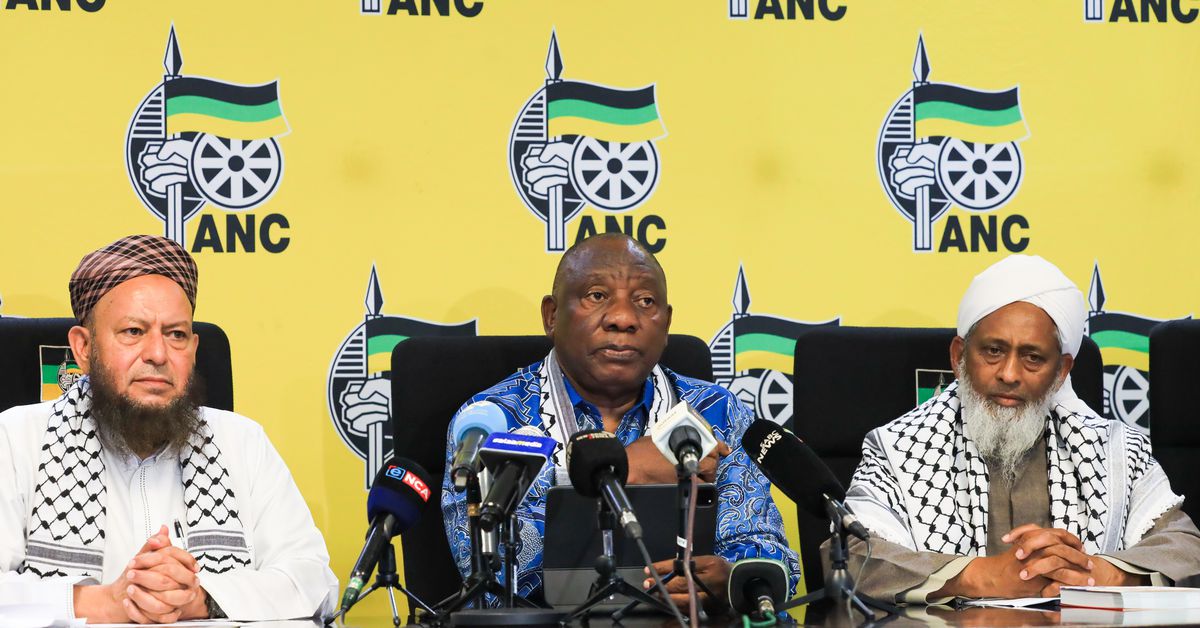
South Africa has filed a case against Israel at the International Court of Justice (ICJ), accusing it of committing genocide against Palestinians in Gaza. The case draws on historical ties between South Africa's and Palestine's struggles for liberation and challenges the US-dominated international order. Israel has dismissed the allegations, while the Palestinian foreign ministry has supported South Africa's action. The ICJ has limited enforcement power, and it could take months or years for a ruling, but South Africa seeks an interim order for a ceasefire. The case reflects South Africa's solidarity with the Palestinian cause, domestic political considerations, and a desire to assert itself on the international stage.