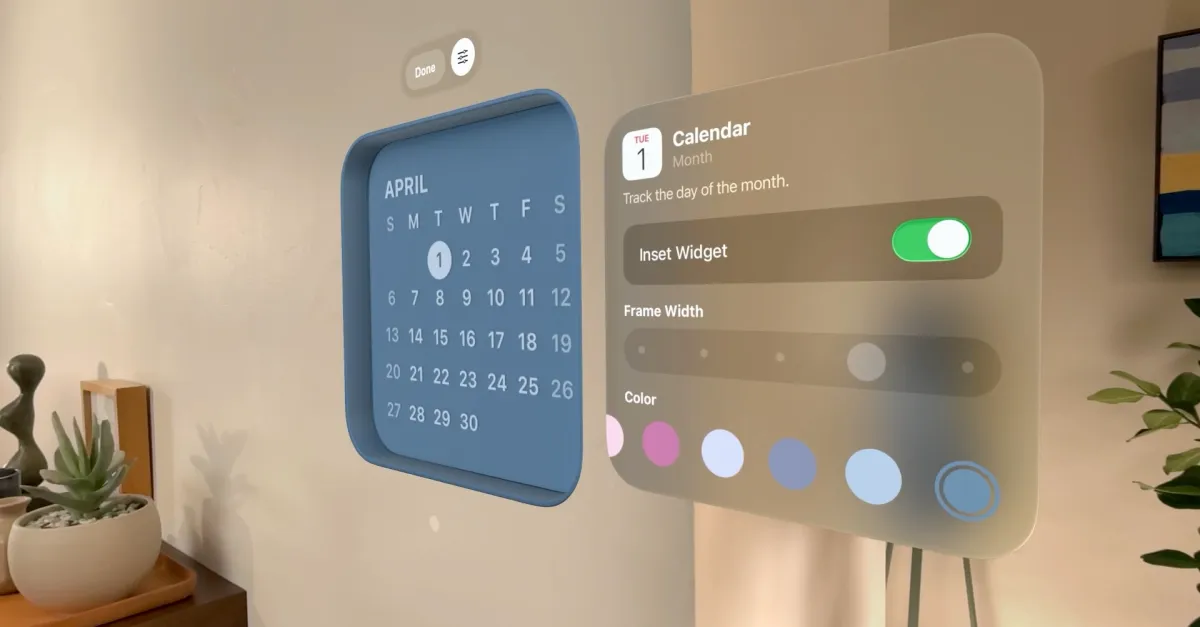
Liquid Glass is a visually impressive new design system by Apple that aims to create a three-dimensional, glass-like interface across all devices, but it struggles with consistency and usability, often feeling cluttered and unsuitable for some device types.
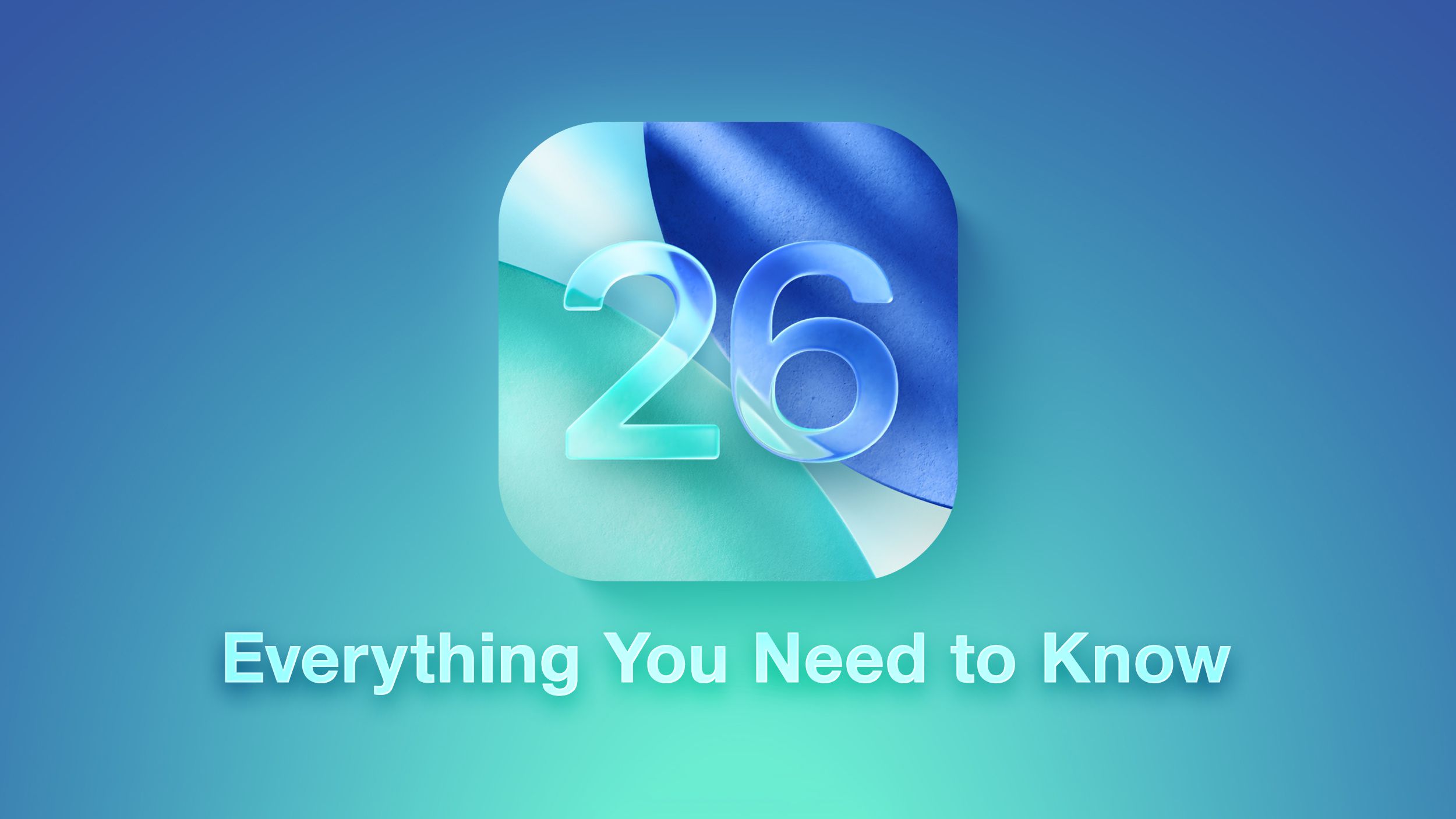
iOS 26 introduces a major Liquid Glass redesign, featuring translucent, glass-like interface elements across the system, including app icons, lock screen, control center, and apps, with ongoing refinements to balance aesthetics and usability, extending to iPadOS 26, macOS Tahoe, and other Apple OSes.
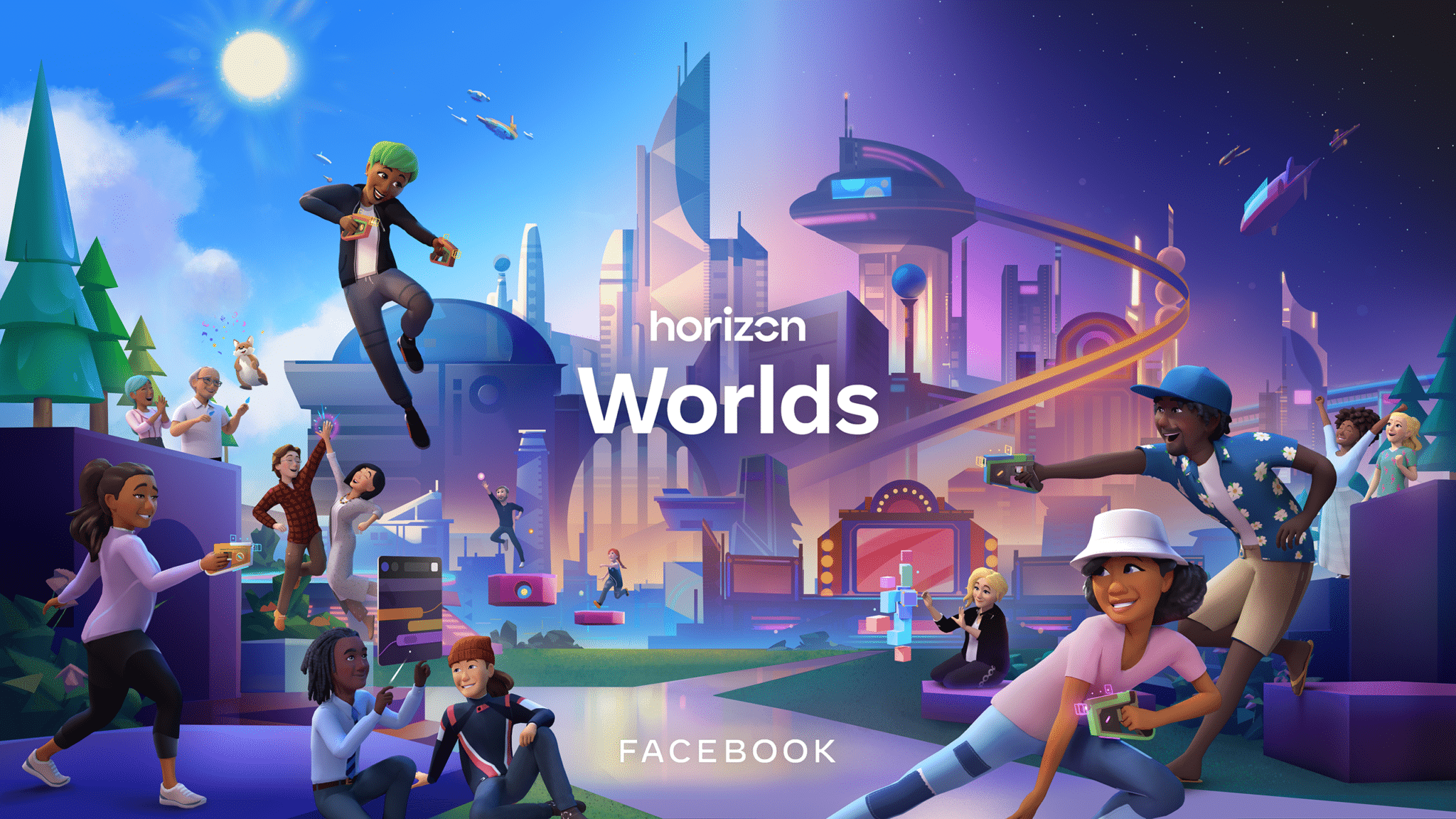
Meta is gradually merging Horizon Worlds into the Quest system interface, with Horizon destinations being prominently featured in the Quest's Explore tab and the renaming of Explore to 'Horizon Feed'. The merging process includes unifying the text chat systems and integrating Horizon Worlds into the Quest library. The next step could involve deprecating Horizon Home and having Horizon Worlds as the default home environment. Meta's investment in Horizon Worlds is evident, despite potential challenges and criticisms from competitors.
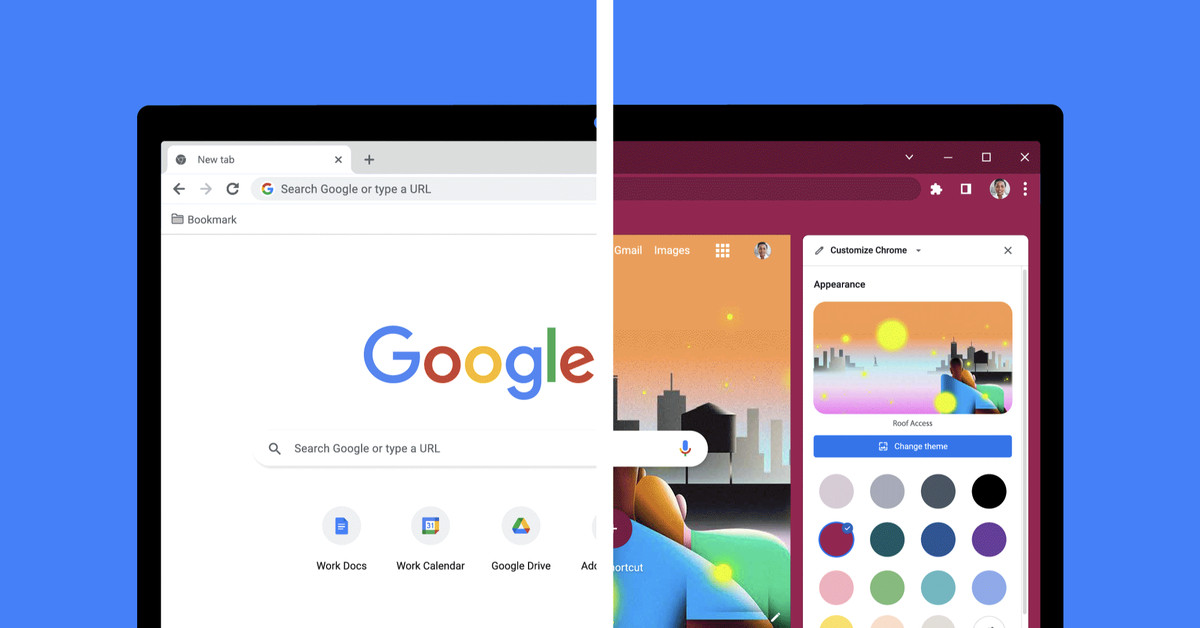
Google is revamping the customization process for Chrome, with a new sidebar interface that lets users choose from several theme collections, including ones with art commissioned from diverse artists. The interface also allows users to easily change colors and themes, and includes a toggle to make daily changes. Users can still access community-made themes from the Google Web Store.
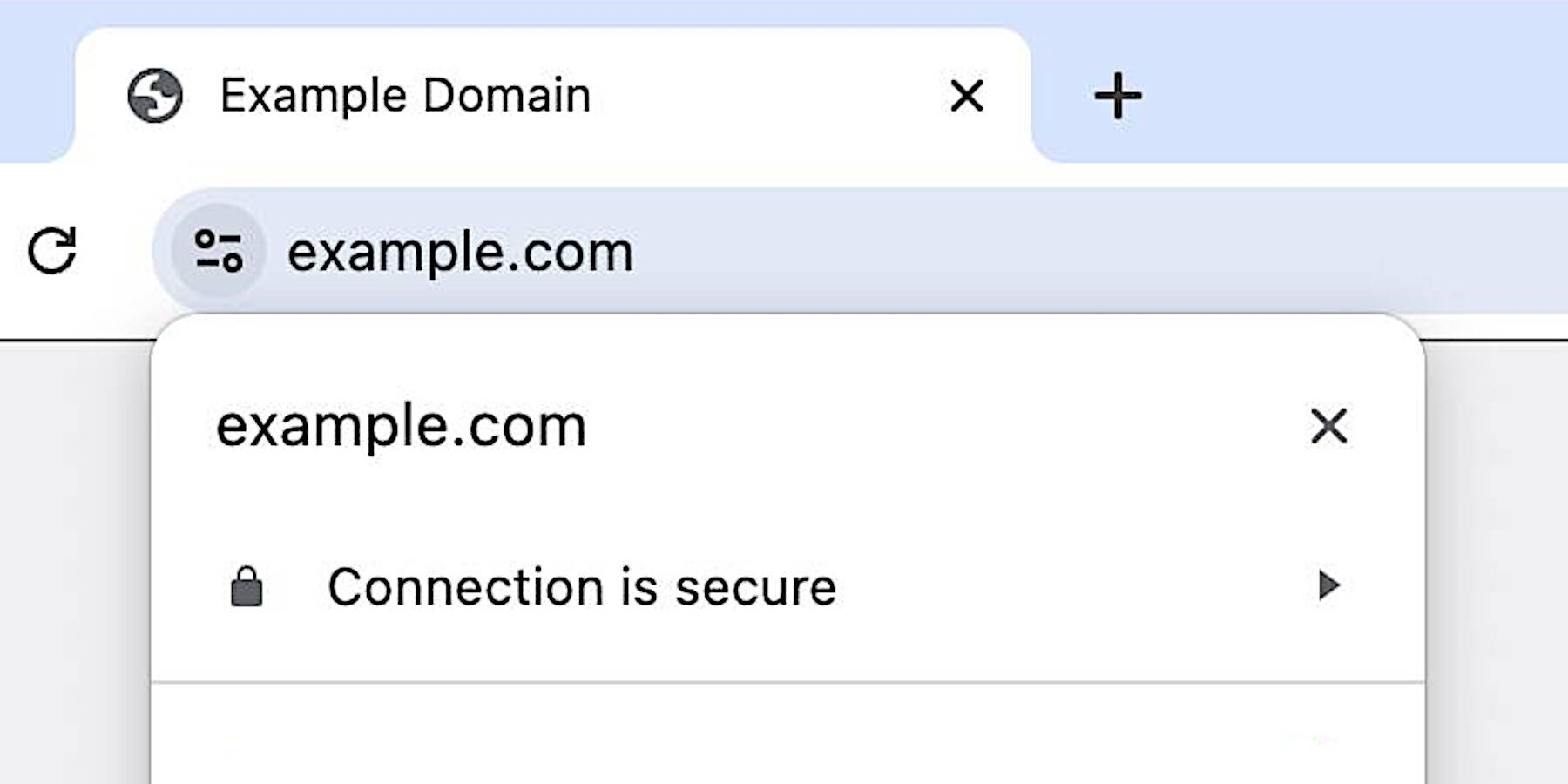
Google plans to replace the padlock icon that appears in the Chrome status bar during a secure HTTPS web browsing session with the "tune" icon, which is commonly used to indicate controls and settings. The lock icon has become outdated as HTTPS is now the norm, not the exception. The new icon aims to provide a neutral signifier so people don't misinterpret the lock to mean that a page should be trusted and to emphasize that security should be the default state for Chrome. The tweaked tune icon is slated to debut in Chrome 117, due in early September 2023.