
Tag

Hybrid Interface

All articles tagged with #hybrid interface

wearable-technology1 year ago

"Google Unveils Dual-Engine Wear OS for OnePlus Watch 2 with Extended Battery Life"

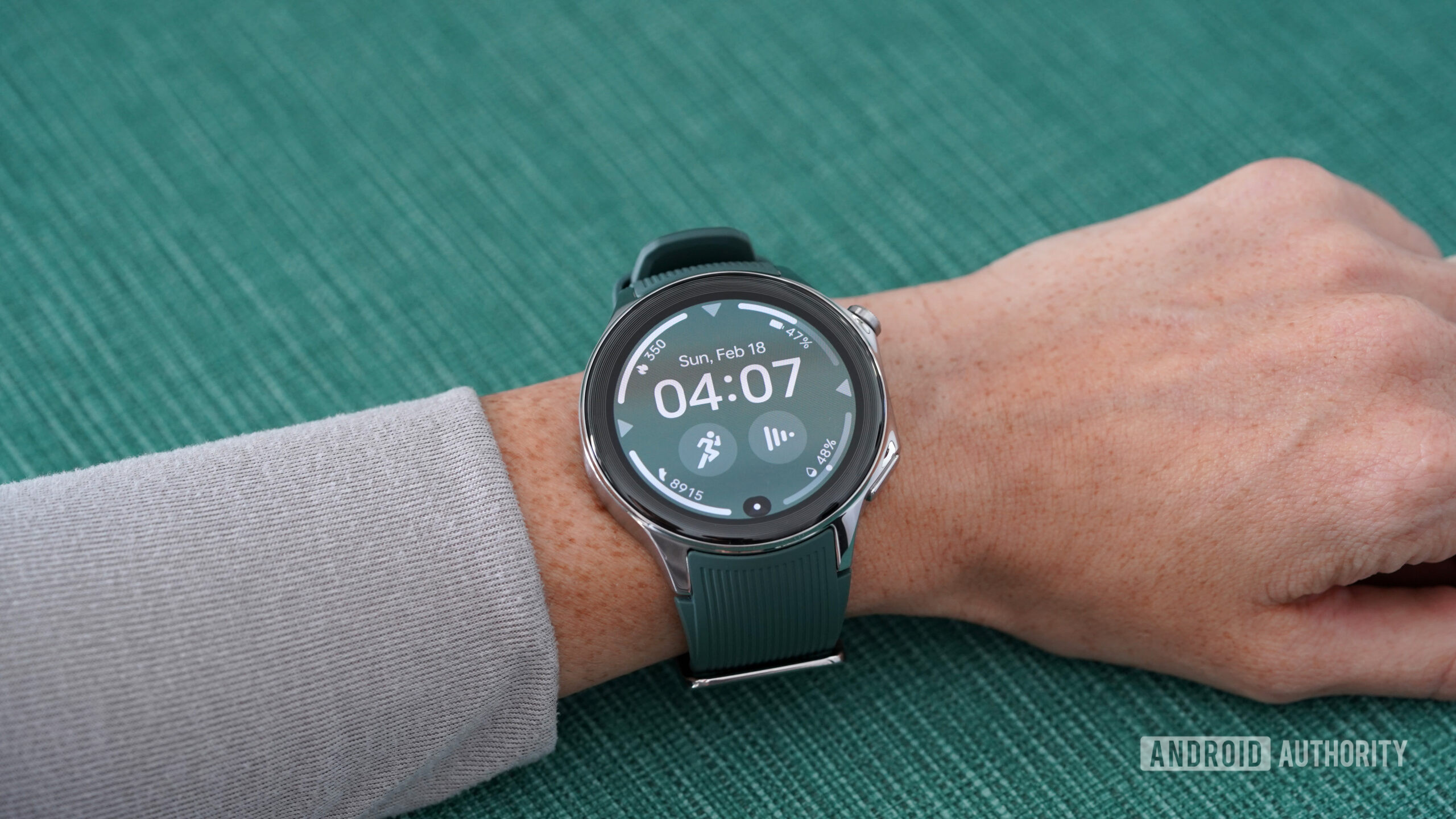
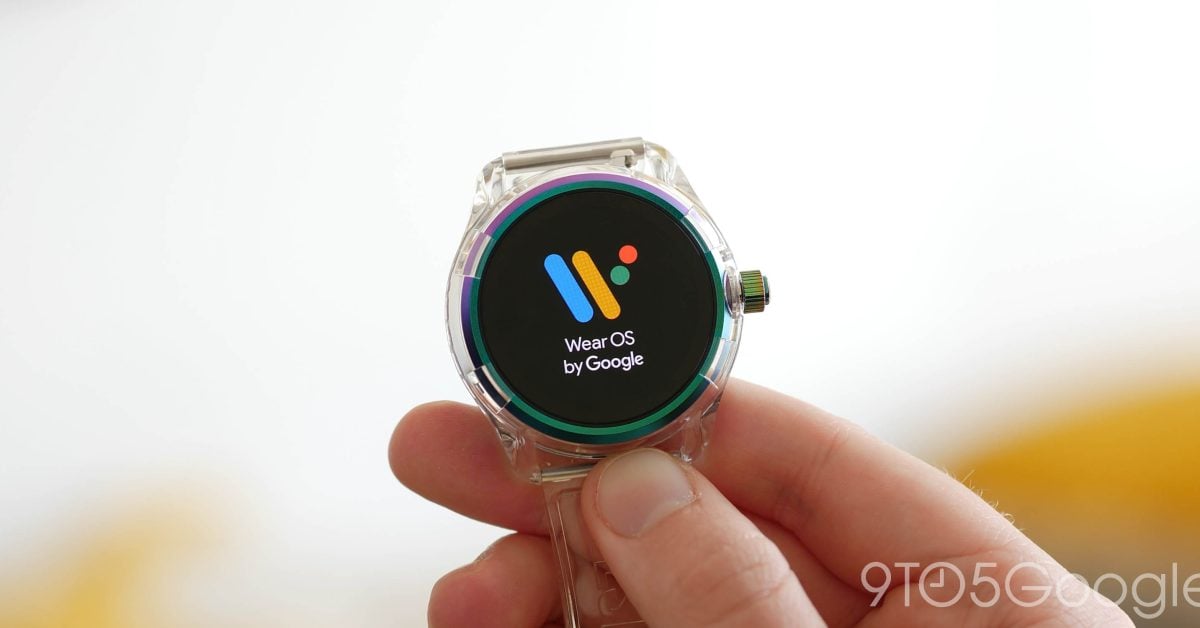
Google has introduced a new hybrid interface for Wear OS, which offloads tasks to a low-power co-processor, resulting in improved battery life. The new OnePlus Watch 2 utilizes this interface with a dual-chipset architecture, providing over two days of battery life even with heavy use. This approach allows for intelligent switching between processors, preserving battery life by suspending the main processor when not needed and offloading tasks to the co-processor. These changes aim to create a more battery-efficient smartwatch experience without requiring app developers to deviate from recommended practices.
technology1 year ago

"Revolutionizing Smartwatches: The Dual OS, Dual CPU Design with 100-Hour Battery Life"

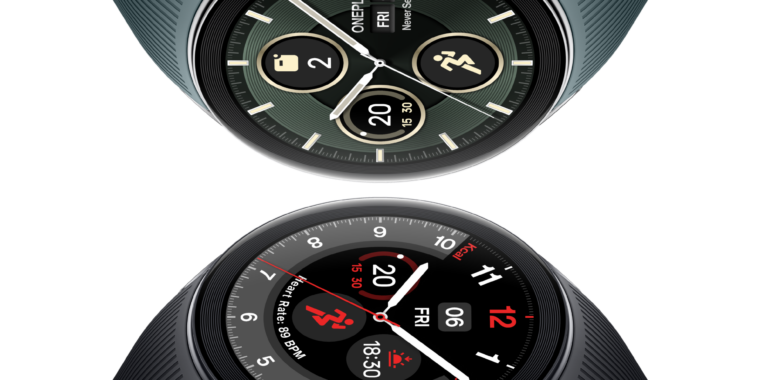
The new OnePlus Watch 2 features a "Wear OS hybrid interface" that utilizes two sets of CPUs and OSes to achieve a claimed battery life of up to 100 hours. This innovative approach involves a low-power set for the always-on display and a second set for screen-on touch usage. The watch runs a real-time operating system (RTOS) in its "efficiency" mode, allowing it to switch between the efficient OS/chipset combo and Wear OS seamlessly. The device also boasts a Snapdragon W5 SoC, 2GB of RAM, 32GB of storage, and a 500 mAh battery with 7.5 W quick charging. The OnePlus Watch 2 is set to release in the US and Canada on March 4 for $299.99.

wearable-technology1 year ago

OnePlus Watch 2: Dual-Engine Smartwatch with Enhanced Battery Life

The upcoming OnePlus Watch 2, powered by Wear OS 4, is expected to offer significantly extended battery life of up to 100 hours of regular use, thanks to the new Wear OS hybrid interface. This interface intelligently switches between chips to optimize power usage, allowing for seamless transitions between power modes and reducing the need to activate the high-performance application processor (AP). Additionally, app developers are encouraged to use existing Wear OS APIs to benefit from power savings and optimizations, and Google's acquisition of KoruLab is expected to further enhance energy efficiency in future Wear OS devices.