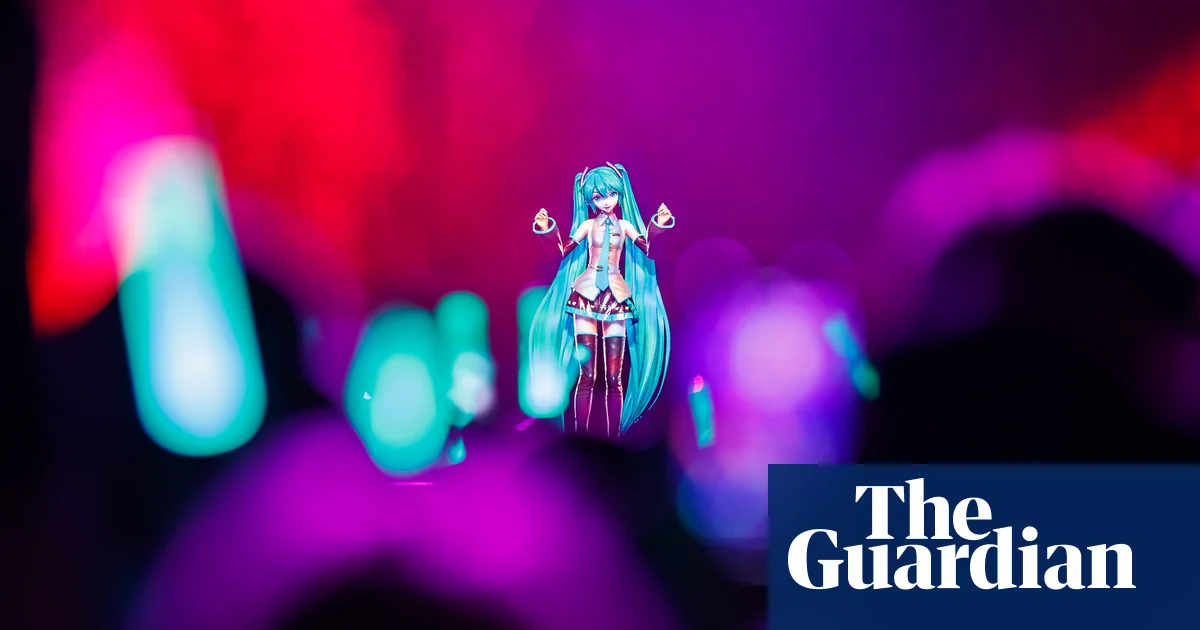
Hatsune Miku, a 16-year-old virtual pop star created by Crypton Future Media using Yamaha's Vocaloid technology, captivated fans during her first Australian tour in Melbourne. Despite being a digital avatar, Miku's performances, complete with a live band and interactive audience engagement, have made her a significant figure in J-pop culture. Her concerts attract a diverse fanbase, including those exploring identity, and highlight the commercial and community-driven nature of Vocaloid fandom. Miku's influence extends beyond music, having opened for major artists and inspired countless fan-made creations.

Hatsune Miku's Fitness Boxing game for the Nintendo Switch has been rated 'E' for everyone by the ESRB in North America, hinting at a local release. The game involves performing boxing routines to music and matching on-screen movements, featuring tracks by the virtual idol. It follows a similar rating by the Australian Classification Board and promises general online interactivity.
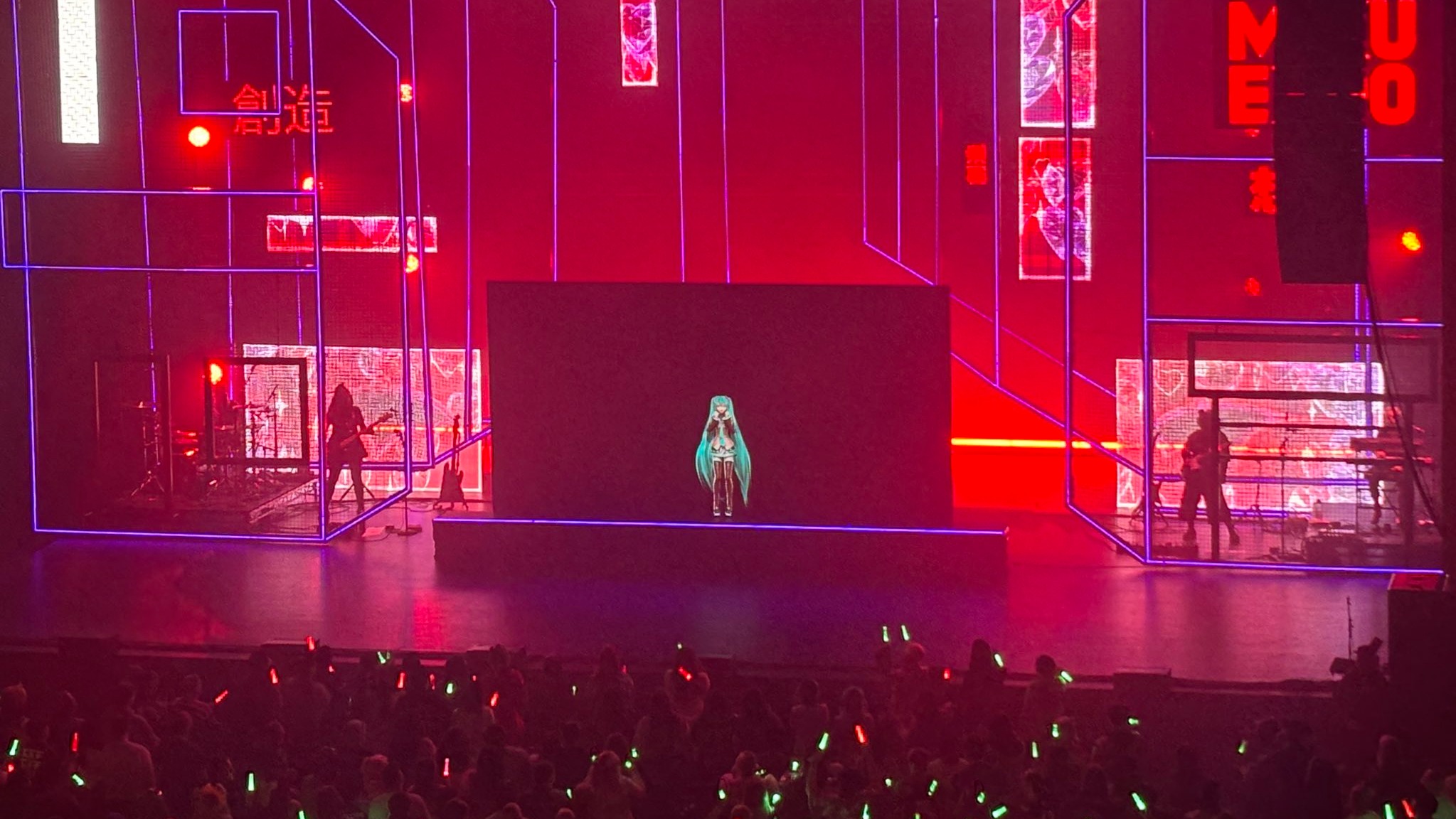
Fans of virtual popstar Hatsune Miku are demanding refunds after her recent concert series featured her appearance on an LED TV screen instead of the usual hologram, causing disappointment and frustration among attendees. A Change.org petition has been created for full refunds, citing lack of transparency from event organizers. Additionally, reports of understocked glowsticks at the merch booths have added to the discontent.
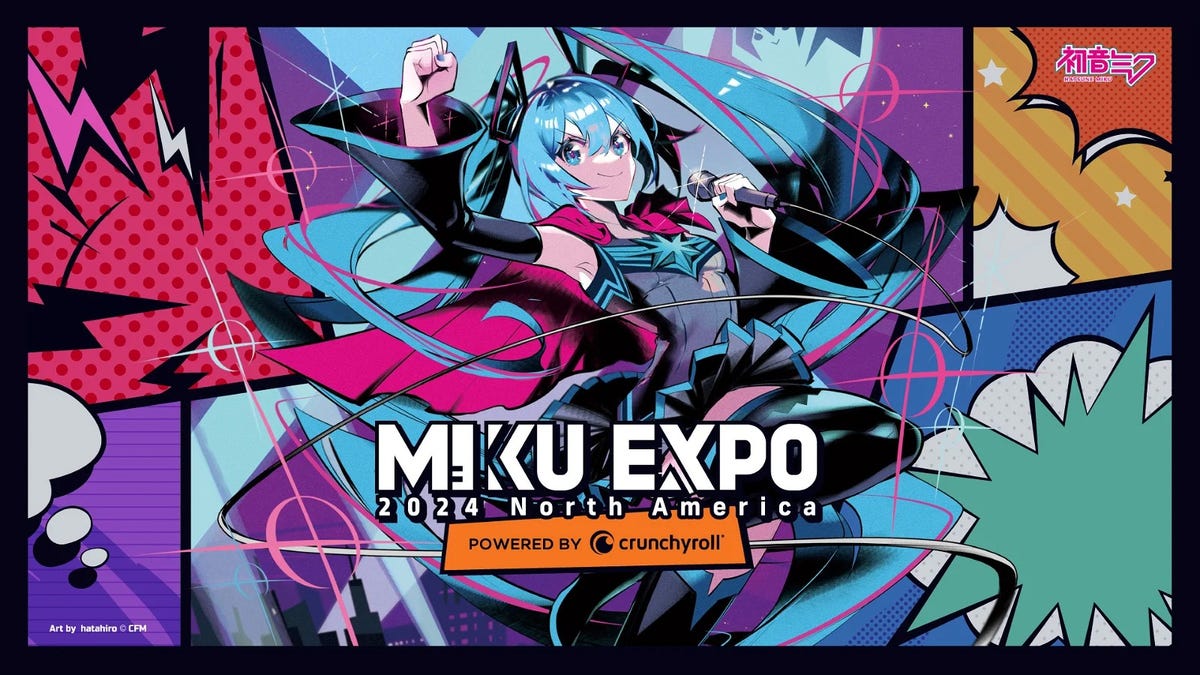
Fans are outraged after Crunchyroll's North American Miku Expo events featured virtual diva Hatsune Miku on a flat-screen TV instead of a hologram, leading to criticism of understocked merch vendors, expensive tickets, and a disappointing concert experience. Attendees are considering legal action, as they feel misled by event organizers who allegedly kept the use of a TV instead of a hologram a secret until the event.