A survey indicates that over two-thirds of respondents believe switching from Samsung to TSMC for Google's Tensor G5 processor in the Pixel 10 series could address existing processor problems, such as overheating and battery life, with many optimistic about improvements in thermal management and efficiency, though some remain skeptical about performance gains.

The Snapdragon 8 Gen 3's impressive on-device AI capabilities have raised questions about the necessity of Google Tensor. While Google Tensor was initially praised for bringing AI breakthroughs to the Pixel 6 series, it has faced criticism for offloading AI tasks to the cloud and lacking raw power compared to the Snapdragon 8 Gen 3. The main argument for Google Tensor is its longer support timeline and control over AI applications, but Qualcomm's demos have made it harder to accept Tensor's AI pitch.
Samsung has reportedly improved its 4nm process yield during chip production, which is set to be used on Google's Tensor G3 in future Pixel phones. The yield is now comparable to that of TSMC, which has a superior process with better yields. AMD has entered into a new partnership with Samsung as a result of these improvements, and this new process is also going to be used for Google's next-generation Tensor chipset. The Pixel 8 and Pixel 8 Pro will apparently usher in Google's first 4nm smartphones with Tensor G3 using Samsung's updated and now improved process.
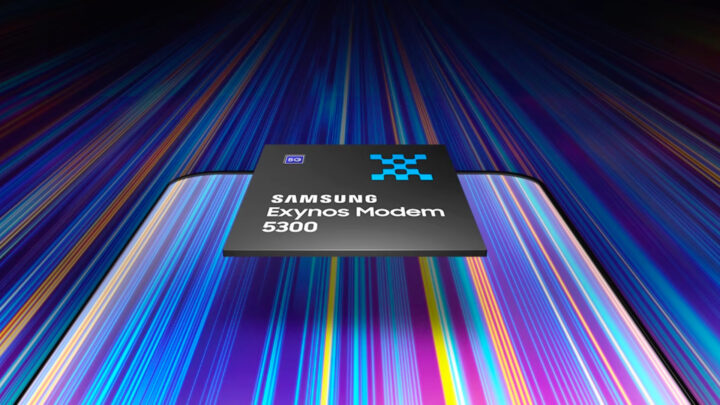
Samsung has launched its new-generation 5G modem, the Exynos Modem 5300, which is made using a 4nm EUV process, making it more power-efficient than previous-generation modems. It offers peak download speeds of up to 10Gbps and peak upload speeds of up to 3.87Gbps, and is compatible with 3GPP’s 5G NR Release 16 standard. The Exynos Modem 5300 is expected to be used in the next-generation Google Tensor chipset that could power the Pixel 8 and the Pixel 8 Pro.