A U.S. federal judge has ruled that the 180,000-carat Bahia Emerald, held in Los Angeles for over 15 years amid ownership disputes, should be returned to Brazil. The emerald, one of the largest ever discovered, was smuggled from Brazil to the U.S. in 2001 and has been the subject of extensive legal battles involving multiple claimants. The recent ruling supports Brazil's claim to the gemstone, paving the way for its repatriation, pending any appeals.
The Smithsonian's National Museum of Natural History will unveil a 116-carat tsavorite gemstone, named the Lion of Merelani, in honor of geologist Campbell Bridges who discovered tsavorite in East Africa in the 1960s and was murdered in 2009. The gemstone, the largest precision-cut tsavorite in the world, was donated by Somewhere in the Rainbow and tsavorite mining executive Bruce Bridges. The rectangular "cushion" shaped gemstone is considered rare and is valued for its 177 facets. The gemstone will be displayed in the museum's hall of geology, gems, and minerals alongside other spectacular jewels.
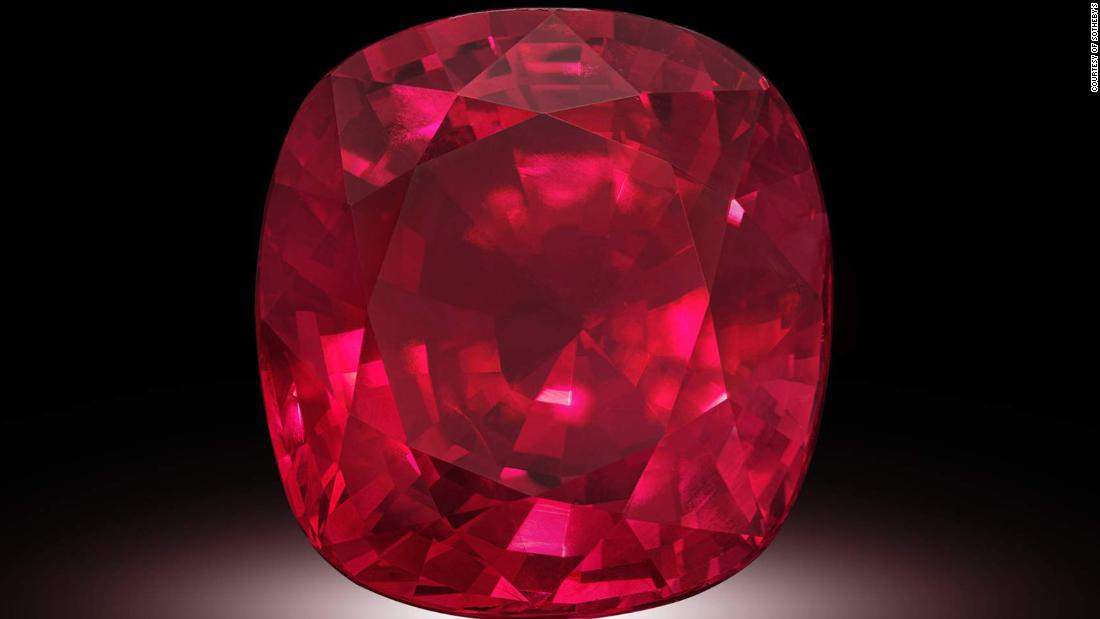
A 55.22-carat ruby, named Estrela de Fura, is set to become the largest and most valuable ruby ever to appear at auction, with an expected sale price of over $30.3 million. The ruby was discovered by Canadian firm Fura Gems at one of its mines in Mozambique and possesses "outstanding clarity" and a dark red color known as "pigeon's blood." The stone will go on sale at Sotheby's New York in June and will be exhibited in various cities before the auction.
Sotheby's is set to auction an "ultra-rare" pink diamond, named The Eternal Pink, weighing 10.57 carats and expected to fetch over $35 million. The diamond is officially classed as "purplish pink" in color and has been designated "fancy vivid," the highest grade of intense color achieved by only 4% of pink diamonds. The Eternal Pink is the most valuable diamond of its shade ever to appear at auction. Pink diamonds have soared in value in recent years due to a slump in supply caused by the 2020 closure of Australia's Argyle Mine, which previously produced most of the world's pink diamonds.