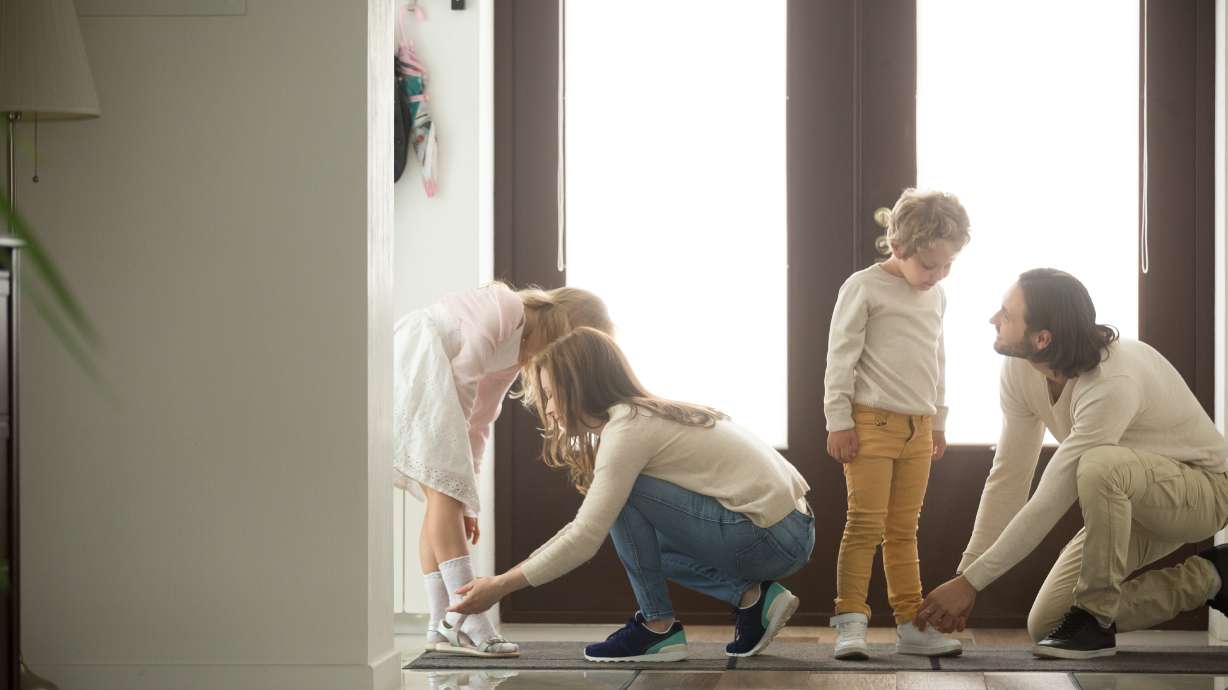
Wearing shoes inside the house can introduce harmful germs, toxins, and allergens, cause messes, damage flooring, and may be culturally inappropriate, while going shoeless can be more comfortable and healthier for your home environment.
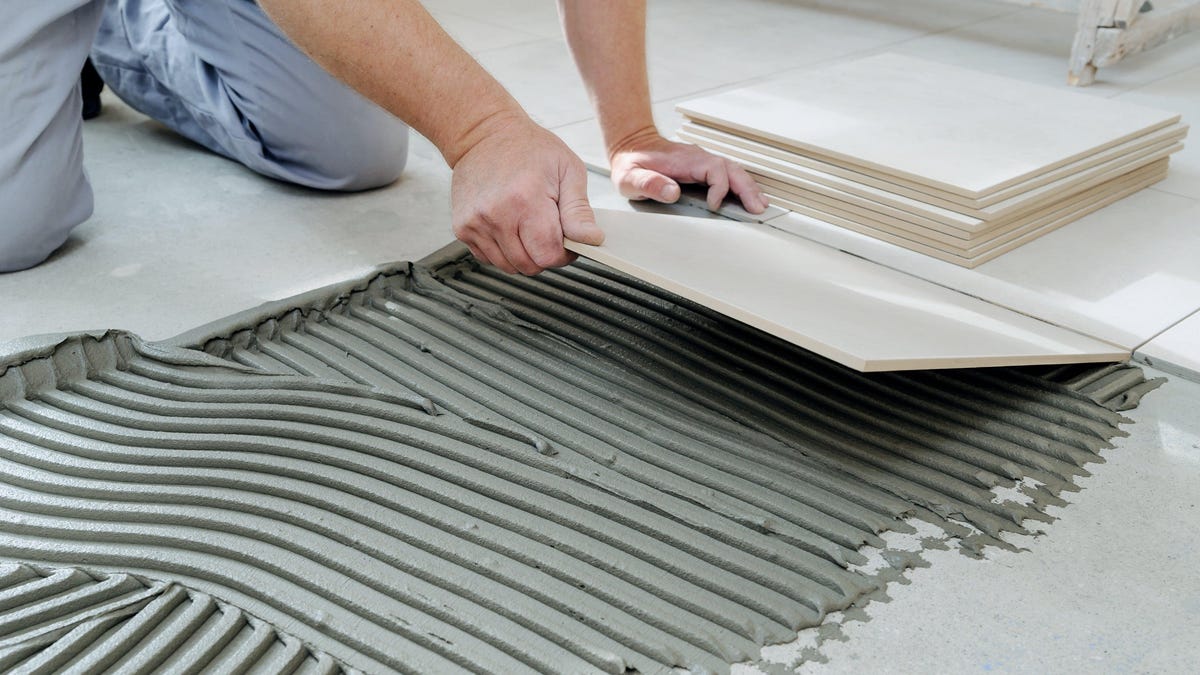
When installing tile floors, grouting is an essential step that should not be skipped. Grout serves not only to give floors a cohesive appearance but also plays a crucial structural role by reinforcing tiles, preventing them from shifting and reducing the risk of accidents. Skipping grout can lead to dirt accumulation, moisture problems, and potential mold growth, which can cause health issues. There are different types of grout available, such as urethane and acrylic, which may not require sealing and can resist mold and mildew. Proper maintenance of grout can extend its life up to 20 years, making it a worthwhile investment for any DIY tile flooring project.
Uneven floor or wall tiles can be a major eyesore, but ripping them out isn't always an option. If the lippage is minor, you can try grinding the edge down with a hand sander or creating a "ramp" of extra grout. Before attempting either method, measure the lippage to determine if it exceeds professional standards.