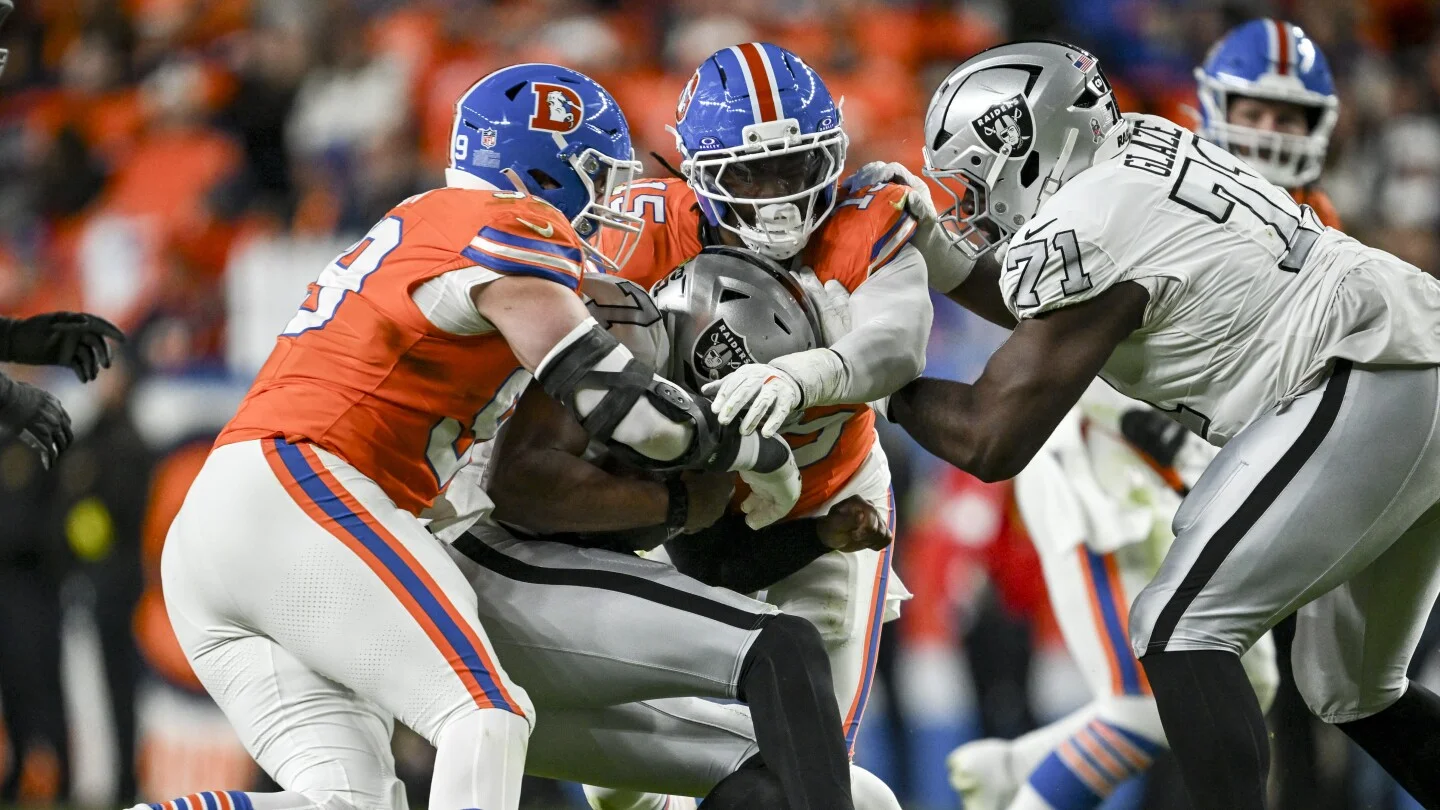
In a rare NFL game, the Raiders and Broncos each had more penalties than first downs, with both teams having 11 penalties and 10 first downs; Denver won 10-7, improving to 8-2, while Raiders fell to 2-7.
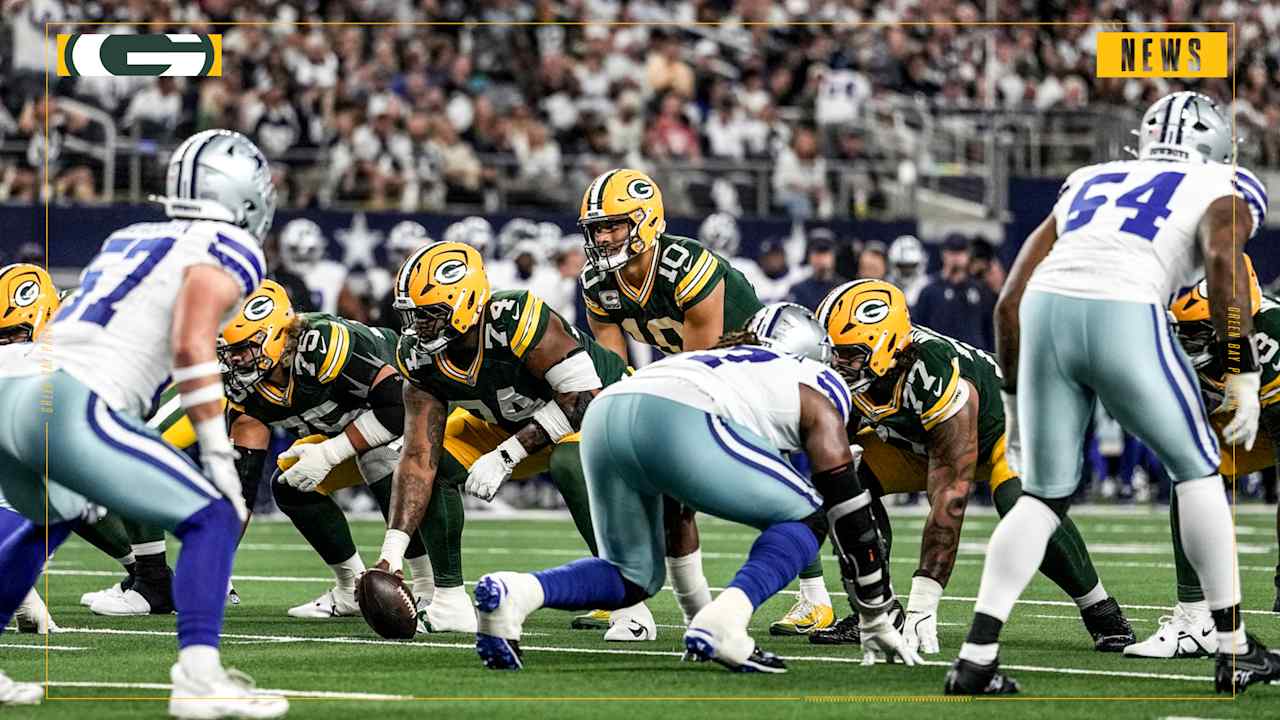
In a Week 4 NFL game, the Packers and Cowboys tied 40-40 in overtime, combining for 58 first downs, just one shy of the franchise record, marking one of the highest totals in Packers history and highlighting a rare overtime tie streak for the Cowboys.
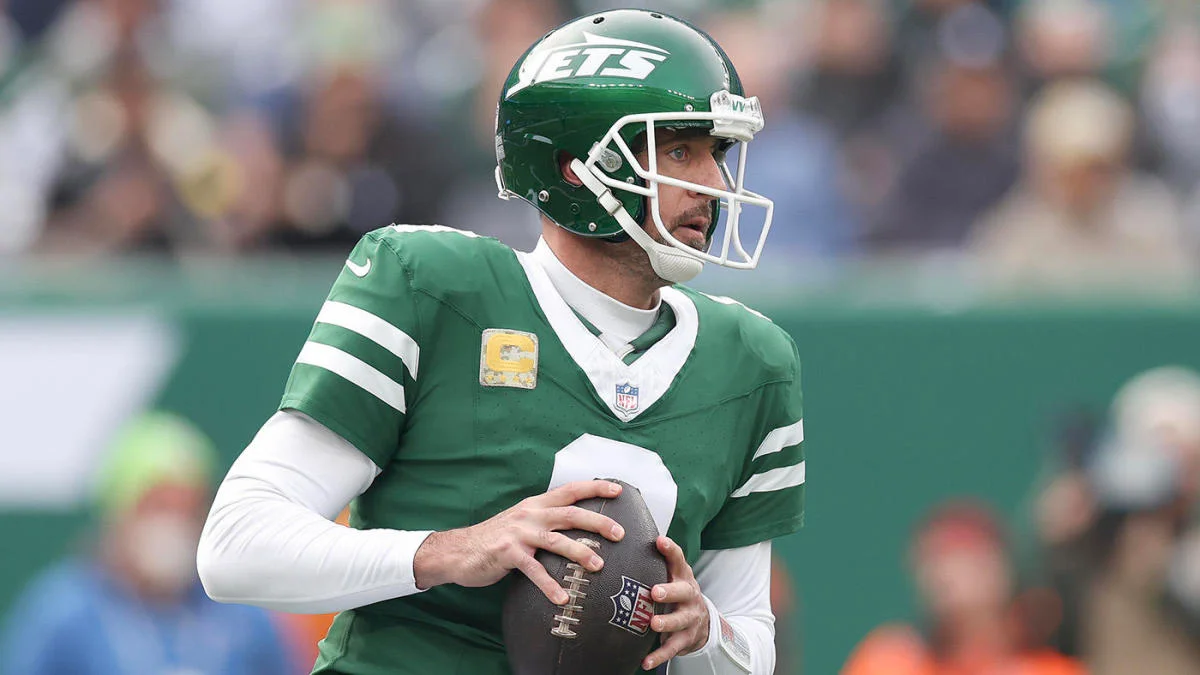
The New York Jets struggled offensively in the first half against the Indianapolis Colts, failing to secure a first down in their first five drives, reminiscent of a similar performance in 2005. They avoided a complete first-half shutout by finally achieving a first down with 1:30 left in the second quarter, eventually scoring to trail 13-7 at halftime. Both teams are in dire need of a win to keep their playoff hopes alive, with the Jets at 3-7 and the Colts at 4-6.
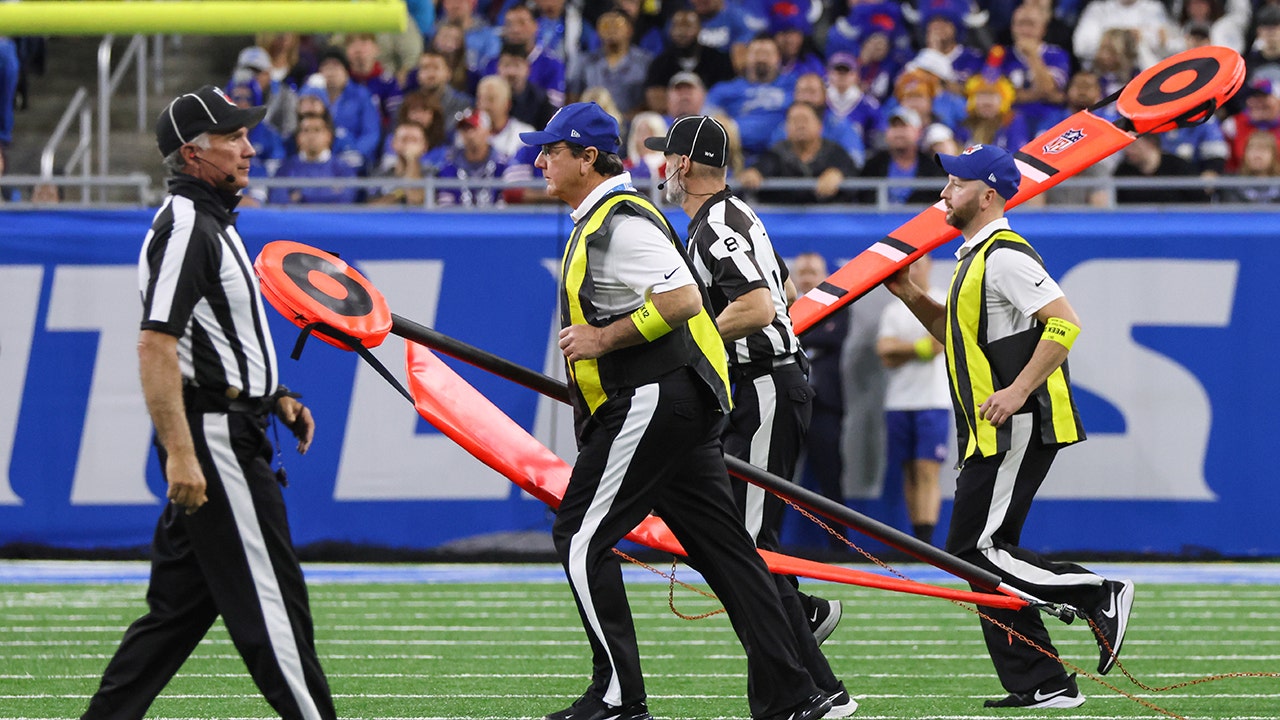
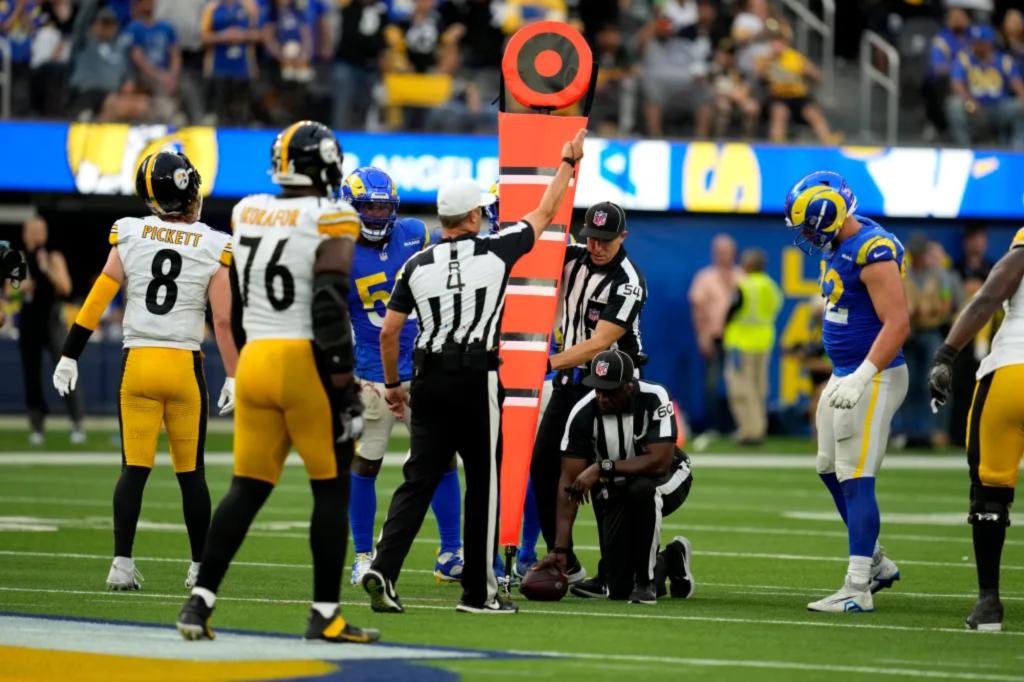
The NFL reportedly tested technology to track first downs during games, including the Super Bowl, using optical technology that is not yet ready for the 2024 season but could potentially replace sideline chain crews. While the league already has the ability to track the football for analytics, this technology would aim to remove human error from determining first downs, although it currently does not determine when a player is down. The potential implementation of this technology remains uncertain, but it signifies the league's efforts to adapt to modern times.
The NFL is considering replacing the traditional chain measurements for first downs with optical tracking technology after successful testing at several stadiums. While there is some interest from teams and owners, outfitting all 30 NFL stadiums with the technology for next season may be a challenge. The proposed technology, developed by Hawk-Eye, would need to be approved by the competition committee and voted on by the owners. Additionally, the league is also exploring the use of high-resolution cameras and smartwatches for instant replay decisions and delay of game issues.
The NFL is testing a new electronic system to measure first downs, potentially replacing the traditional chains. Developed by Hawk-Eye, the technology aims to provide more accurate officiating decisions by using computer vision to determine the position of the ball and players. The league is gauging interest from teams and owners, with potential implementation as early as the 2025 season. This move aligns with the trend of using technology to determine positioning in sports, and could bring the NFL in line with other advanced leagues.
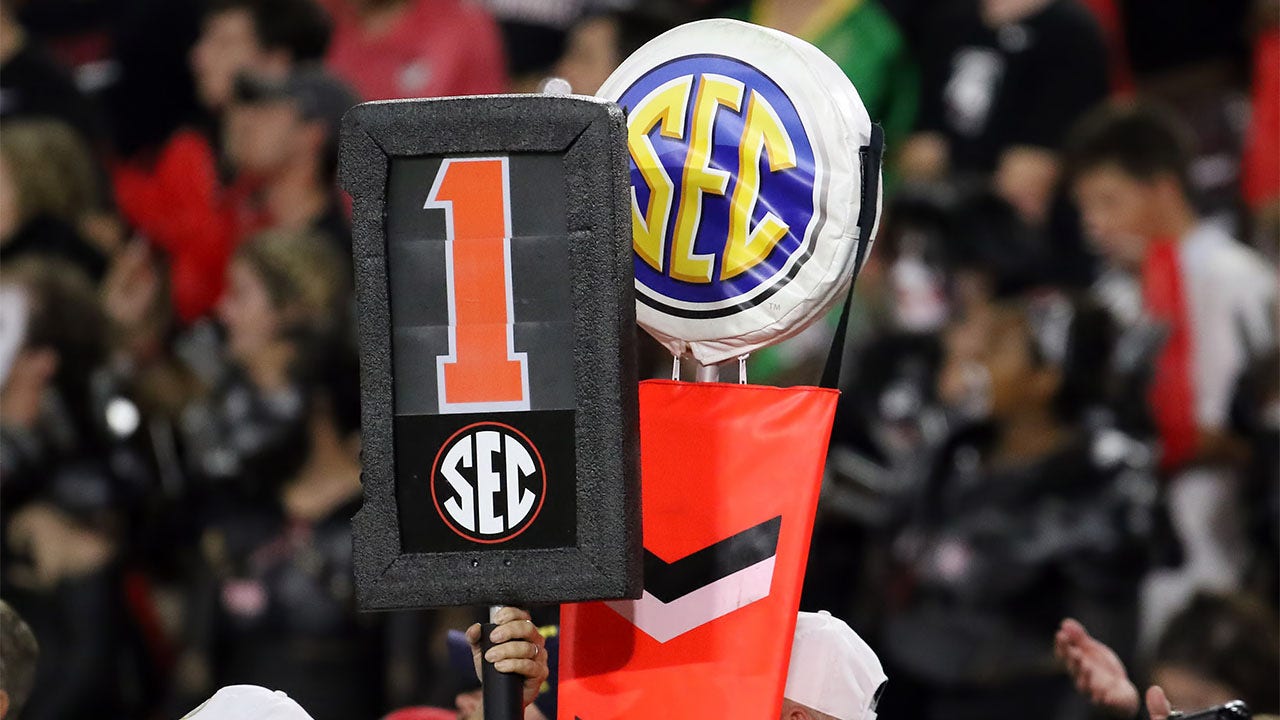
The NCAA has approved a rule change for college football that will allow the clock to run after first downs, except for in Division III, starting next season. The clock will stop during the last two minutes of each half after first downs. Two other changes were also approved, including not allowing teams to call consecutive timeouts and applying penalties at the end of the first and third quarters on the first play of the following quarter. The changes are expected to shorten games by seven to eight minutes.