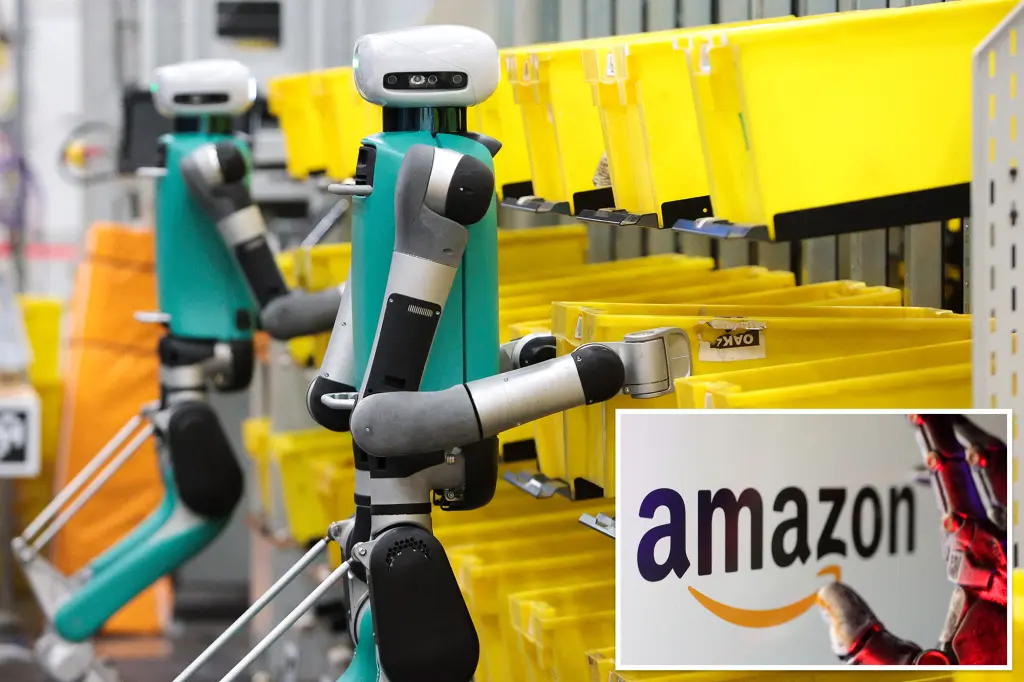
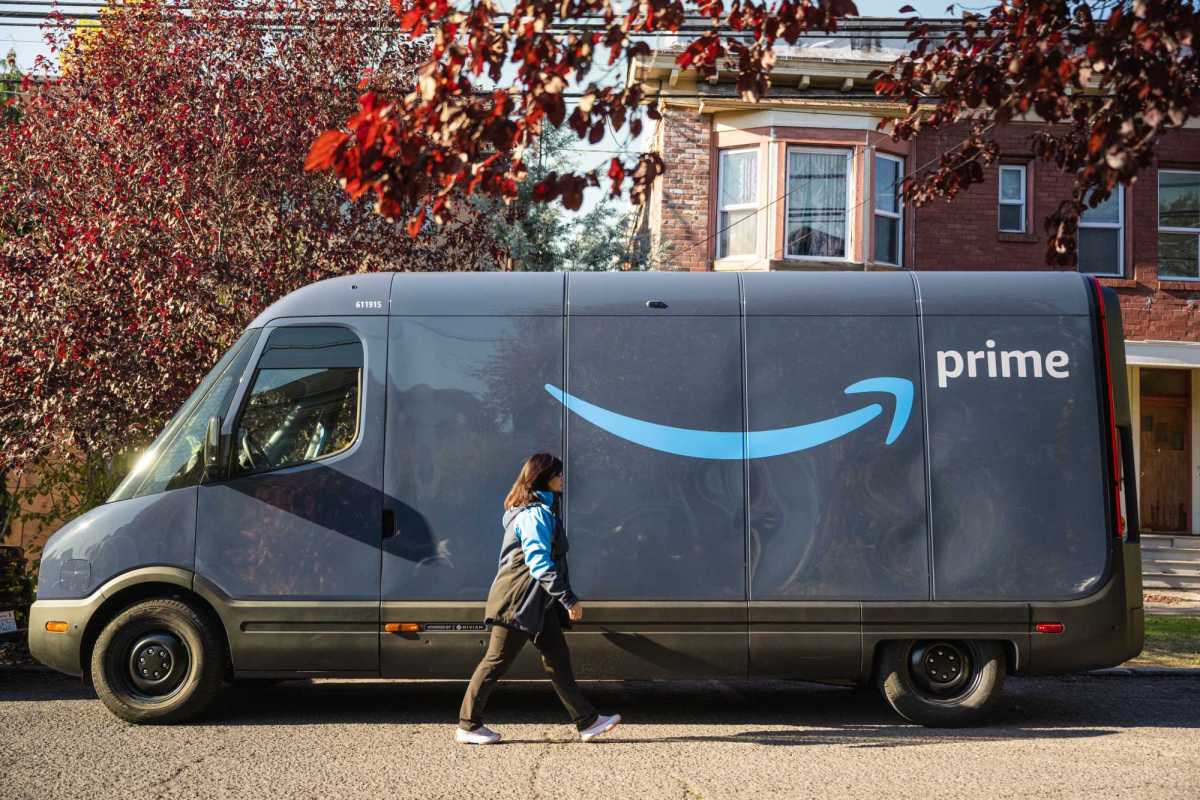
Amazon is testing humanoid robots designed to spring out of delivery vans to deliver packages, aiming to replace or assist human delivery workers, with plans to deploy 100,000 electric vehicles equipped for these robots by 2030.
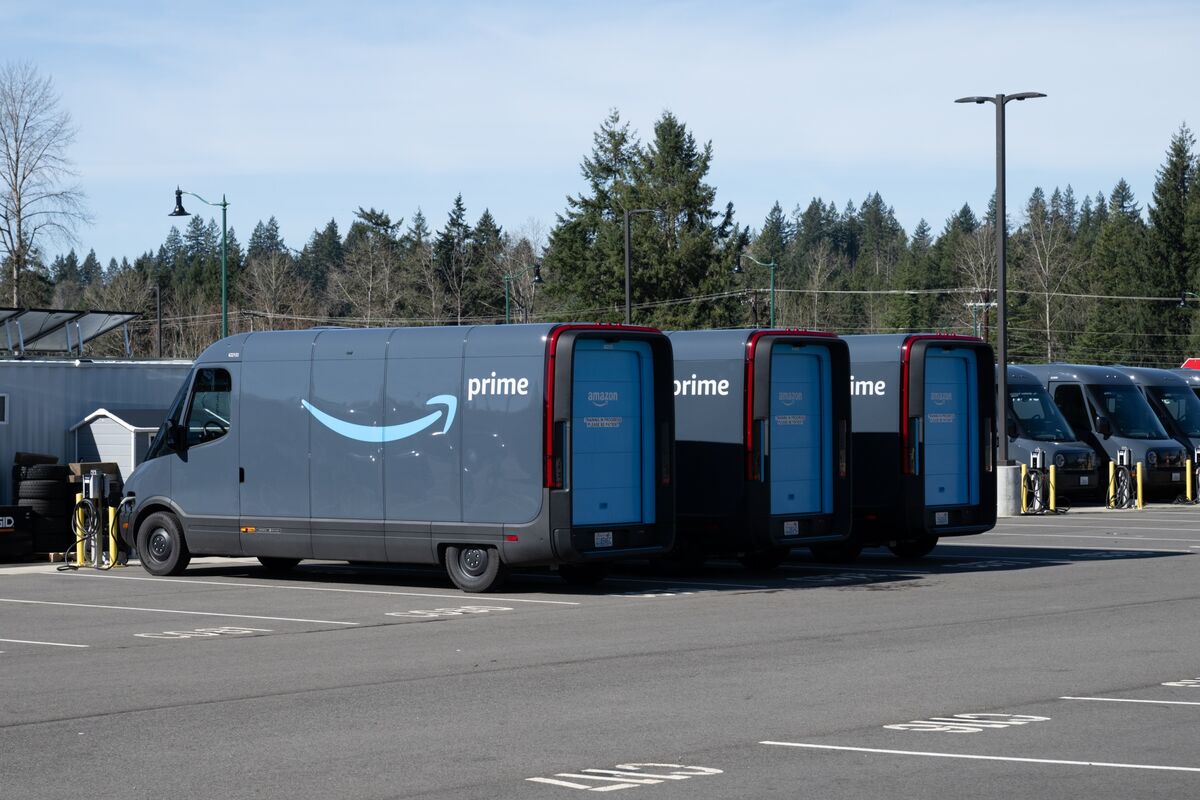
Amazon's Maple Valley warehouse in Washington is equipped with 17,000 electric vehicle chargers to support its fleet of electric vans, which are used for speedy delivery operations in the suburban Seattle area.
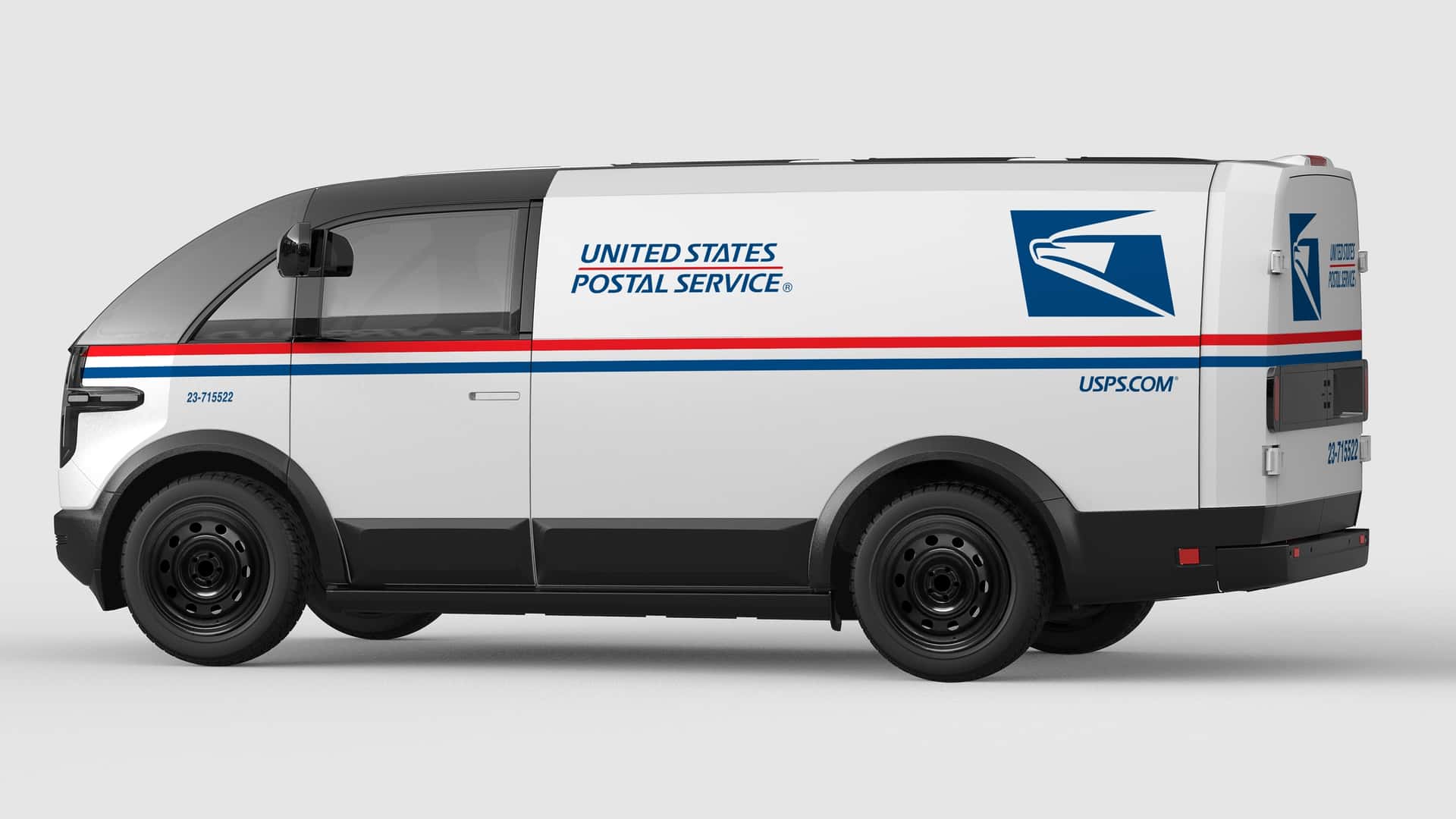
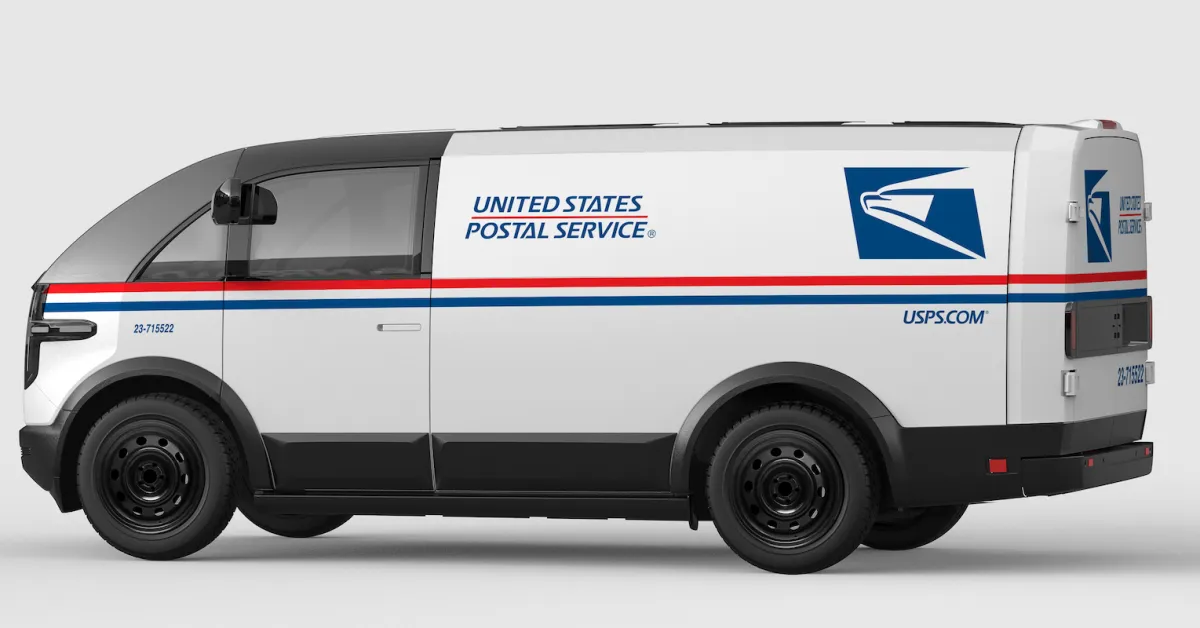
The United States Postal Service has ordered six right-hand-drive electric vans from EV startup Canoo, as part of its efforts to explore commercial-off-the-shelf electric delivery vehicles for its fleet upgrade. The Canoo LDV 190 offers 200 miles of range, a 79.0-kilowatt-hour battery pack, and a cargo hold capable of carrying up to 1,624 pounds of mail. The USPS plans to evaluate the performance of these vans, with potential for more orders in the future, while also dealing with delays in the delivery of upgraded mail trucks from Oshkosh Defense.
The United States Postal Service (USPS) is set to purchase six battery-electric Canoo vehicles as part of its electrification and modernization efforts for its national delivery fleet. Canoo's patented technologies, including steer-by-wire and low-profile suspension system, are expected to enhance functionality, safety, and ergonomics for USPS. This deal is part of USPS's $40 billion investment strategy to upgrade its processing, transportation, and delivery networks, indicating a continued search for the ideal electric vehicle.
Rivian has announced that it will no longer be exclusive to Amazon, allowing other companies to purchase its commercial electric vans. The decision comes after talks to strip out the exclusivity clause ahead of time. Amazon had invested over a billion dollars in Rivian in 2019, securing the exclusivity deal. Rivian still plans to fulfill its goal of delivering 100,000 electric vans to Amazon. Both Rivian and Amazon's stock prices rose following the announcement.
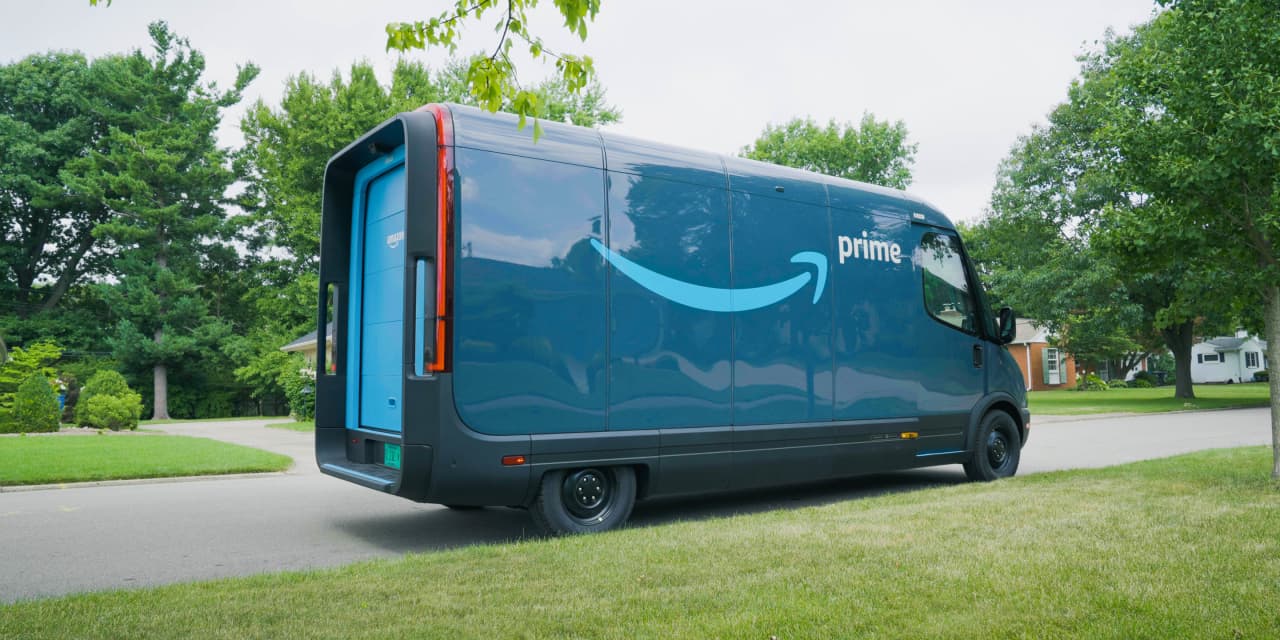
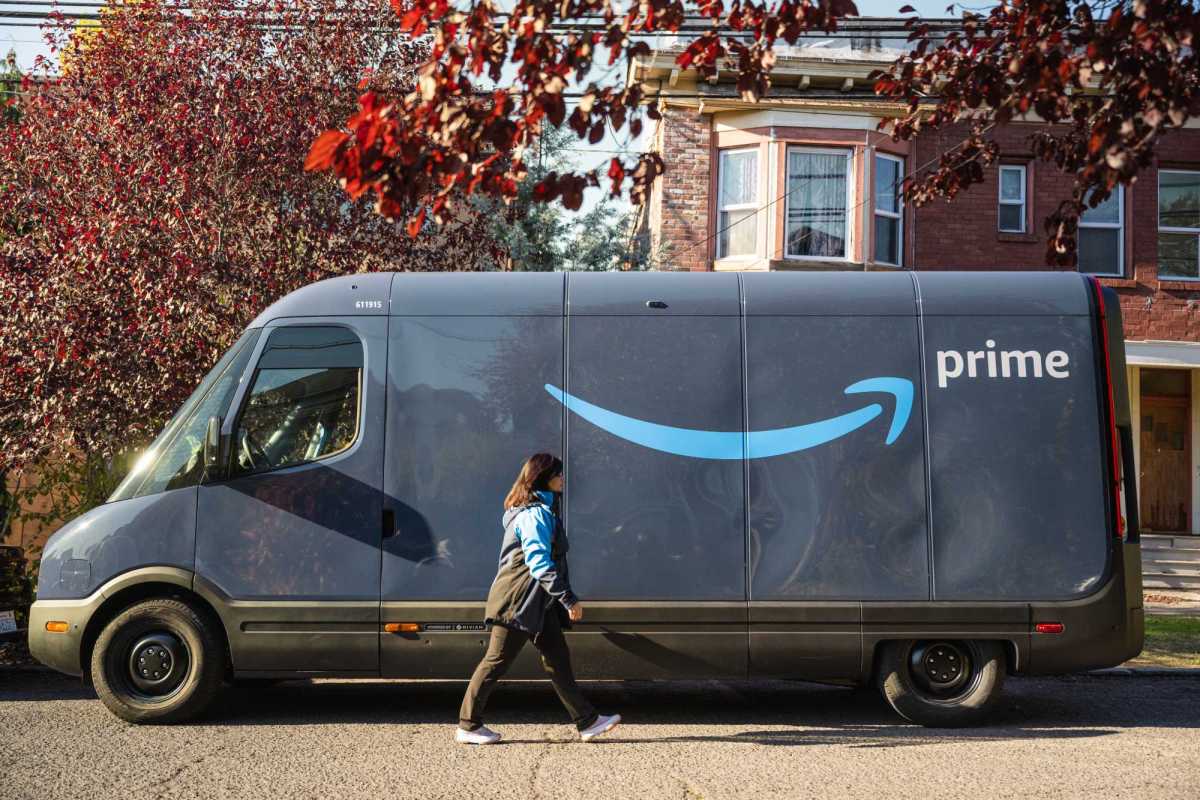
Amazon has started deploying Rivian's custom electric delivery vans in Europe, with the first tranche of 300 vans set to be seen on the streets of Munich, Berlin, and Dusseldorf in the coming weeks. This marks Rivian's first commercial shipment of vans outside the United States. Amazon aims to reduce its delivery-related emissions as part of its commitment to reaching net-zero carbon by 2040. The vans feature advanced driver assistance systems, ergonomic design, and integration of delivery workflow technology. Rivian has received an order of 100,000 vans from Amazon, which it hopes to fulfill by 2030.
Amazon's first custom electric delivery vans made by Rivian are set to arrive in Europe, starting with Germany. Over 300 electric last-mile delivery vans will be deployed in Munich, Berlin, and Dusseldorf in the coming weeks, as part of Amazon's plan to invest over $1 billion to electrify its European transportation network. Amazon aims to have 100,000 electric delivery vehicles from Rivian on the road globally by 2030. Rivian's shares rose 17% after reporting strong second-quarter deliveries and production data.
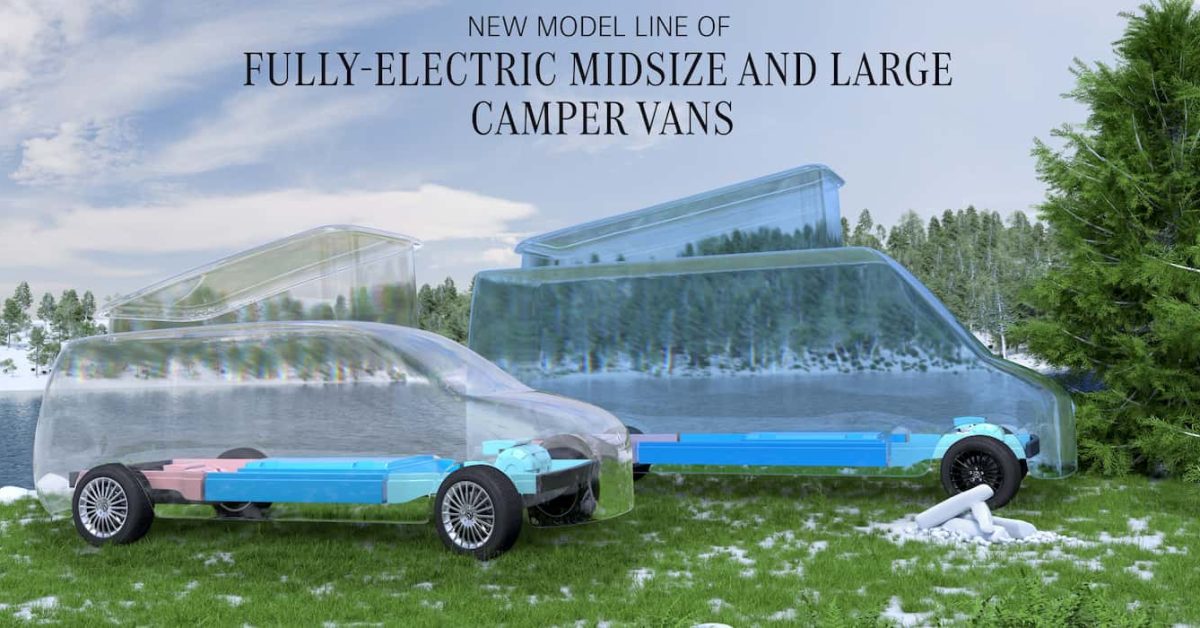
Mercedes-Benz is expanding its EV van lineup with the introduction of private luxury midsize electric vans to the US and China, including camper versions, based on its new dedicated Vans Electric Architecture (VAN.EA). The German automaker plans to offer electric vans for commercial use, versatile all-rounders, private luxury vans, and even RVs beginning in 2026. Mercedes is focusing on four critical aspects with its new EV van architecture to optimize range and reduce costs, including aerodynamics, drivetrain, tires, and chassis. The van division aims to achieve 50% EV sales share by 2030.