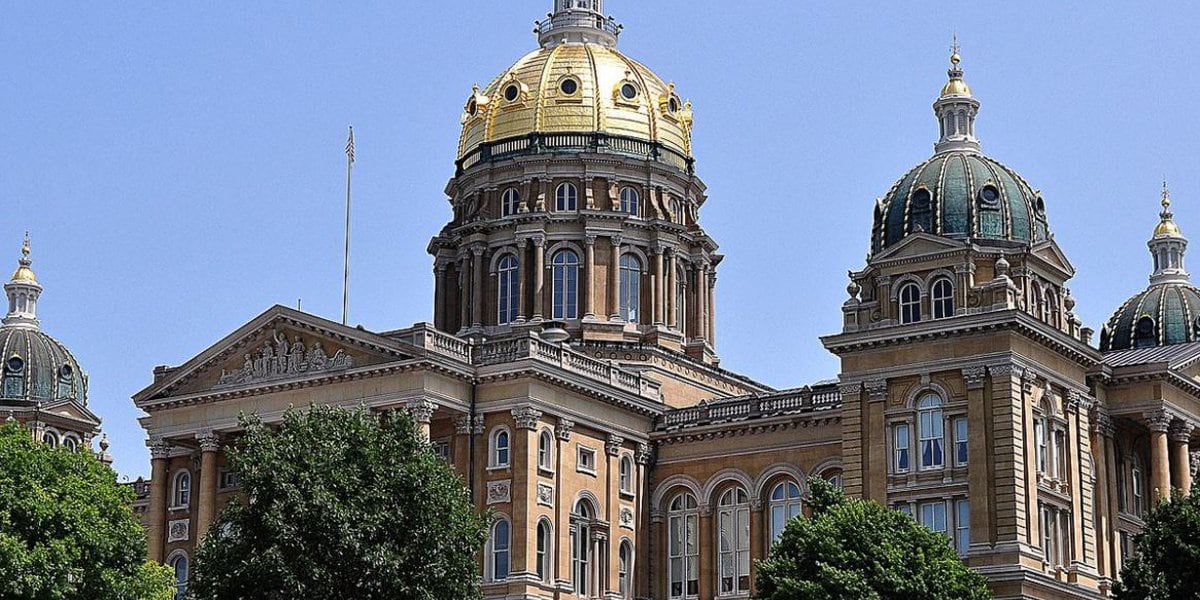
Iowa's new private school scholarship program will cost the state $127,939,695, which is $20 million more than the original $107 million projection, due to higher than expected enrollment of 16,757 students using taxpayer dollars for private school tuition. The additional funding will come from the general fund, impacting the state's available revenue from income, corporate, and sales taxes. School funding in Iowa is determined by certified enrollment totals, providing a baseline for state spending on education and influencing legislative decisions.
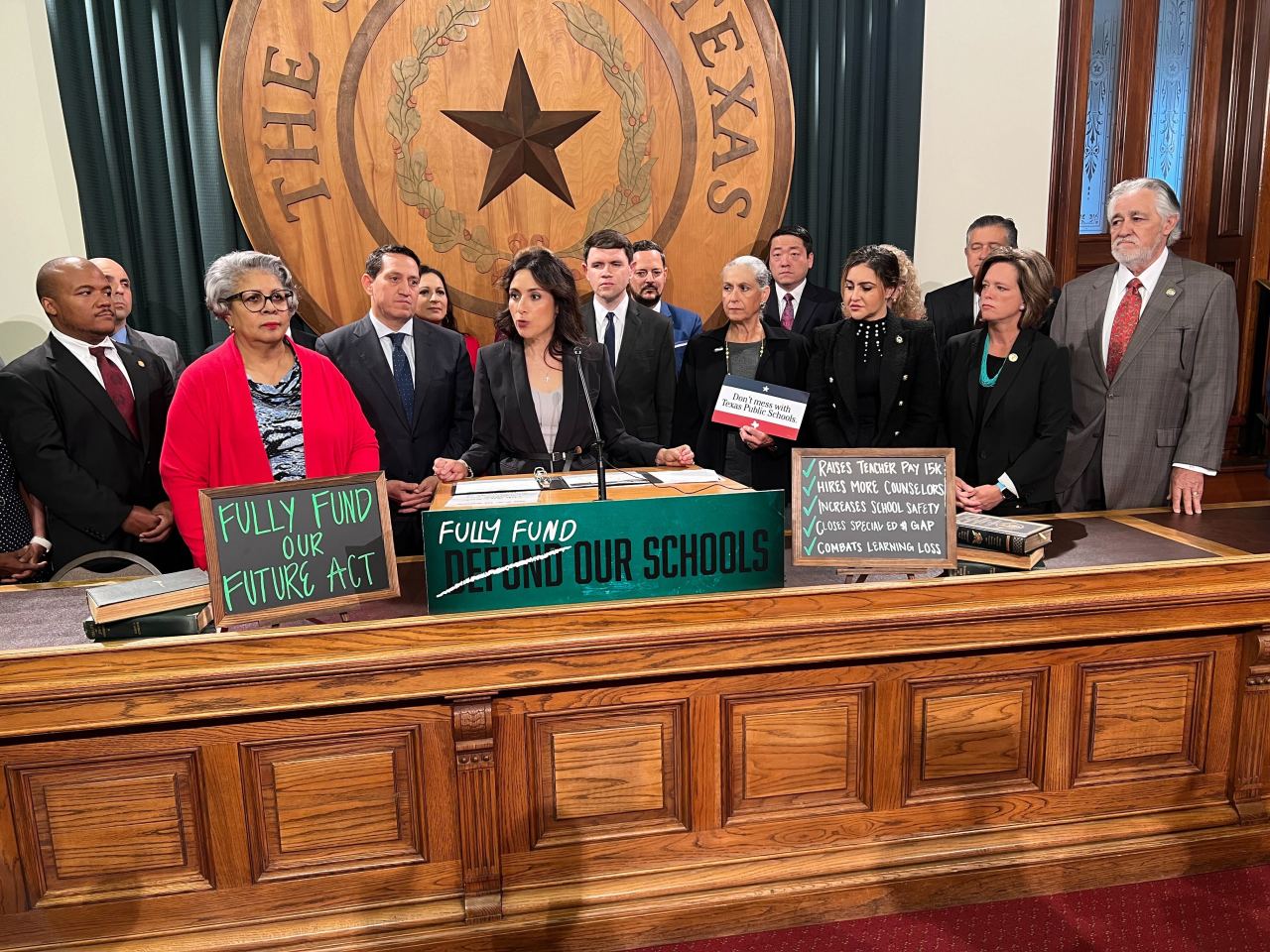
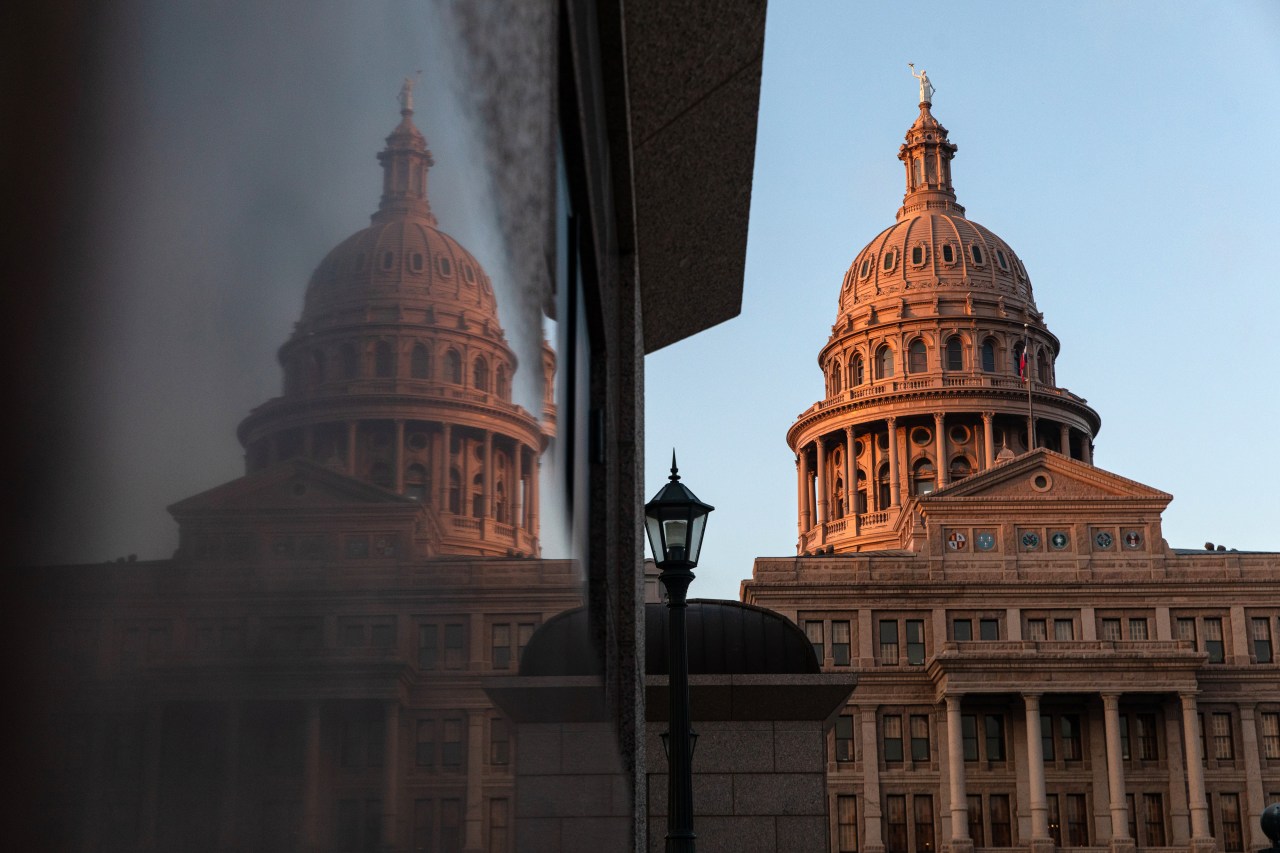
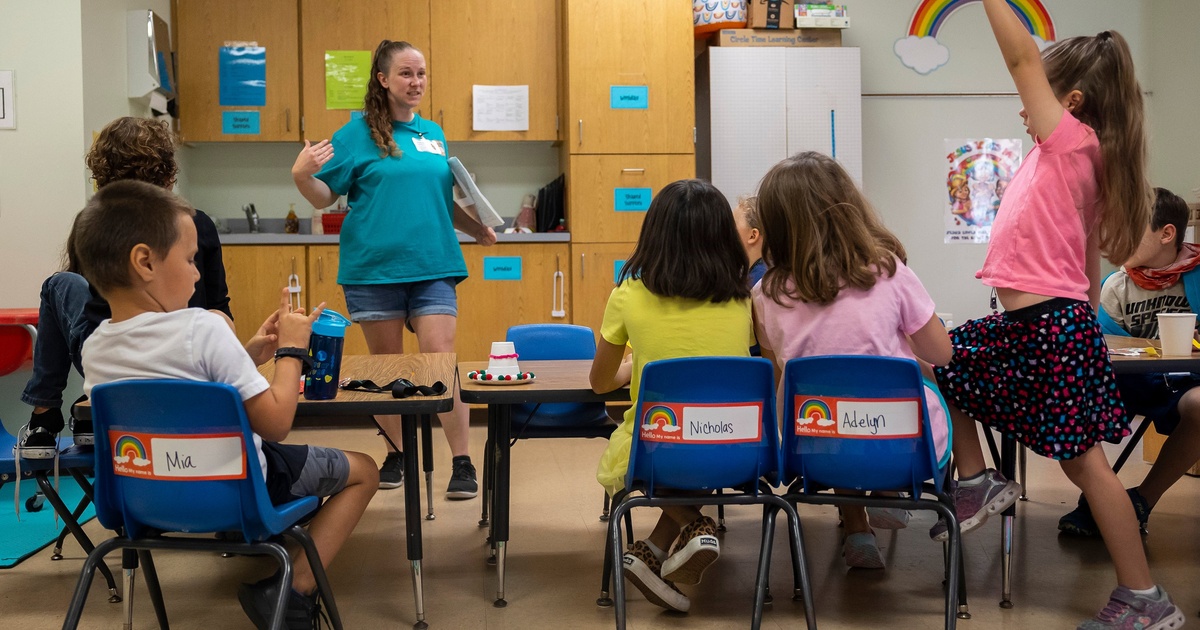
Texas House Democrats have introduced a school finance plan called the Fully Fund Our Future Act, which includes a $15,000 pay raise for teachers, a $5,500 bonus for support staff, and an increase in per-student funding by $2,787. The legislation also aims to allocate $2.3 billion for special education programs and $3 billion for school security. However, the chances of passing these priorities are slim due to Republican control of state government and opposition to tying public school funding increases to the creation of education savings accounts.
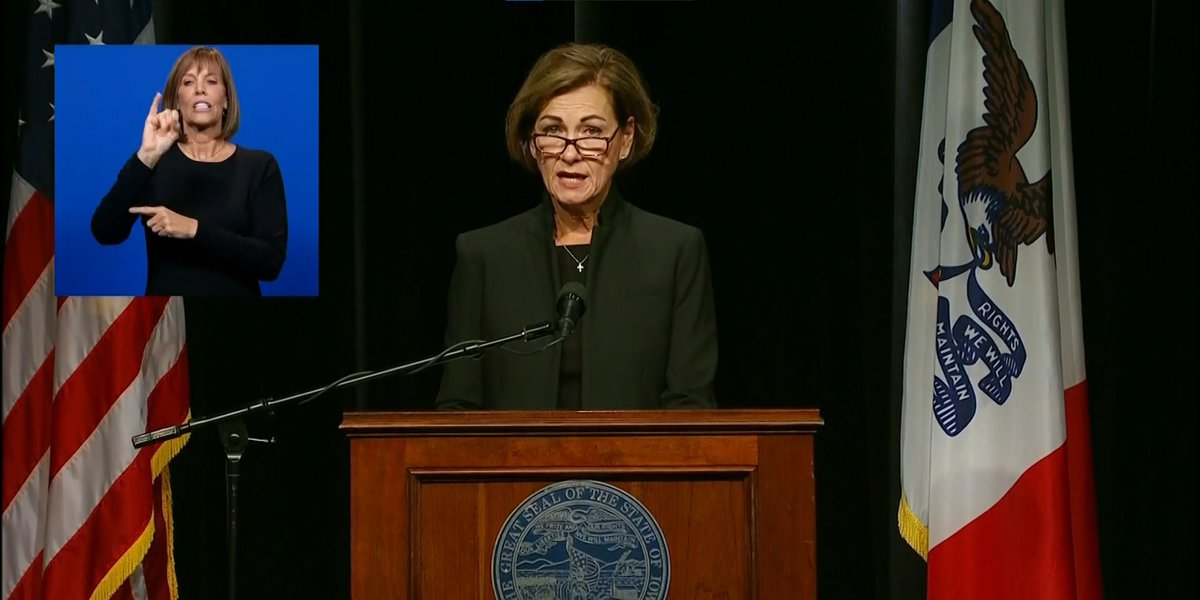
Nearly 19,000 Iowa students have been approved for private school vouchers, raising concerns about the program's cost and impact on public education. The approved vouchers have already exceeded the budgeted amount, with the program now estimated to cost $144 million instead of the planned $107 million. Democratic House Minority Leader Jennifer Konfrst worries about the closure of public schools in rural communities as funds are redirected to private schools. School vouchers are unpopular across party lines, and Konfrst sees an opportunity for the Democratic Party to gain support in the next election. The total number of students who decided to leave public school after receiving a voucher is yet to be reported. Governor Reynolds, however, sees the high number of approved vouchers as a reflection of Iowans' desire for educational freedom.
Over 29,000 K-12 students in Iowa have applied for Students First Education Savings Accounts (ESAs) under Governor Kim Reynolds' Students First Act, which allows eligible students to attend private schools. However, there are only around 9,000 spots available at private schools in the state, potentially leaving more vouchers approved than spots available. Families must separately apply and be accepted to an accredited private school, and ESA funds remain with the state until payment is approved. The state has 30 days to approve or deny applications, with complete data on the vouchers expected in October.
The Texas Senate Committee on Public Education has advanced a bill that would increase teacher pay and create an education savings account program to the full Senate for a vote. The bill would increase the per-pupil allotment for public schools by $50 and increase the minimum salary schedule for teachers. However, the addition of an education savings account program that would allow parents to redirect up to $8,000 to private school tuition has raised concerns about the inclusion of school vouchers. The Texas legislature has yet to pass a bill that would address the growing shortage of teachers in Texas public schools.
The Texas Senate has approved a bill that would create an education savings account program, allowing parents to use state funds to pay for private schools. The bill now moves to the House, where it is expected to face opposition. The Senate also voted unanimously for a bill that would give a one-time bonus to teachers. The education savings account program has been a top cause of Gov. Greg Abbott, but has faced opposition from public education advocates.