The Netflix series 'Monster: The Ed Gein Story' has gained popularity, ranking No. 2 on the platform, and is sparking mixed reactions. Critics have given it a 20% rating on Rotten Tomatoes, citing it as potentially exploitative and sensational, while audiences are more favorable, praising the acting and emotional depth. The show explores Ed Gein's mental health struggles and questions the nature of monstrosity, with some viewing it as a critique of media sensationalism and societal desensitization.

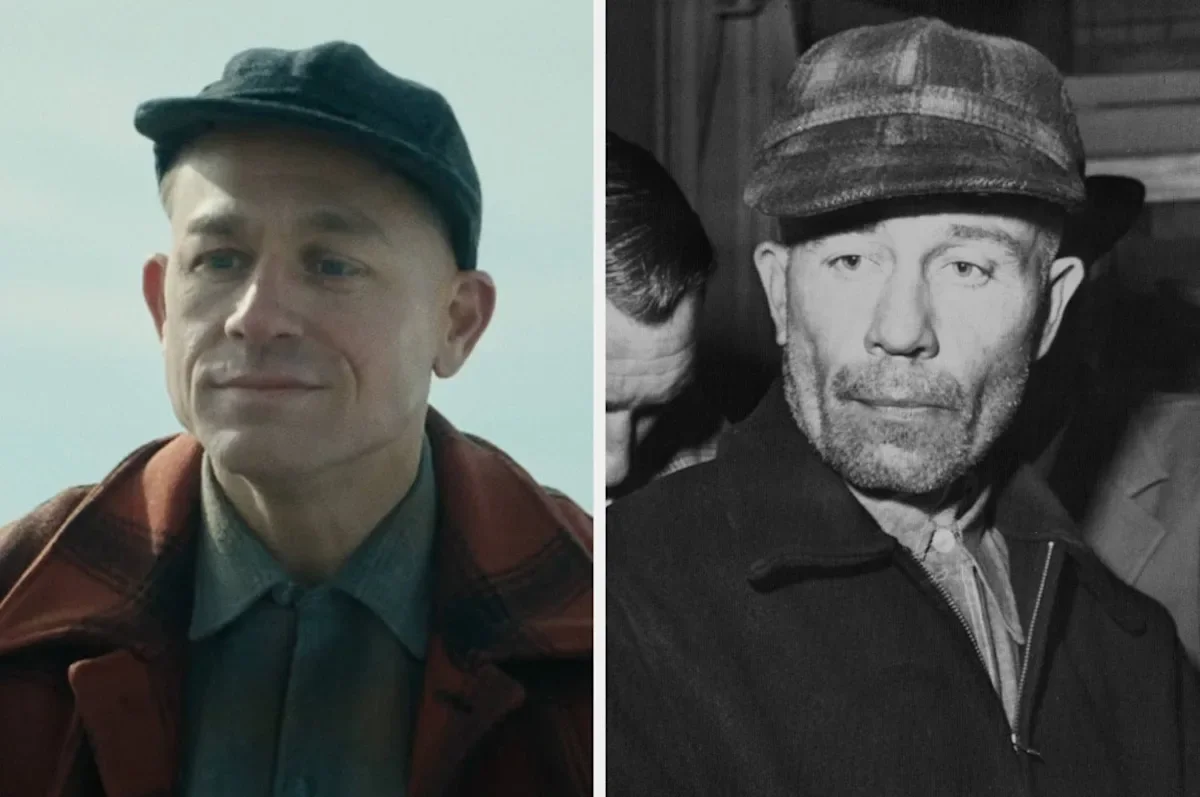
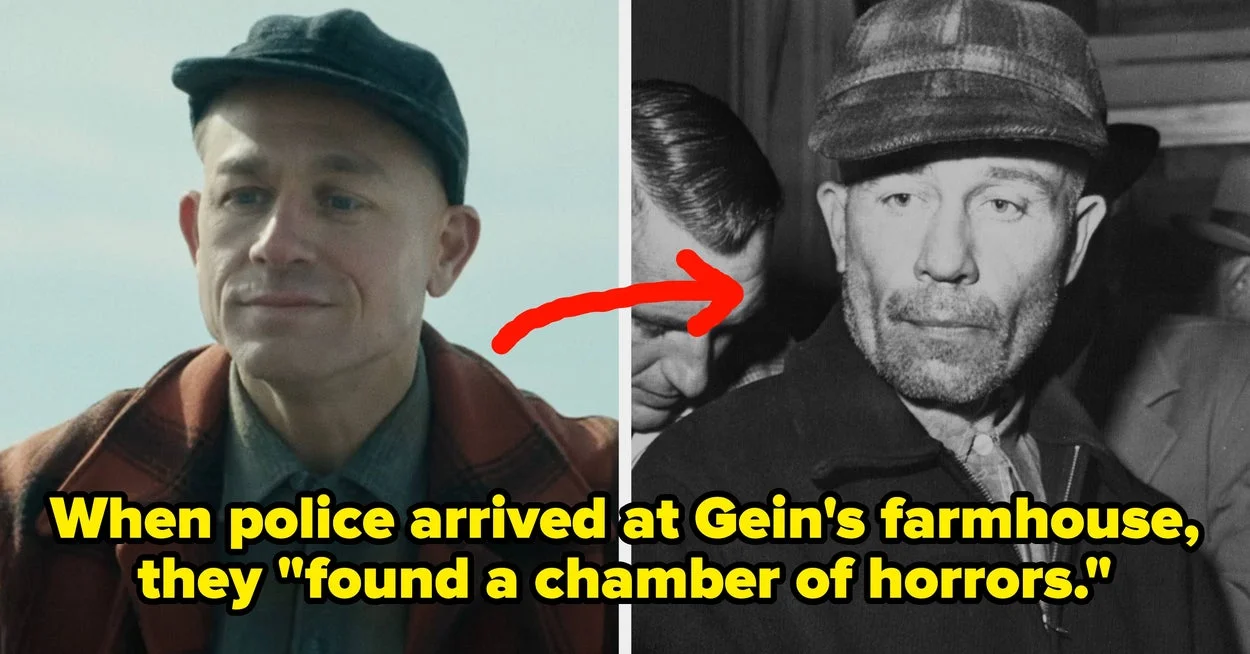
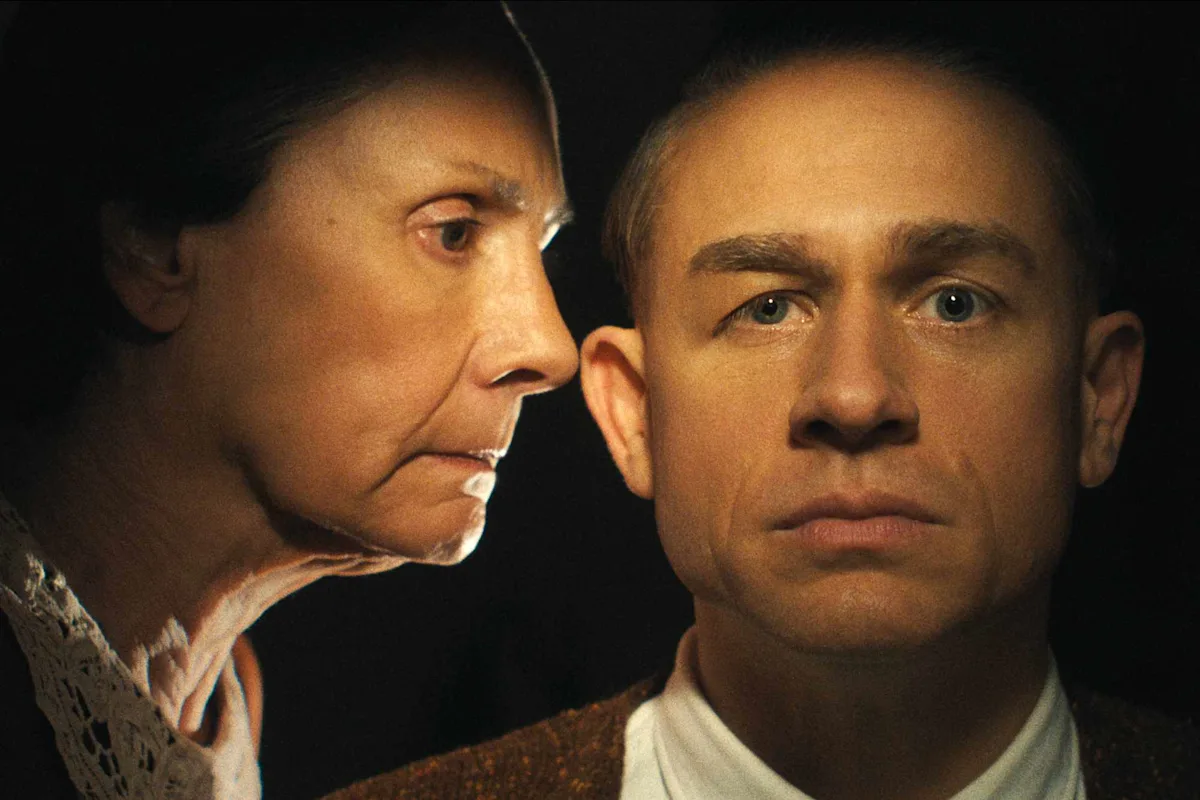
Charlie Hunnam underwent a profound physical and psychological transformation to portray Ed Gein in the new season of 'Monster,' involving intense research, a strict diet, prosthetics, and immersive acting to authentically depict the notorious killer, amidst a dark exploration of fear and the human condition.
'Monster: The Ed Gein Story' debuted on Netflix with 12.2 million views in its first three days, ranking second on the Netflix TV chart for the week of September 29 to October 5, just behind Mae Martin's 'Wayward' with 14.1 million views. The series performed strongly, comparable to previous popular releases, and contributed to the ongoing interest in true crime stories on the platform.
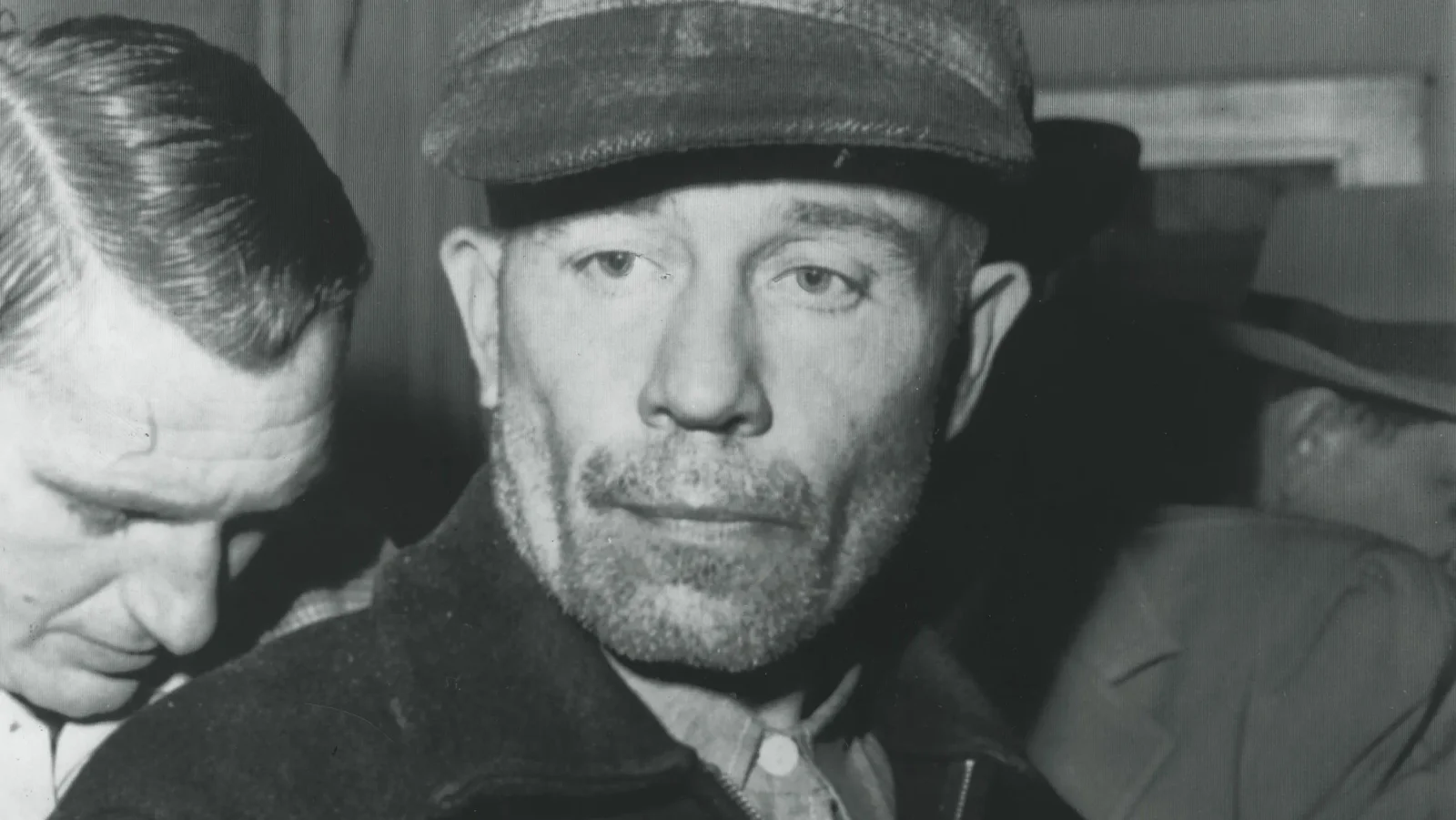
The article discusses the true story of Ed Gein, a Wisconsin murderer whose gruesome crimes inspired horror classics, detailing his background, crimes, and the real facts behind his infamous case, as depicted in Netflix's series.
The article provides 19 facts about Ed Gein, the real-life inspiration for the film 'Monster,' including his background, crimes, and personal anecdotes, such as a claimed 20-year relationship with Adeline Watkins who described him as kind and discussed murder with her.
Charlie Hunnam expressed initial regret and fear about playing Ed Gein in Netflix's Monster series, but found a deeper understanding and purpose through the role, which challenged and ultimately enriched him despite its dark nature.
The article details the fate of Ed Gein's farmhouse and related sites in Plainfield, Wisconsin, highlighting that Gein's house burned down in 1958 and is now an empty lot, while other associated sites like the hardware store and cemeteries remain or have changed ownership, attracting true crime enthusiasts.
The Netflix series 'Monster: The Ed Gein Story' faces criticism for its portrayal of Ed Gein, but the cast and co-creator defend it as a sincere exploration of mental illness and the human condition, emphasizing that it aims to avoid sensationalism while prompting viewers to reflect on the nature of monstrosity and media influence.
The Netflix show 'Monster: The Ed Gein Story' depicts a fictional scenario where Ed Gein helps catch Ted Bundy, which is not based on real events. In reality, Gein was never involved in Bundy's arrest, and the show blends fact and fiction, often misleading viewers about historical accuracy.
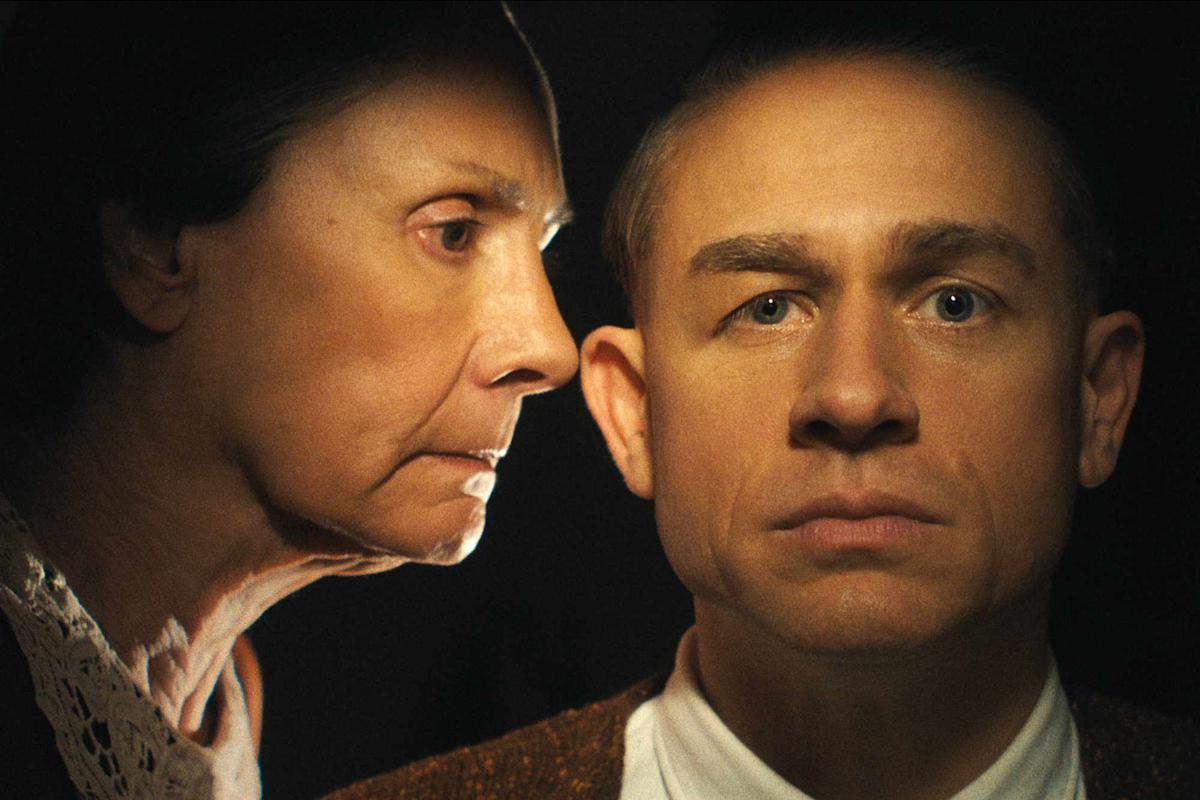
Ed Gein, a notorious American serial killer, had a troubled childhood marked by a strict, religious mother who heavily influenced his psyche. His relationship with Augusta Gein, who instilled fears about women and morality, contributed to his later crimes, which included exhuming graves and murdering women. His mental health issues, including schizophrenia, played a significant role in his actions, and he was ultimately declared not guilty by reason of insanity and spent his remaining years in a mental institution.
Ed Gein, a notorious American serial killer, was heavily influenced by his troubled relationship with his mother, Augusta, which contributed to his crimes including murder and body desecration. His childhood was marked by strict religious upbringing and isolation, and after his mother's death, his mental health deteriorated, leading to his arrest in 1957 and subsequent diagnosis of schizophrenia. His life and crimes inspired numerous horror movies.
The article discusses the making of Netflix's 'Monster: The Ed Gein Story,' highlighting key moments like the brutal reimagining of the 'Psycho' shower scene, the creative process behind the series, and insights from director Max Winkler on portraying the complex character of Ed Gein and the series' thematic depth.
Ed Gein was a Wisconsin farmer whose gruesome crimes, including murder, grave robbing, and creating items from human remains, inspired horror movies like 'Psycho' and 'The Texas Chain Saw Massacre.' He was caught in 1957 after the disappearance of a hardware store owner, leading to the discovery of his horrific house. Gein was found guilty of murder but was never tried for other crimes and died in a mental health facility in 1984.
The Netflix series 'Monster' depicts Ed Gein killing his brother Henry, but in reality, Henry's death was ruled as accidental due to asphyxiation and burns, with no evidence Gein was involved. Ed Gein was a notorious killer known for grave robbing and murdering two women, and his crimes inspired fictional characters like Norman Bates and Buffalo Bill. He was institutionalized for the rest of his life and died in 1984.
Netflix's 'Monster: The Ed Gein Story' is a miniseries that explores the disturbing life and crimes of Ed Gein, a notorious serial killer whose gruesome acts inspired many horror films and characters, including Norman Bates in 'Psycho'. The series delves into Gein's background, his crimes, and his impact on American horror culture, featuring a cast led by Charlie Hunnam.