Lululemon has filed a lawsuit against Costco, accusing the retailer of selling unauthorized knockoff apparel that infringes on Lululemon's patents and trade dress, with the company seeking damages and an injunction to stop the sale of these dupes.
Lululemon has filed a lawsuit against Costco, accusing the retailer of selling unauthorized, lower-priced duplicates of its popular athleisure products, including hoodies, jackets, and pants, and alleges that Costco's private label Kirkland products are misleading consumers about their origins. The company seeks a jury trial, cessation of sales, and damages.
Lululemon has filed a lawsuit against Costco, accusing the wholesale club of selling lower-priced counterfeit versions of its popular athleisure products, including hoodies, jackets, and pants, and alleges that Costco's branding practices mislead consumers about product origins. The company seeks a halt to sales and monetary damages.
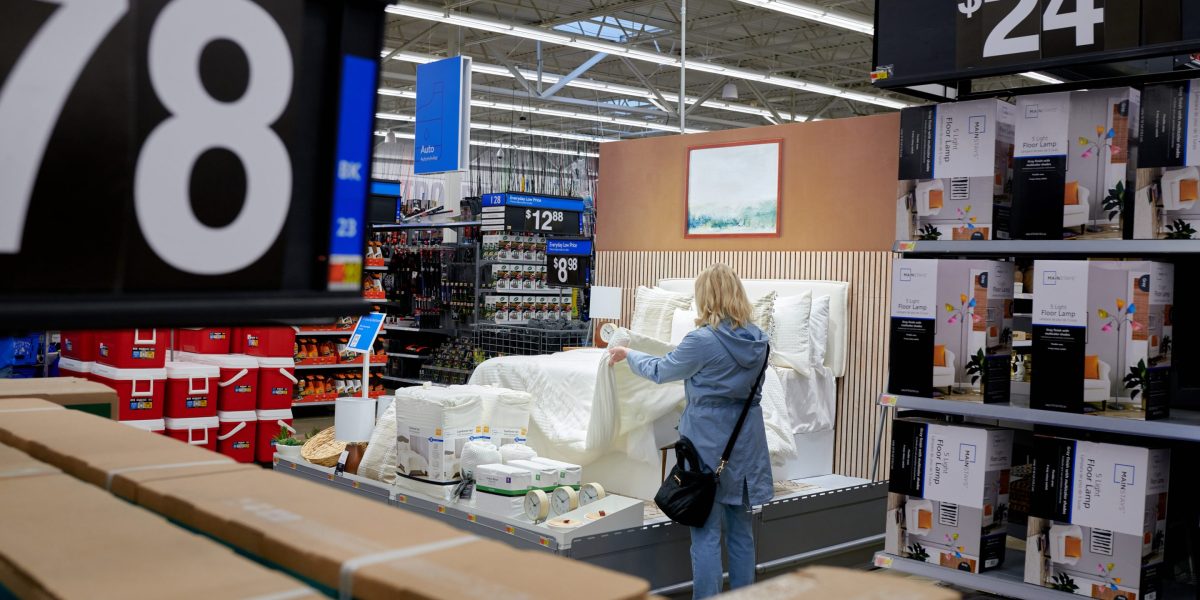
Walmart is attracting wealthier customers, with households earning over $100,000 contributing significantly to its recent sales growth. The retailer's success is attributed to its convenience, expanded product offerings, and "dupe" products—affordable versions of luxury items. This strategy has made Walmart appealing to higher-income shoppers, traditionally associated with Amazon and Target. Despite this shift, Walmart maintains its core focus on affordability, differentiating itself from Target, which appeals to a slightly wealthier demographic with stylish, high-quality apparel.
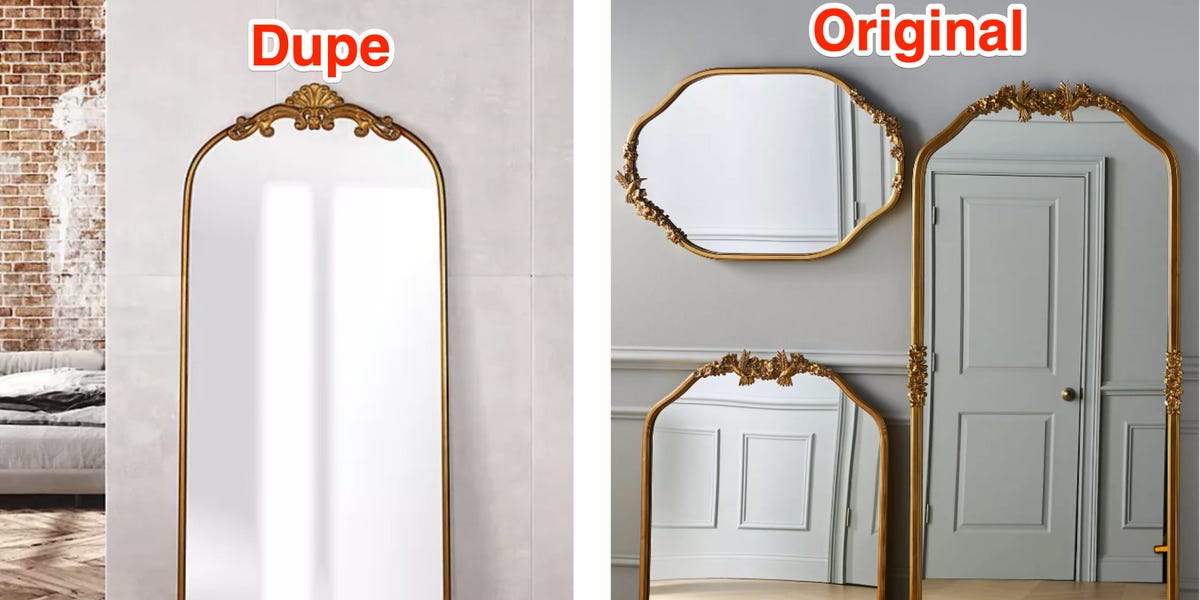
Shoppers are rushing to Costco and Sam's Club to buy a $150 dupe of an Anthropologie mirror that costs $1,200, with the Costco version called the Ravena Floor Mirror and the Sam's Club version named the Azalea Park Filigree Floor Mirror. The trend of finding affordable look-alikes has gained popularity, with consumers also showing interest in the viral Stanley Quencher cups. This reflects a shift in attitudes towards owning dupes, as they become more normalized and accepted as fashionable alternatives.