General Motors plans to introduce advanced in-vehicle AI from Google and a hands-free, eyes-off driver-assistance system by 2028, aiming to transform vehicles into intelligent assistants and enhance safety and convenience. The company also announced new hardware platforms, expanded energy products, and a focus on innovative mobility solutions as part of its 'GM Forward' initiative.
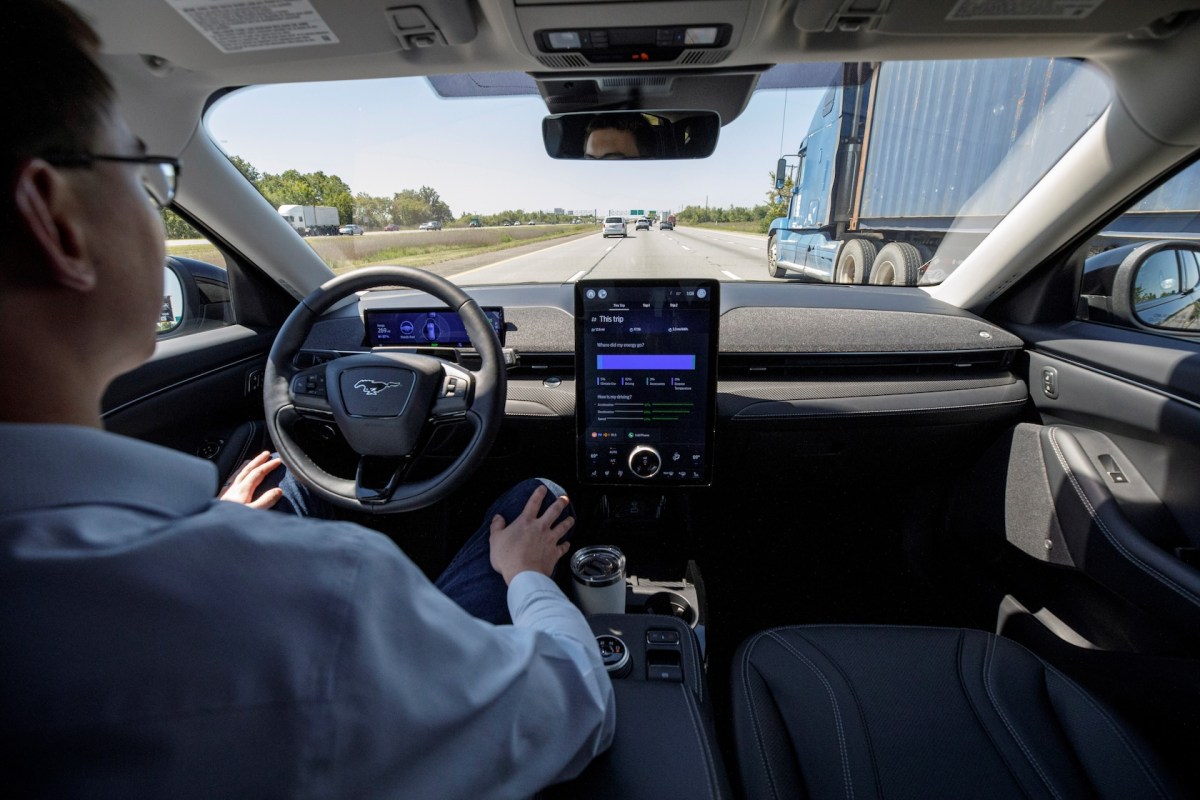
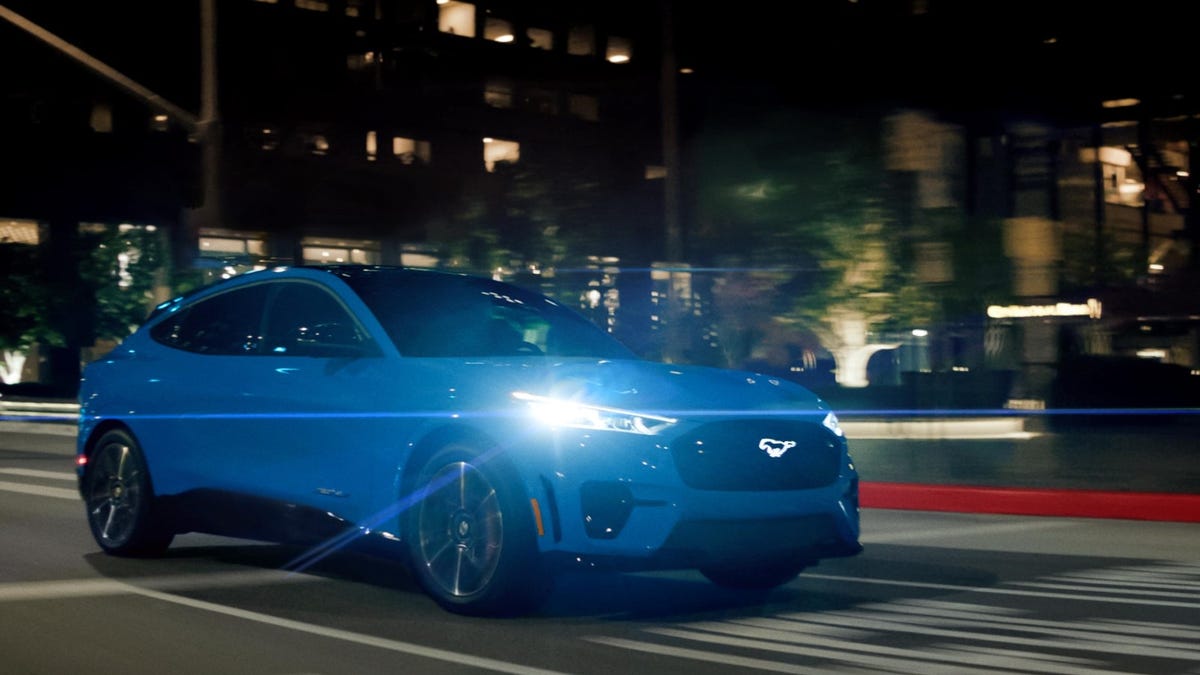
The National Transportation Safety Board (NTSB) revealed that the driver of a Mustang Mach-E involved in a fatal crash in Texas in February was using Ford’s hands-free driver-assistance system, BlueCruise. This marks the first known fatality involving the use of BlueCruise, raising concerns about the system's safety. The NTSB is also investigating a second fatal crash near Philadelphia where Ford’s driver-assistance system may have been active, prompting comparisons to Tesla's Autopilot issues. The NTSB released a preliminary report and is continuing its investigation, while the National Highway Traffic Safety Administration (NHTSA) is also probing the Texas crash. Ford declined to comment on the new information from the NTSB.
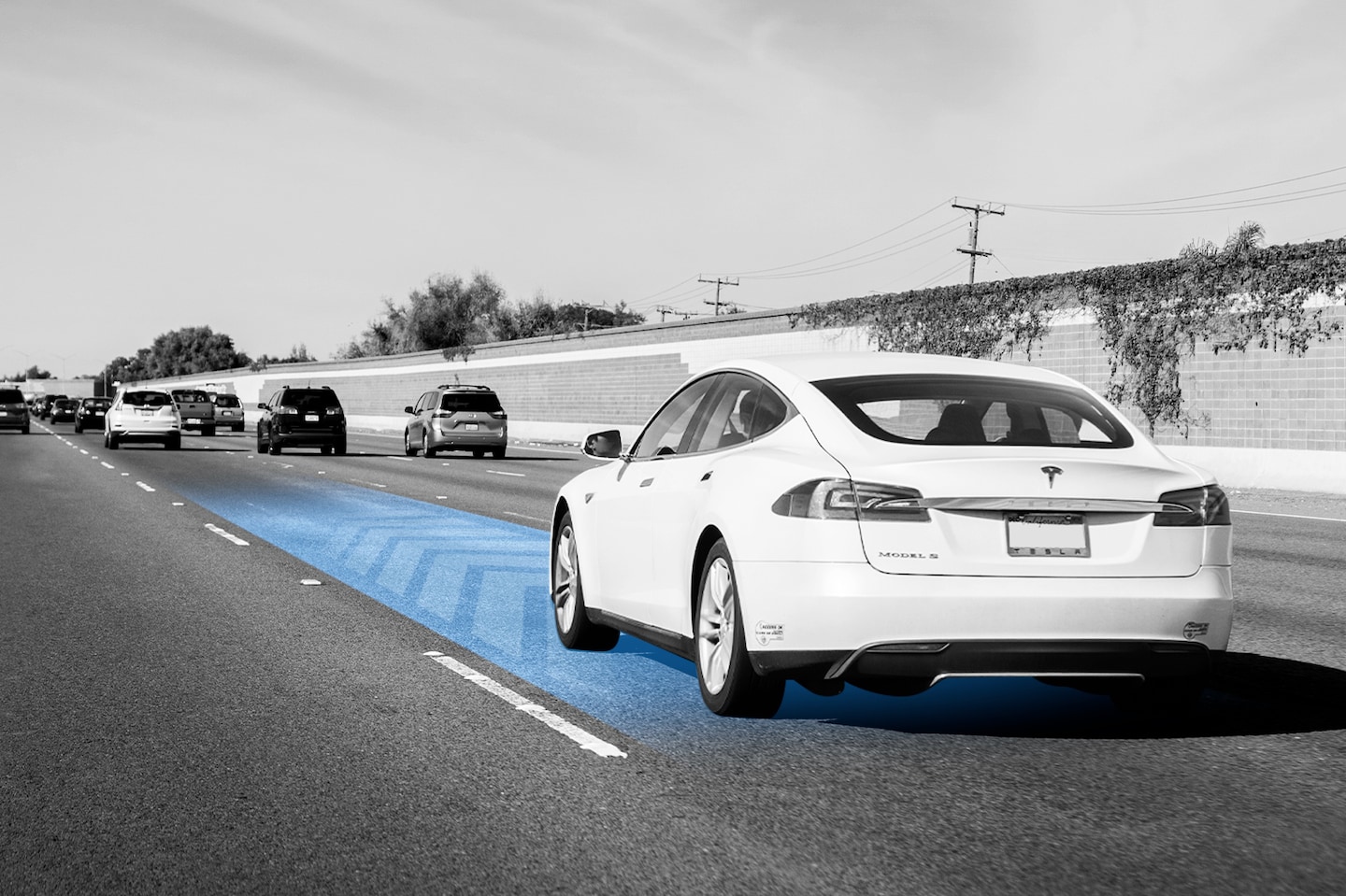
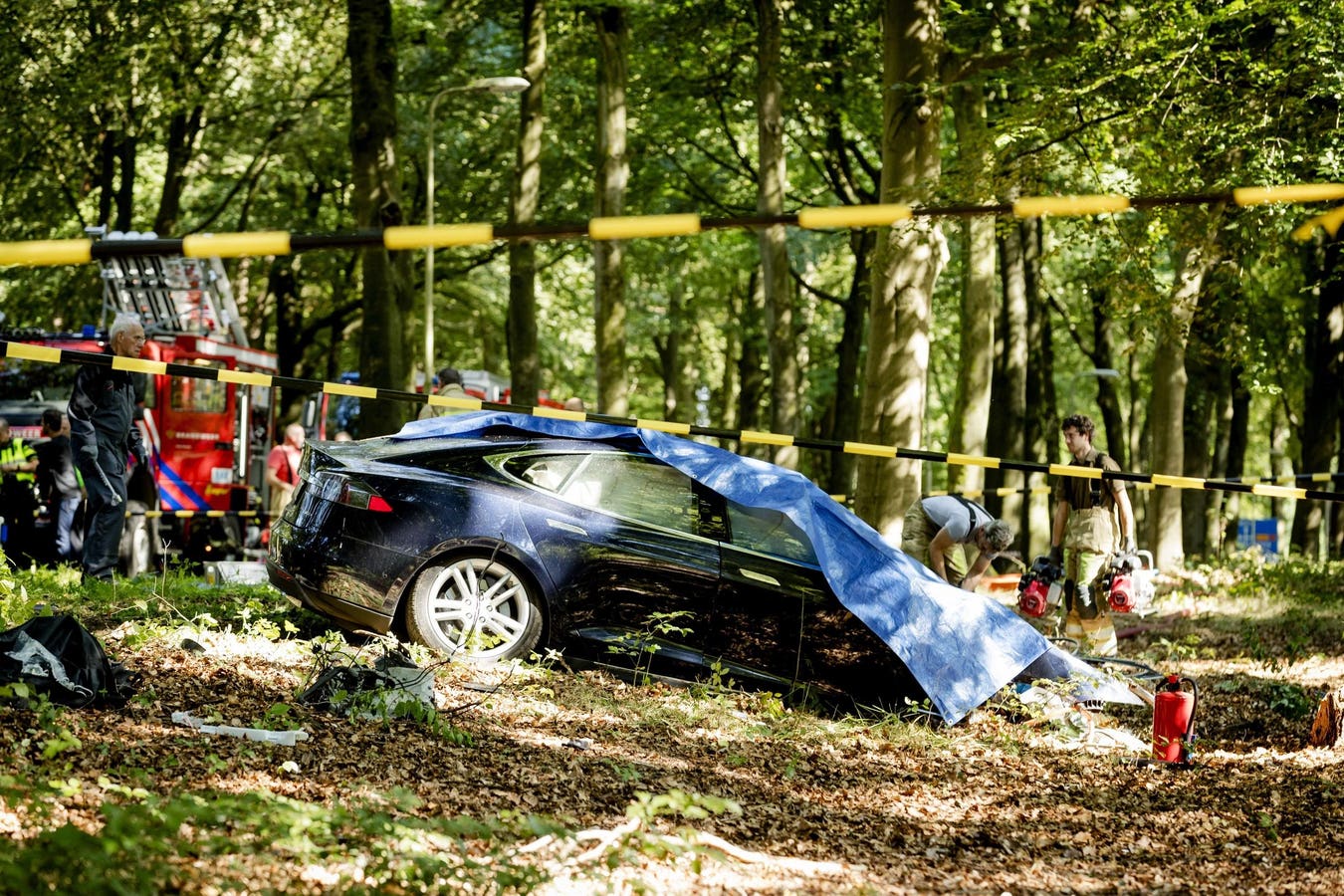
In a wrongful-death lawsuit involving a fatal 2018 crash, a Tesla engineer revealed that the company's Autopilot system is designed to follow painted lane lines and is not equipped to handle roads with poor or faded markings. The crash, which resulted in the death of the driver, has raised concerns about the system's limitations and the company's marketing of the technology. The lawsuit sheds light on Tesla's design decisions, including its reliance on cameras and lack of redundancy compared to other autonomous vehicle systems. The case also highlights the ongoing debate about driver responsibility and the effectiveness of driver-assistance systems like Autopilot.
The National Transportation Safety Board (NTSB) is investigating a fatal crash in Texas involving a Ford Mustang Mach-E equipped with the BlueCruise driver-assistance system. The crash, which resulted in the death of the driver of a Honda CR-V, occurred while the Mustang had "partial automation" engaged. The NTSB will examine the wreckage and sequence of events to determine the role of BlueCruise in the collision. Ford has extended sympathies and stated that safety is a top priority, and they will fully cooperate with the investigation.
Tesla drivers have the highest accident rate among all car brands, with 23.54 accidents per 1,000 drivers, according to a LendingTree analysis. This comes as Tesla recently recalled over 2 million vehicles due to a safety issue related to its Autopilot software. The recall aims to address the misuse of the driver-assistance feature, which requires drivers to remain attentive and ready to intervene. Critics argue that the recall fails to address the fundamental flaw of allowing Autopilot to be used on roads with cross traffic, which has been a contributing factor in many accidents.
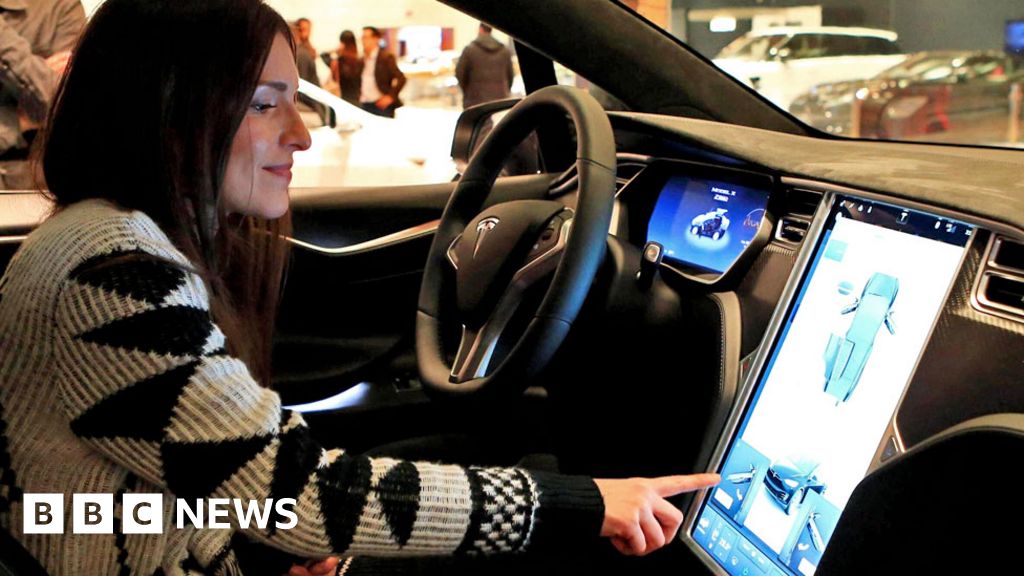
Tesla is recalling over two million cars in the US due to a defect in its driver assistance system, Autopilot, following a two-year investigation into crashes involving the technology. The recall applies to almost all Tesla vehicles sold in the US since 2015. Tesla plans to fix the issue through a software update sent "over the air." The US National Highway Traffic Safety Administration (NHTSA) stated that the recall was prompted by a problem with Autopilot's driver monitoring system. Tesla has defended the safety of Autopilot, citing statistics that suggest fewer crashes occur when the system is engaged. This is the second recall affecting Tesla vehicles this year, but it is not expected to significantly impact the company's momentum.
Tesla has successfully convinced a jury that its Autopilot technology was not at fault in a crash that resulted in a fatality four years ago, marking the first lawsuit blaming Autopilot to go to trial. The jury sided with Tesla, rejecting the claims of two surviving passengers who sought $400 million in damages. Tesla's Autopilot system has faced controversy and federal probes into its potential contribution to deaths, as well as lawsuits alleging over-hyped progress towards hands-free driving. Despite the verdict, Tesla's stock has been declining amid concerns about weakening demand for electric cars. Several other lawsuits over fatal crashes involving Autopilot are scheduled for trial in the coming months.
The U.S. National Highway Traffic Safety Administration (NHTSA) has expressed concerns about Tesla's Autopilot system, stating that the company is risking safety by not ensuring drivers pay attention while using the system. NHTSA's investigation focuses on a change made by Tesla that allows drivers to use Autopilot for extended periods without prompting them to apply torque to the steering wheel. The agency has ordered Tesla to provide answers and documents regarding the software update, the number of affected vehicles, and plans for future software updates. NHTSA is investigating the performance of Autopilot and whether Tesla vehicles adequately ensure driver attention. Late responses to the agency's inquiries may result in penalties.
A California jury ruled that Tesla was not to blame for a 2019 crash involving its Autopilot system, in the first case of its kind to go to trial. The plaintiff, who was driving a Tesla Model S, alleged negligence, fraud, and breach of contract, but the jury awarded no damages. The ruling is a win for Tesla as it faces increased scrutiny from regulators over Autopilot and its upgraded versions, including Full Self-Driving software. Tesla vehicles are not self-driving, and the company recently paused the rollout of its Full Self-Driving beta software in the US and Canada.