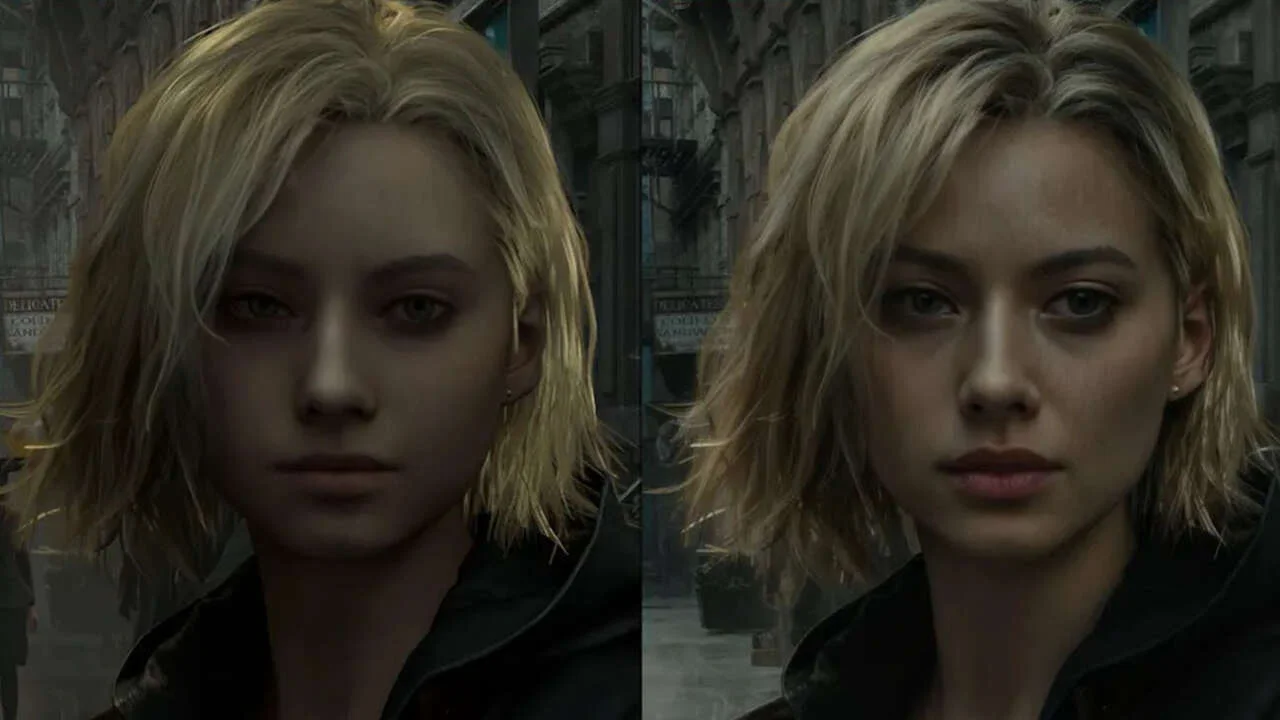
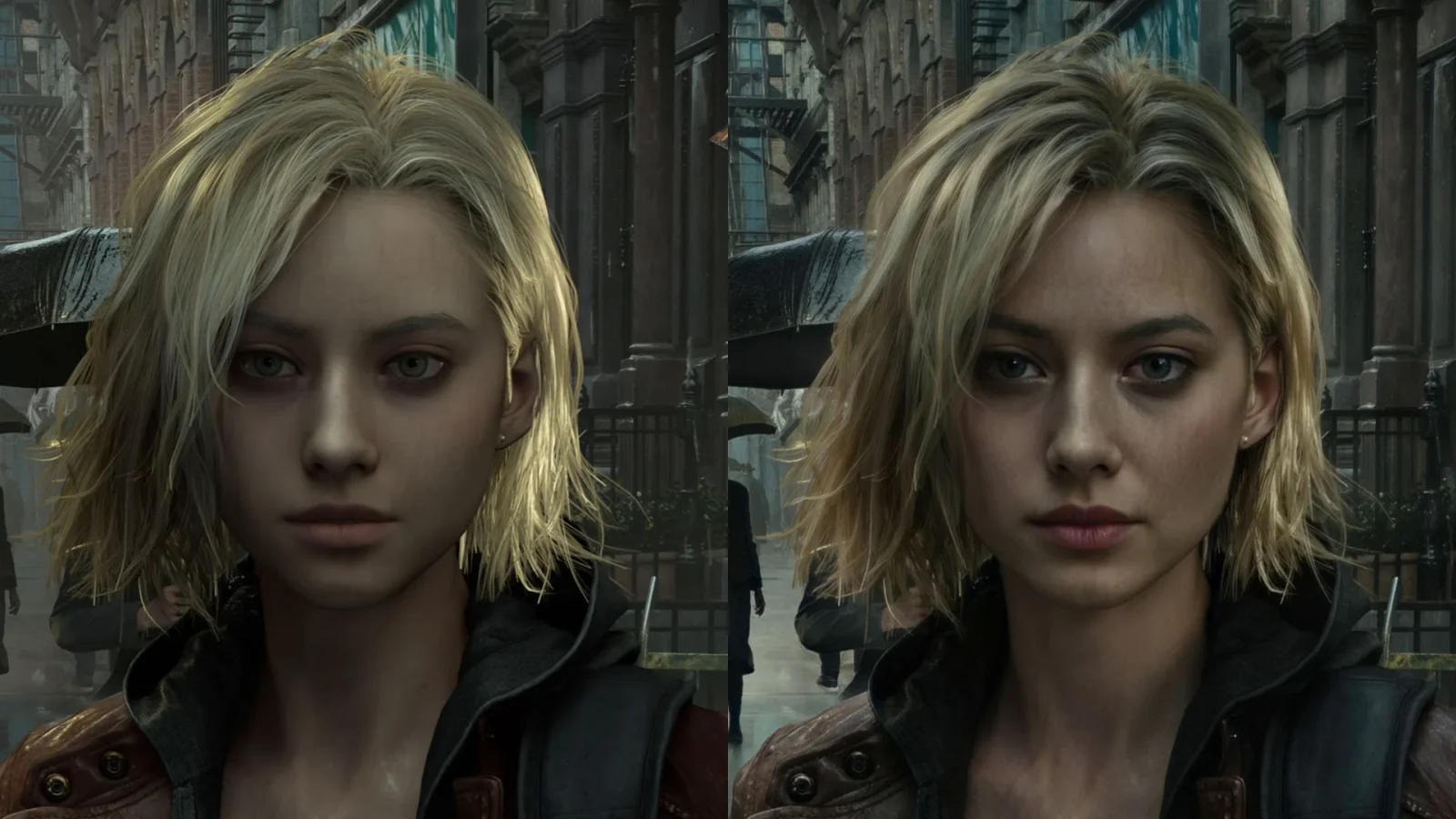
NVIDIA unveiled DLSS 5 at its GTC event, calling it the company’s most significant graphics breakthrough since real-time ray tracing, and said it will bring real-time AI-assisted rendering to video games.
NVIDIA's DLSS 5, set to arrive on RTX 50-series this fall, has sparked backlash for reportedly AI-driven facial tweaks in games, but Bethesda's Todd Howard says DLSS 5 “brought Starfield to life” when tested. The tech is said to enhance lighting and environment without altering textures, though critics warn it can homogenize NPC appearances into an uncanny look. Digital Foundry notes it doesn’t touch game assets, while developers can tweak DLSS 5 per title, leaving its broad adoption still uncertain.
Nvidia’s DLSS 5 upscaling is being shown off with a so-called 'Yassify' filter that dramatically alters character faces, prompting a wave of memes and mixed reactions. While early demos suggest an AI-face-smoothing effect, the company notes that the examples aren’t necessarily representative of actual DLSS 5 output. Publishers remain optimistic about the rollout, with several games including Resident Evil Requiem, Starfield, Hogwarts Legacy, The Elder Scrolls IV: Oblivion Remastered, and Assassin's Creed Shadows named as DLSS 5 supporters this fall. The reception so far could influence how quickly and how broadly the technology is adopted.
Nvidia unveils DLSS 5 at GTC 2026 as a neural lighting model that uses machine learning to deliver photo-realistic lighting in games without requiring new hardware. Integrated with game engines like DLSS, it works with rasterised, RT, and path-traced titles by feeding color information and motion vectors and leveraging scene semantics. Slated to ship for RTX 50-series by Fall 2026 (initial demos used two RTX 5090s; a single-GPU version is planned), the technology is optional and still evolving, delivering striking lighting but provoking discussion about its impact on artistic intent and character likeness in games.
NVIDIA unveiled DLSS 5 at GTC, a real-time AI upscaling system that reworks lighting and materials on a per-frame basis, producing more lifelike scenes in games like Starfield and Resident Evil Requiem. Developers gain controls to preserve artistic direction, but some critics worry the AI edits resemble “AI slop.” The feature will launch later this year for a limited set of titles, with fine-tuning options for intensity, color grading, and masking to maintain a game’s look.