The HDMI Forum has rejected AMD's proposal for an open source HDMI 2.1 implementation, making it unlikely for AMD to support HDMI 2.1 on Linux. This leaves Linux users with AMD hardware to rely on DisplayPort for now, while NVIDIA's open source driver may potentially support HDMI 2.1 in the future.
Linux 6.7 introduces support for DisplayPort Alternate Mode 2.1 over USB Type-C, as well as Intel La Jolla Cove Adapter (LJCA) drivers. Other additions include hardware support for IPQ5018, RK3588, Realtek DHC RTD SoC, and SDX75 in the DWC3 driver. The Linux 6.7 merge window ends today with the release of Linux 6.7-rc1.
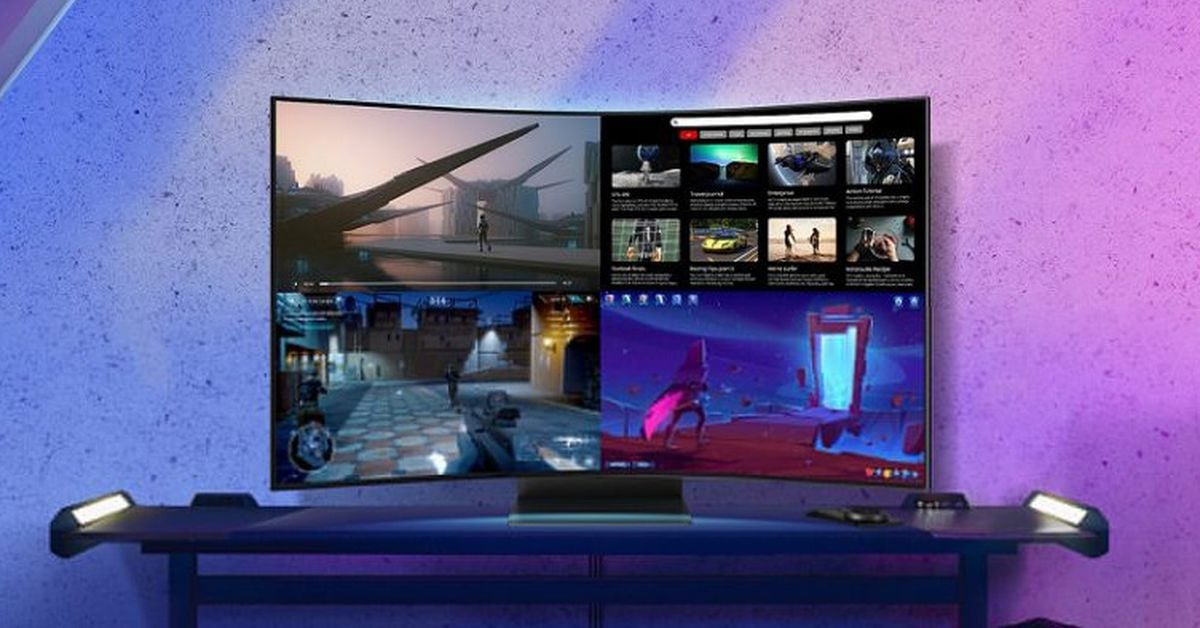
Samsung has released the 55-inch Odyssey Ark 2nd Gen monitor, priced at $2,999.99, in the US. This 4K Mini LED display with a 165Hz refresh rate offers improved features compared to its predecessor. It now includes a DisplayPort connector and enhanced Multi View capabilities, allowing users to display video feeds from all four inputs simultaneously. The monitor also features a built-in KVM switch, four corner speakers, two woofers with Dolby Atmos support, and smart TV-style apps. The monitor is available for purchase on Samsung's webstore and select retailers.
All models of the iPhone 15, including the iPhone 15 Plus, iPhone 15 Pro, and iPhone 15 Pro Max, now support DisplayPort for up to 4K HDR video output to an external display or TV. This feature is made possible through the USB-C port on the devices, allowing for native 4K/60Hz video output to a DisplayPort-equipped display with a compatible cable. Alternatively, users can utilize Apple's USB-C Digital AV Multiport Adapter to mirror video to an HDMI-equipped display, although HDR is not supported in this case. Previous iPhones with a Lightning port were limited to 1080p video mirroring.
Nvidia has released a firmware update tool for DisplayPort 1.3 and 1.4, addressing compatibility issues that can cause black screens and hangs during boot. The tool is available for all 64-bit versions of Windows, including Windows 11, Windows 10, and unsupported versions like Windows 7 and 8. It is compatible with Nvidia graphics cards from the GTX 10-series to the GTX 900 series and GTX 750 series. Users experiencing issues can try workarounds or download the firmware update tool from Nvidia's website.
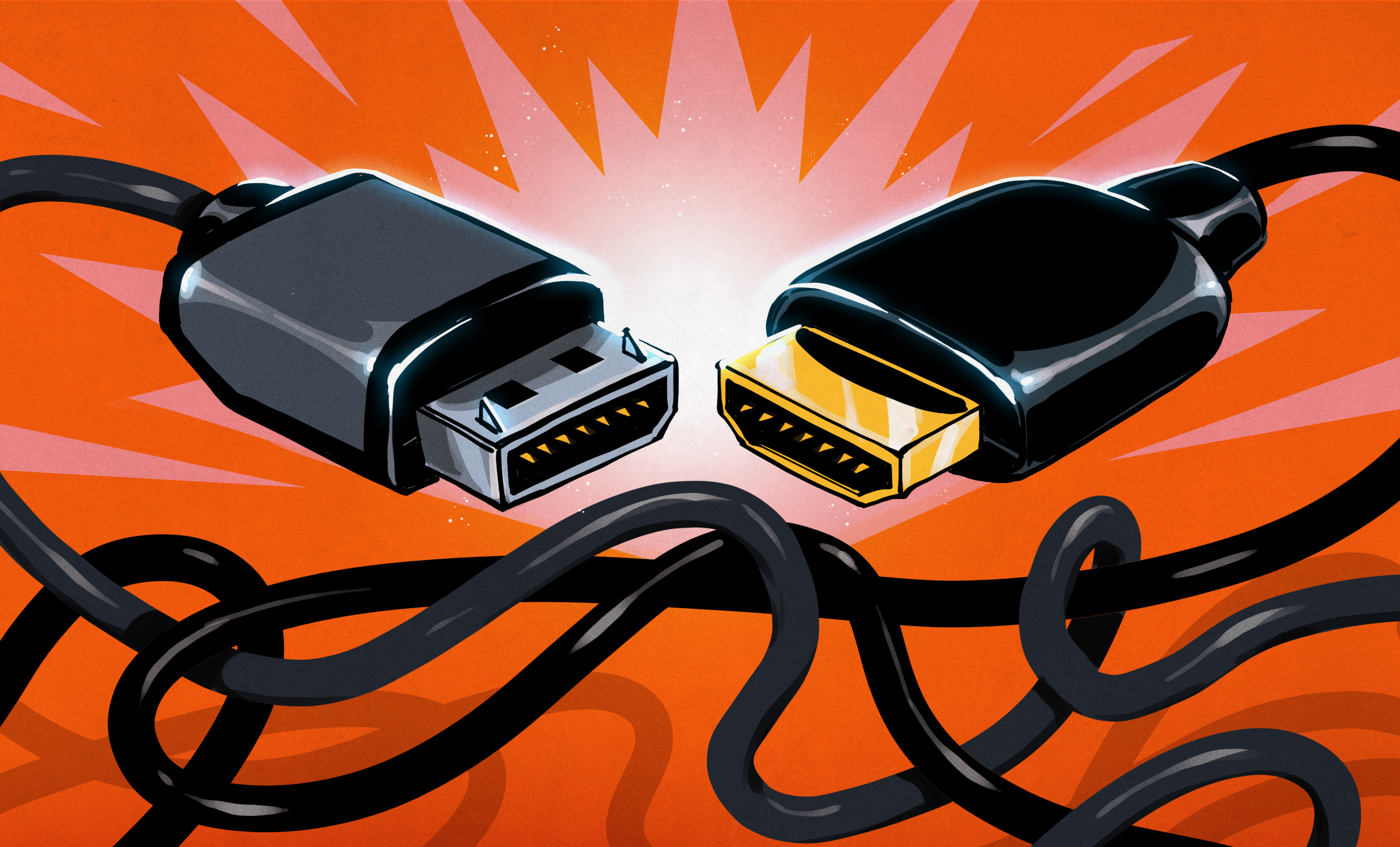
DisplayPort is a powerful video interface that offers more flexibility and features compared to other interfaces like HDMI. It can be found in external monitors, laptop internal displays, USB-C port display support, docking stations, and Thunderbolt devices. DisplayPort uses packetized transfers, allowing for greater flexibility and the ability to embed multiple video streams within a single link. It is also more hackable and offers a better sideband channel for communication. DisplayPort's compatibility with eDP makes it ideal for internal connectivity in laptops and tablets. Unlike HDMI, DisplayPort is not burdened by restrictive licensing and certification requirements, making it more hacker-friendly. Additionally, DisplayPort can be easily converted to HDMI compatibility mode, providing a cost-effective solution for users.
The Google Pixel 8 series will reportedly support DisplayPort over USB-C, a feature that was not present in previous Pixel phones. This could mean added functionality such as a desktop mode similar to Samsung's DeX, which Google has been working on within Android for a while now. The Pixel 8 would be using DisplayPort Alt Mode, which was added in Android 14. The Pixel 8 series is also rumored to have a smaller display size, brighter screens, and 120Hz for both.
Plugable has released a new USB-C adapter that allows users to connect two HDMI monitors to their laptop using a single USB Type-A cable. The adapter uses Alt Mode graphics and an MST chip to drive two independent displays out of a laptop's single USB-C port, making it very simple to use. It supports HDCP and costs $39.95.