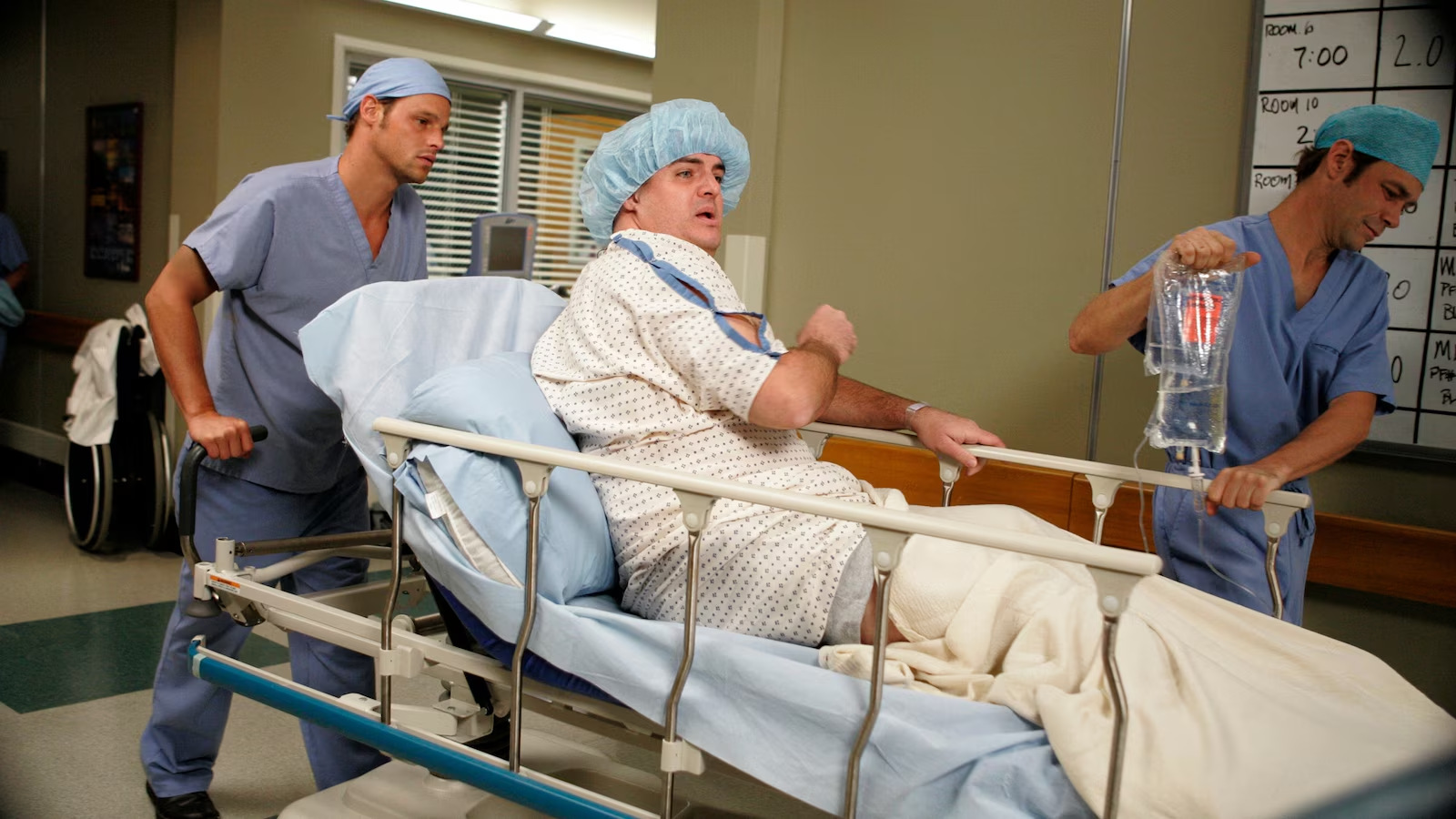
Steven W. Bailey, known for Grey's Anatomy, revealed he has congenital myasthenic syndrome, a rare neuromuscular disorder, and shared his journey with the condition, including his hopes to increase disability representation in media while continuing his acting career.
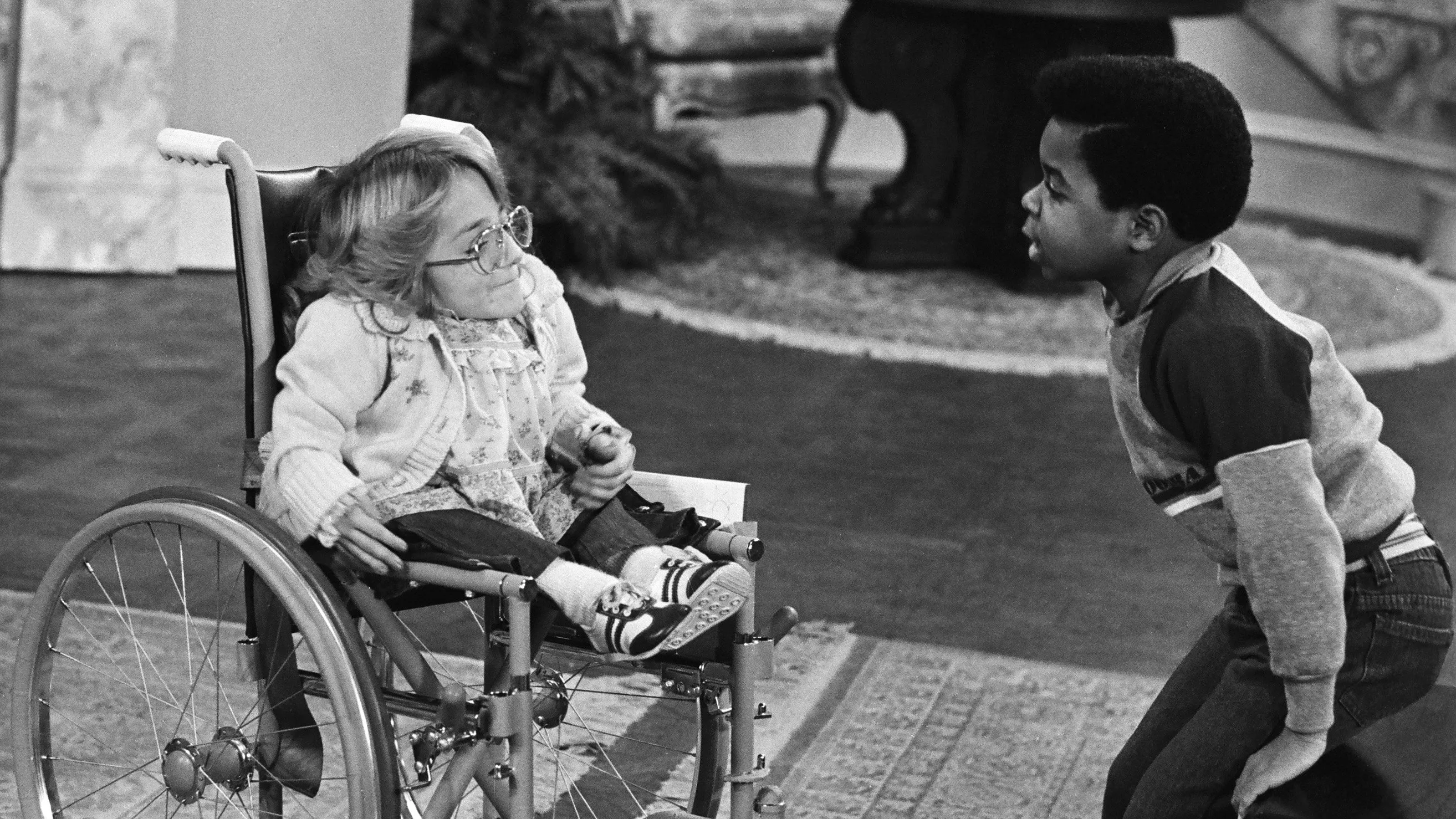
Melanie Watson Bernhardt, known for her role as Kathy on 'Diff'rent Strokes,' has died at age 57 in Colorado Springs. She was born with osteogenesis imperfecta, used a wheelchair, and her role provided significant disability representation on TV. She expressed mixed feelings about her acting career but acknowledged the importance of her role in TV history.
The article discusses how the film 'Wicked: For Good' has made some positive changes to disability representation, such as casting a disabled actress and altering the plot to avoid harmful stereotypes, but it still retains problematic elements like Nessa's villainous arc and stereotypical portrayal of disabled women. Overall, the film shows increased awareness but falls short of fully addressing disability issues.
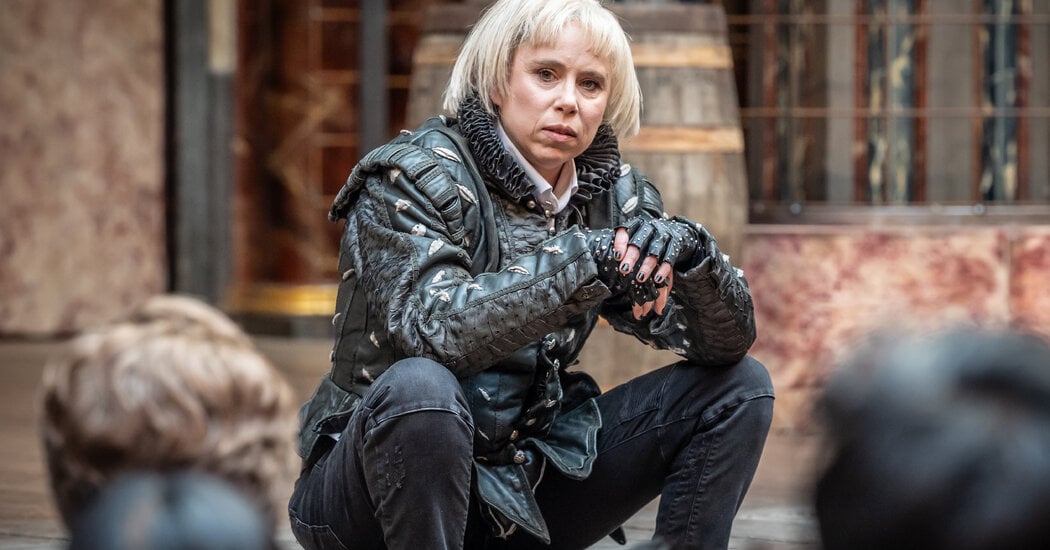
A new production of "Richard III" at Shakespeare's Globe theater in London has sparked controversy for casting a nondisabled actor, Michelle Terry, as the physically disabled title character. Critics argue that Richard's disability is integral to the play, while the theater defends its decision by emphasizing artistic freedom and a non-literal interpretation of Shakespeare's works.
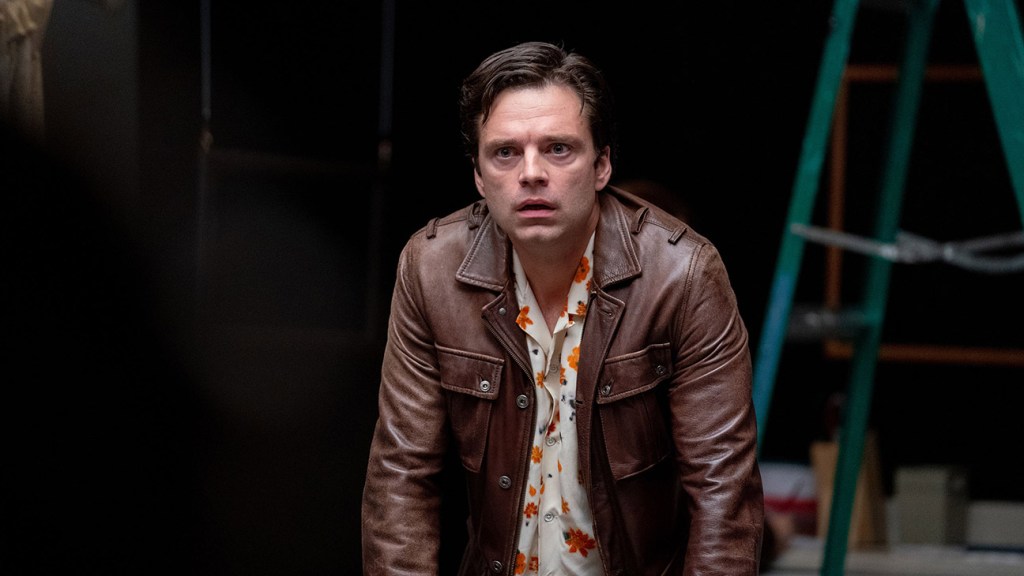
Director Aaron Schimberg's film "A Different Man" explores the complexities of disability representation in film, featuring Sebastian Stan as an aspiring actor with facial disfigurement who becomes obsessed with an actor playing him in a play. The film challenges prejudices and the impact of physical appearance on identity. Stan, known for his role in the Marvel Cinematic Universe, embraced the opportunity to portray a character unlike any he had done before, wearing a prosthetic to understand the character's physicality. The independent film also faced challenges in shooting in New York City and coordinating the schedules of its busy cast.
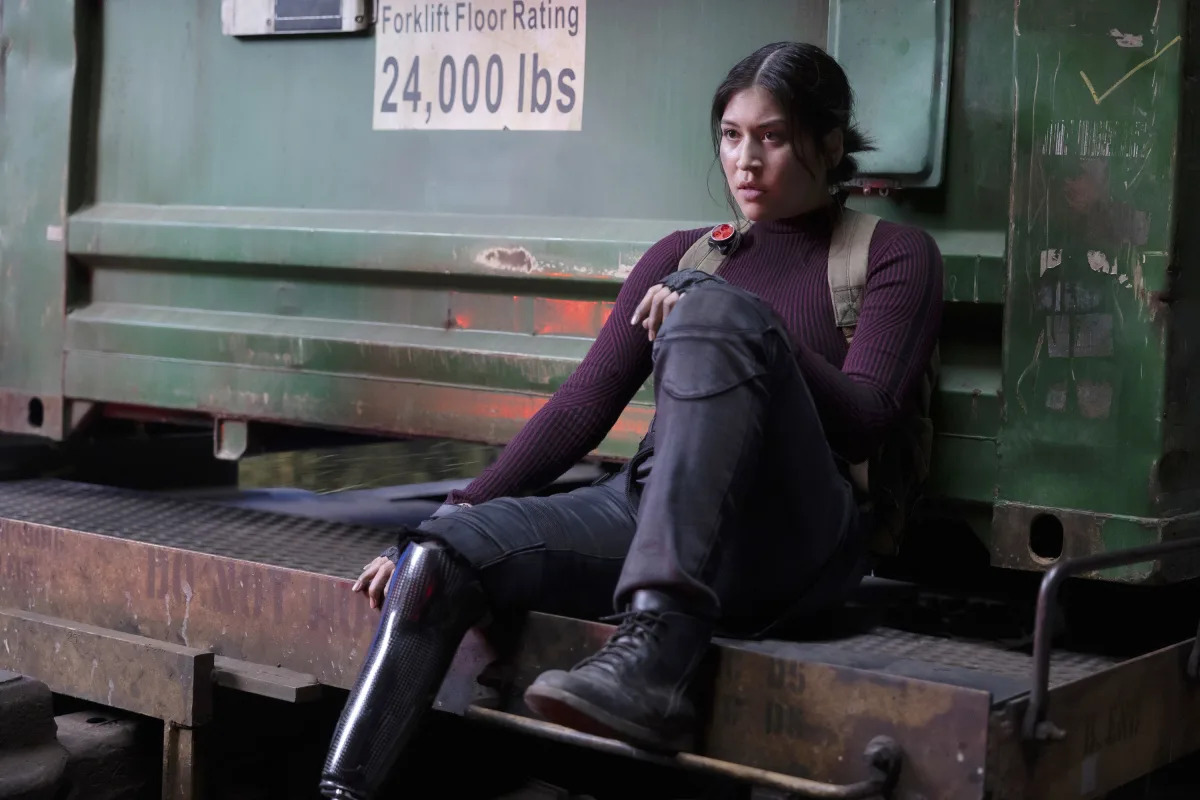
Alaqua Cox, star of Marvel's Echo, embraces the pressure of leading a show as an Indigenous and deaf actress, while avoiding social media criticism. Despite some backlash labeling the series as "woke," Cox believes it's important to change perspectives and hopes for more diversity in lead roles. As a new mom, she's excited for her son to grow up in a generation of inclusion and diversity, and is considering various acting opportunities for her future.
Michael J. Fox discusses his life with Parkinson's disease in his new documentary, Still: A Michael J. Fox Movie. He talks about his decision to reveal his diagnosis to the public, the injuries he's sustained due to falls, and the importance of disability representation in media. Fox also shares his sense of humor and his request to the director for "no violins" in the documentary, as he dislikes the typical swelling music that accompanies disabled characters performing normal tasks in movies and TV shows.
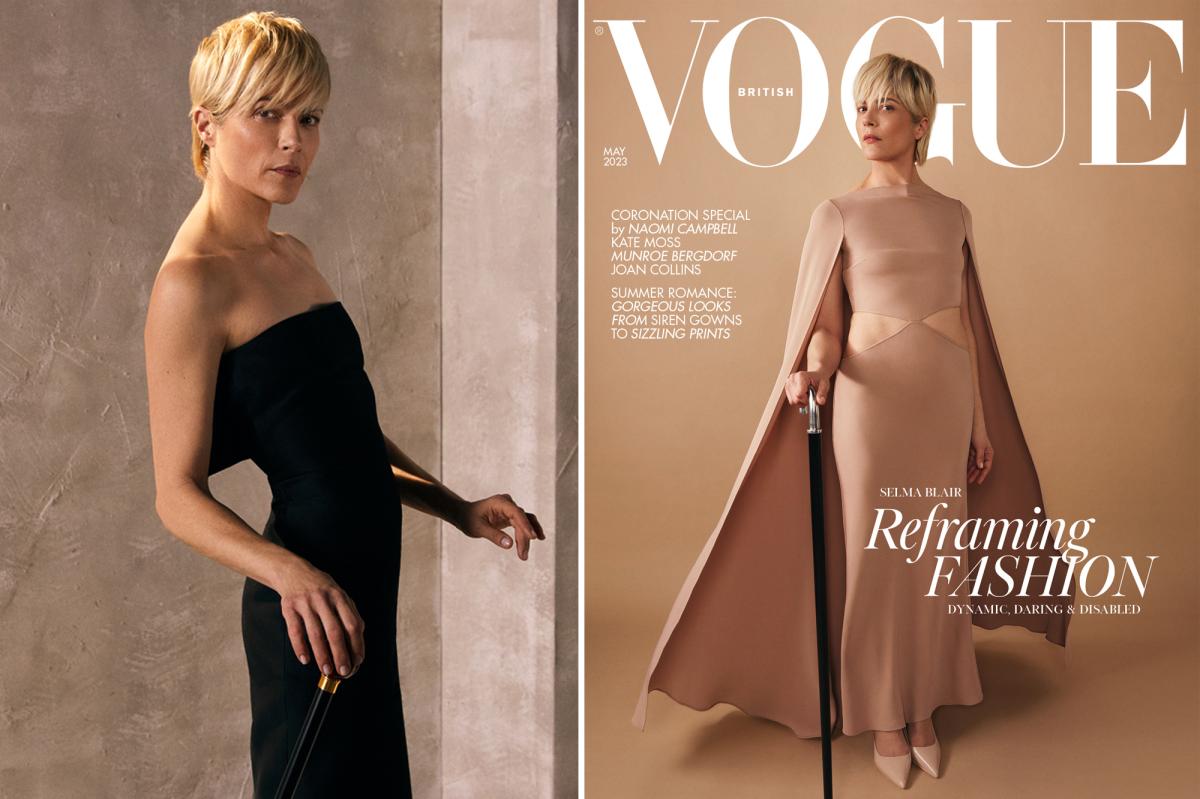
Actress Selma Blair, who was diagnosed with multiple sclerosis in 2018, graces the cover of British Vogue's May 2023 issue with her cane, calling it an "extension" of herself. Blair, who has become an advocate for the disabled community, says she's proud to show off her cane because it "gives visibility" to those in the disabled community. She also covers the May issue of Vogue Germany in a white Ferragamo gown. Blair hopes for more inclusiveness in the industry as she and others continue to speak up.
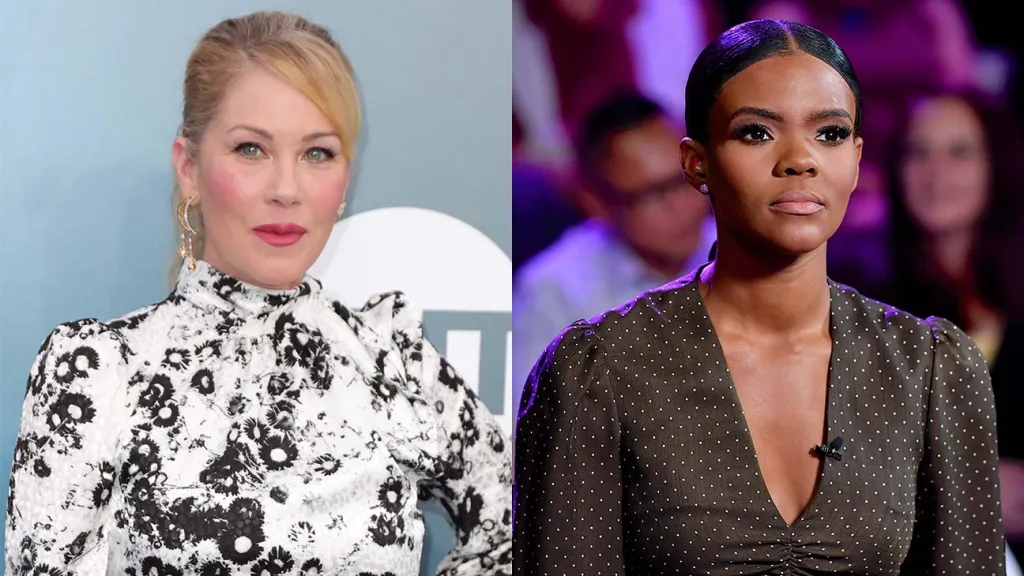
Actress Christina Applegate slammed conservative commentator Candace Owens for criticizing an inclusive underwear ad featuring a model in a wheelchair. Owens received backlash for her comments on the ad, with model Haleigh Rosa offering to educate her on disability representation. Applegate, who has multiple sclerosis, expressed her support for the ad and called out Owens for her "gross" comments. Owens defended herself against accusations of ableism, stating that she believes in confidence without the need for representation.
Actress Christina Applegate criticized conservative personality Candace Owens for her comments on Kim Kardashian's SKIMS company using a model in a wheelchair in a campaign, calling it "f---ing gross." Applegate, who has multiple sclerosis, defended the need for accessibility clothing and offered to educate Owens on disability. The model in the campaign, Haleigh Rosa, responded to Owens' sentiment, saying representation matters and offering to educate her. Owens had criticized the inclusivity of the campaign and denied being an ableist.